Thiksay Monastery, Leh Ladakh
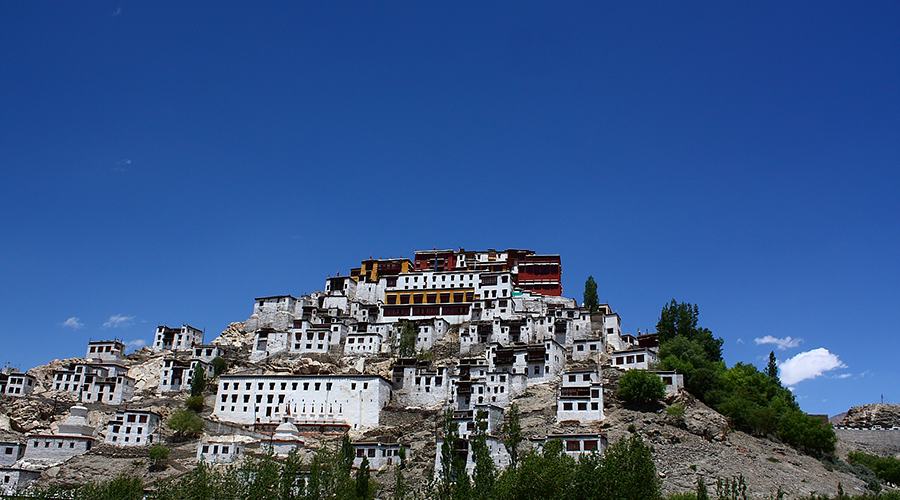
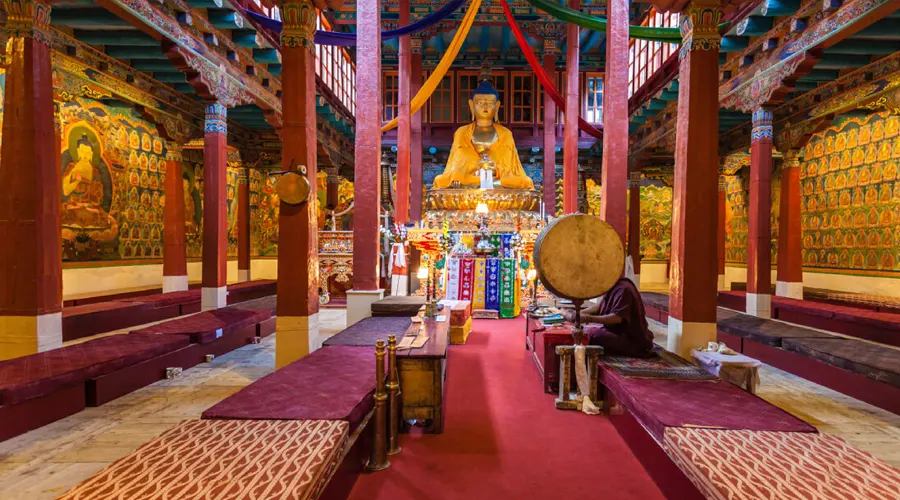
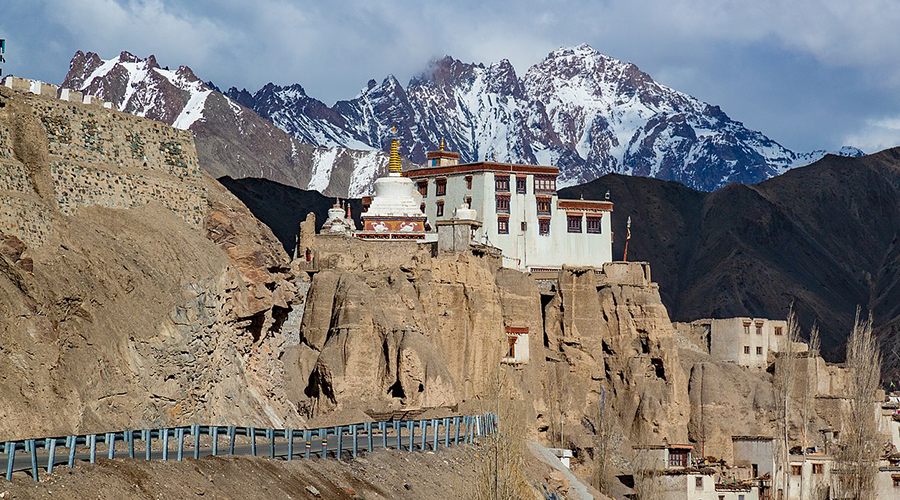
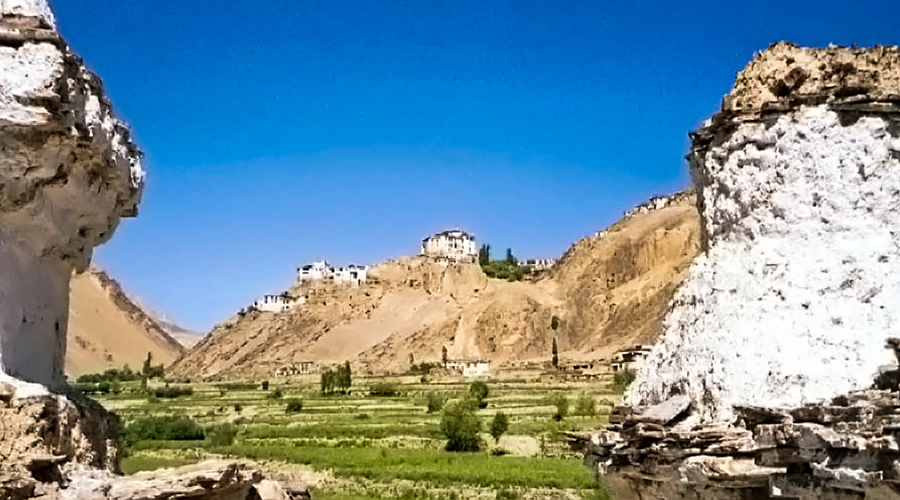
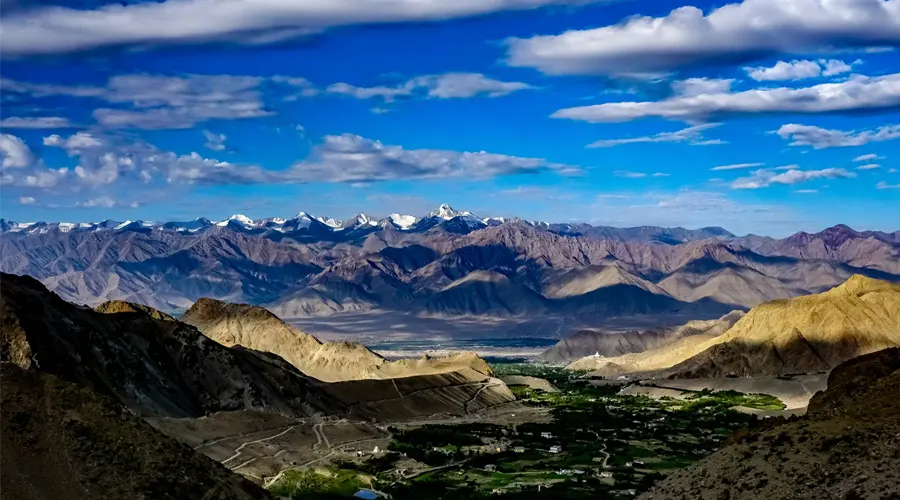
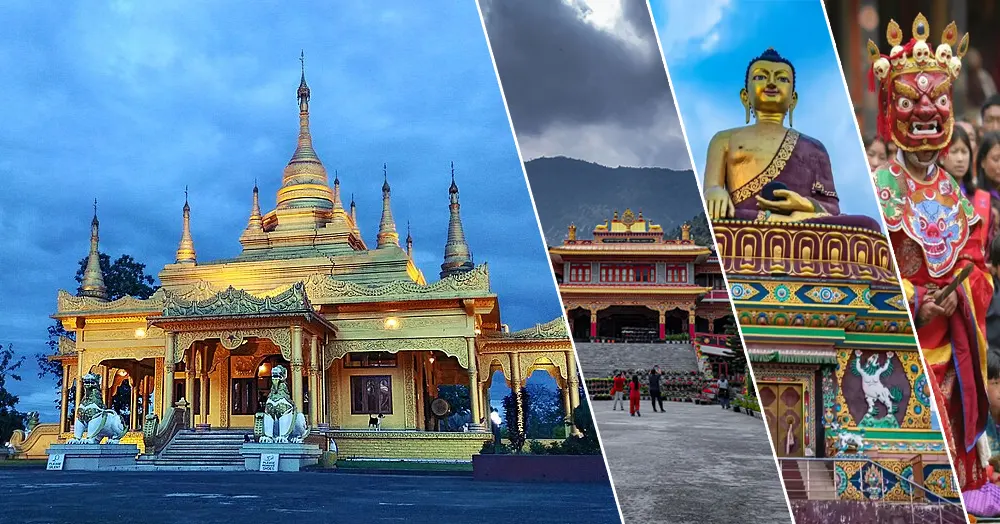
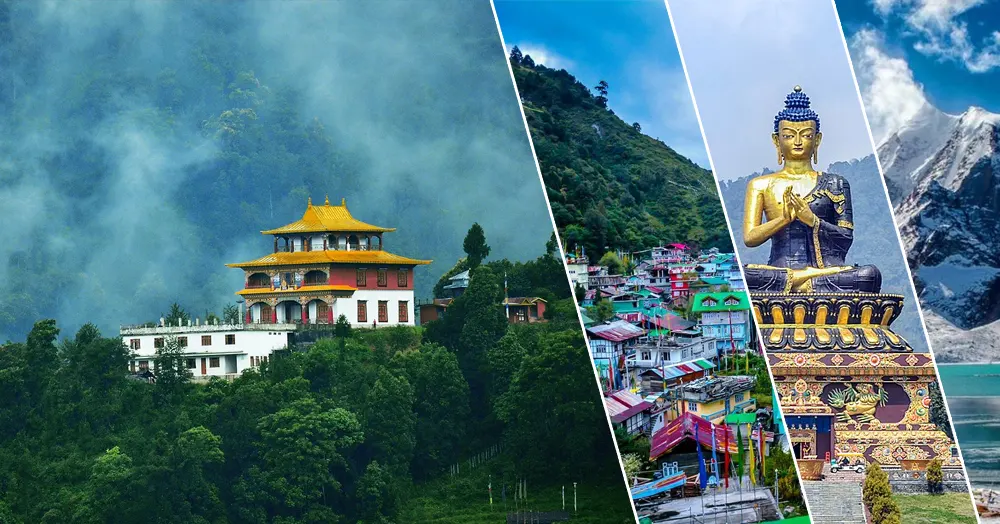
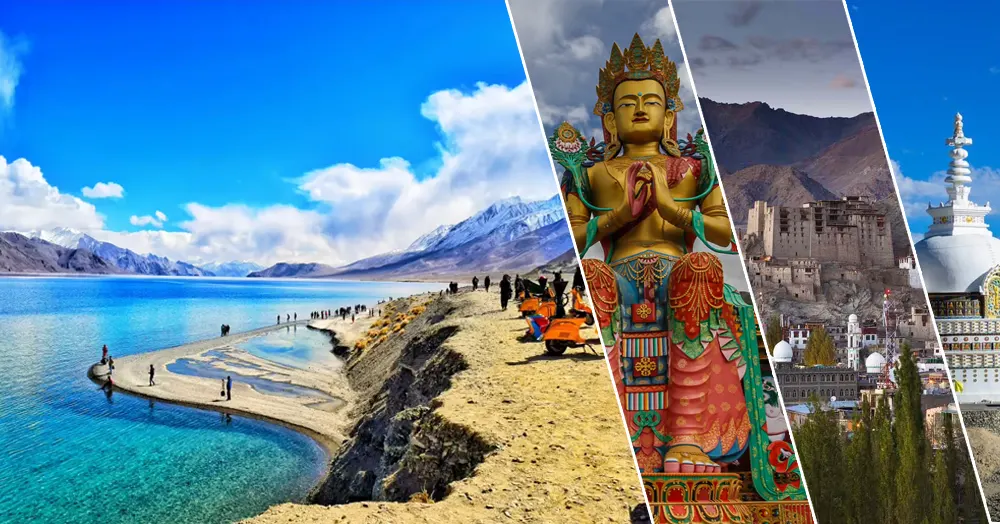
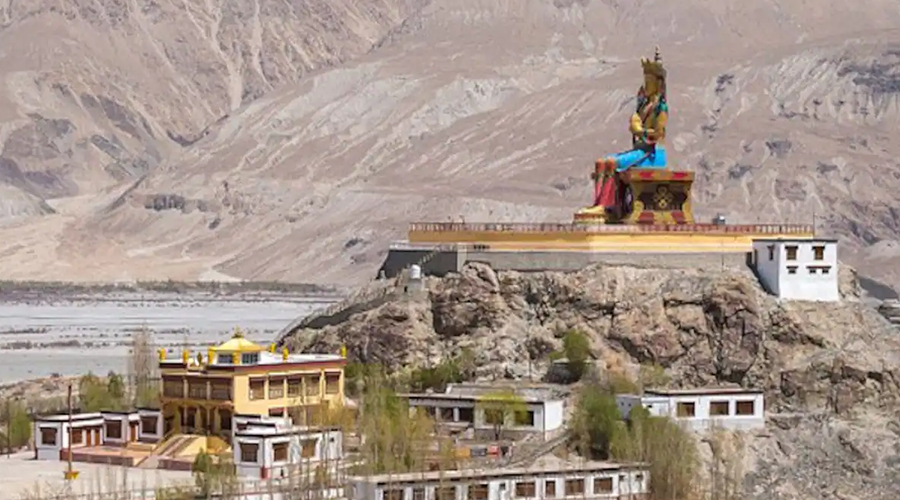
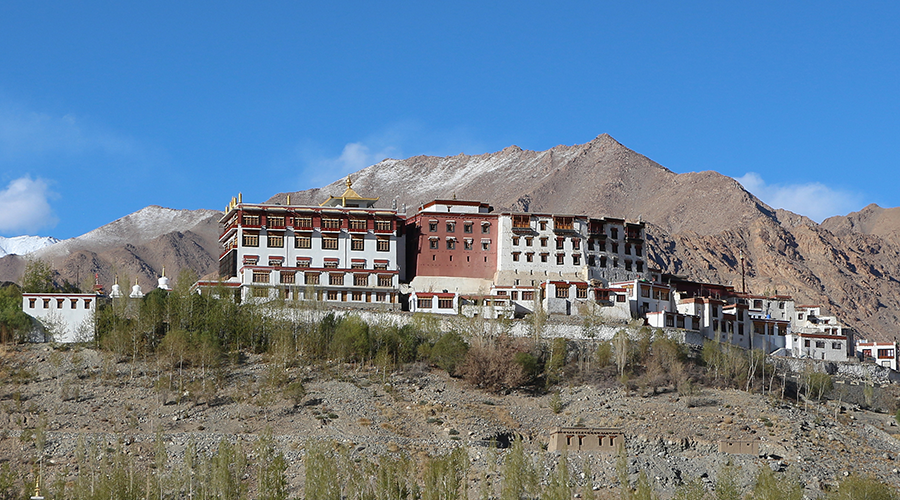
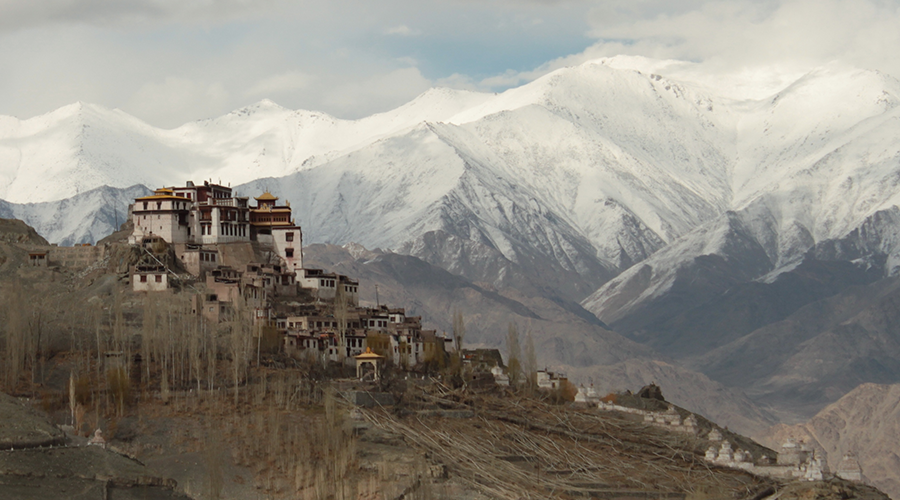
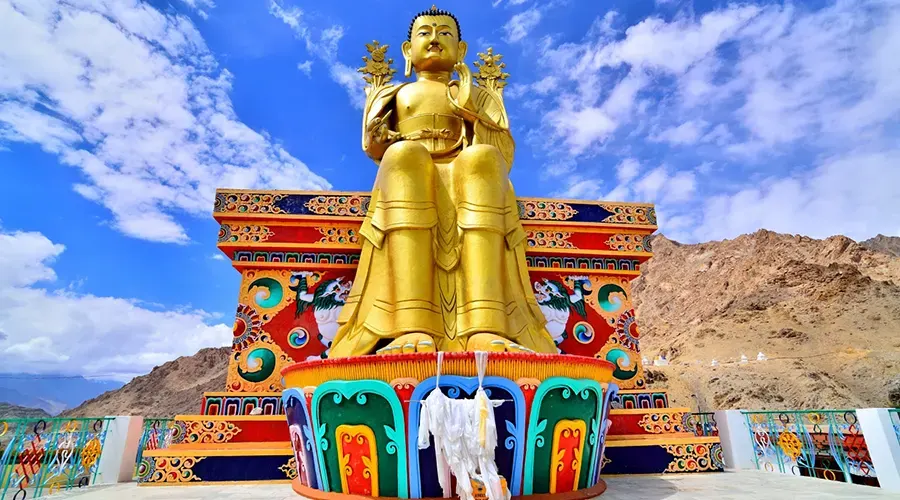
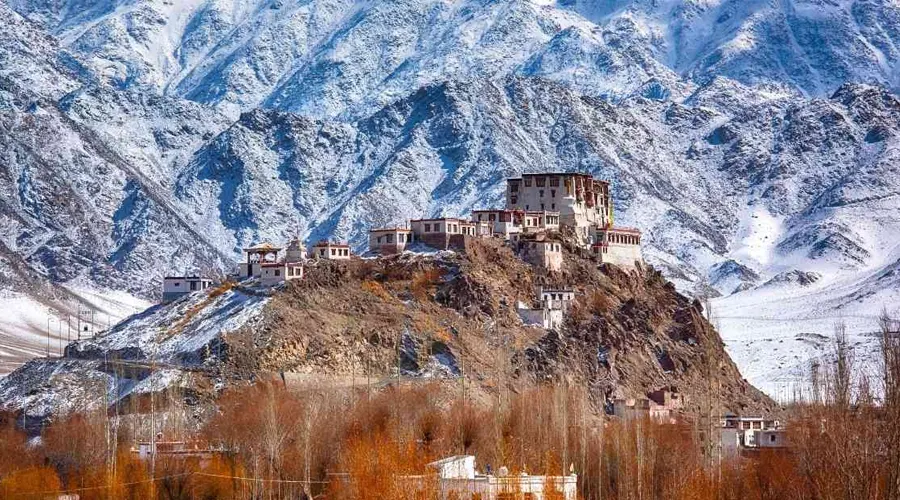
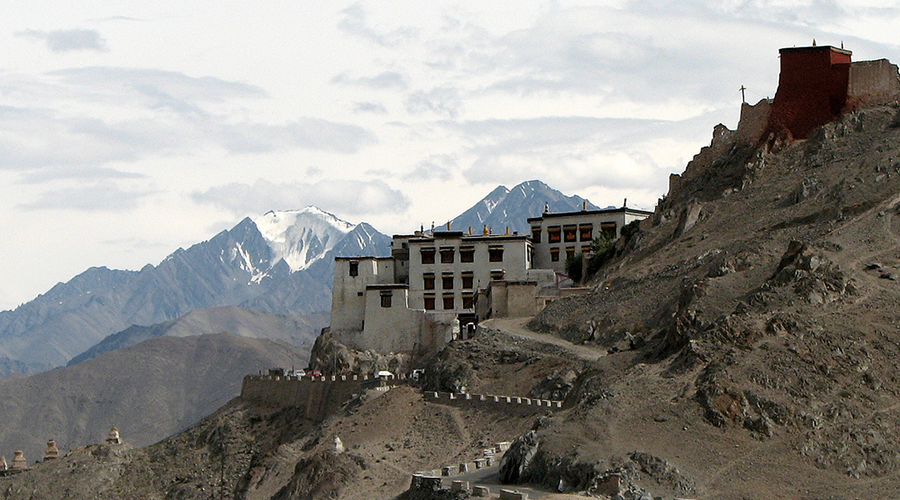
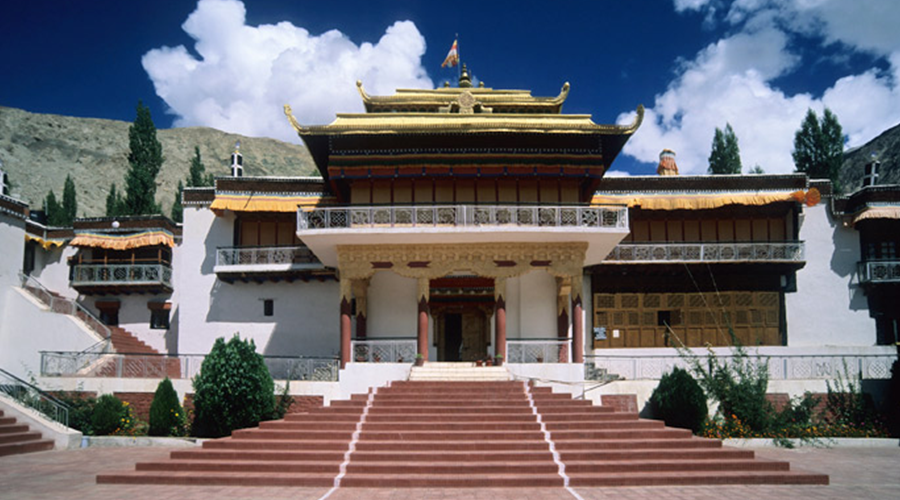
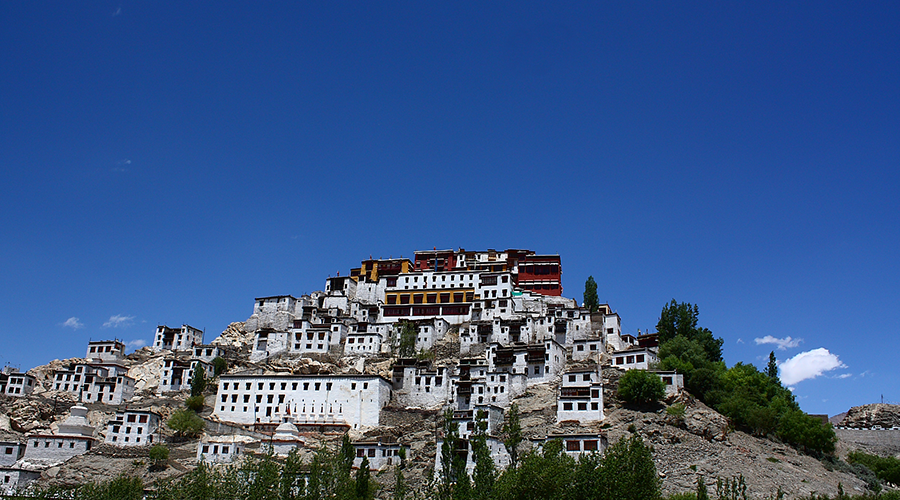
Thiksey Monastery, also known as Thiksey Gompa, is one of the largest and most impressive monasteries in Central Ladakh. Often called the “Mini Potala” because of its architectural resemblance to the Potala Palace of Tibet, the monastery overlooks the Indus Valley from a hilltop near Thiksey village, around 19 km from Leh town. Thiksey is renowned for its 15-meter tall Maitreya Buddha statue, which spans two floors of the monastery, and its vibrant festivals, especially the Gustor Festival held annually in October or November.
The monastery belongs to the Gelugpa (Yellow Hat) sect of Tibetan Buddhism and houses around 60 monks. With multiple temples, assembly halls, stupas, and a museum, Thiksey Monastery is both a spiritual and cultural landmark of Ladakh.
History of Thiksay Monastery, Leh Ladakh
Thiksey Monastery was established following a legendary event involving Sherab Zangpo and Palden Zangpo. While performing rituals near the Yellow Temple, they attempted to dispose of a Torma offering, but two crows carried it to a specific location in Thiksey. Interpreting this as a divine command, the monks founded the monastery there.
Over the centuries, the monastery grew in size and importance, becoming a major religious center for the Gelugpa sect. The 15-meter Maitreya Buddha was installed in 1970 to commemorate the visit of the 14th Dalai Lama. Thiksey has since been central to the spiritual and cultural life of Central Ladakh, attracting pilgrims, tourists, and scholars alike.
Architecture and Structure
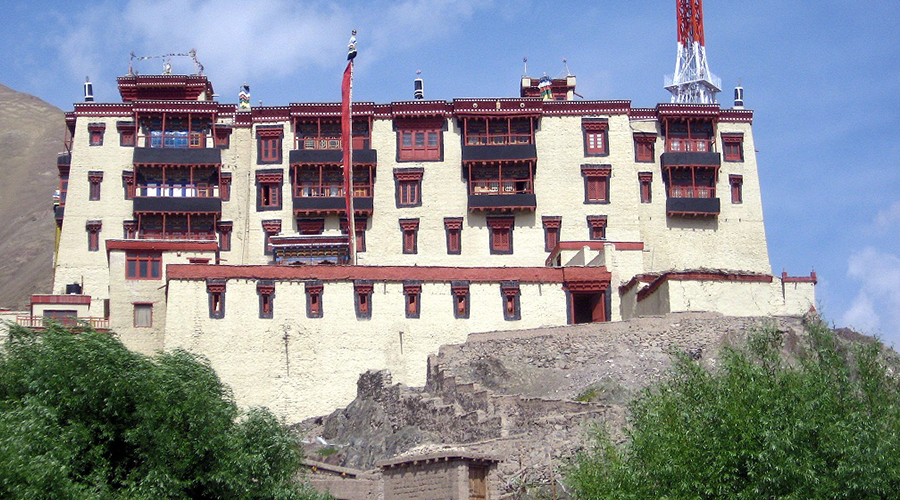
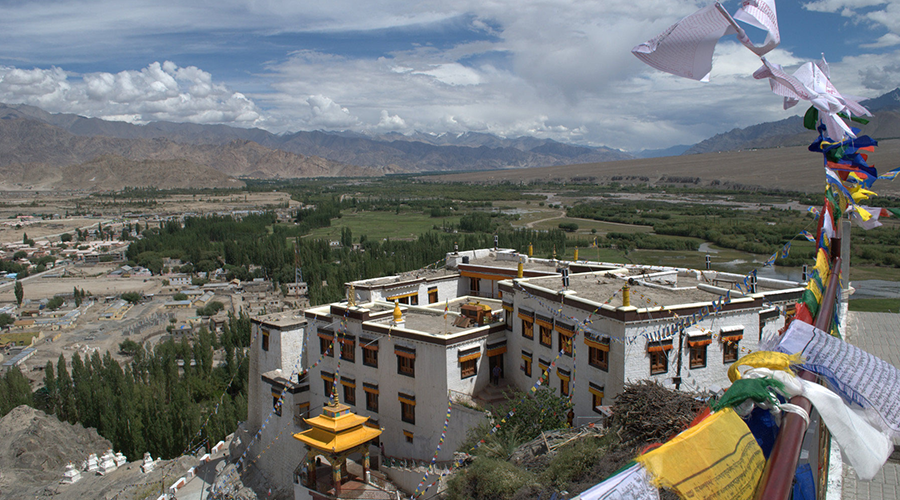
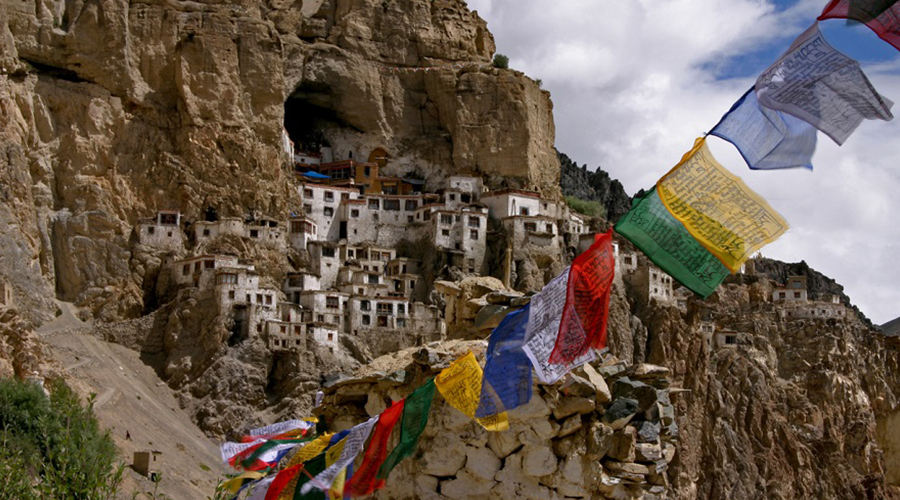
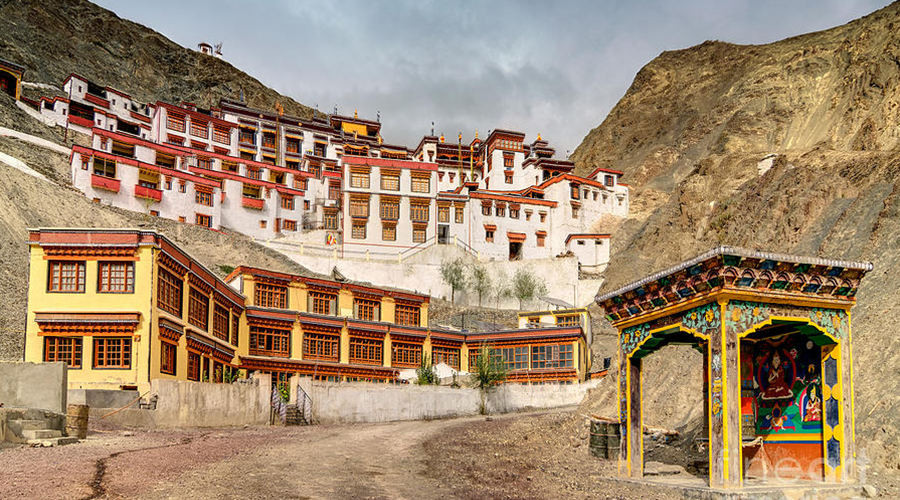
Thiksey Monastery is perched on a hill, comprising multiple buildings of varying heights aligned according to their importance. Key features include:
- Maitreya Buddha Temple: 15m tall statue covering two floors, largest in Ladakh.
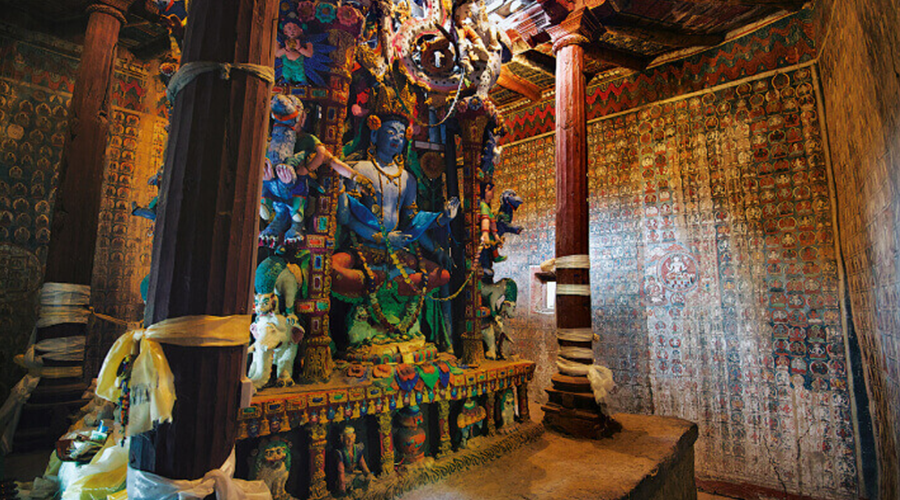
- Tara Temple: Dedicated to Goddess Tara, featuring intricate murals.
- Assembly Hall (Dukhang): Houses several statues of deities, prayer flags, and sacred artifacts.
- Lamokhang Temple: A smaller temple used for rituals.
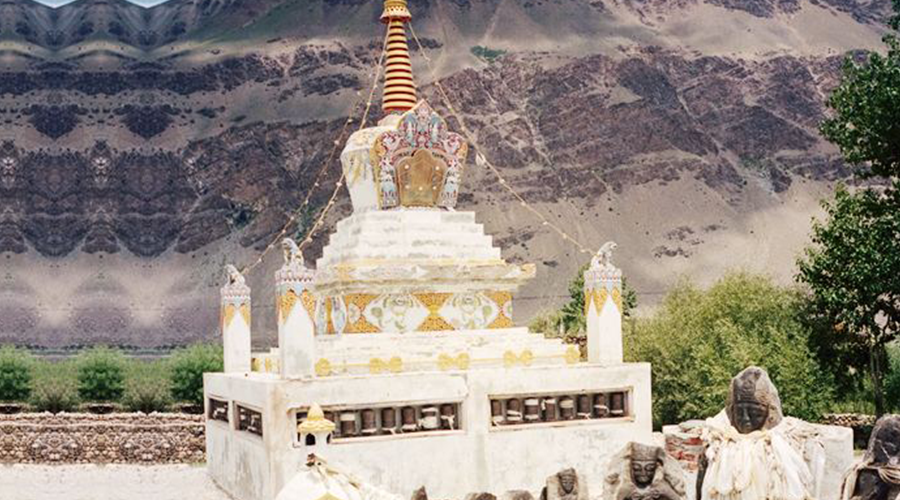
- Stupa at the hilltop: Marks the highest point of the monastery.
- Monk quarters: Residential areas for 60 monks.
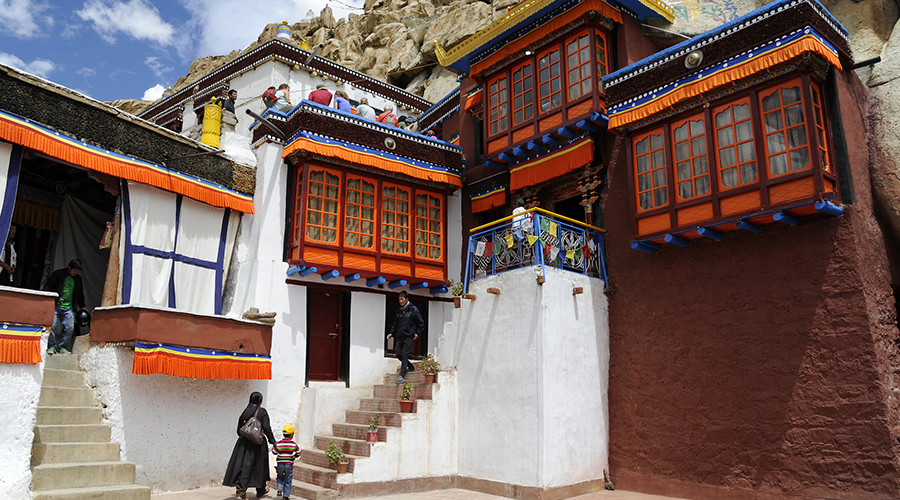
The monastery walls are painted white, red, and ochre, creating a visual resemblance to the Potala Palace in Lhasa. Visitors can admire ancient murals, thangkas (Buddhist paintings), statues, and sacred relics across the multiple floors.
Festivals
Gustor Festival: Celebrated annually in October–November, this is the most famous festival at Thiksey Monastery. The festival includes:
- Masked dances by monks
- Traditional music and rituals
- Trade fairs at the base of the monastery, bringing villagers together to barter and socialize
The festival attracts both tourists and local devotees, offering a unique insight into Ladakhi culture and Buddhist rituals.
Itinerary for Thiksay Monastery, Ladakh
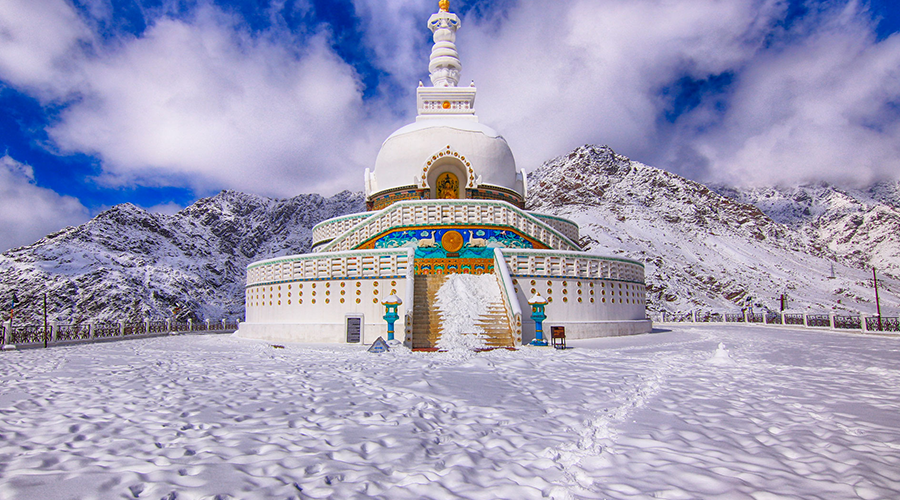
- Day 1: Arrive in Leh, acclimatize, and explore Leh Palace and Shanti Stupa.
- Day 2: Drive to Thiksey Monastery (19 km, ~40 min). Explore the Maitreya Buddha, assembly halls, Lamokhang Temple, and murals. Attend local prayer sessions if possible.
- Day 3: Visit nearby monasteries such as Shey Monastery and Stok Monastery before returning to Leh.
Best Time to Visit Thiksey Monastery, Leh Ladakh
The ideal time to visit Thiksey Monastery is from May to September. During these months:
- The weather is pleasant, with daytime temperatures ranging from 15°C to 25°C.
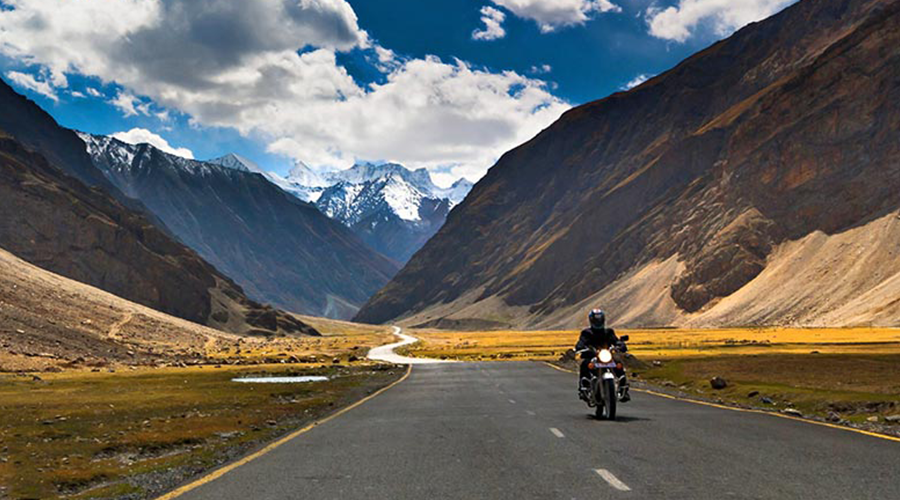
- Roads are clear and accessible, making travel from Leh easier.
- Monsoon is almost non-existent in Ladakh, so rain rarely affects sightseeing.
- You can witness local festivals, including the Gustor Festival in October/November (though it falls slightly outside the peak season, it is a cultural highlight).
Avoid visiting during winter (November to March) as heavy snowfall can block roads, and temperatures can drop to -20°C or lower, making travel extremely difficult.
For photography and trekking enthusiasts, June to August offers the best combination of sunlight, clear skies, and accessibility
Travel Tips
- Best time to visit: May to September (pleasant weather, accessible roads).
- Wear comfortable shoes for hill climbing and exploring multiple floors.
- Respect local customs: no loud photography inside prayer halls.
- Carry warm clothes even in summer due to cold winds at altitude.
Nearby Attractions to Thiksay Monastery
- Shey Monastery: 15 km, known for the giant copper-gilded Buddha.
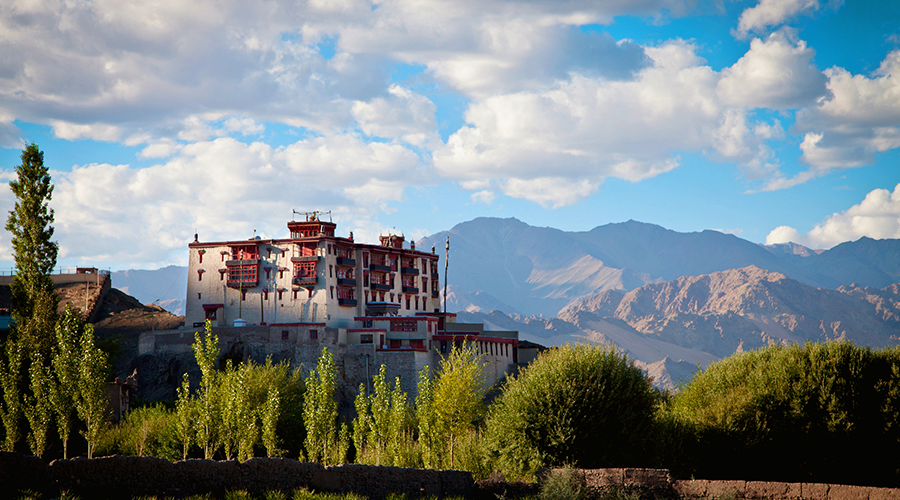
- Stok Monastery and Palace: 14 km, historical palace and 108-volume Kangyur library.
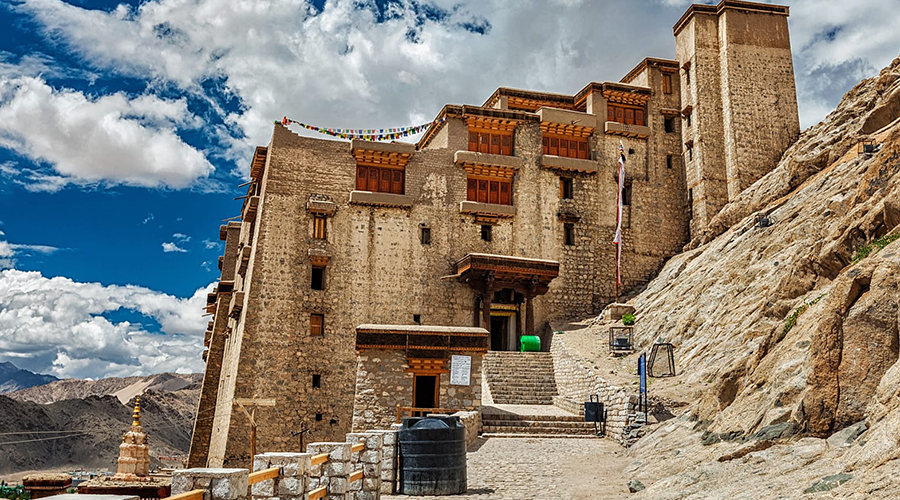
- Leh Palace: 19 km, medieval palace with panoramic views of Leh.
- Indus Valley Viewpoints: Accessible from Thiksey for stunning photography.
Quick Facts about Thiksay Monastery, Leh Ladakh
| Feature | Details |
|---|---|
| Location | Thiksey Village, Leh District, Ladakh |
| Altitude | Approx. 3,600 meters above sea level |
| Founded By | Sherab Zangpo & Palden Zangpo |
| Founded In | 15th–16th century |
| Sect | Gelugpa (Yellow Hat) |
| Resident Monks | Around 60 |
| Main Attraction | 15m Maitreya Buddha, murals, assembly halls |
| Distance from Leh | 19 km |
How to Reach Thiksey Monastery Ladakh
- By Road: 19 km from Leh town via well-maintained roads; taxis and self-drive options available.
- Nearest Airport: Leh Kushok Bakula Rimpochee Airport (19 km).
- Nearest Railway Station: No railway in Ladakh; nearest is Srinagar Railway Station (~420 km).
Thiksey Monastery is a perfect blend of spiritual heritage, cultural richness, and architectural grandeur. Its towering Maitreya Buddha, exquisite murals, and panoramic views of the Indus Valley make it a must-visit destination in Ladakh. Whether attending the colorful Gustor Festival or exploring the serene assembly halls, Thiksey offers an unforgettable experience of Ladakhi Buddhism.