Castle Of Tingmosgang, Leh Ladakh
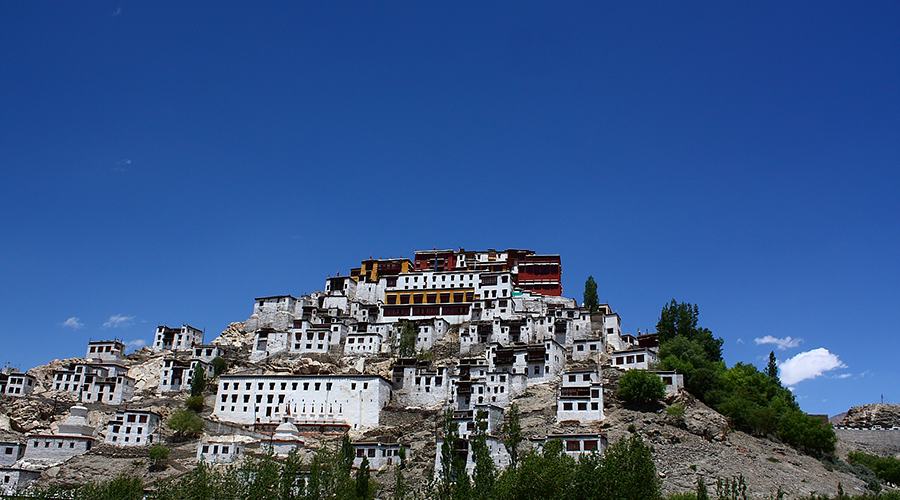
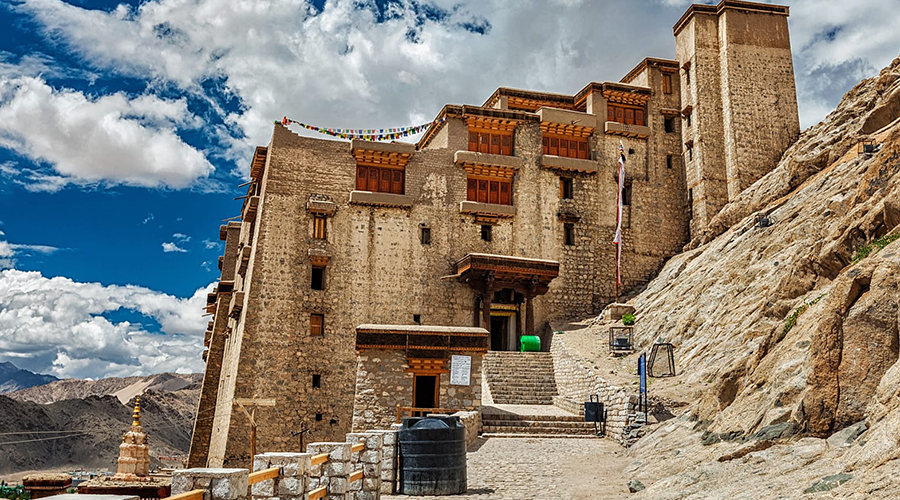
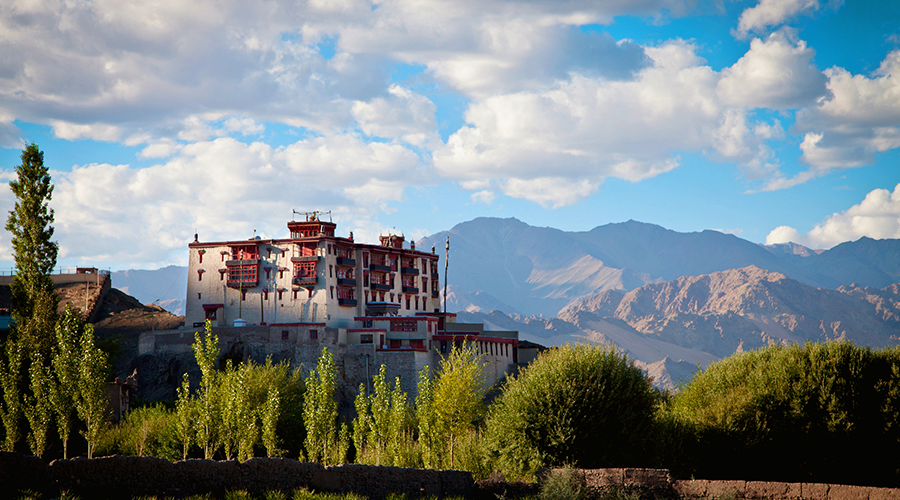
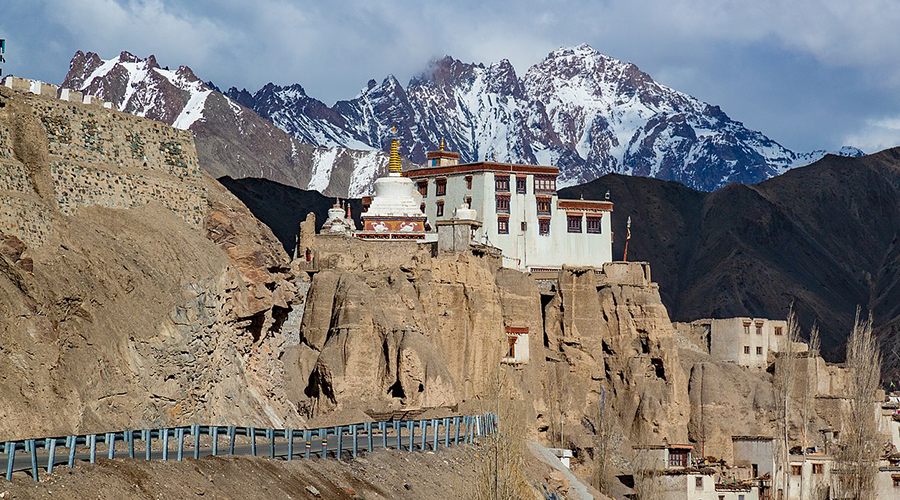
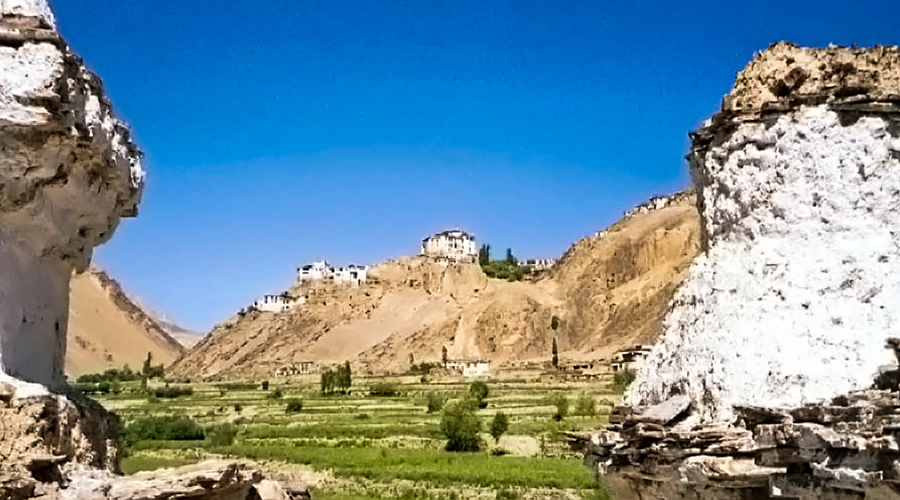
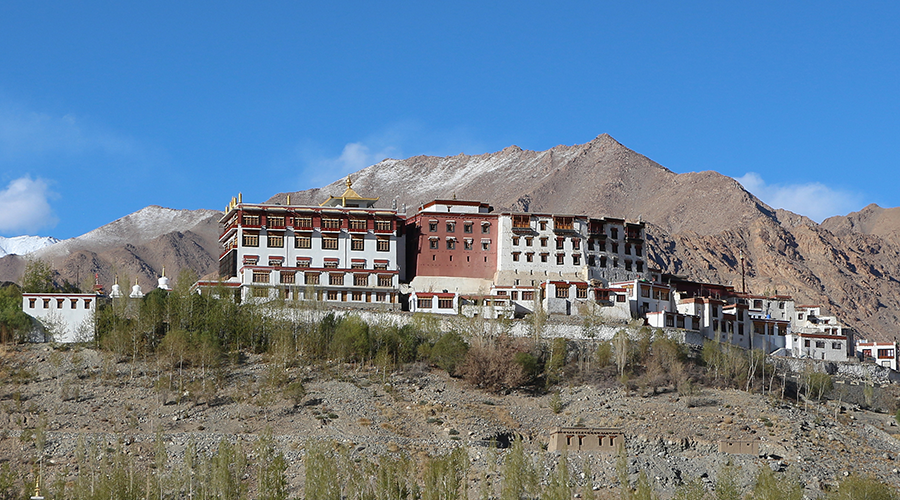
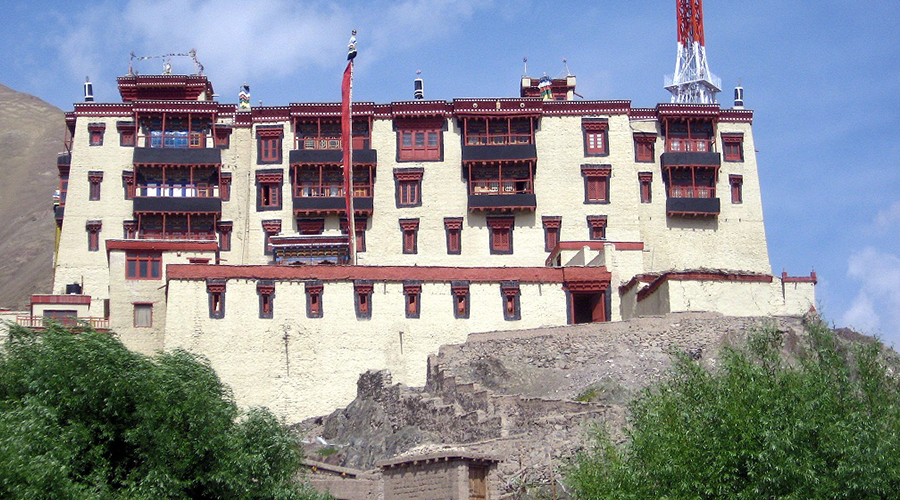
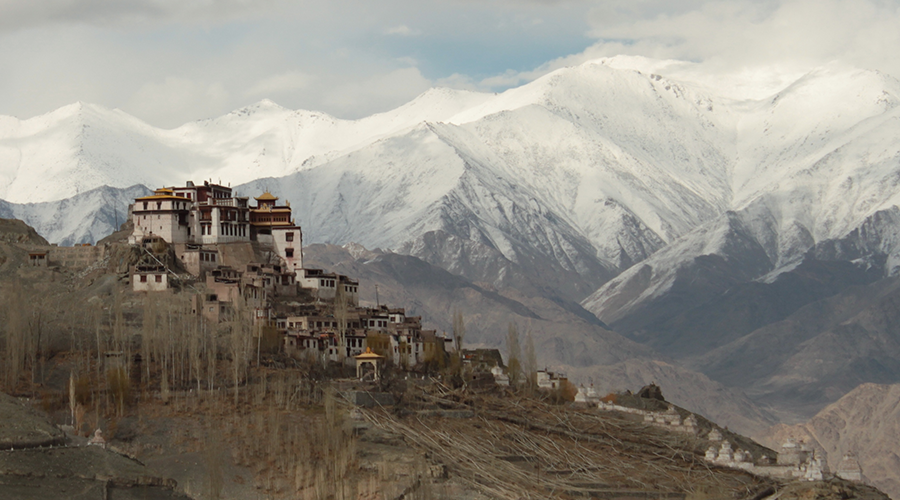
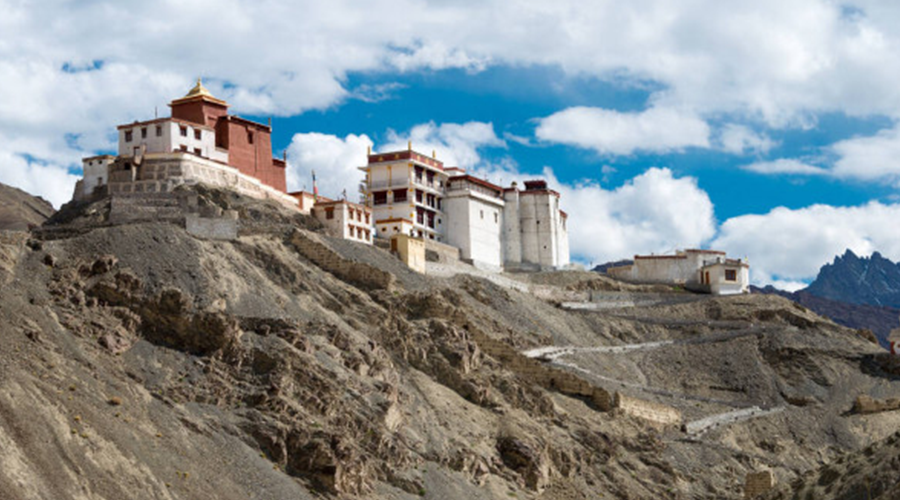
Nestled around 92 km west of Leh, the Castle of Tingmosgang stands as one of Ladakh’s most historically significant and visually stunning fortresses. Built during the 17th century, this ancient castle served as a royal residence and a symbol of Ladakh’s political and cultural heritage. Located in the beautiful Sham Valley, Tingmosgang offers a glimpse into the glorious past of Ladakh’s kings and their connection with Tibet.
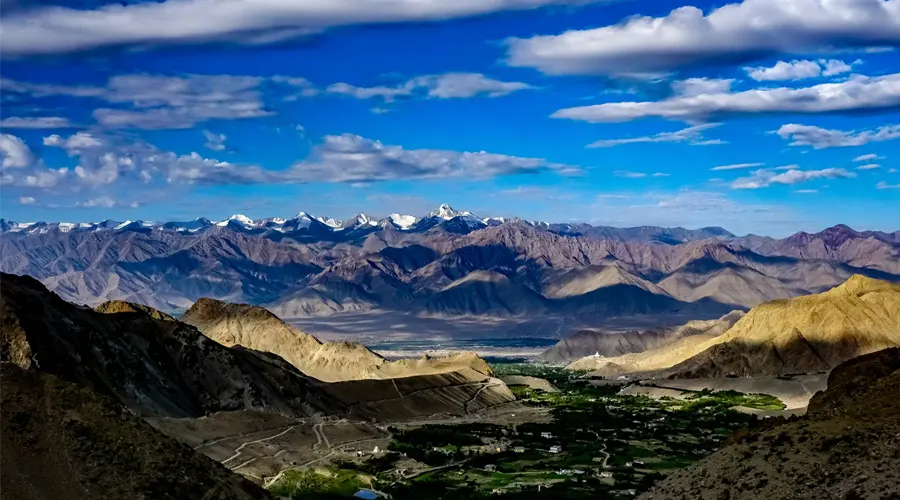
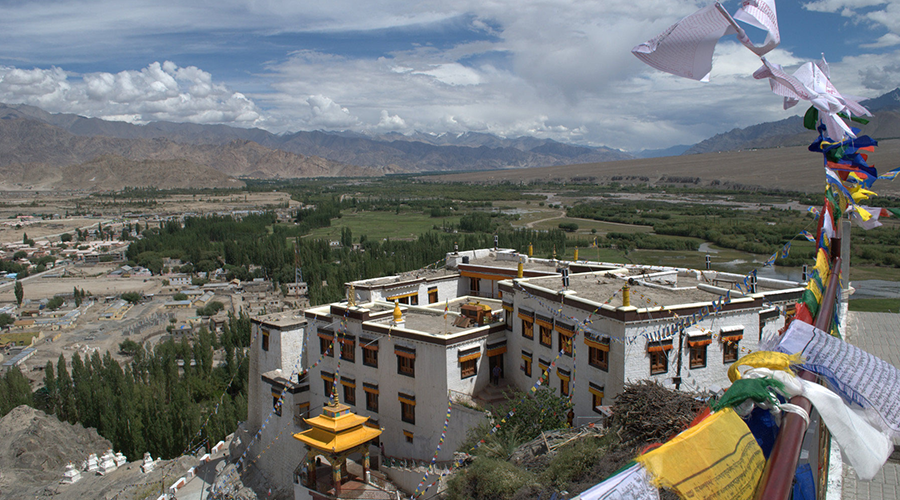
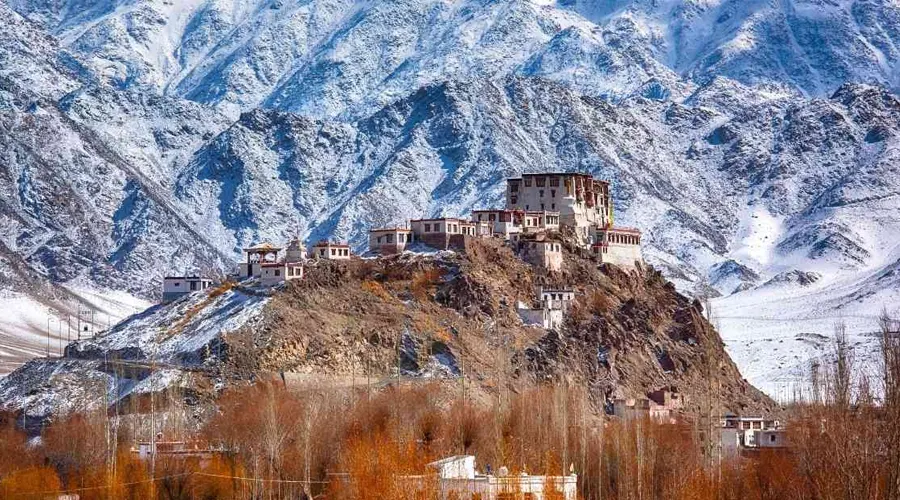
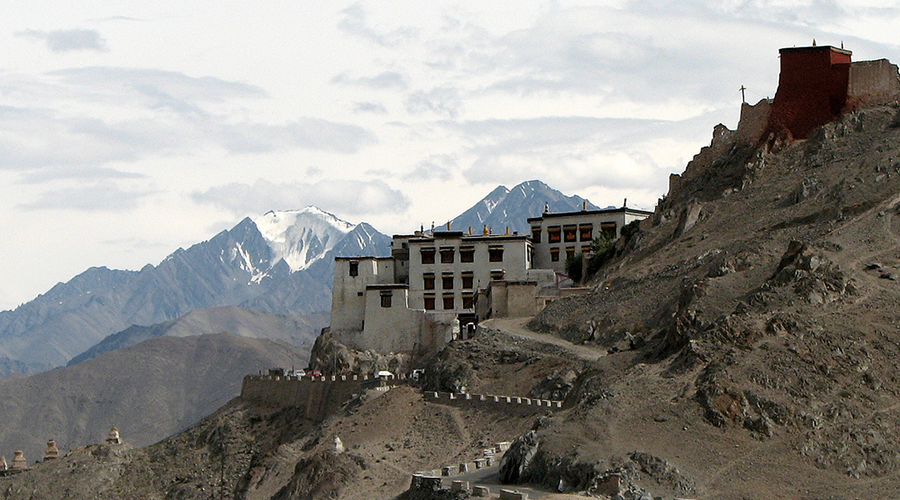
The castle is perched atop a hill overlooking the village, offering panoramic views of the Indus Valley and surrounding mountains, a sight that captivates every visitor.
History of Castle of Tingmosgang, Leh Ladakh
The Castle of Tingmosgang was constructed during the reign of King Gragspa Bum, the younger brother of King Takspa Bum-KDE, who ruled Ladakh in the 17th century. The structure became one of the region’s most prominent royal residences and a political hub during that time.
Its historical importance rose in 1684, when it became the site of the Treaty of Tingmosgang, a significant peace agreement signed between Ladakh and Tibet after a long conflict. The treaty, mediated by the Drukpa head from Bhutan, marked the boundaries between the two regions and brought lasting stability to the Trans-Himalayan area.
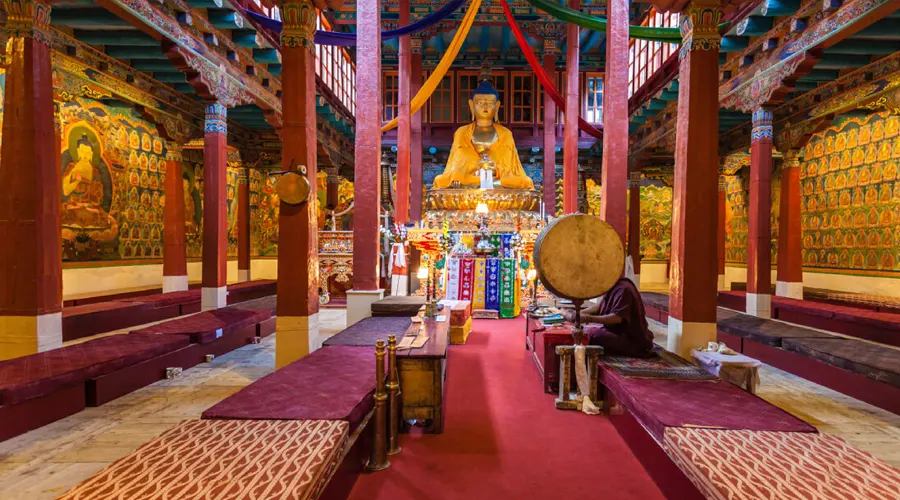
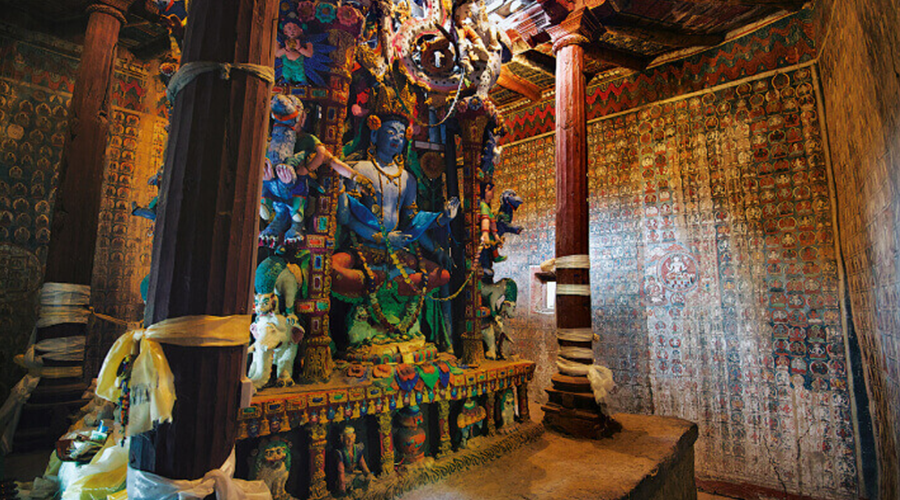
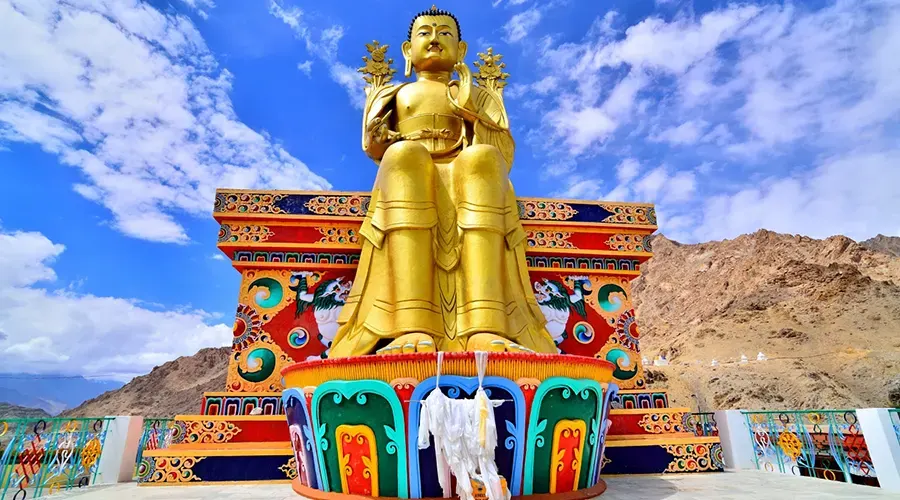
Within the castle lies a red chapel called Tsuglagkhang Marpo, which enshrines a magnificent three-story statue of Buddha Maitreya, symbolizing peace and compassion. The site also houses a revered self-originated image of Avalokiteshvara (Chenrezig), brought from Kamrup, which is considered a powerful object of merit and devotion.
Architectural Highlights & Religious Significance
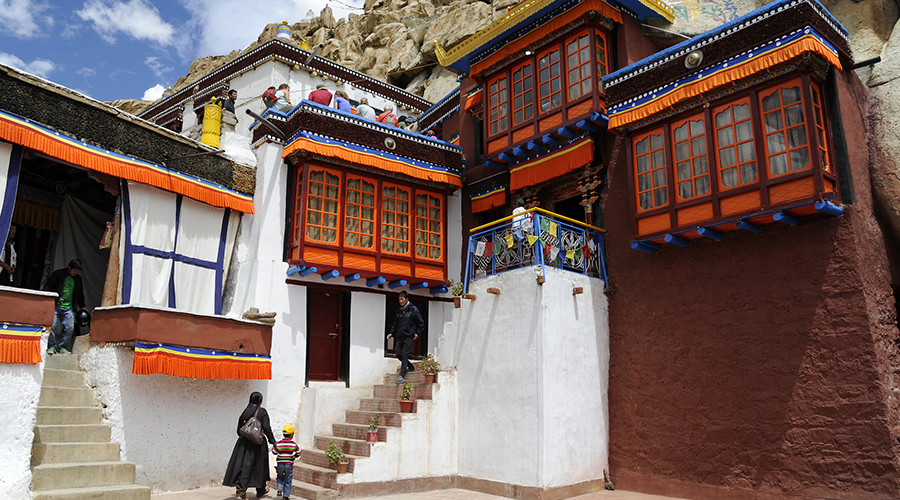
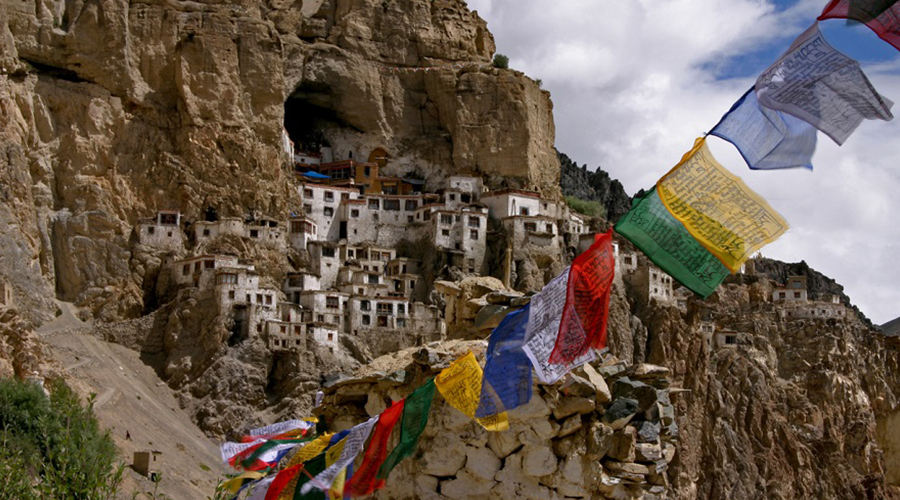
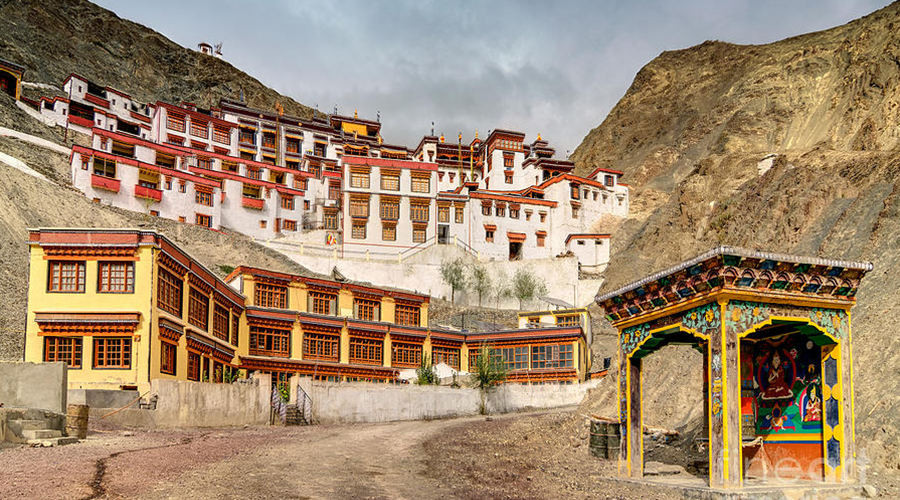
The Castle of Tingmosgang beautifully reflects the traditional Ladakhi style of architecture, made of stone, mud, and wood, blending seamlessly with its rocky surroundings.
Key highlights include:
- Tsuglagkhang Marpo (Red Chapel) with a grand image of Buddha Maitreya
- Avalokiteshvara statue brought from Kamrup - a symbol of compassion
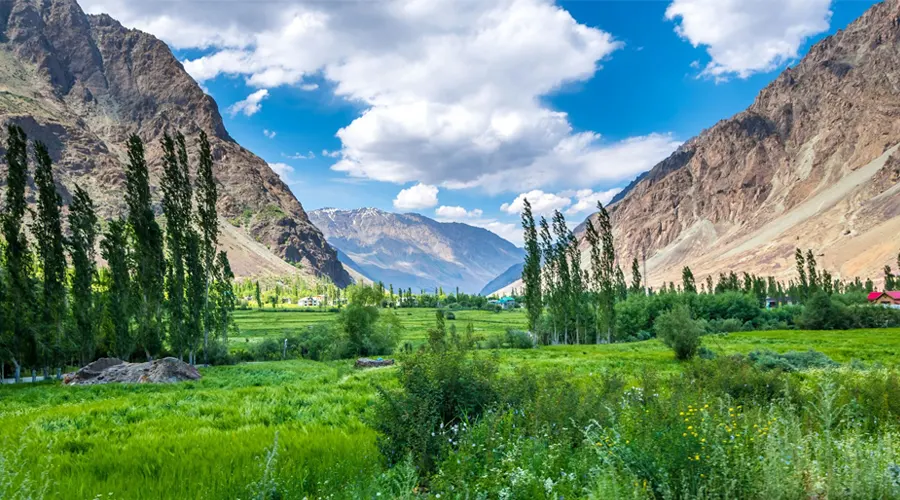
- Stunning views of Sham Valley and the Indus River
- Ancient fortification walls and royal chambers
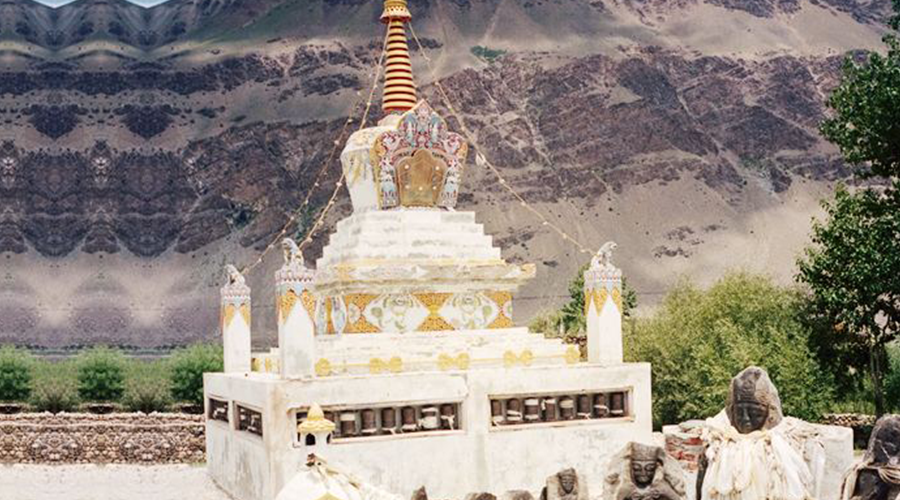
The castle remains a sacred site for both Buddhists and historians, showcasing Ladakh’s deep spiritual and cultural roots.
Itinerary for Castle of Tingmosgang & Sham Valley Tour
Day 1: Leh → Alchi → Tingmosgang
Distance: Approx. 92 km | Travel Time: 3–4 hours (one way)
Morning:
- Start your journey early from Leh after breakfast.
- Drive along the Leh–Kargil Highway, following the scenic Indus River.
- Stop en route at Magnetic Hill and Sangam Point (confluence of Zanskar and Indus rivers) for quick sightseeing and photography.
Afternoon:
- Visit the Alchi Monastery, one of the oldest monastic complexes in Ladakh, famous for its ancient wall paintings.
- Have lunch in Alchi village or a local cafe.
Evening:
- Continue towards Tingmosgang Village and check into a homestay or guesthouse.
- Visit the Castle of Tingmosgang, explore the Tsuglagkhang Marpo Chapel, and enjoy panoramic views of Sham Valley from the top.
- Interact with locals to learn about the Treaty of Tingmosgang (1684) and its historical importance.
Overnight Stay: Tingmosgang village homestay or nearby guesthouse.
Day 2: Tingmosgang → Likir → Basgo → Leh
Morning:
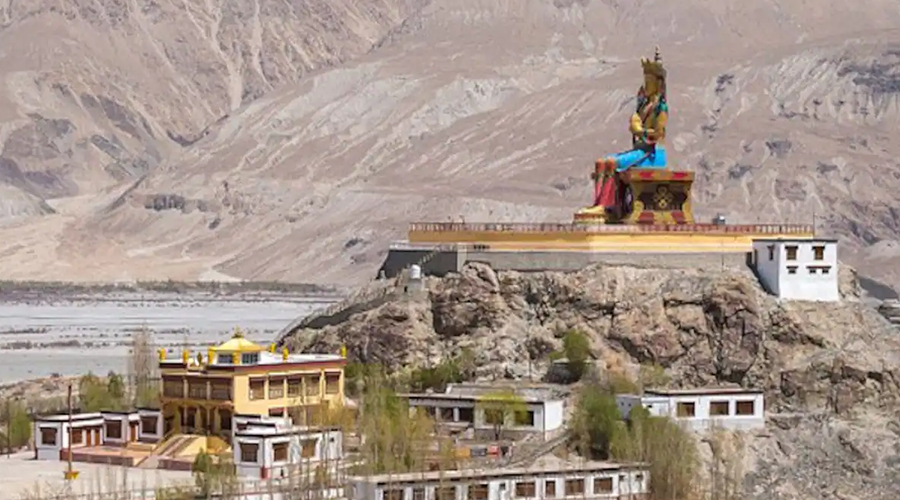
- After breakfast, drive to Likir Monastery (approx. 30 km) known for its massive open-air Buddha statue and spiritual serenity.
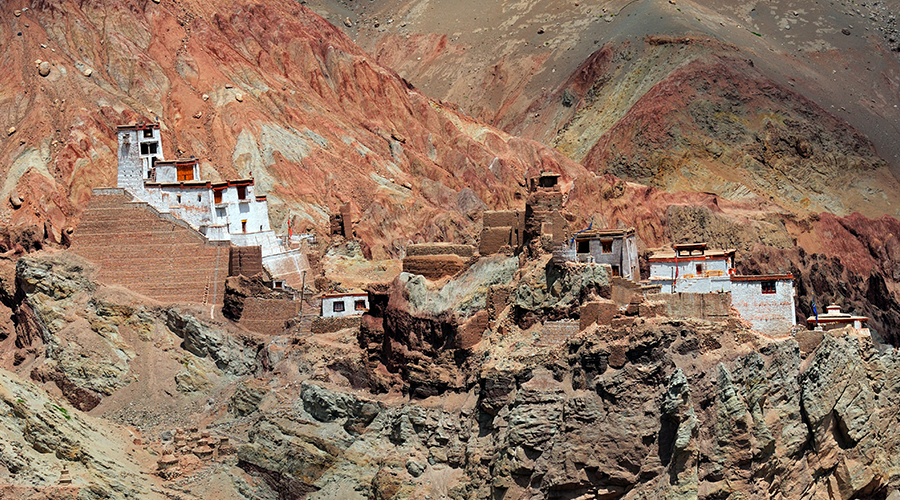
- Continue your journey toward Basgo Fort, another historic fortress offering beautiful views and a glimpse of Ladakhi heritage.
Afternoon:
- Enjoy lunch in Uleytokpo village or Nimmu.
- Relax by the Indus River, ideal for photography and quiet moments in nature.
Evening:
- Drive back to Leh by sunset.
- Optional stops at Hall of Fame Museum or Spituk Monastery if time permits.
Overnight Stay: Leh
Optional Add-ons
If you have more time, extend your trip with:
- Day 3: Visit Lamayuru Monastery (famous for Moonland landscapes).
- Day 4: Explore Rizong Monastery or camp in Uleytokpo for stargazing.
Best Time to Visit
The best time to visit Tingmosgang Castle is from June to September, when the weather is pleasant and roads remain open. During winter, heavy snowfall can make access difficult.
| Month | Weather | Travel Recommendation |
|---|---|---|
| June – September | Pleasant & clear skies | Ideal for sightseeing |
| October – March | Cold & snowy | Avoid due to harsh weather |
Nearby Attractions
| Attraction | Distance | Highlights |
|---|---|---|
| Alchi Monastery | 20 km | Ancient murals & monastic art |
| Likir Monastery | 30 km | Majestic Buddha statue |
| Basgo Fort | 40 km | Ruins of another historic Ladakhi fort |
| Uleytokpo Village | 15 km | Scenic camping and eco-resorts |
| Lamayuru Monastery | 60 km | One of Ladakh’s oldest monasteries |
Travel Tips
- Carry enough water and snacks - facilities are limited near the castle.
- Wear comfortable walking shoes for the uphill climb.
- Photography is allowed, but always respect local customs and monks’ privacy.
- Acclimatize in Leh before traveling to higher altitudes.
- Visit early morning or evening for the best light and peaceful ambiance.
Quick Facts – Castle of Tingmosgang, Ladakh
| Feature | Details |
|---|---|
| Location | Tingmosgang Village, Sham Valley, Ladakh |
| Distance from Leh | ~92 km west |
| Built By | King Gragspa Bum |
| Built In | 17th Century |
| Altitude | ~3,200 meters |
| Significance | Site of 1684 Ladakh–Tibet Treaty |
| Key Attraction | Tsuglagkhang Marpo Chapel with Maitreya Buddha |
| District | Changthang District, Ladakh (post-2024 reorganization) |
| Best Time to Visit | June – September |
How to Reach Castle of Tingmosgang, Ladakh
- By Air: The nearest airport is Kushok Bakula Rimpochee Airport, Leh (approx. 92 km).
- By Road: Tingmosgang is easily accessible by road from Leh via Basgo and Alchi. You can hire a taxi or drive through the Leh–Kargil highway.
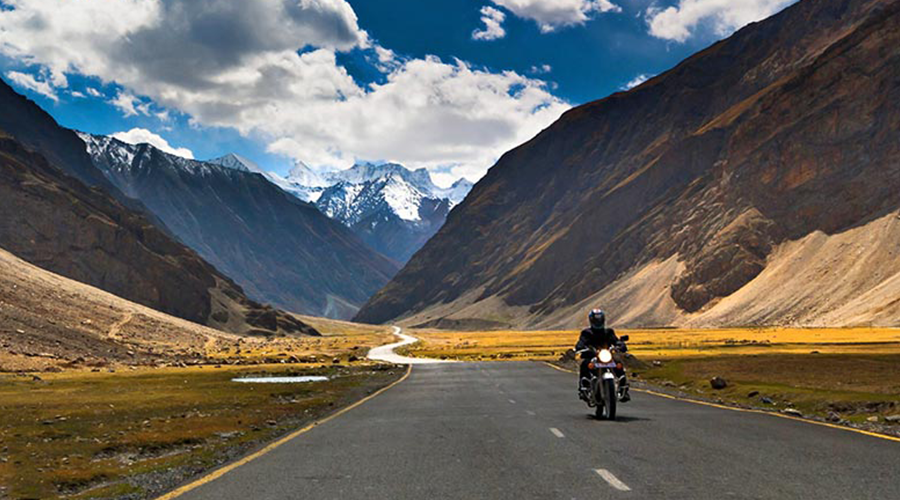
- By Bike: A scenic route for bikers exploring Sham Valley or Leh–Kargil circuit.
The Castle of Tingmosgang stands as a timeless symbol of Ladakh’s royal legacy and spiritual strength. From being a strategic fortress and royal residence to witnessing a historic peace treaty, Tingmosgang embodies centuries of cultural and political evolution.
For travelers exploring Ladakh’s Sham Valley, this castle offers a rare combination of history, spirituality, and scenic beauty, making it a must-visit destination on your Ladakh itinerary.