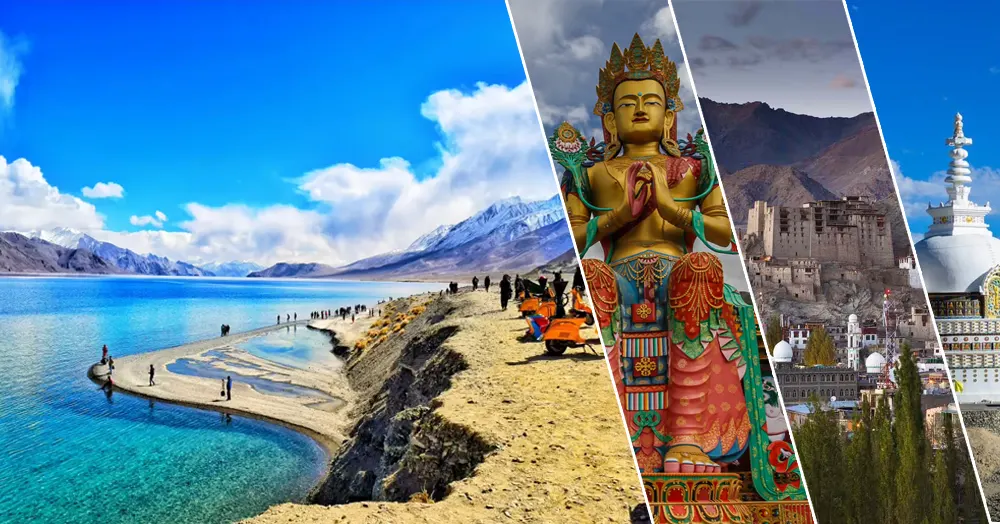
Phyang Monastery, Leh Ladakh
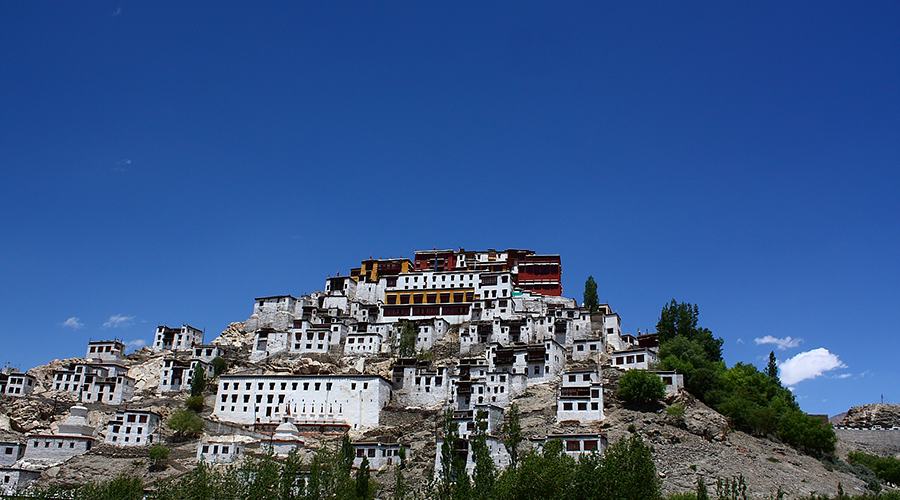
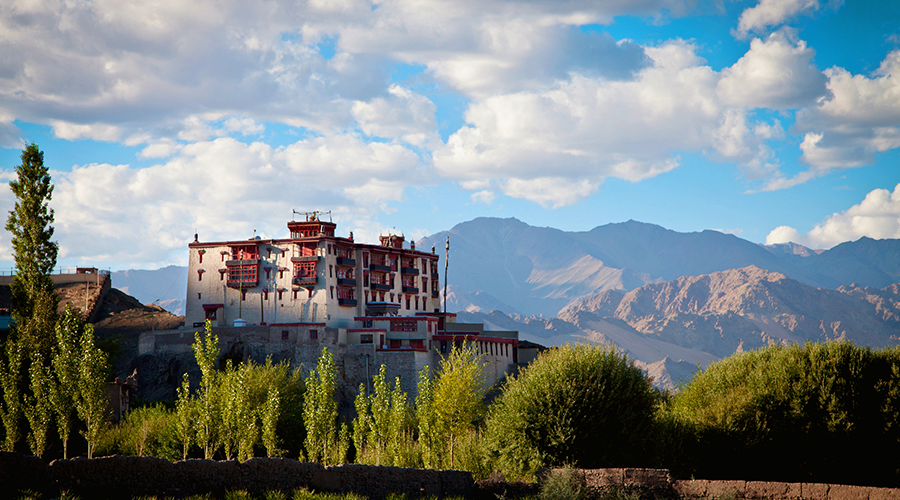
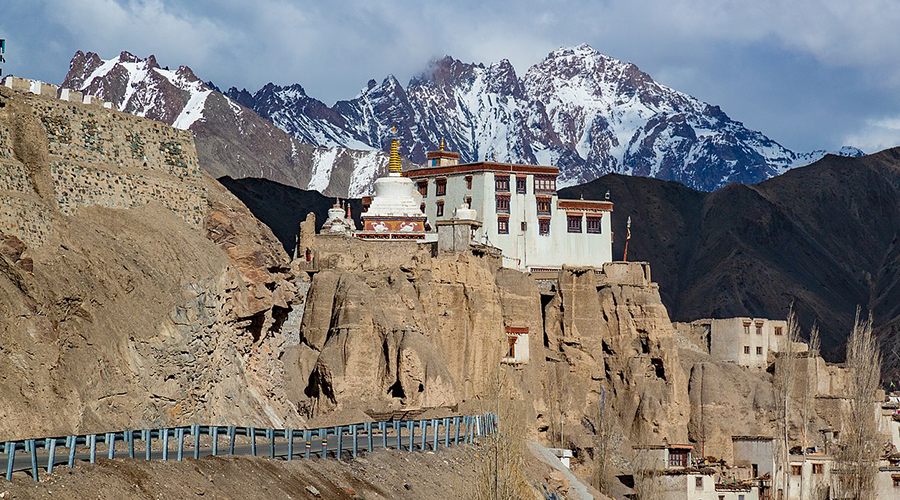
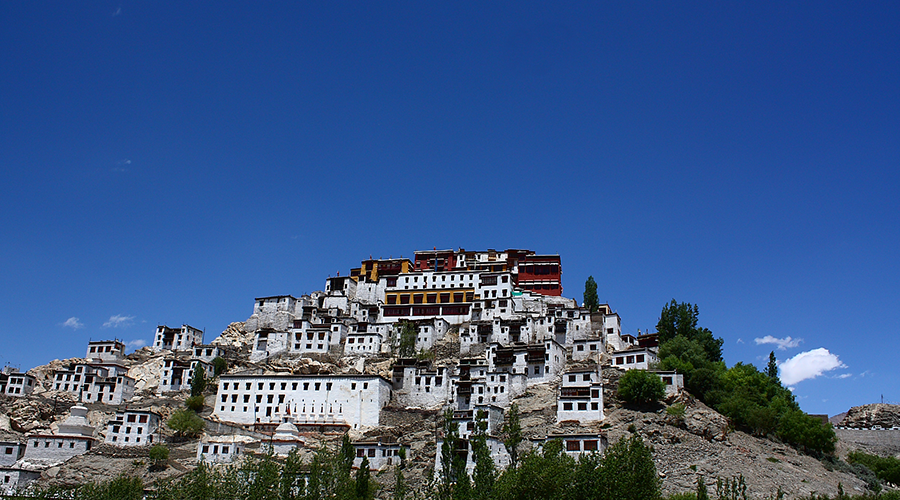
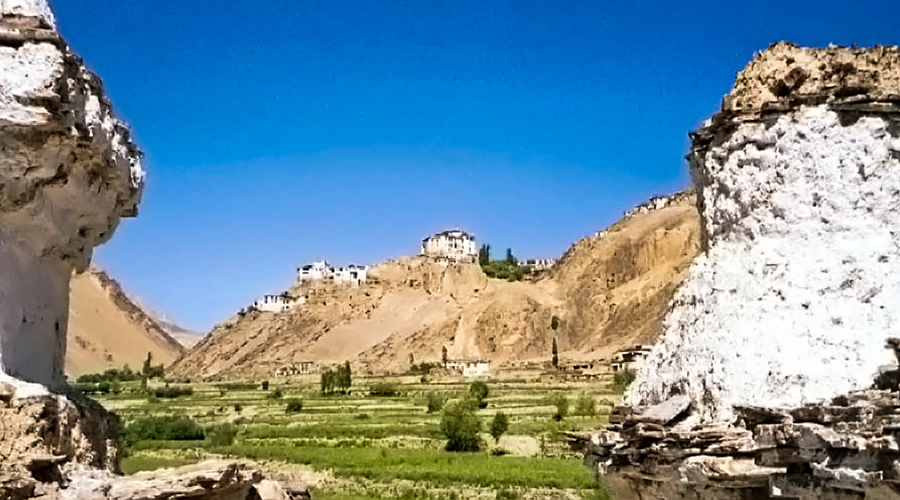
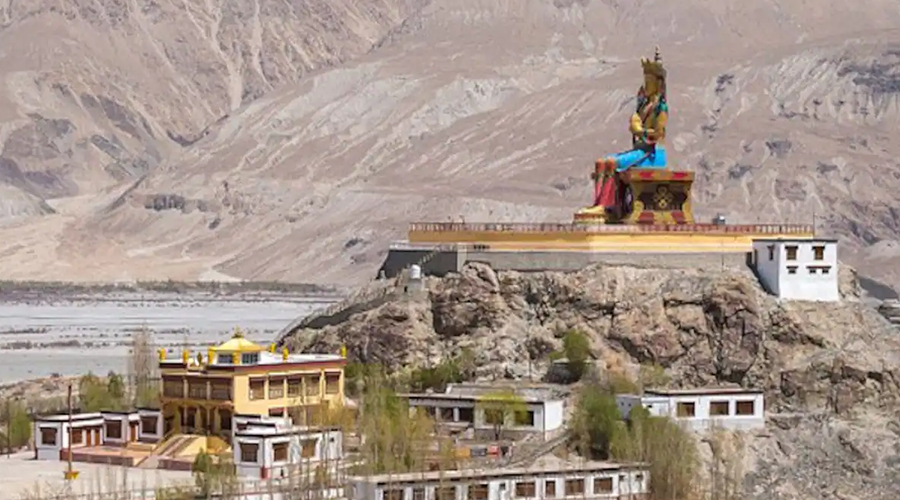
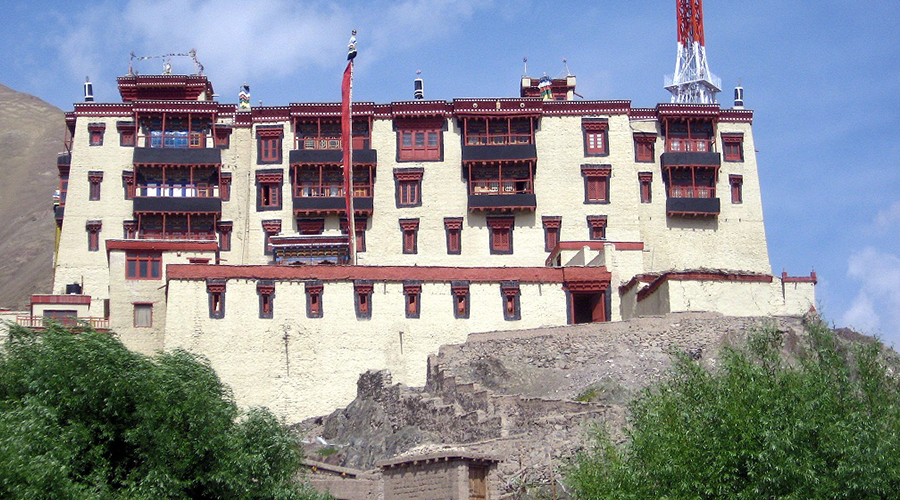
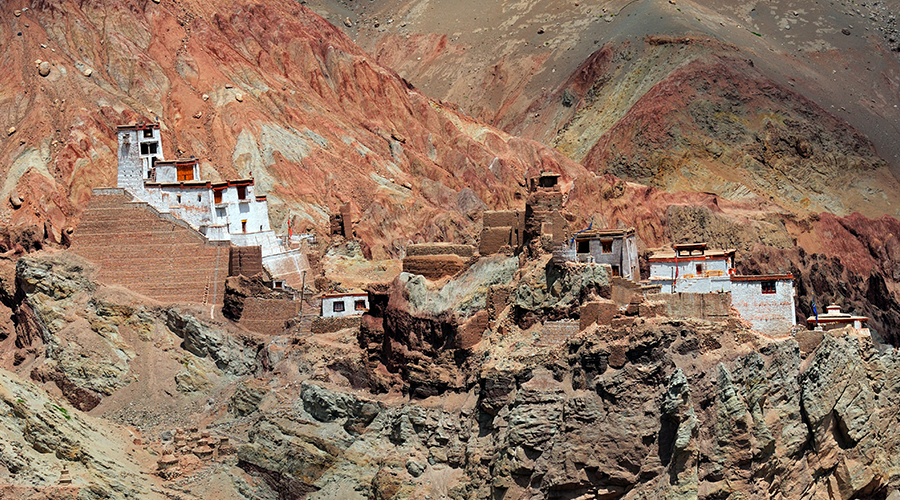
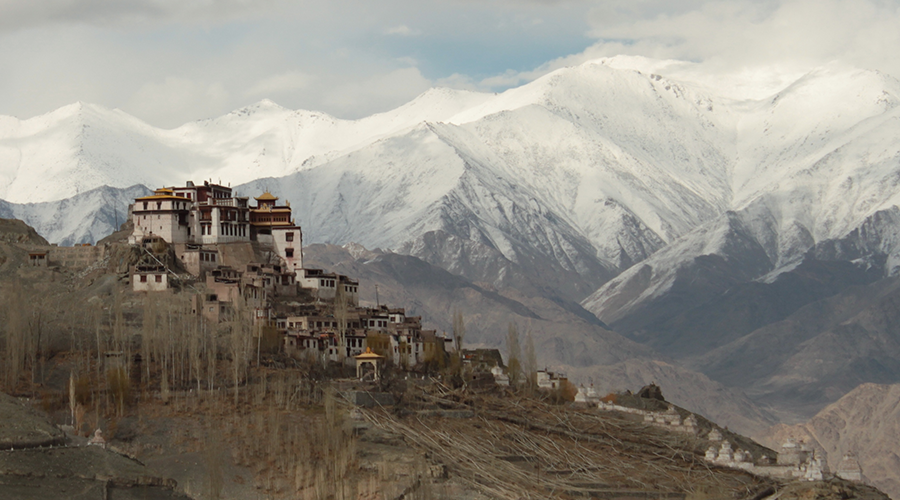
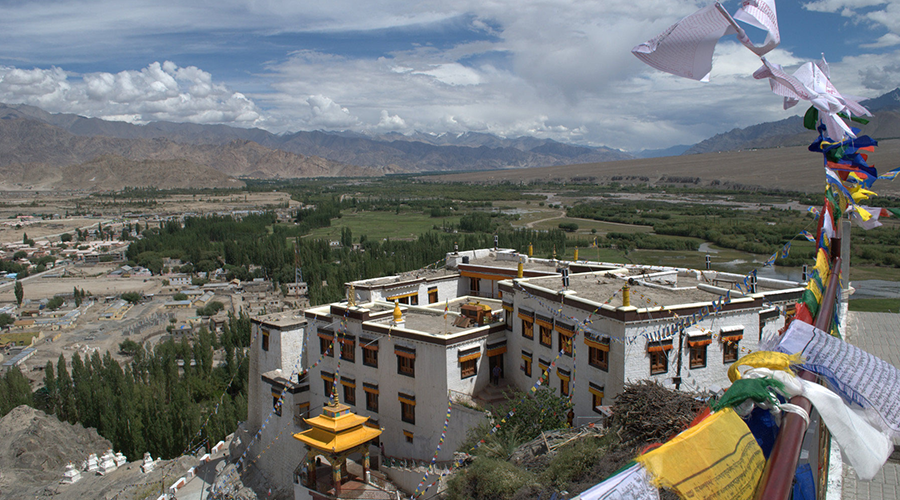
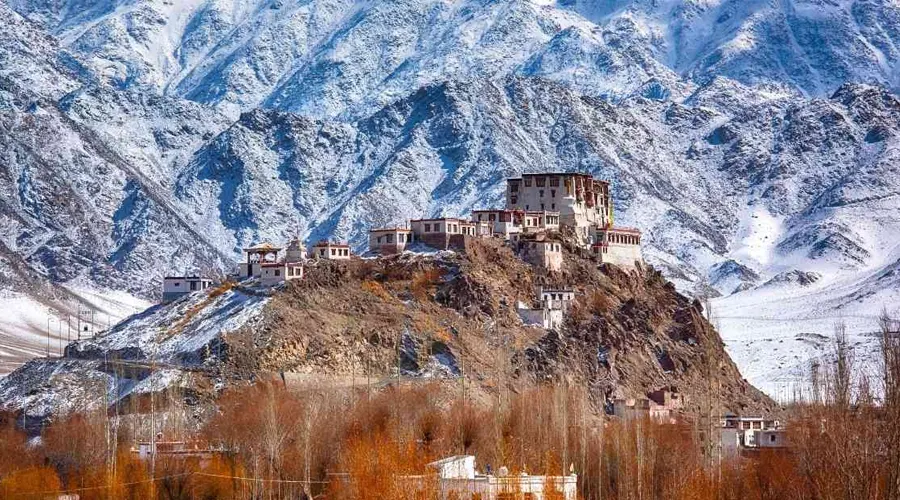
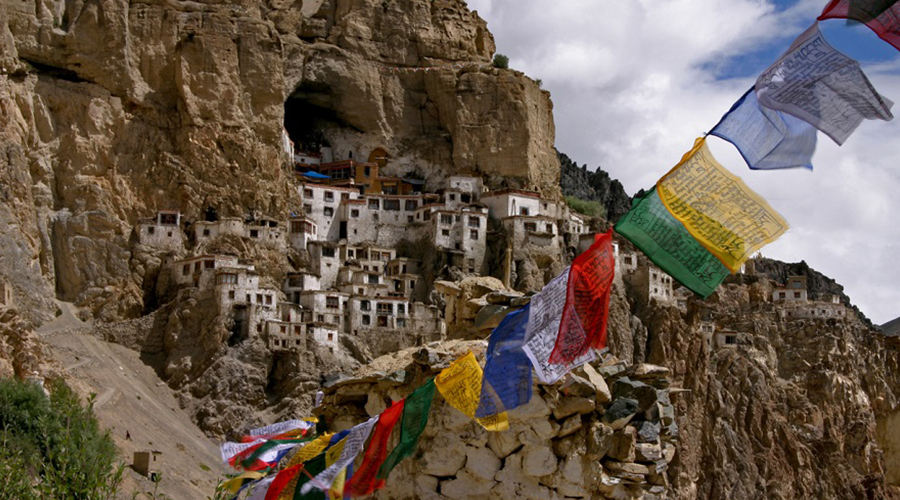
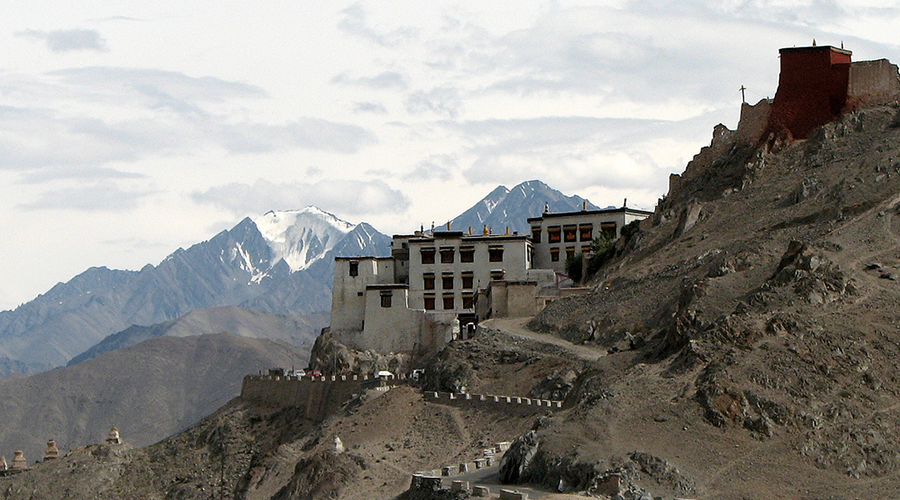
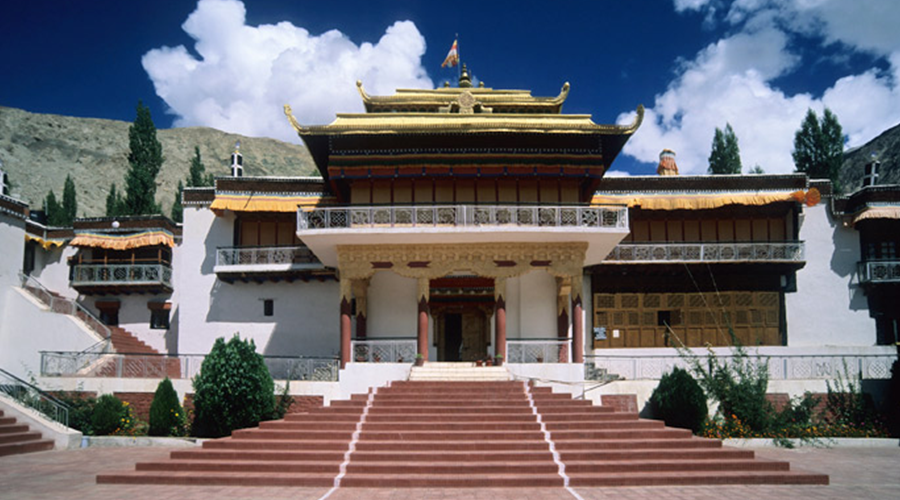
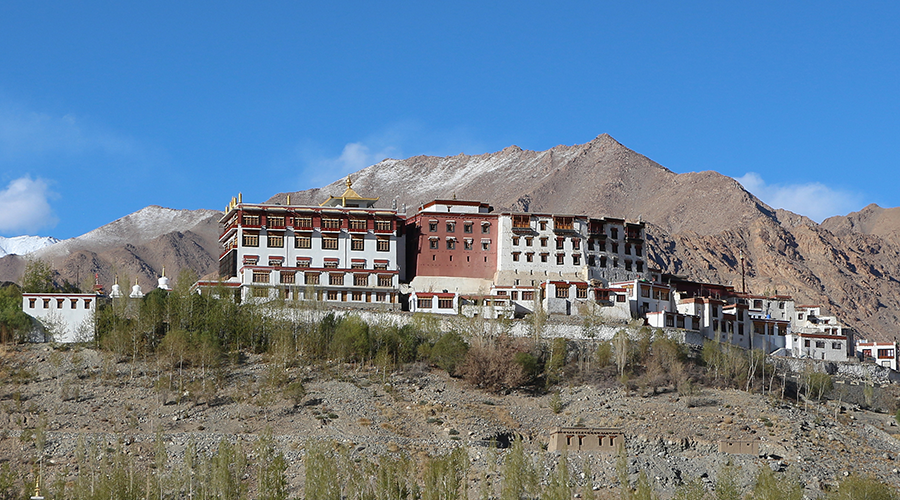
Phyang Monastery or Gangon Tashi Chodzong is a famous Buddhist institution in Ladakh. The place shares a distance of 20 km from the west of Leh. The name ‘Phyang monastery’ has been derived from “Gang Ngonpo” or the blue mountain. The very monastery was constructed in the 16th century by Choje Denma Drakpa.
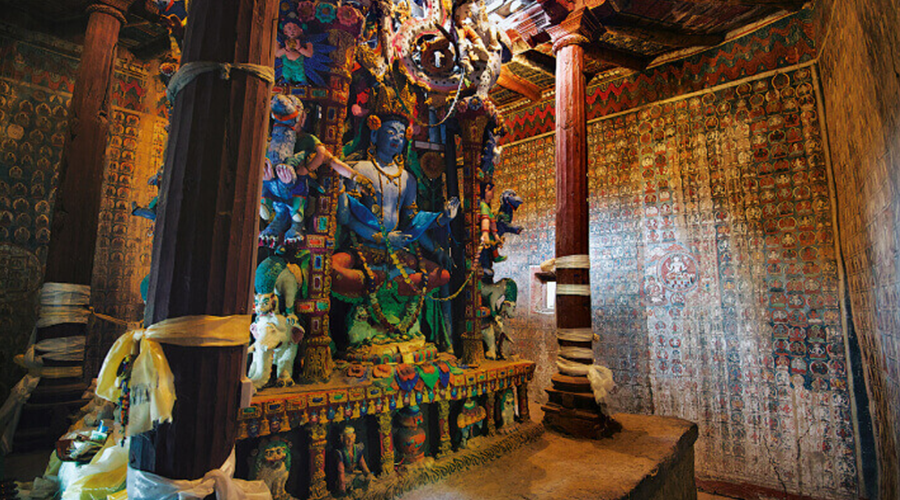
The 21st Dharma King of Ladakh Chogyal Tashi Namgyal sponsors the monastery as he was the disciple of Choje Denma Drakpa. The area where the monastery stands today once was under the royal property and was gifted to Denma Kunga Drakpa. Phyang monastery is a Buddhist center and belongs to the sect of red hat. The large temple premises include the accommodation of plenty of holy shrines inside the temple complex. These shrines feature spectacular wall paintings and artwork dating back to the royal period.
History of Phyang Monastery, Leh Ladakh
Founded in 1500 AD by King Lkra-Shis-Namgyal, the founder of the Namgyal dynasty, Phyang Monastery was established after his victory over the last Lha-Chen rulers. The king filled the monastery with priceless thankas, statues, and sacred Buddhist texts such as the Kandshur (the translated word of Buddha) and the Tandshur (225-volume commentary compiled by Bu-Ston between 1290–1364 AD).
Over 100 monks live here today, and the monastery remains a major learning center of the Red-Hat (Drikung Kagyu) tradition. Much of the monastery was renovated in 1975 under the guidance of the head lama, who had studied in Lhasa for eight years.
Architecture and Structure
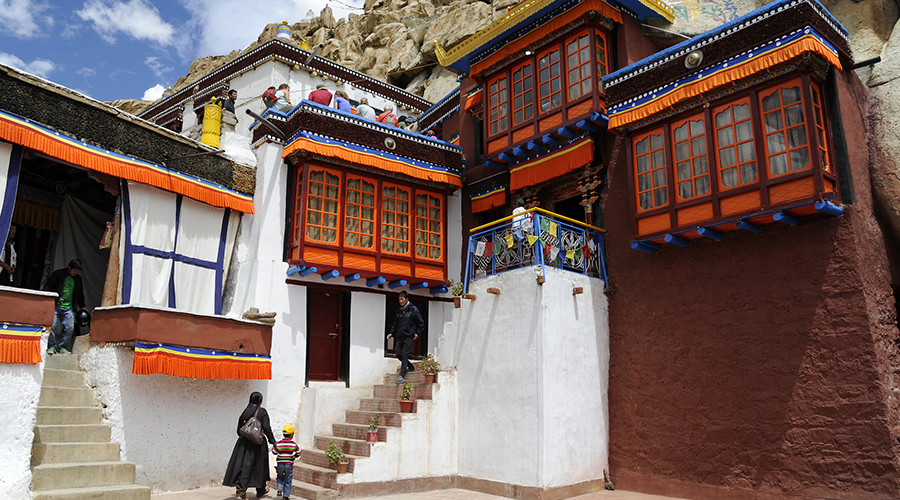
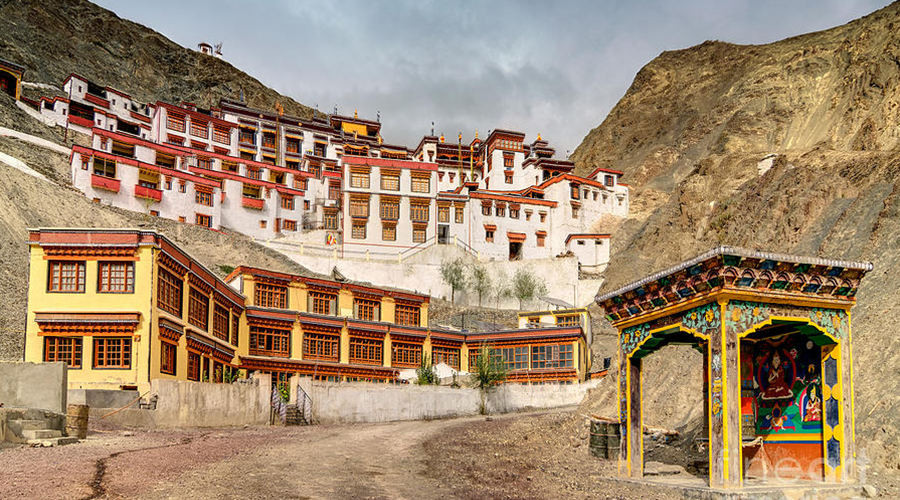
The architectural style of Phyang Monastery blends Tibetan Buddhist influences with ancient Ladakhi craftsmanship.
Visitors reach the main courtyard through several narrow stairways. At its center stands a tall prayer flag pole, symbolizing spiritual ascension.
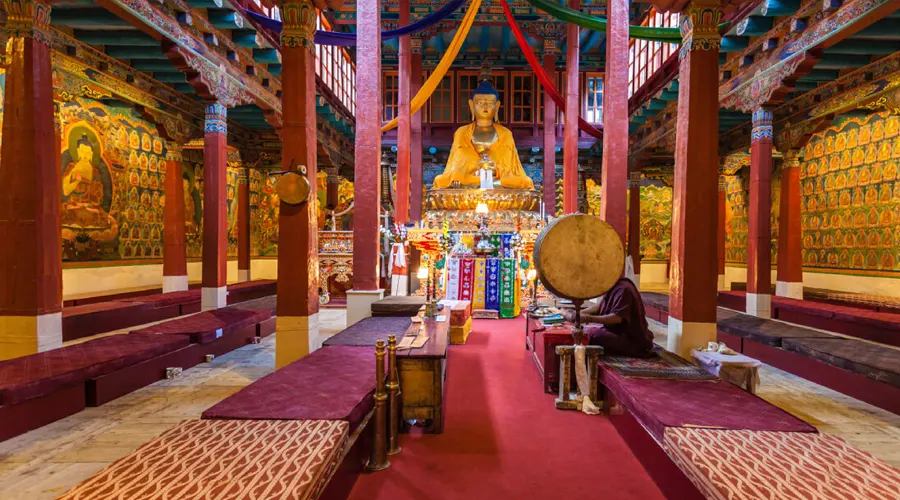
The Dukhang (Assembly Hall) features vibrant murals of the Guardians of the Four Directions, while the glass-enclosed sanctuary houses a statue of Amitabha (Buddha of Infinite Light).
Key highlights include:
- A 1,000-armed statue of Avalokitesvara, representing compassion.
- Images of Tilopa, Maitreya, and Sakyamuni (the Historical Buddha).
- Intricate murals of Vajradhara, Five Supreme Buddhas, and Thousand Buddhas motifs.
- A four-story-high Thanka (religious scroll), displayed during the Phyang Festival in August.
Suggested Itinerary for Phyang Monastery Visit
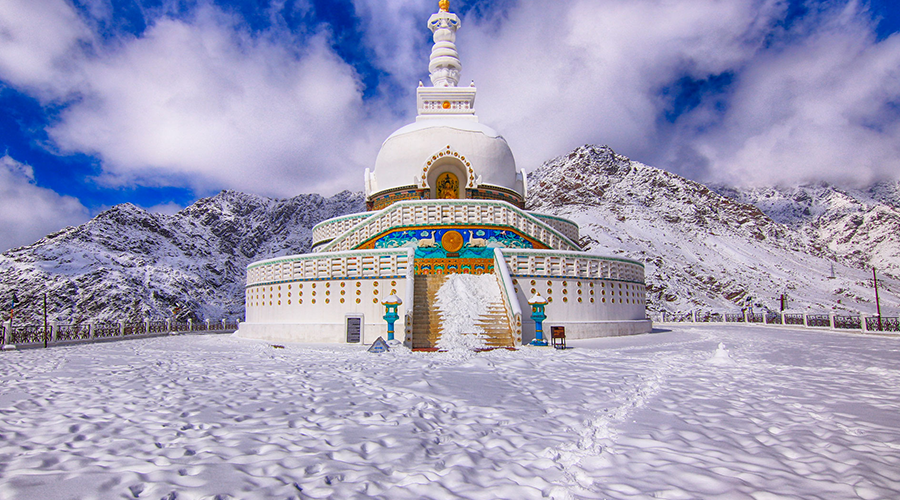
Day 1: Arrive in Leh and acclimatize. Visit Leh Palace, Shanti Stupa, and local markets.
Day 2: Take a short drive (20 km / 40 min) from Leh to Phyang Village. Explore the monastery complex, assembly hall, murals, and ancient texts.
Day 3: Attend the Phyang Tsedup Festival (if visiting in August) or continue your exploration of nearby monasteries like Spituk and Likir before returning to Leh.
Nearby Attractions to Phyang Monastery, Leh Ladakh
- Spituk Monastery – 15 km from Phyang; known for its Gelug sect and festival.
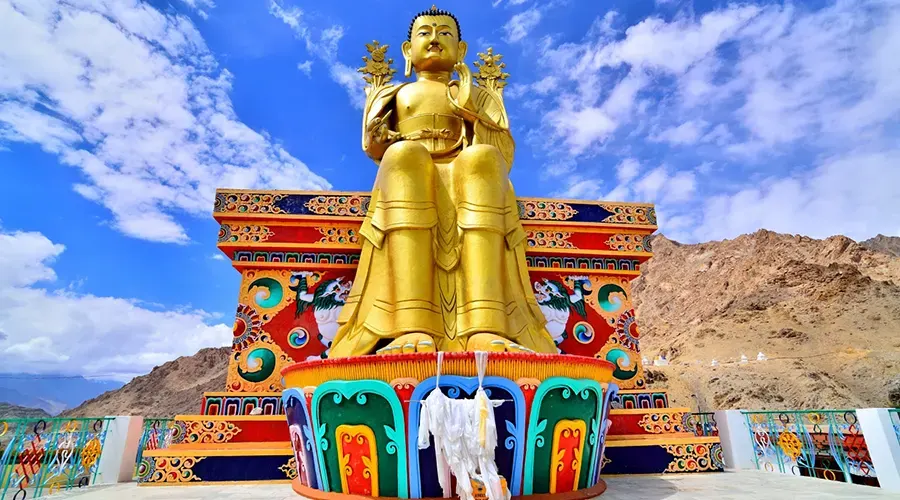
- Likir Monastery – 25 km away, home to a 75-ft golden Buddha statue.
- Alchi Monastery – One of Ladakh’s oldest, famous for Kashmiri-influenced wall paintings.
- Basgo Palace – Ancient fortress ruins located between Leh and Alchi.
- Magnetic Hill – Unique optical illusion spot near the Leh–Kargil highway.
Best Time to Visit
| Month | Season | Experience |
|---|---|---|
| April – June | Summer | Pleasant weather and clear roads |
| July – September | Monsoon | Ideal for attending Phyang Tsedup Festival |
| October – March | Winter | Cold, serene atmosphere (restricted access) |
Travel Tips for Phyang Monastery
- Acclimatization: Spend at least a day in Leh to acclimatize to the high altitude (3,500+ meters) before visiting Phyang.
- Clothing: Carry warm layers, even in summer, as the weather can be unpredictable.
- Footwear: Wear comfortable shoes suitable for walking and small stair climbs within the monastery.
- Respect: Remove shoes before entering prayer halls, and avoid loud talking near sacred areas.
- Photography: Photography is allowed in certain areas, but always ask permission for indoor or sacred spaces.
- Best Time: Visit between April and September for pleasant weather; August is ideal for attending the Phyang Festival.
How to Reach Phyang Monastery
- From Leh: Phyang Monastery is located 20 km west of Leh, roughly a 40-minute drive via Leh–Srinagar highway.
- By Taxi: Taxis or shared cabs from Leh are the easiest way to reach the monastery.
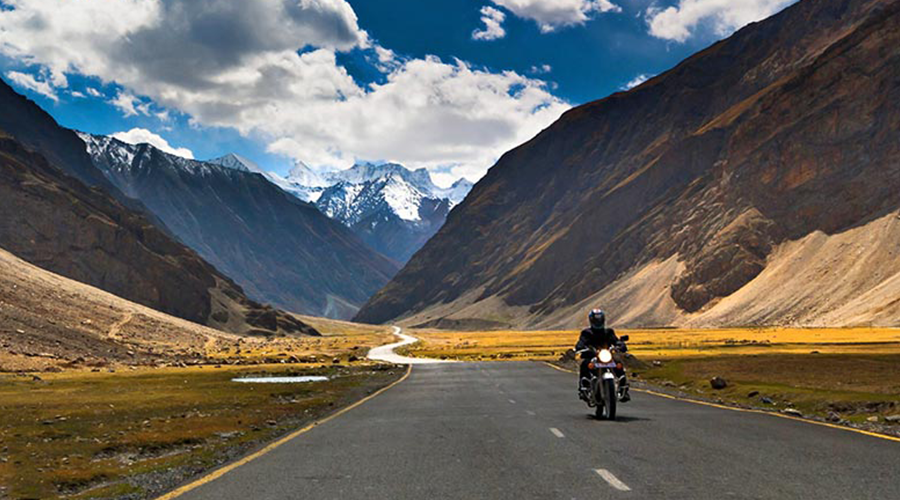
- By Bike: Many travelers prefer renting bikes for a scenic ride from Leh to Phyang.
- Nearby Stops: En route, you can visit Magnetic Hill, Sindhu Ghat, or Spituk Monastery for a more comprehensive tour.
Quick Facts – Phyang Monastery
| Feature | Details |
|---|---|
| Location | Phyang Village, 20 km west of Leh, Leh District, Ladakh |
| Altitude | Approx. 3,500 meters above sea level |
| Founded By | Choje Denma Drakpa (16th century) |
| Sect | Red-Hat Sect (Drikung Kagyu) |
| Resident Monks | Over 100 |
| Main Attraction | 4-story Thanka, Amitabha and Avalokitesvara statues, murals |
| Annual Festival | Phyang Tsedup Festival (August) |
| Entry Fee | Free (donations welcome) |
| Best Time to Visit | April – September |
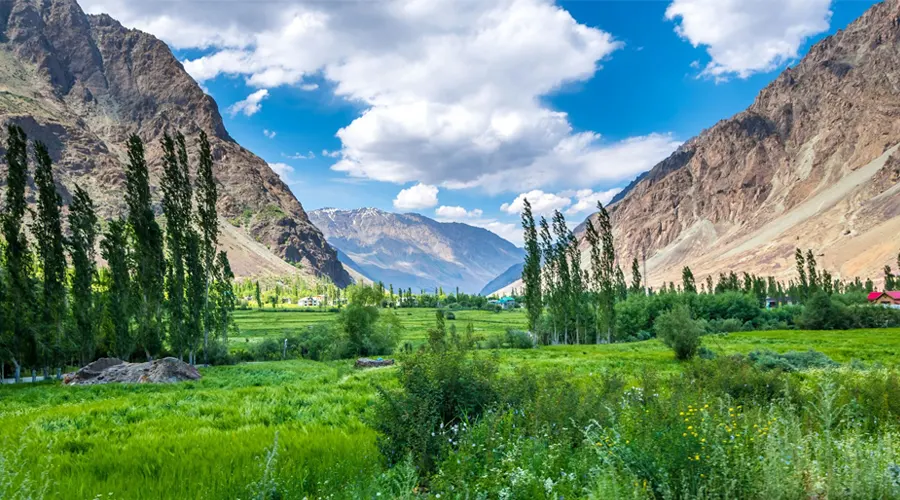
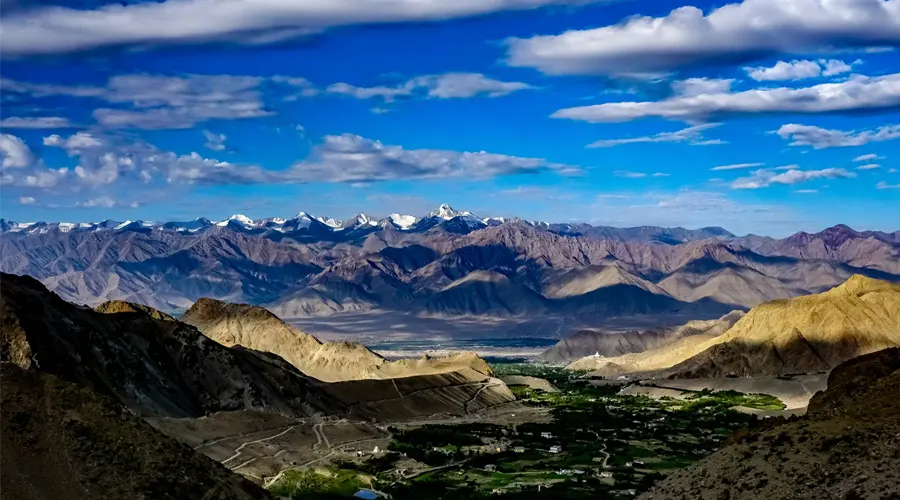
Phyang Monastery is a must-visit spiritual and cultural landmark in Leh Ladakh, offering visitors a glimpse into the rich heritage of the Red-Hat (Drikung Kagyu) sect of Tibetan Buddhism. From its ancient murals, sacred statues, and priceless thankas to the vibrant annual festival, the monastery provides a serene and spiritually enriching experience. Nestled amidst the scenic blue mountains and accessible via a short drive from Leh, Phyang Monastery is perfect for travelers seeking history, architecture, and a peaceful retreat in the heart of Ladakh