Phugtal Monastery, Leh Ladakh
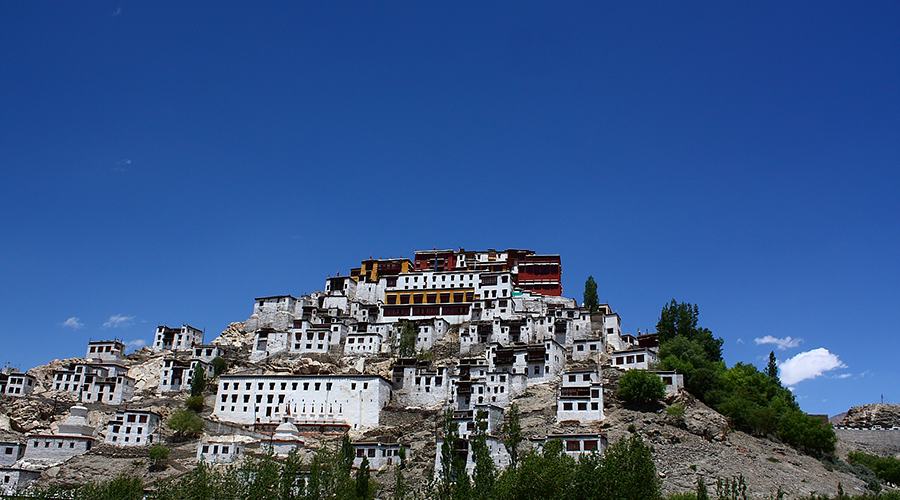
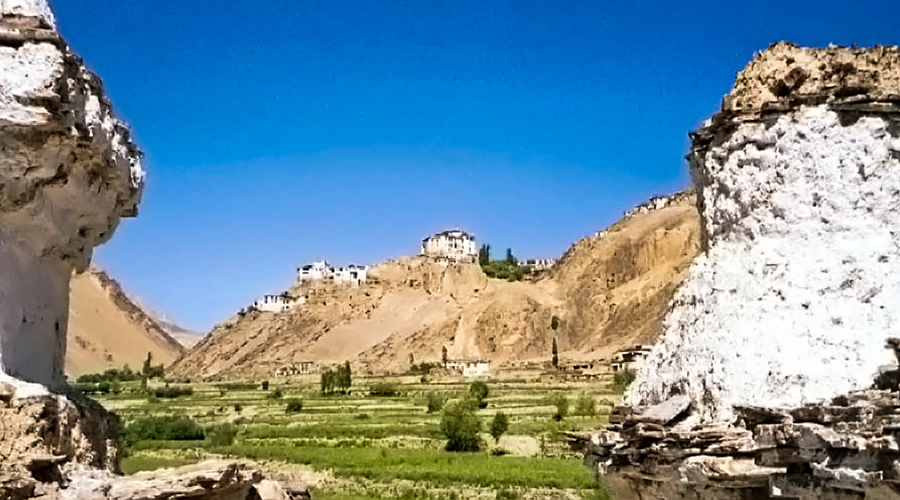
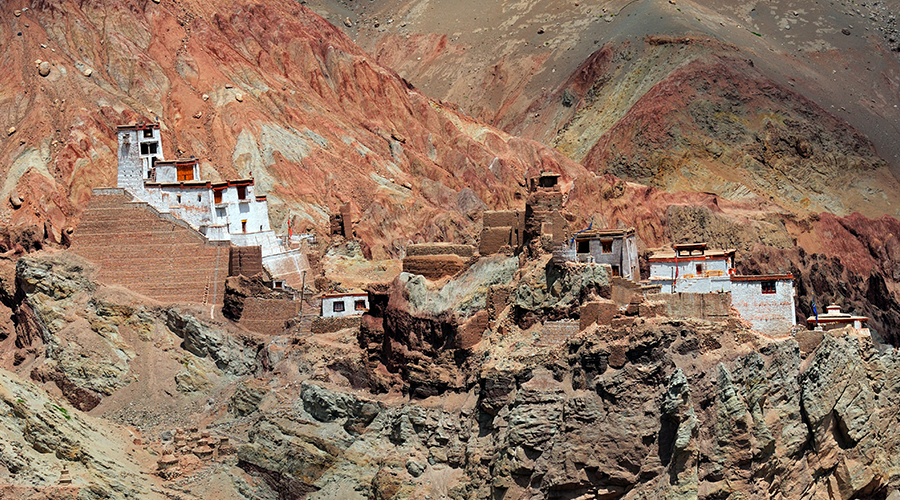
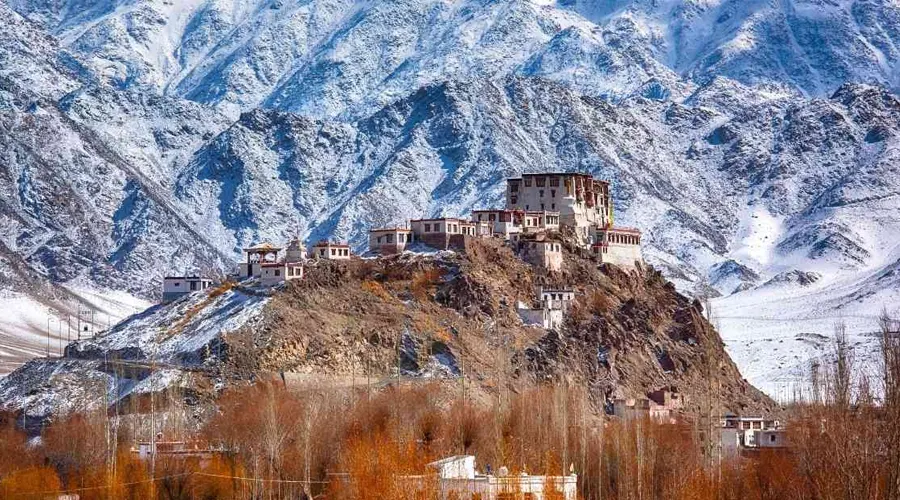
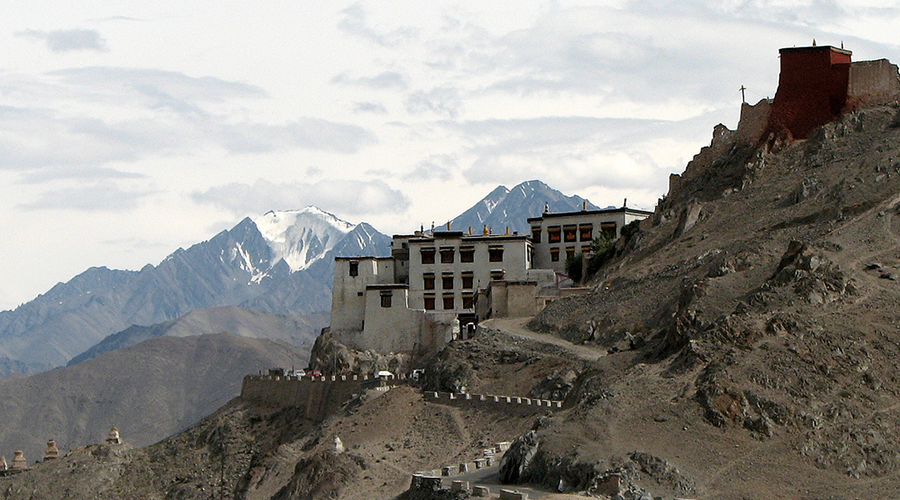
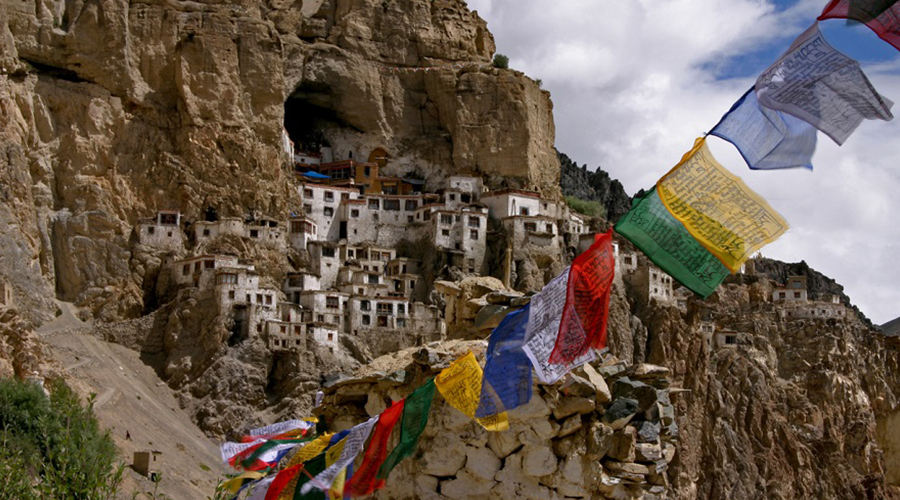
Hidden deep in the remote Lungnak Valley of Zanskar, Phugtal Monastery (also known as Phuktal Gompa) is one of Ladakh’s most extraordinary and isolated monasteries. Built around a natural limestone cave, it appears as if the monastery is hanging from a cliff, blending seamlessly into the rugged mountain face.
Accessible only by trekking, Phugtal Monastery is a living example of spiritual solitude. It belongs to the Gelugpa (Yellow Hat) sect of Tibetan Buddhism and is home to nearly 70 monks who continue the traditions of meditation and study. The panoramic view of the Lungnak River flowing below adds to the serene and surreal beauty of this sacred site.
History of Phugtal Monastery, Leh Ladakh
The history of Phugtal Monastery dates back to the early 15th century, when it was founded by Jangsem Sherap Zangpo, a disciple of Je Tsongkhapa, the great founder of the Gelug school of Tibetan Buddhism.
According to local legend, long before the monastery was built, the cave served as a meditation site for sages, scholars, and translators nearly 2,500 years ago. It is believed that when Jangsem Sherap Zangpo arrived here, he displayed miraculous powers - causing a spring to emerge from the cave, a tree to grow atop it, and the cavern to expand to accommodate monks and pilgrims.
These legends continue to inspire visitors, adding a mystical aura to this already awe-inspiring destination.
Architecture and Design of Phugtal Monastery
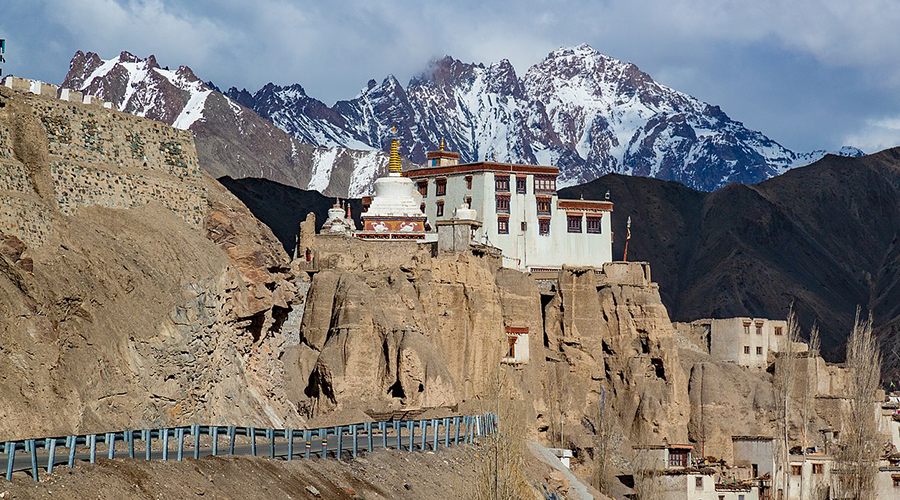
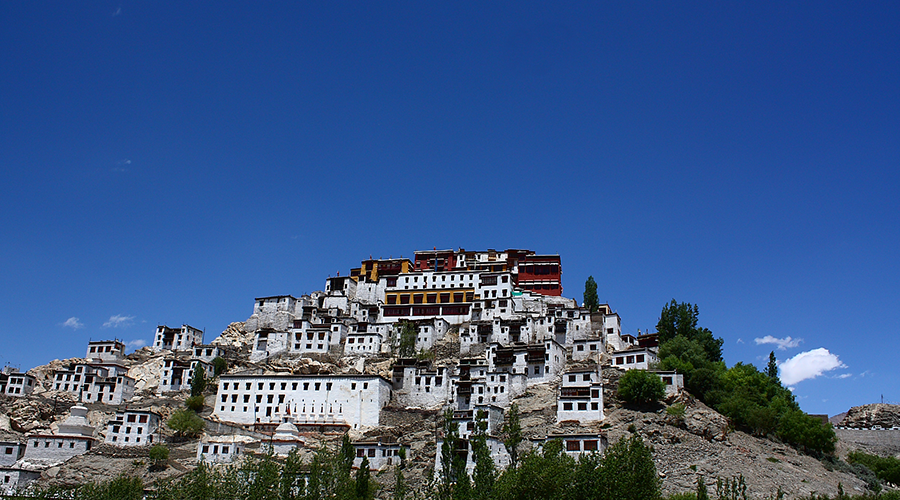
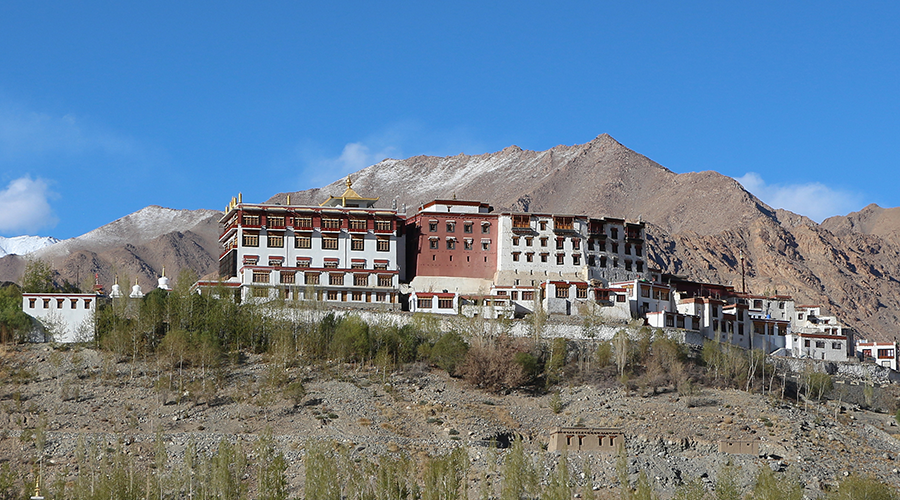
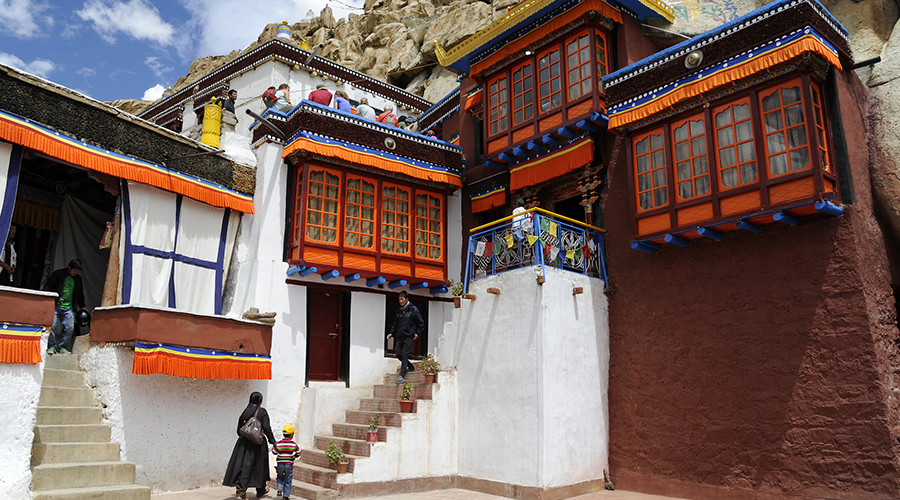
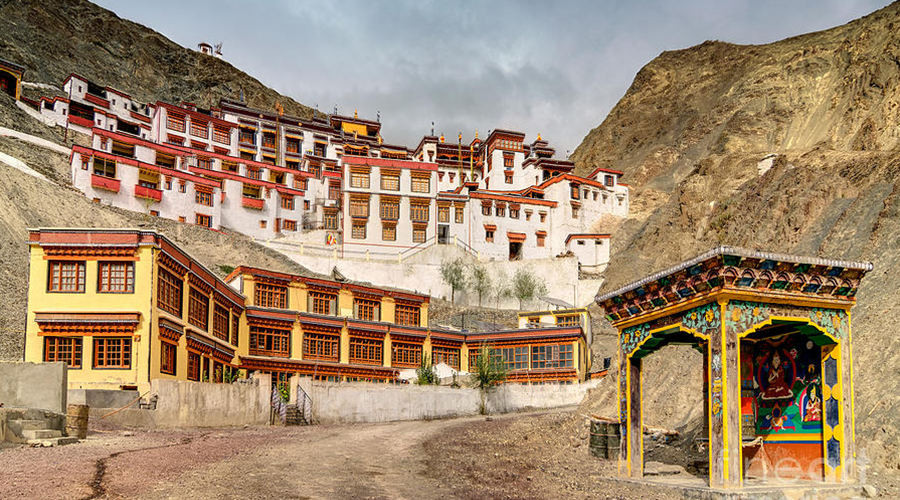
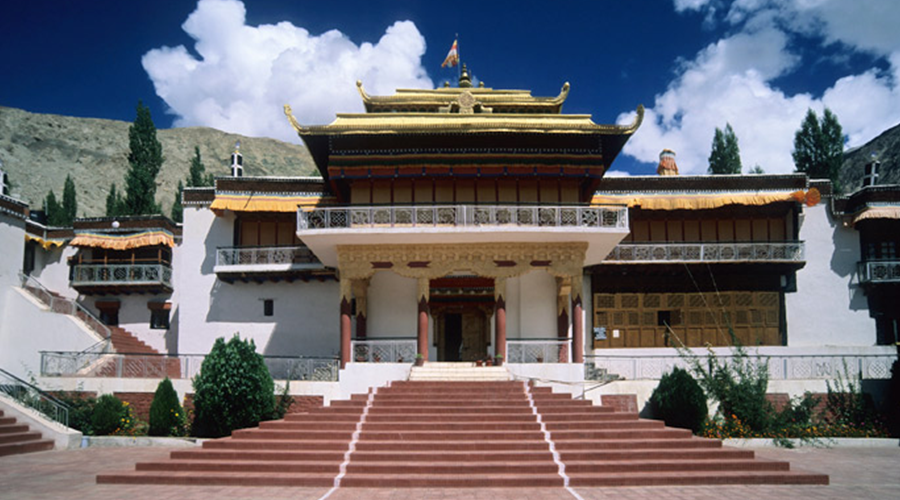
The architecture of Phugtal Monastery is unique and awe-striking. Constructed using mud, stone, and wood, it is built around the natural cave, giving the impression that it’s suspended from the cliffside.
The monastery complex includes:
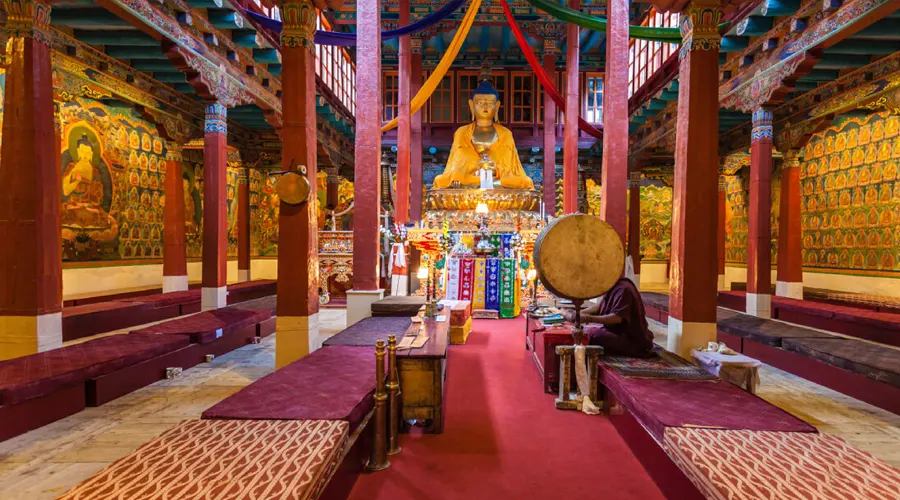
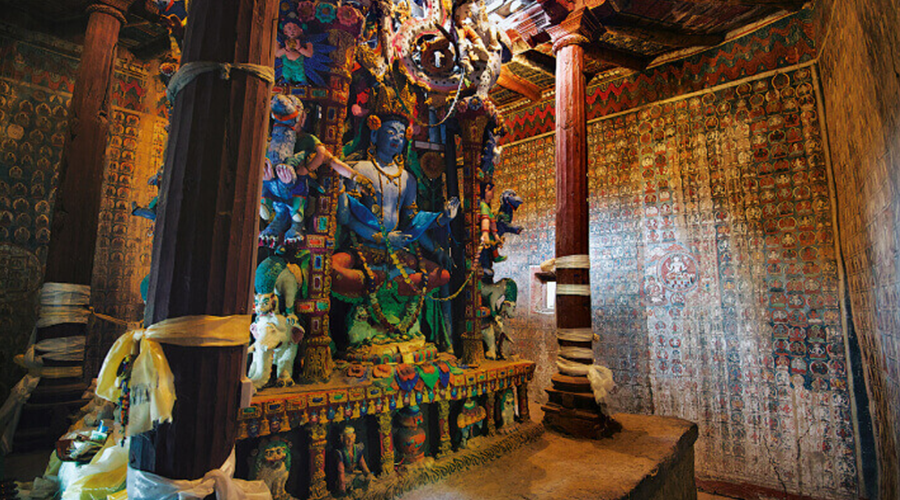
- Main Prayer Hall (Temple): Adorned with thangkas, murals, and images of Buddha.
- Cave Shrine: A sacred space where the miraculous spring still flows.
- Library: Houses ancient Buddhist texts and scriptures.
- Living Quarters & School: Accommodates monks and serves as a center for Buddhist learning.
- Kitchen & Meditation Rooms: Sustain daily life and spiritual practice.
The Tibetan-style architecture, along with its dramatic location overlooking the Lungnak River, makes Phugtal a photographer’s and pilgrim’s paradise.
Festivals Celebrated at Phugtal Monastery
Phugtal Monastery celebrates several traditional Buddhist festivals filled with chants, dances, and rituals. The most important among them include:
- Smonlam Chenmo – The Great Prayer Festival
- Chudsum Chodpa & Chonga Chodpa – Religious ceremonies for purification and blessings
- Gyalwe Jabstan – Prayers for peace and prosperity
- Phukta Gutor – A winter festival marking the Tibetan New Year
- Initiation of Vajrabhairava – A sacred tantric ritual
- Syungnas & Yarnas – Seasonal monastic celebrations
Visiting during these festivals allows you to witness Ladakh’s authentic spiritual traditions and vibrant monastery life.
Best Time to Visit Phugtal Monastery, Ladakh
The best time to visit Phugtal Monastery is from June to September, when the trekking routes to Zanskar are open and the weather is pleasant.
| Season | Months | Weather & Highlights |
|---|---|---|
| Summer | June – September | Best for trekking; clear skies and comfortable temperatures (10°C–25°C). |
| Autumn | October | Slightly cold; great for solitude seekers. |
| Winter | November – March | Access closed due to snow and freezing conditions. |
| Spring | April – May | Roads start reopening; good for adventurous travelers. |
Itinerary for Visiting Phugtal Monastery, Zanskar
Here’s a detailed 4-day itinerary to help you experience the mesmerizing beauty and spiritual depth of Phugtal Monastery in Ladakh’s remote Zanskar Valley:
Day 1 – Drive from Leh to Padum (Zanskar)
Your journey begins from Leh, the main town of Ladakh. Start early in the morning and drive towards Padum, the administrative center of the Zanskar region. The route via Kargil and Rangdum is long but incredibly scenic, offering breathtaking views of the Suru Valley, Nun-Kun peaks, and picturesque monasteries along the way.
- Distance: Approx. 450 km
- Travel Time: 10–12 hours (depending on road conditions)
- Stay: Overnight stay at a guesthouse or homestay in Padum
Day 2 – Trek from Padum to Purne or Cha Village
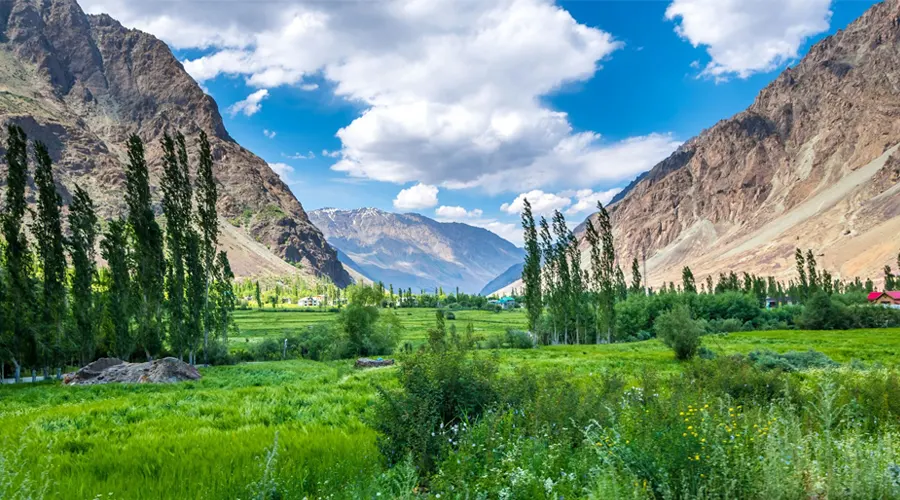
After breakfast in Padum, begin your road journey towards Raru village, the last point accessible by vehicle. From there, start your trek towards Purne or Cha village, both located on the route to Phugtal Monastery. The trail follows the stunning Lungnak River, surrounded by rugged mountains and traditional Zanskari villages.
- Trek Distance: 10–12 km
- Trek Duration: 4–5 hours
- Stay: Overnight in a local homestay at Purne or Cha Village
Day 3 – Trek to Phugtal Monastery and Explore
This is the most exciting part of the journey! Begin your early morning trek from Purne/Cha to Phugtal Monastery, which takes about 4–5 hours. The trail winds through the scenic Lungnak Valley, offering mesmerizing views of cliffs, river bends, and prayer-flag-lined paths.
Upon reaching the monastery, explore the cave temple, assembly hall, monastic quarters, and the sacred spring believed to have miraculous origins. Interact with monks, meditate for a while, and soak in the peaceful spiritual ambiance.
- Trek Distance: 7–8 km (one way)
- Trek Duration: 4–5 hours
- Stay: Return to Purne Village for the night
Day 4 – Return Trek to Purne and Drive Back to Padum
After breakfast, retrace your steps along the Lungnak River towards Raru village, where your vehicle will be waiting. Enjoy the scenic return trek and drive back to Padum, completing your unforgettable journey to the hidden cave monastery of Ladakh.
- Trek Duration: 3–4 hours
- Drive to Padum: 2–3 hours
- Stay: Overnight in Padum or proceed towards Kargil the next day
Travel Tip: This itinerary can be customized based on your pace. If you’re an experienced trekker, you can combine Day 2 and Day 3 into one longer day. Always carry essentials like warm clothes, snacks, and water, as the area is remote with limited facilities.
Nearby Attractions
While Phugtal Monastery is quite remote, you can explore a few other attractions in the Zanskar region:
- Padum Village – The main town of Zanskar, known for its scenic trails and monasteries.
- Stongdey Monastery – The second-largest monastery in Zanskar, offering panoramic views.
- Zanskar River – Famous for the winter Chadar Trek.
- Karsha Monastery – The largest monastery in Zanskar, built in the 11th century.
- Cha Village – Starting point for the trek to Phugtal Monastery.
Travel Tips for Phugtal Monastery
- Be prepared for trekking: The only way to reach the monastery is on foot.
- Stay overnight in nearby villages: Homestays in Purne or Cha are available.
- Respect monastic customs: Maintain silence inside prayer halls and avoid disturbing monks.
- Carry essentials: Food, water, and warm clothing, facilities are minimal.
- Photography: Ask permission before taking pictures of monks or rituals.
Quick Facts about Phugtal Monastery, Zanskar
- Location: Lungnak Valley, Zanskar region, Ladakh
- Established: 15th Century
- Founded By: Jangsem Sherap Zangpo
- Sect: Gelugpa (Yellow Hat Sect of Tibetan Buddhism)
- Altitude: Approx. 3,850 meters
- Accessibility: Only by trek from Cha or Purne village
- No. of Monks: Around 70
- Main Attraction: Cave monastery with natural spring
- Best Time to Visit: June to September
- Famous Festivals: Phukta Gutor, Smonlam Chenmo
- District: Zanskar District, Union Territory of Ladakh
How to Reach Phugtal Monastery, Leh Ladakh
By Air:
The nearest airport is Kushok Bakula Rimpochee Airport (Leh), about 450 km away. From Leh, travelers can reach Padum by road and then trek to the monastery.
By Road:
From Padum, the administrative center of Zanskar, the road goes up to Cha village. From there, it’s about a 6–8 hour trek to reach Phugtal Monastery.
By Trek:
Phugtal can only be accessed on foot. The trek passes through beautiful villages like Cha, Purne, and Khangsaar, with mesmerizing views of the Lungnak River Valley.
Phugtal Monastery is truly one of Ladakh’s hidden treasures, a spiritual retreat built into the heart of a mountain. Its unique cave setting, ancient legends, and peaceful atmosphere make it one of the most awe-inspiring monasteries in the Himalayas. For those seeking a blend of adventure, spirituality, and isolation, a journey to Phugtal is an unforgettable experience that captures the timeless beauty of Zanskar’s Buddhist heritage.