Spituk Monastery, Leh Ladakh
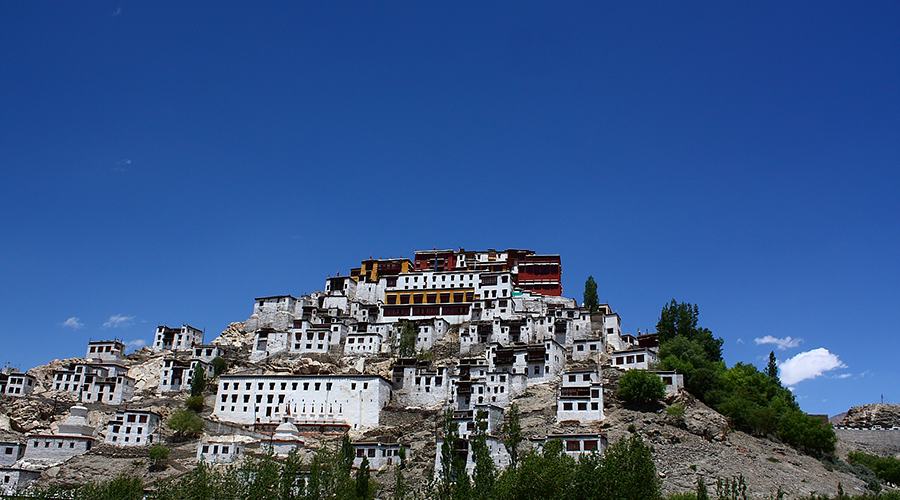
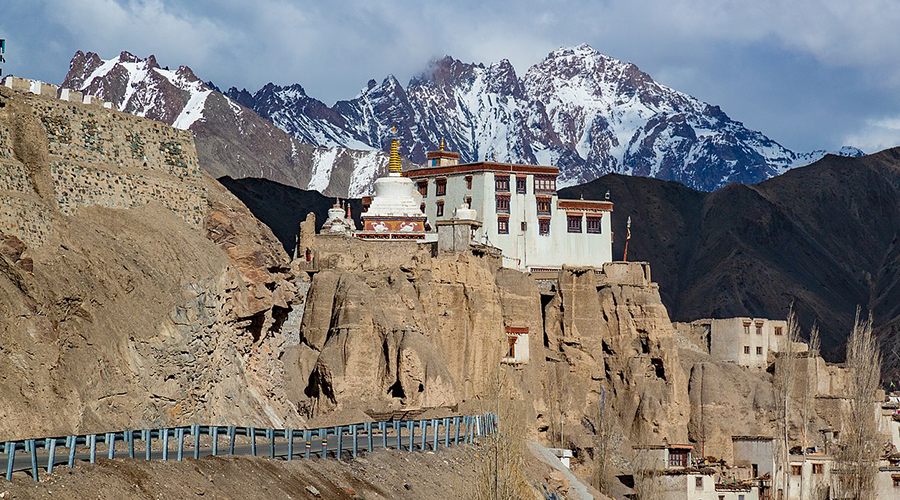
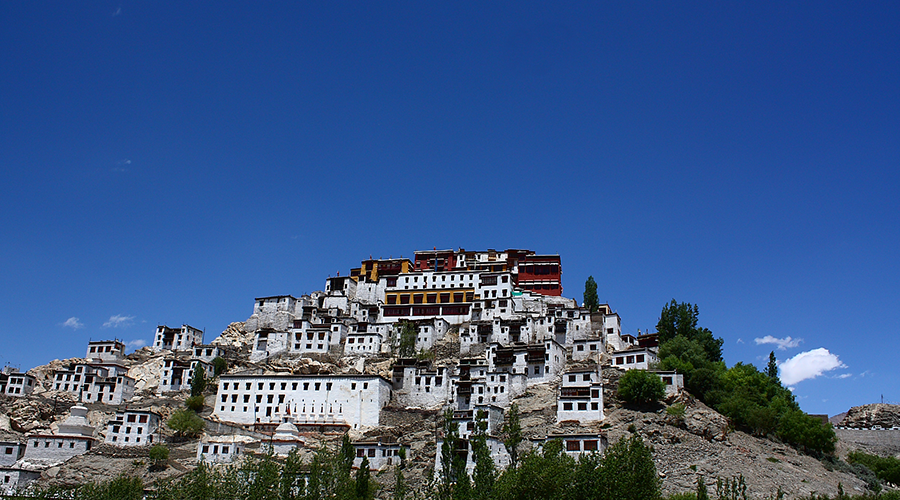
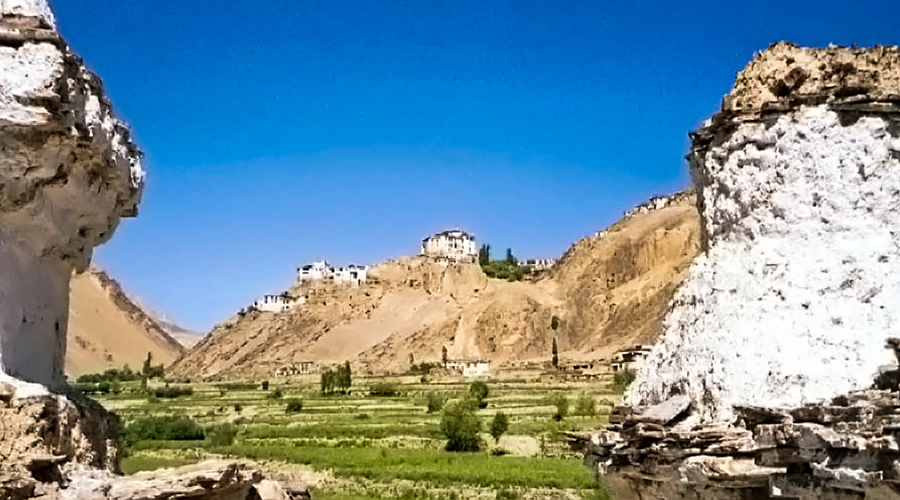
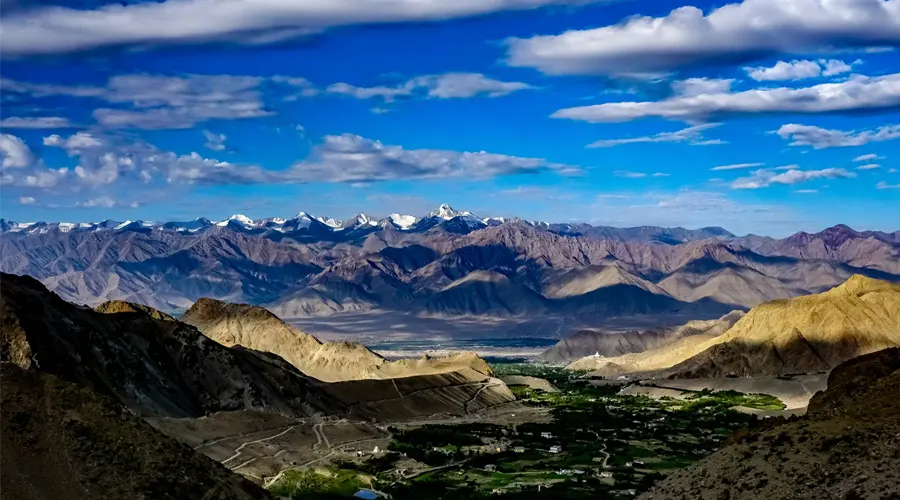
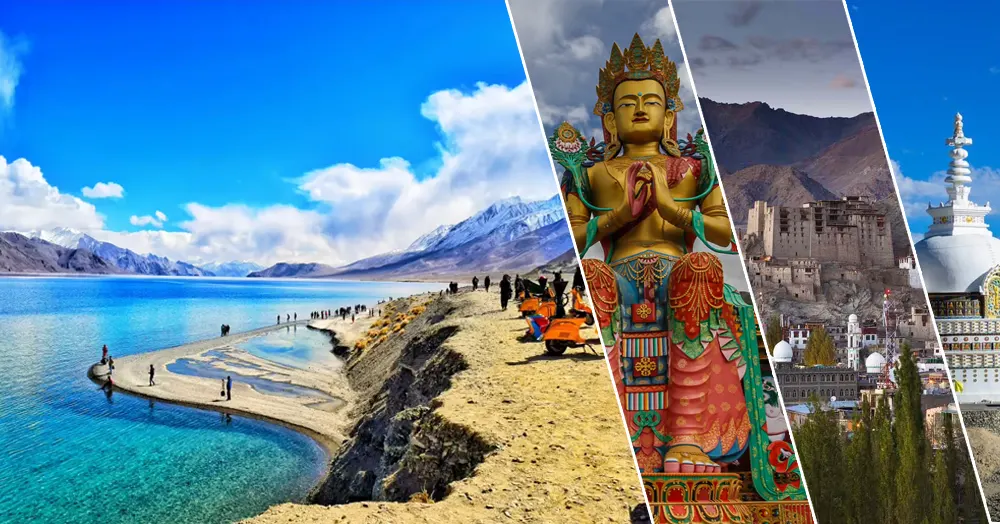
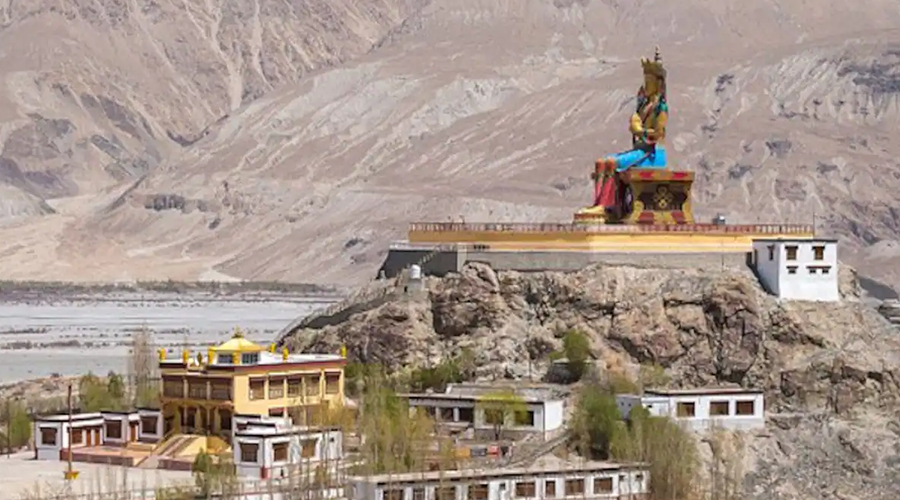
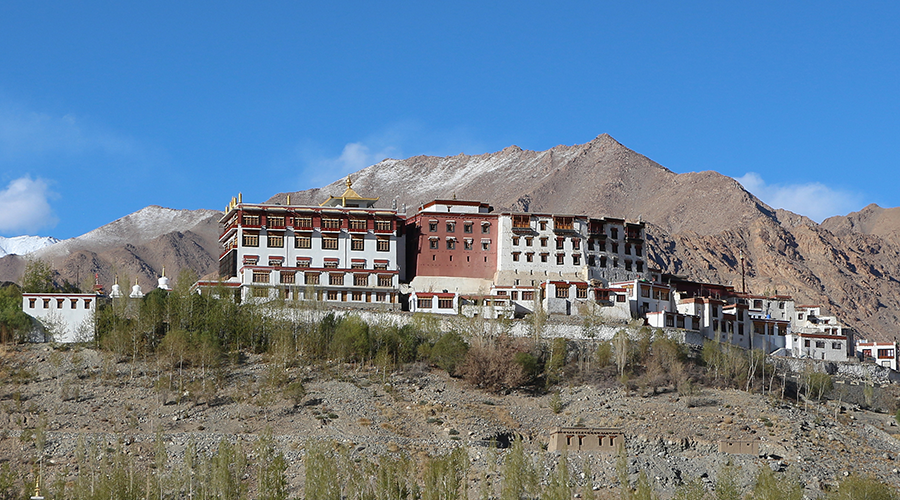
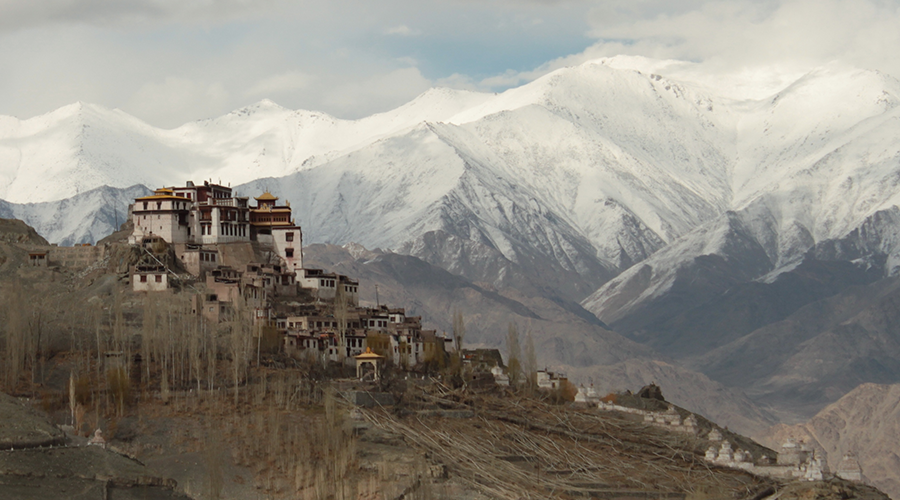
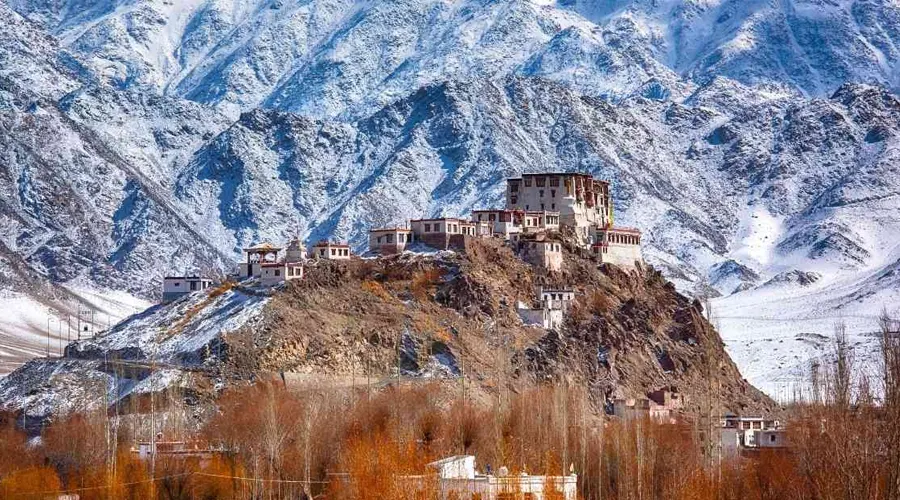
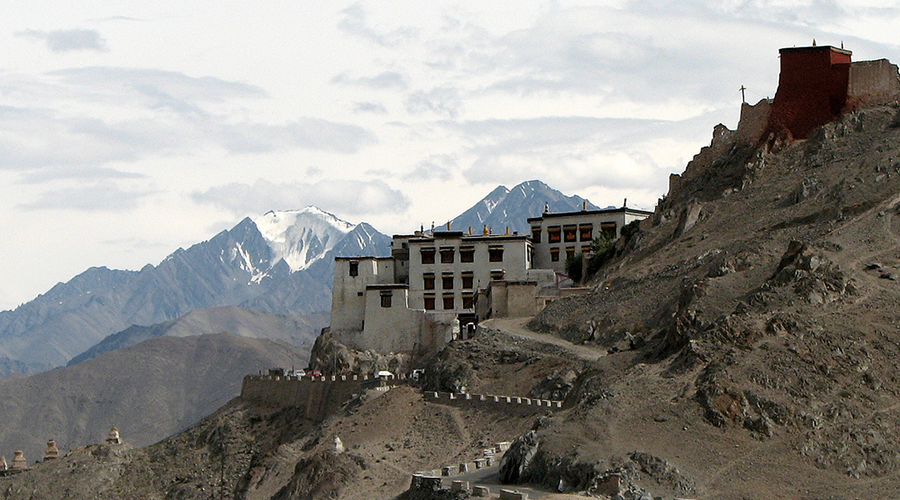
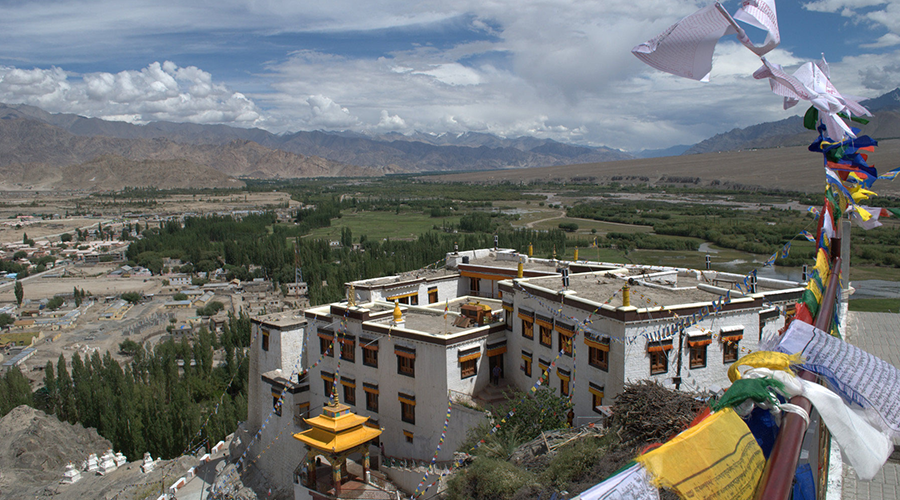
Perched atop a hill overlooking the Indus River, Spituk Monastery (also called Pethup Gompa) is one of the oldest and most revered monasteries in Leh Ladakh. Established in the 11th century, it is famous for its giant Kali statue, revealed only during the annual Gustor Festival, and its stunning collection of ancient masks, thangkas, and antique artifacts. Located just a few kilometers from Leh, Spituk offers both a spiritual experience and mesmerizing panoramic views of the valley below.
History of Spituk Monastery, Leh Ladakh
The Spituk Monastery, also known as Pethup Gompa, was founded in the 11th century by Od-de, the elder brother of Lha Lama Changchub Od, when he arrived in the Maryul region of Ladakh.
According to legend, the great translator Lotsewa Rinchen Zangpo once visited this site and predicted that an “exemplary” religious community would arise here. Hence, the monastery was named “Spituk,” meaning “exemplary.”
Originally, the monastery followed the Red Hat (Nyingma) Sect of Tibetan Buddhism. However, in the 15th century, it was reformed under the Gelug or Yellow Hat Sect, founded by Je Tsongkhapa.
Over time, Spituk Monastery evolved into a renowned center of Buddhist learning and spiritual practice, serving as one of the most important monasteries in the Indus Valley region. Today, it houses around 100 monks and continues to uphold its sacred traditions through festivals, rituals, and daily prayers.
Key Highlights
| Attribute | Details |
|---|---|
| Founded By | Od-de (elder brother of Lha Lama Changchub Od) |
| Founded In | 11th Century |
| Original Sect | Red Hat (Nyingma) Sect |
| Current Sect | Gelug or Yellow Hat Sect |
| Predicted By | Lotsewa Rinchen Zangpo |
| Meaning of “Spituk” | “Exemplary” |
| Significance | Major center for Buddhist learning and rituals in Indus Valley |
Architecture & Structure
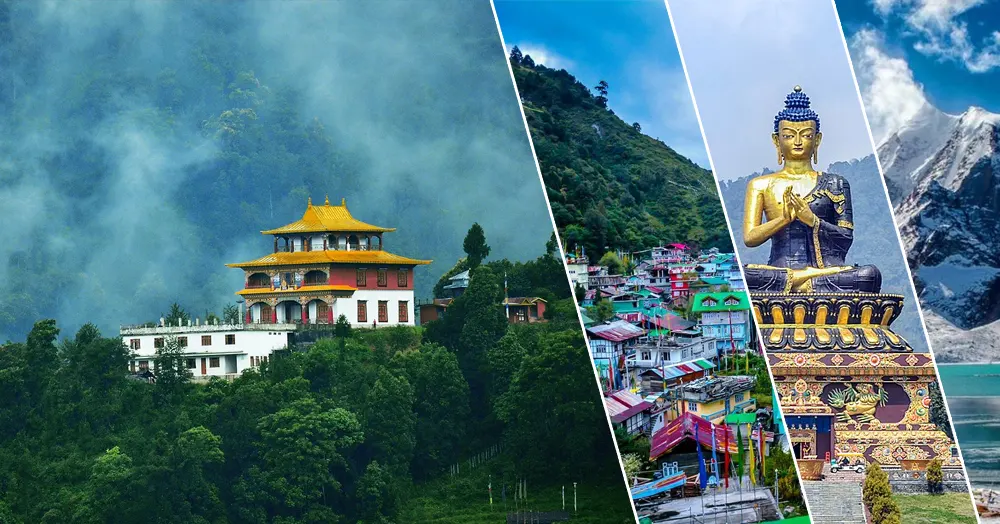
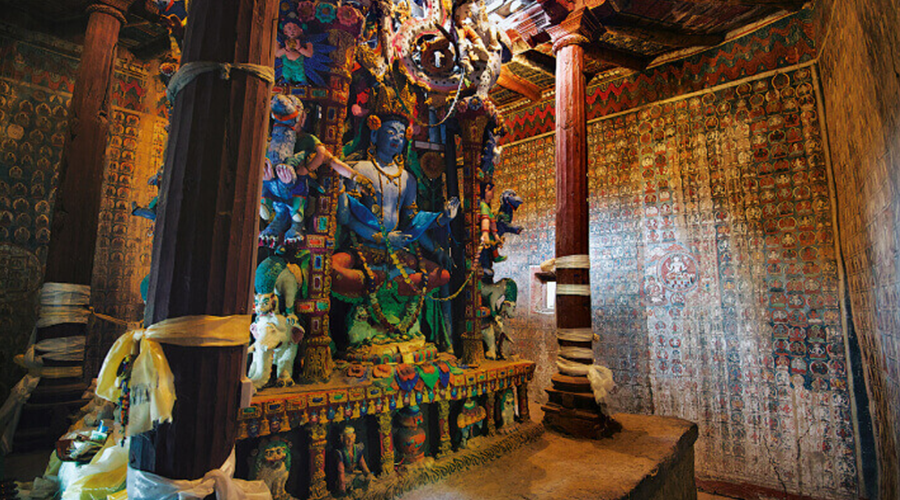
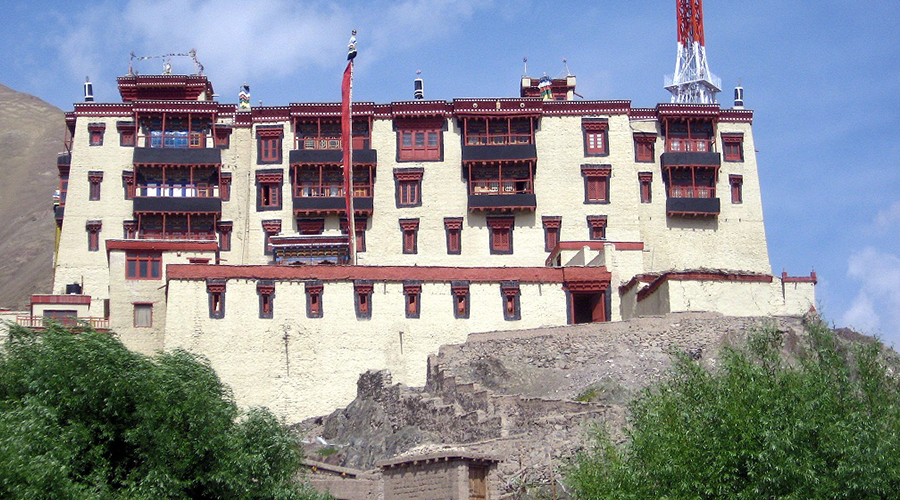
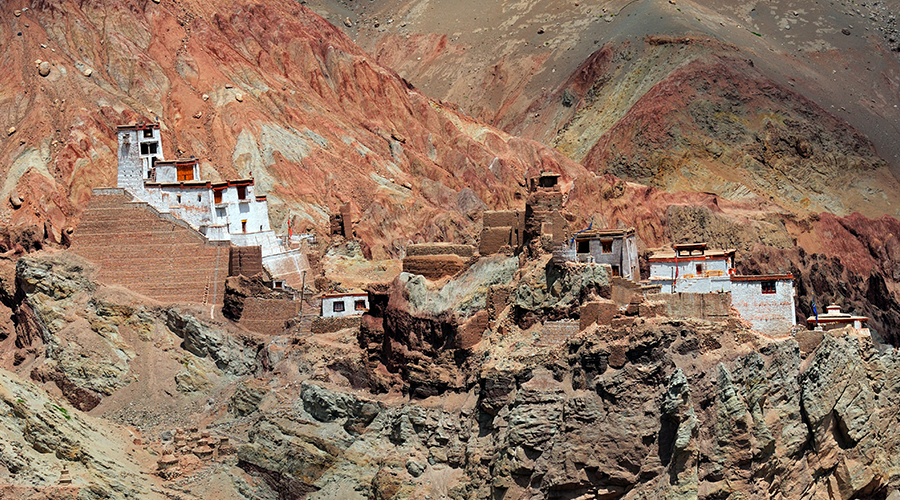
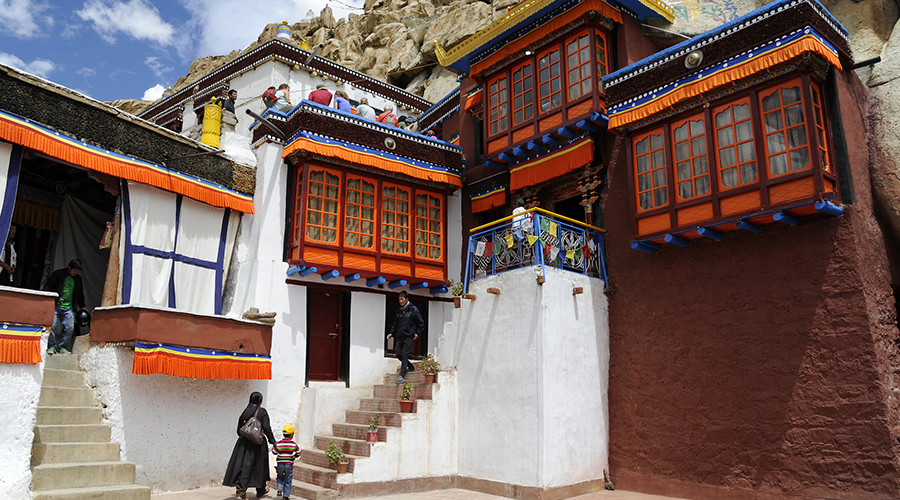
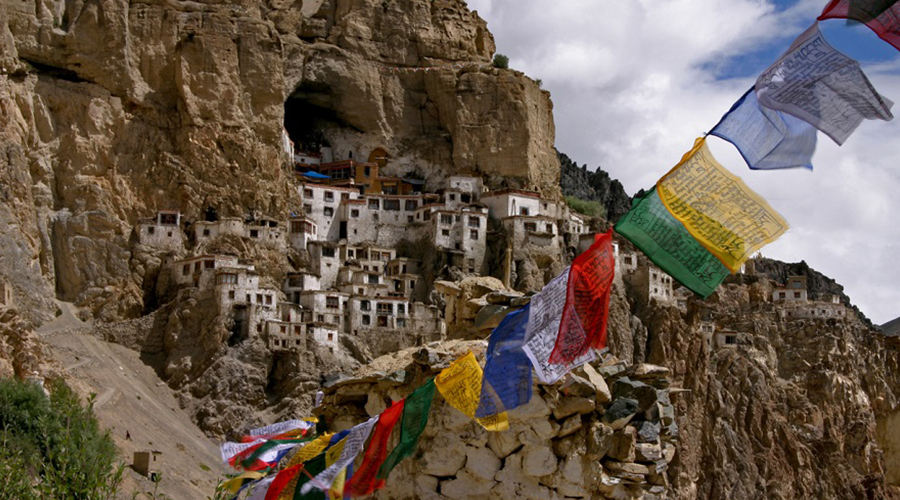
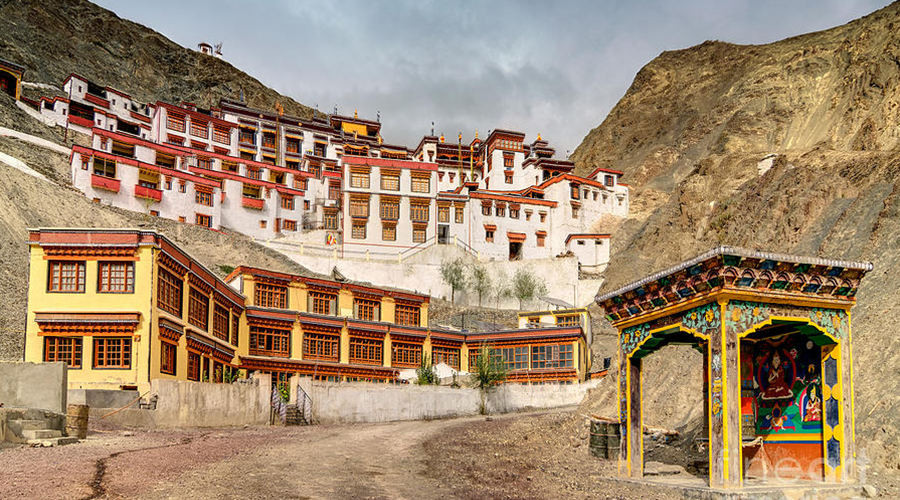
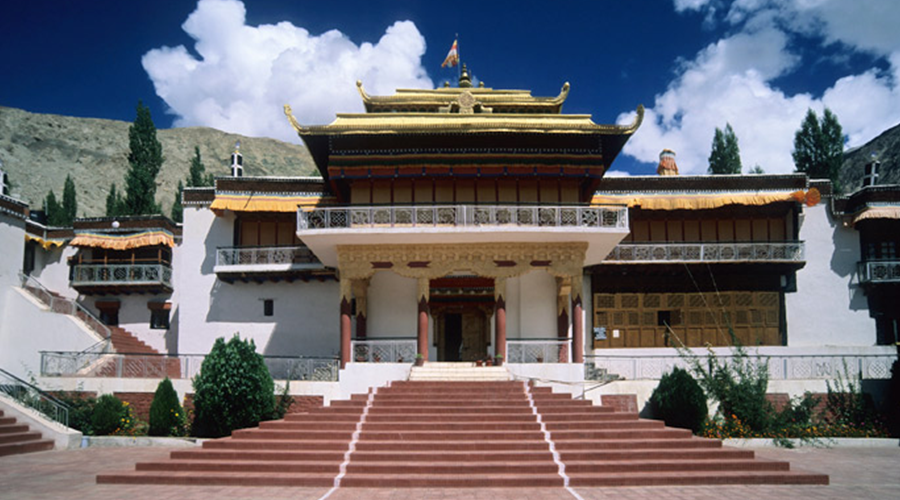
Spituk Monastery displays traditional Tibetan Buddhist architecture with whitewashed walls, prayer flags fluttering in the cold wind, and a majestic hilltop setting. The complex comprises three main chapels adorned with Buddha statues, thangkas, and sacred relics.
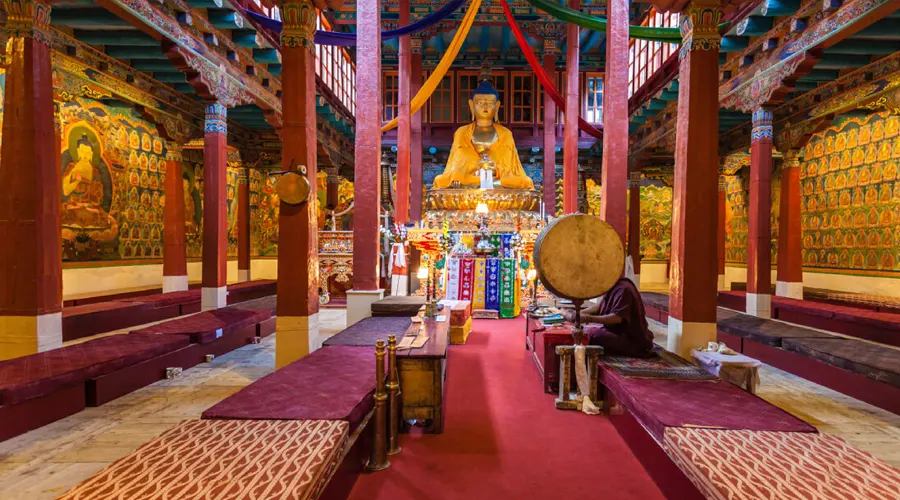
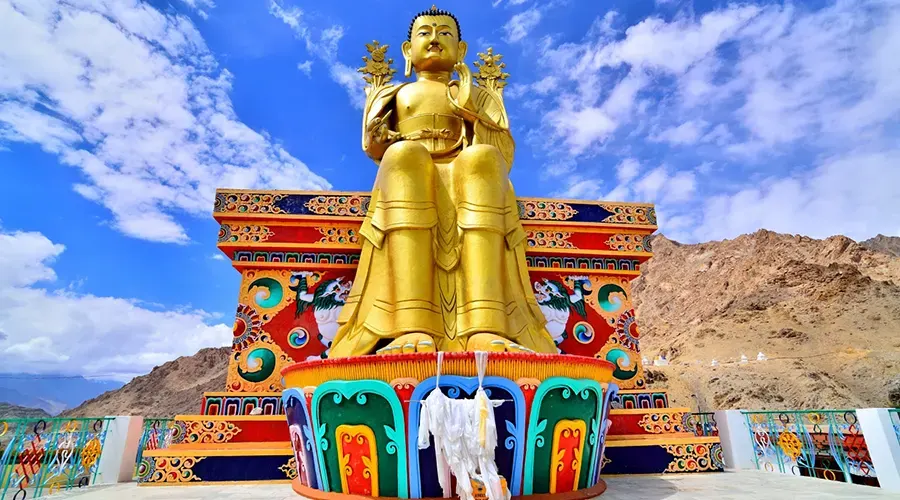
The Dukhang Hall, the monastery’s main assembly area, features two rows of seats leading to a throne reserved for the head lama, creating a serene spiritual ambiance. Visitors can also explore the monastic museum, housing ancient masks, weaponry, religious idols, and scriptures. During the Gustor Festival, the monastery becomes a vibrant center of mask dances and rituals.
Spiritual Significance
Spituk Monastery is an important center for followers of Gelugpa Buddhism. The monastery serves as a training ground for over 100 resident monks, preserving ancient traditions of Buddhist study, meditation, and rituals.
The Gustor Festival, celebrated annually in January or February, is a two-day spiritual spectacle symbolizing the victory of good over evil. The unveiling of the statue of Goddess Kali is a major highlight, attracting both devotees and tourists alike.
Best Time to Visit Spituk Monastery, Ladakh
The best time to visit Spituk Monastery is from May to September, when the weather is clear and pleasant for sightseeing. If you wish to witness the vibrant Gustor Festival, plan your visit in January or February, when monks perform sacred mask dances and unveil the revered Kali statue.
Nearby Attractions
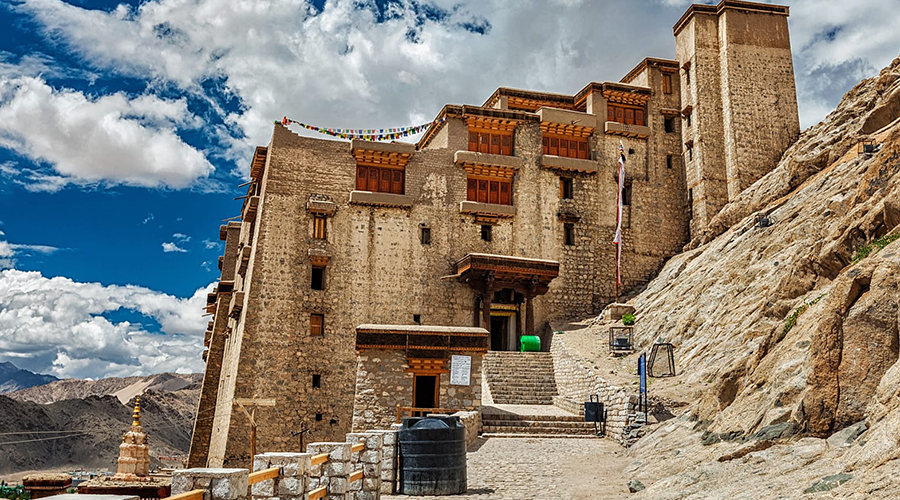
- Leh Palace: A majestic 17th-century royal palace offering panoramic views of Leh town.
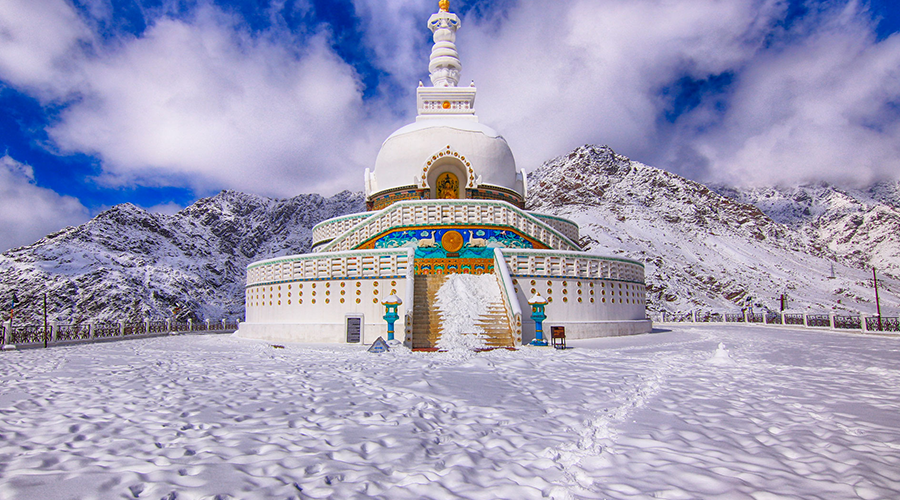
- Shanti Stupa: A serene white-domed stupa built by Japanese monks symbolizing world peace.
- Hall of Fame: A museum built by the Indian Army showcasing Ladakh’s history and heroism.
- Sankar Gompa: A beautiful monastery located within Leh town, known for its tranquil atmosphere.
- Magnetic Hill: Experience the optical illusion of vehicles moving uphill against gravity.
Travel Tips
- Carry warm clothing, even in summer, as nights can get chilly.
- Respect monastery rules — remove shoes before entering prayer halls and avoid loud behavior.
- Photography may be restricted inside certain areas — always ask permission.
- If visiting during Gustor Festival, reach early as the monastery can get crowded.
- Stay hydrated and acclimatize properly to avoid altitude sickness.
Itinerary for Spituk Monastery, Leh Ladakh
Day 1: Arrive in Leh, rest and acclimatize to the altitude. Explore nearby attractions like Leh Palace and Shanti Stupa.
Day 2: Visit Spituk Monastery early in the morning for prayers and scenic views. Explore the museum, nearby Spituk village, and enjoy the Indus Valley panorama.
Day 3: Attend local cultural events or the Gustor Festival (if visiting during January/February). Later, explore other monasteries like Phyang and Thiksey.
Quick Facts - Spituk Monastery, Ladakh
| Particulars | Details |
|---|---|
| Location | Spituk Village, Leh district, Ladakh |
| Altitude | Approx. 3,300 meters above sea level |
| Founded By | Od-de (Brother of Lha Lama Changchub Od) |
| Founded In | 11th century |
| Sect | Gelug (Yellow Hat) Sect |
| Distance from Leh | 8 km |
| Main Attraction | Kali statue, Gustor Festival, monastery museum |
| Resident Monks | Around 100 |
How to Reach Spituk Monastery
- By Air: The nearest airport is Kushok Bakula Rimpochee Airport (Leh Airport), just 5 km away. Taxis are easily available from the airport to the monastery.
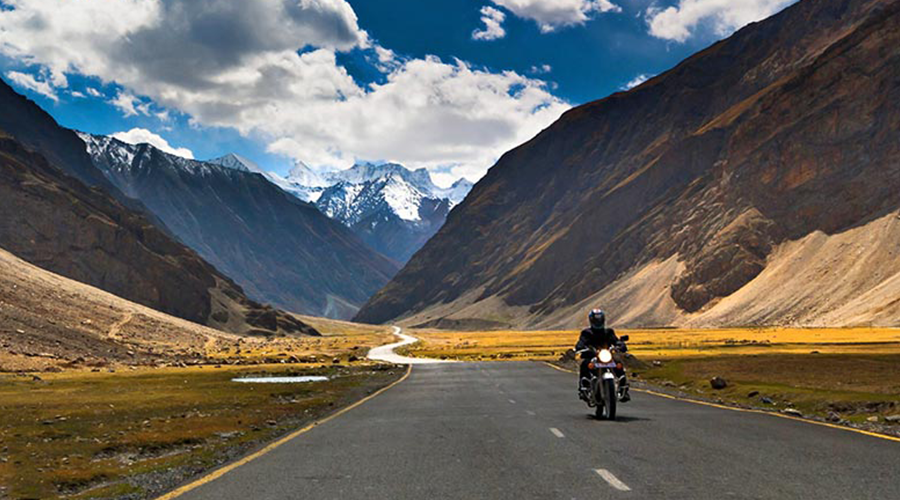
- By Road: Spituk is well connected by road from Leh town (8 km). You can hire a cab, take a local bus, or even rent a bike for a scenic ride.
- By Rail: The closest major railway station is Jammu Tawi, around 700 km from Leh. From there, one can travel by road via Srinagar or Manali routes.
Spituk Monastery stands as a timeless symbol of Ladakh’s spiritual depth and cultural heritage. With its ancient roots, sacred art, and breathtaking surroundings, it offers visitors a serene escape into the world of Tibetan Buddhism. Whether you’re drawn by its history, architecture, or the vibrant Gustor Festival, Spituk Gompa is truly one of Ladakh’s must-visit spiritual landmarks.