Kumbh Mela Haridwar, Uttarakhand
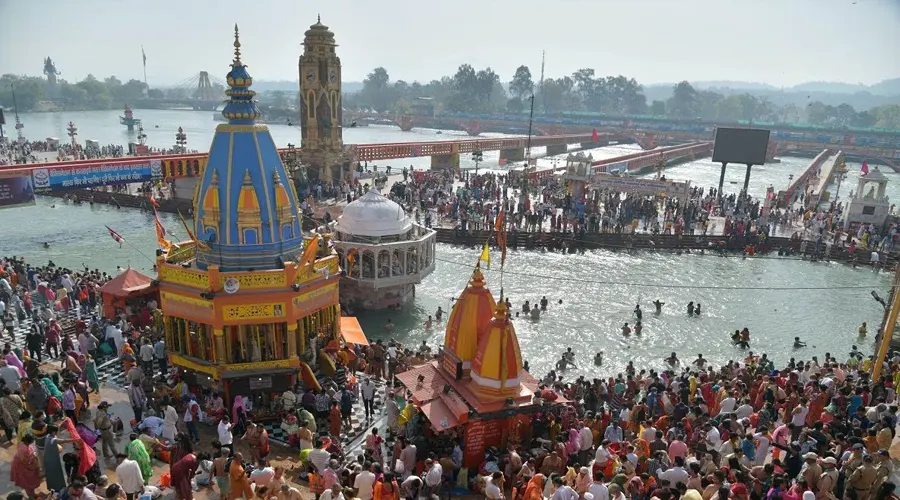
The Kumbh Mela is where overwhelming chaos and deep spirituality blend into an unforgettable experience. From the sound of sacred chants to the mesmerizing rituals of Aghori sadhus and river ghats glowing with countless diyas, everything here pulls you into its divine energy. With millions of pilgrims arriving with unwavering faith to cleanse their sins in the holy rivers, the atmosphere becomes nothing short of magical.
The origins of this grand festival go back to the mythological event of Samudra Manthan, the churning of the cosmic ocean. When the Kumbh, meaning pitcher, containing the nectar of immortality, emerged, a few drops fell at four sacred places: Haridwar, Prayagraj, Ujjain, and Nashik. These cities now host the world’s largest peaceful human gathering once every twelve years, making Kumbh Mela a spiritual celebration unlike anywhere else on Earth.
Whether it is witnessing the fearless Naga sadhus, the discipline of Kalpwasis, or simply soaking in the spiritual atmosphere, the Kumbh Mela becomes a rare chance to experience India’s cultural soul in its purest form. For travelers seeking something extraordinary, this festival promises a life-changing journey filled with devotion, wonder, and cultural discovery.
History of Kumbh Mela in Haridwar, Uttarakhand
The history of Kumbh Mela in Haridwar goes back more than a thousand years and is deeply rooted in Hindu mythology. According to legend, during the Samudra Manthan, drops of Amrit (the nectar of immortality) fell at four holy places, including Haridwar, making it a sacred hub for spiritual cleansing. Historic accounts like those by Chinese traveler Xuanzang prove that massive gatherings have been held here since ancient times. Over the years, Haridwar Kumbh Mela has evolved into the world’s largest peaceful spiritual congregation, where millions take a holy dip in the Ganga seeking blessings, forgiveness of sins, and the path toward salvation.
Key Features and Highlights of Haridwar Kumbh Mela
- Holy Dip (Shahi Snan) in the River Ganga
Believed to purify the soul and erase past sins. - Akhara Processions
Grand royal processions led by saints and sadhus showcase centuries-old traditions. - Naga Sadhus
Followers of strict ascetic practices who remain unclothed symbolize renunciation. - Ganga Aarti and Spiritual Programs
Daily rituals, kirtans, satsangs, mantra chanting, and prayers on the ghats. - Cultural and Traditional Experience
Witness unique Indian heritage, faith practices, and spiritual teachings. - Global Gathering of Devotees
Participated by pilgrims from across India and the world, making it a massive act of faith.
Mythological Significance of Kumbh Mela Haridwar, Uttarakhand
The roots of Kumbh Mela lie in the legendary tale of Samudra Manthan – the churning of the ocean of milk.
According to Hindu scriptures:
- Gods (Devtas) and Demons (Asuras) churned the ocean to obtain Amrit (nectar of immortality).
- When Amrit emerged, a battle began as both wanted immortality.
- Lord Vishnu, to protect the nectar, carried the Kumbh (pitcher) across the sky.
- During the chase that lasted 12 divine days (= 12 human years), a few drops of Amrit fell on:
- Haridwar
- Prayagraj
- Ujjain
- Nashik
These places became eternal sites of divine energy, where the Kumbh Mela is held.
Thus, a dip in these holy rivers during Kumbh is believed to:
- Purify the soul
- End the cycle of sins
- Lead to liberation (Moksha)
World’s Largest Peaceful Gathering
Held four times in twelve years, Kumbh Mela attracts saints, spiritual leaders, photographers, journalists, and millions of devotees from across the globe. The most fascinating sights include:
Naga Sadhus – ash-smeared, fearless warriors of spirituality
Urdhavavahurs – devotees who practice extreme self-discipline
Kalpwasis – pilgrims who stay by the river, bathing thrice daily
Every ritual - every Shahi Snan fills the air with an aura that’s beyond explanation and must be lived to be understood.
Highlights of Kumbh Mela in Haridwar
- Grand processions of Naga Sadhus (ascetic warriors of Shiva)
- Majestic Ganga Aarti ceremonies
- Living in spiritual camps and attending satsangs & kirtans
- Ritualistic holy bath known as Shahi Snan
- Immense display of faith, culture & unity
- Experience of India’s ancient spiritual traditions in one place
Types of Sadhus You See Here
| Sadhu Type | Special Practice |
|---|---|
| Naga Sadhus | Live naked, symbolizing renunciation |
| Aghori Sadhus | Occult practices |
| Kalpwasis | Follow strict rituals & daily Ganga bath |
| Urdhwavahurs | Extreme physical austerities |
Major Ritual: Shahi Snan (Royal Bath)
The Shahi Snan is the most auspicious ritual, where holy saints take the first dip in the Ganga. Devotees strongly believe that bathing on these dates ensures spiritual freedom.
(If needed, I can provide the 2036 Shahi Snan dates once officially announced.)
How to Reach Haridwar for Kumbh Mela
| Mode | Details |
|---|---|
| By Air | Jolly Grant Airport (35 km), Dehradun |
| By Train | Haridwar Junction – well-connected to all major Indian cities |
| By Road | NH-334 connects Haridwar to Delhi, Rishikesh and Chandigarh |
Travel Tips for Kumbh Mela Visitors
- Book accommodation months in advance
- Follow crowd-control advisories
- Wear comfortable footwear
- Keep water, snacks & identity proof with you
- Avoid valuables in heavy crowds
- Recommended to travel with family/group
Quick Facts About Kumbh Mela Haridwar
| Feature | Details |
|---|---|
| Location | Haridwar, Uttarakhand |
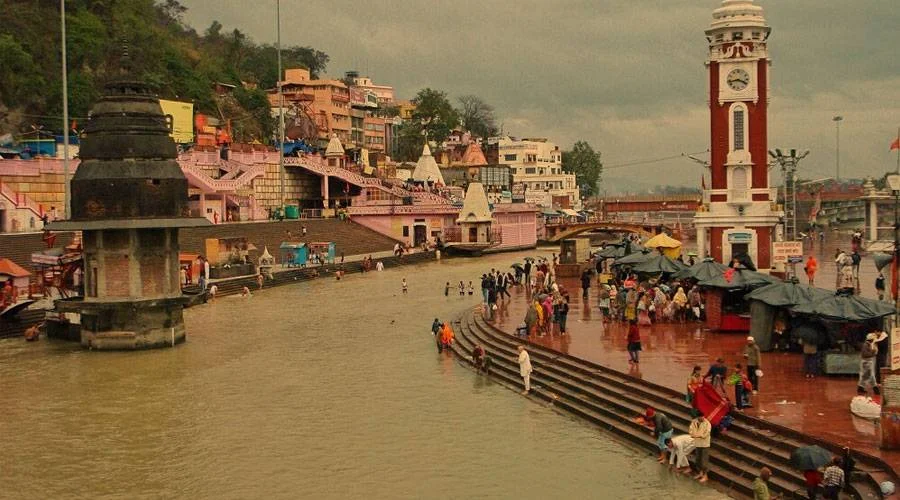
| Main Ritual Site | Har Ki Pauri Ghat |
| Festival Frequency | Once every 12 years in Haridwar |
| Next Kumbh Mela in Haridwar | 2036 |
| Category | World’s largest spiritual festival |
| Purpose | Cleansing of sins & spiritual enlightenment |
| Main Ritual | Shahi Snan (Royal Bath) |
| Duration | 2–3 months |
Nearby Attractions to Kumbh Mela Haridwar
Explore these sacred and scenic places around Haridwar during your Kumbh Mela visit:
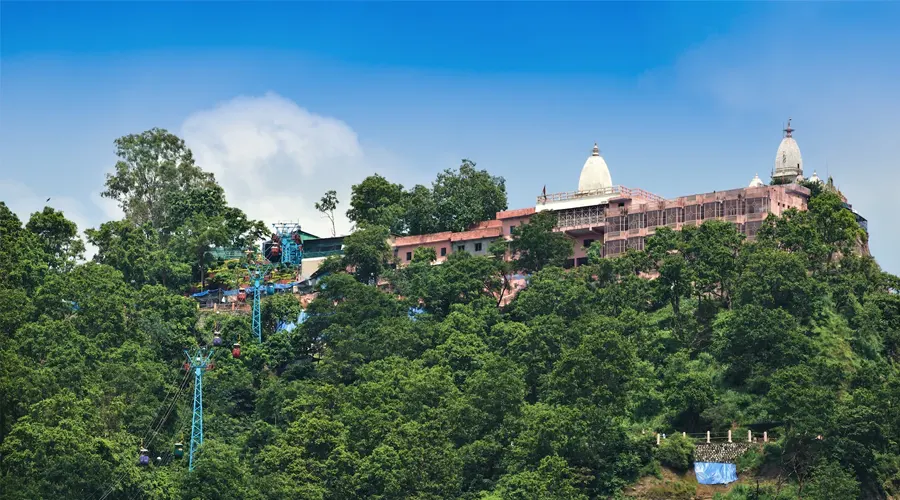
- Mansa Devi Temple (2 km) – Ropeway ride to a hilltop temple dedicated to Goddess Mansa Devi
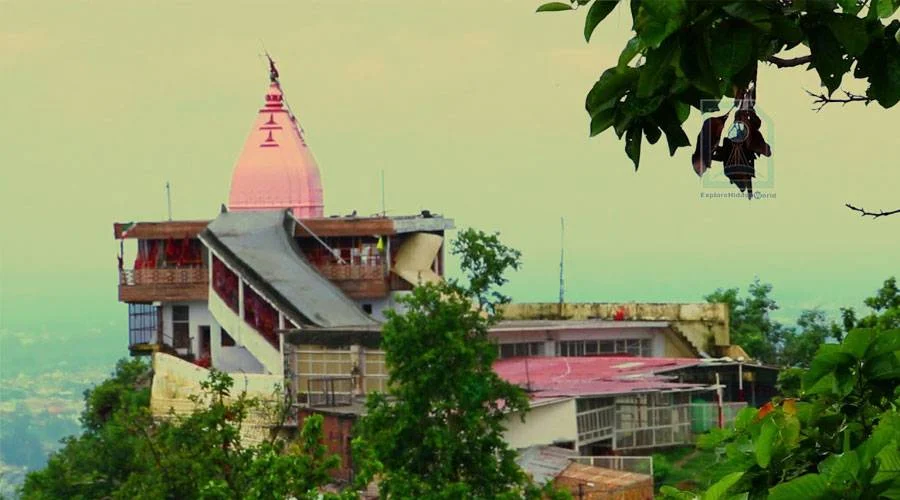
- Chandi Devi Temple (4 km) – Trek or ropeway to Neel Parvat, one of Haridwar’s Siddh Peethas
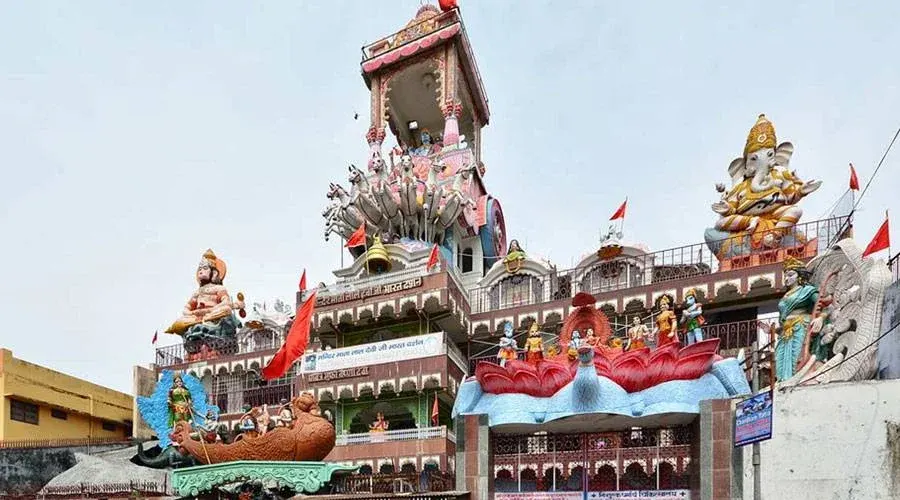
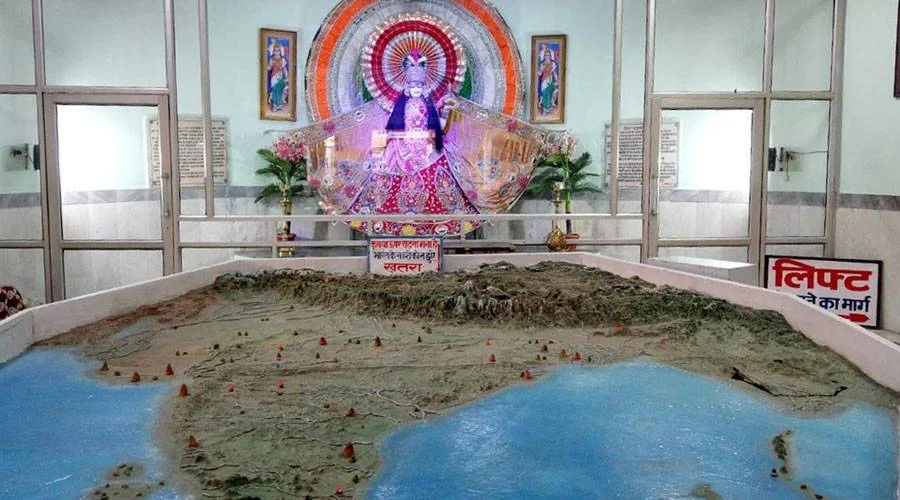
- Bharat Mata Mandir (5 km) – Unique 8-storey temple celebrating India’s culture & freedom heroes
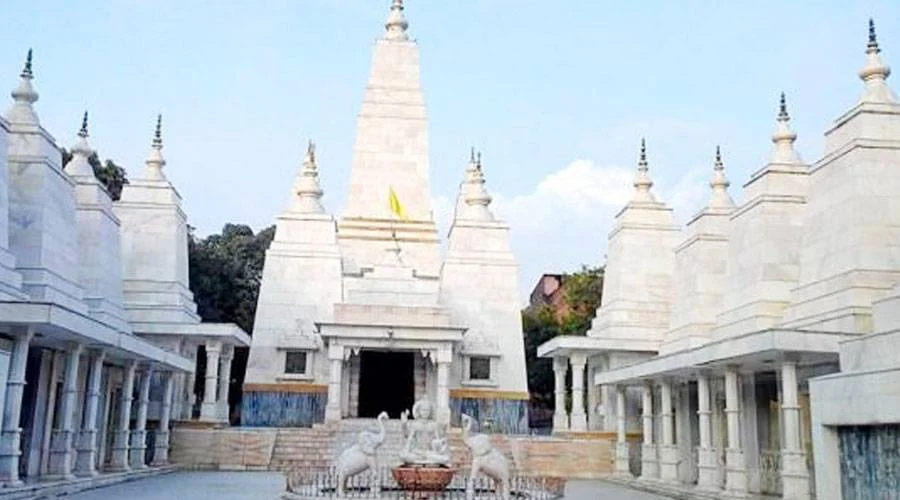
- Vaishno Devi Temple, Haridwar (2.5 km) – Cave-style pathways with replicas of the 12 Jyotirlingas
- Daksha Mahadev Temple (6 km) – Ancient temple with rich mythological significance
- Shantikunj (7 km) – Headquarters of Gayatri Parivar, known for spiritual training & meditation
- Sapt Rishi Ashram (7 km) – Peaceful ashram known for its natural beauty and spiritual environment
- Rajaji National Park (10 km) – Famous for wildlife safari, elephants, tigers & lush nature trails
- Rishikesh (20 km) – Adventure & spirituality hub - Lakshman Jhula, Ram Jhula, Triveni Ghat, Ganga Aarti
- Neel Dhara Pakshi Vihar (3 km) – Ideal for bird watching & scenic riverside views
Why You Should Experience Kumbh Mela at Least Once
Whether you are a spiritual seeker, traveler, or culture enthusiast, Kumbh Mela gives you:
- A chance to witness Indian spirituality at its peak
- Extraordinary cultural and photographic moments
- An opportunity for self-reflection and inner peace
- The sacred ritual of holy river bathing
From sunrise aartis to vibrant processions, every moment is unforgettable.
Kumbh Mela in Haridwar is not just a festival; it is a spiritual awakening and a life-changing experience. The holy dip in Ganga, the devotion of millions, the chants of sages, and the divine atmosphere make it a symbol of eternal faith in Indian culture.
Whether you are a pilgrim seeking salvation or a traveler discovering Indian heritage, the Kumbh Mela offers a rare blend of belief, history, and cultural richness that must be witnessed at least once in a lifetime.