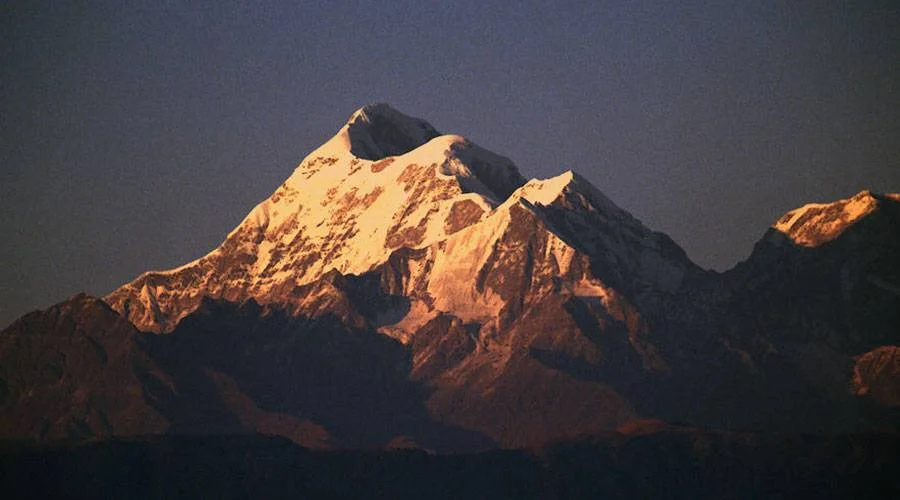
Trishul I Peak, Uttarakhand
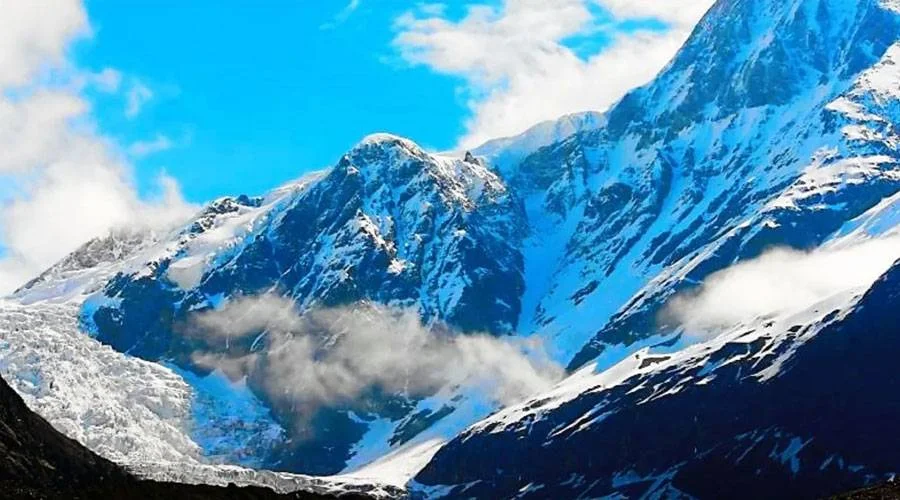
The visually spectacular Trishul Massif that resembles the Trident of Lord Shiva is said to be the first peak climbed in the Garhwal Himalayas. And today this majestic mountain is amongst the most preferred peak climbing expeditions in Garhwal.
Trishul I is the tallest peak amongst the unique trident and is 7145 m high. It is also one of the challenging summit bids as the mountaineers make slow progress due to high wind speed and poor snow/ice conditions. The climb to Trishul I begin from Chandinaya Ghat, which is its base camp, and from there an arduous ascend in the mountain starts via Ronti Gad Glacier which is at a height of about 5020 m. The best time to attempt a summit bid on this peak is between July and September.
The three Himalayan mountain peaks of western Kumaun as a whole form the Trishul peak. Having a height of 7120m, the Trishul group forms the southwest corner of the ring of peaks that enclose Nanda Devi Sanctuary. In 1907, the main peak - Trisul I - became the first peak over 7,000m to have ever been climbed by someone. The peak can be best viewed from Kausani or during the Roopkund Trek.
Mythological Significance of Trishul Peak
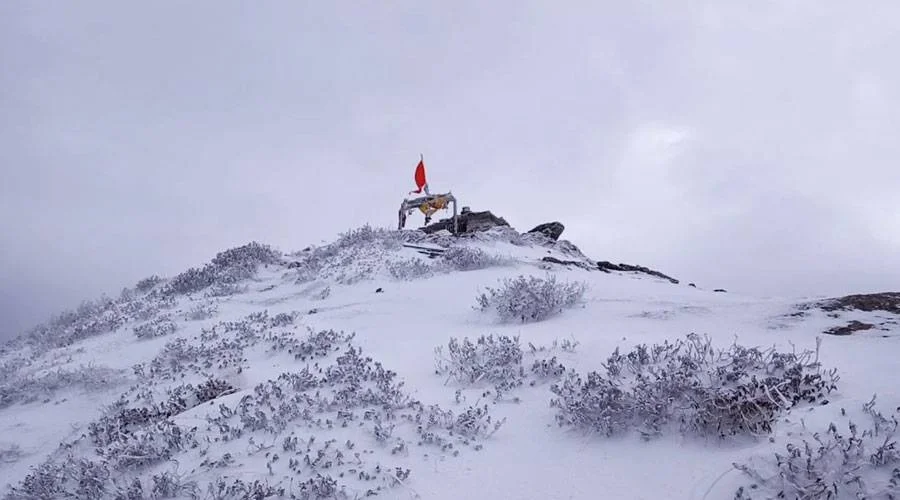
In Hindu mythology, the Trishul (Trident) symbolizes the weapon of Lord Shiva, representing the destruction of evil and the balance of the universe. Locals believe that the Trishul Massif is a manifestation of Shiva’s divine weapon resting in the Himalayas, guarding the abode of Goddess Nanda Devi.
Many pilgrims and locals see this region as spiritually charged - a sacred landscape where mountains are not merely geological structures but deities themselves. The alignment of Trishul with nearby peaks like Nanda Ghunti and Nanda Devi is said to form a protective ring around the divine sanctuary.
Trekking and Climbing Route
The climb to Trishul I Peak begins from Chandinaya Ghat, which serves as the base camp for the expedition. From there, the route continues through snowfields and rocky ridges via the Ronti Gad Glacier (5,020 m), leading up to the challenging summit attempt.
High wind speeds, unpredictable weather, and poor ice conditions make Trishul I a technically demanding climb suited only for seasoned mountaineers.
Trek Route Overview:
Karanprayag --- Sutol Village --- Chandania Ghat (Base Camp) --- Ronti Gad Glacier --- Summit
While the ascent is tough, the panoramic views of Nanda Ghunti, Chaukhamba, and the vast Garhwal range from the summit are among the most rewarding sights in the Himalayas.
Historical Significance
The Trishul I expedition of 1907 marked a milestone in mountaineering history. Led by T.G. Longstaff with Alpine guides Brocherel and Ollier, it became the first mountain over 7,000 meters to be successfully climbed.
This achievement established Garhwal as one of the premier mountaineering destinations globally and inspired several future expeditions in the Nanda Devi Biosphere Reserve.
Highlights of Trishul I Peak
- Height: 7,145 meters (23,441 ft)
- Range: Kumaon–Garhwal Himalayas
- Base Camp: Chandania Ghat
- Climbing Route: Via Ronti Gad Glacier
- Difficulty Level: Difficult (Technical Ascent)
- First Ascent: 1907 (T.G. Longstaff Expedition)
- Best Time to Visit: July to September
Nearby Attractions
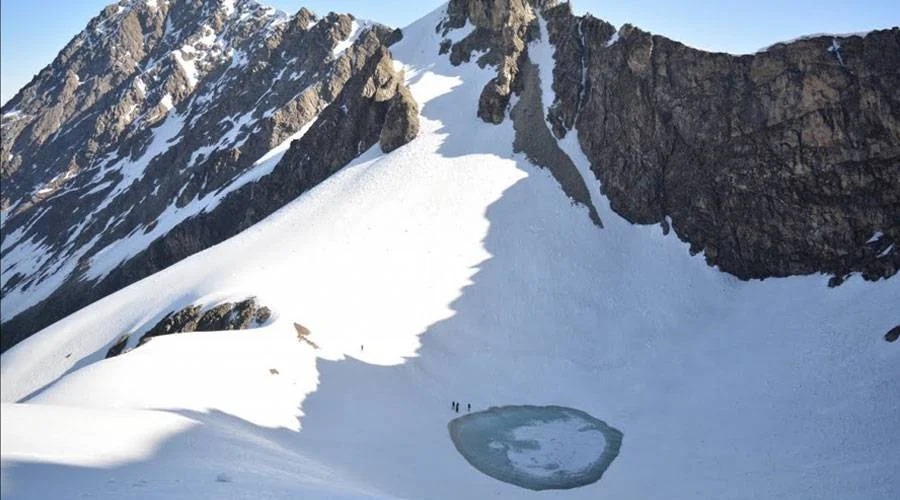
- Roopkund Lake (20 km): The mysterious Skeleton Lake surrounded by snow-clad peaks.
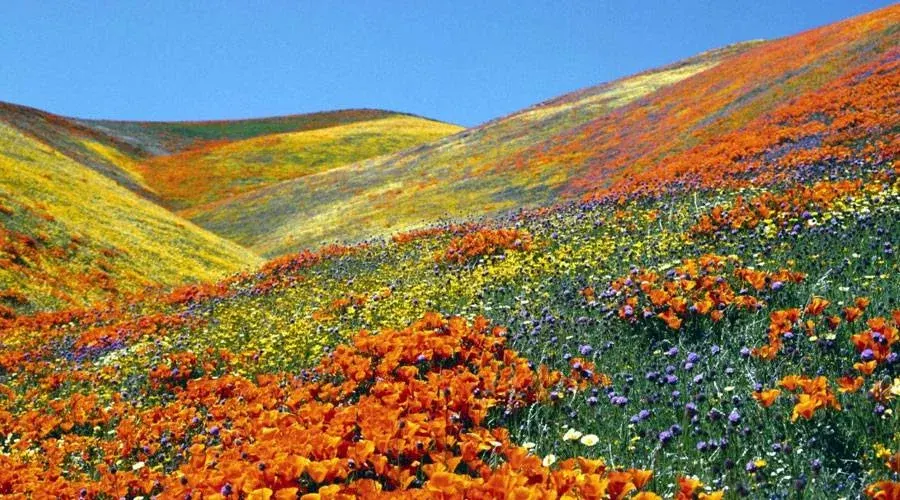
- Bedni Bugyal (15 km): Expansive alpine meadow with spellbinding views of Trishul and Nanda Ghunti.
- Kausani (90 km): Popular hill station offering panoramic views of the Trishul massif.
- Homkund (Base Camp for Nanda Ghunti): Sacred high-altitude lake with mythological significance.
- Karnaprayag (60 km): Pilgrimage town situated at the confluence of the Alaknanda and Pindar rivers.
How to Reach Trishul I Peak Uttarakhand
- By Air: The nearest airport is Jolly Grant Airport (Dehradun), around 250 km from Karnaprayag.
- By Train: Rishikesh Railway Station is the closest railhead, connected to major Indian cities.
- By Road: Karnaprayag is accessible via well-maintained roads from Rishikesh, Haridwar, and Dehradun. From there, local transport takes you to Sutol or Chandania Ghat — the base point for the trek.
Travel Tips
- Only experienced trekkers and climbers should attempt this ascent.
- Always check local weather forecasts before starting the climb.
- Acclimatize properly at base camps to prevent altitude sickness.
- Carry high-quality gear suited for snow and ice terrain.
- Respect local customs - the Trishul region is considered sacred.
Quick Facts about Trishul I Peak Uttarakhand
| Feature | Details |
|---|---|
| Altitude | 7,145 meters |
| Range | Kumaon - Garhwal Himalayas |
| Base Camp | Chandania Ghat |
| Climbing Route | Via Ronti Gad Glacier |
| First Ascent | 1907 by T.G. Longstaff |
| Best Time to Visit | July to September |
| Difficulty Level | Difficult |
| Nearest Town | Karnaprayag |
Trishul I Peak stands as a symbol of both spiritual reverence and mountaineering glory in Uttarakhand. Its resemblance to Lord Shiva’s Trident and its historical significance as the first 7,000-meter Himalayan summit ever climbed make it a true icon of adventure and devotion in the Indian Himalayas.