Nanda Devi East Peak, Chamoli, Uttarakhand
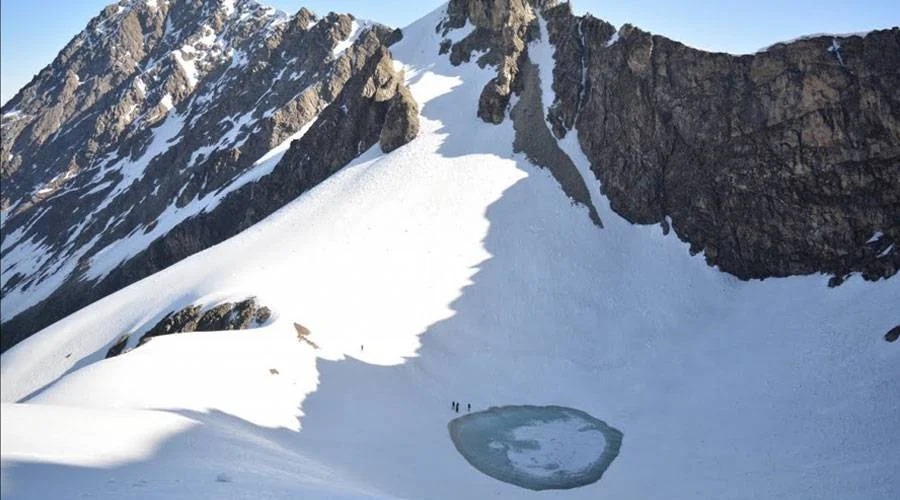
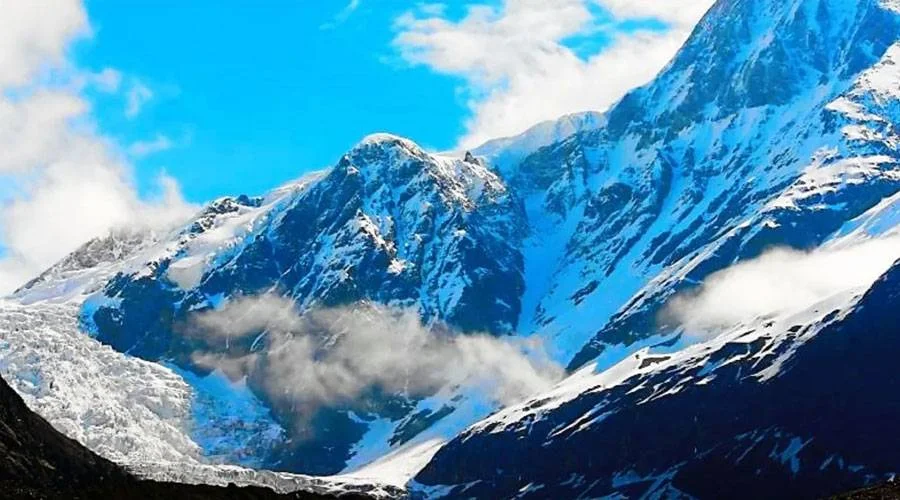
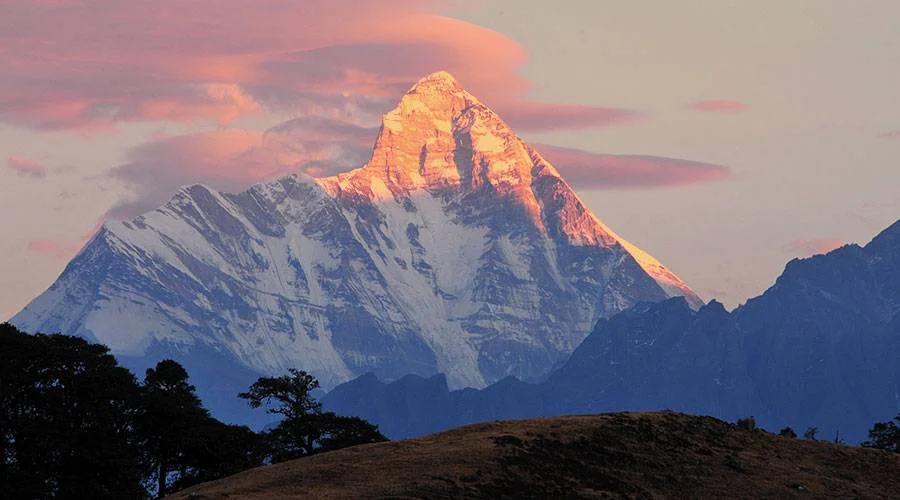
Nanda Devi, which means ‘Bliss-giving Goddess’ is the name given to the mountain which is counted second among the top tallest peak in India, when Mount Kanchenjunga stands on the border of India and Nepal is excluded. Part of the Greater Himalayas, this phenomenal peak is situated in the Garhwal region, in the Chamoli district of Uttarakhand.
Nanda Devi peak is considered as the Patron Goddess of the Uttarakhand Himalayas that has Rishi Ganga valley and the Goriganga valley flowing on its west and the east side, carries great religious significance in the Hindu religion. Blessed with an altitude of 7,816 m above sea level, Nanda Devi peak. along with the other surrounding mountains encircle the beautiful Nanda Devi Sanctuary conserving the fragile ecosystem.
It is a two-peaked massif, of which the western peak is higher than the eastern peak; which is now popularly known as Sunanda Peak, formerly it was called Nanda Devi East. Together, both the summits called the peaks of the Goddesses Nanda and Sunanda.
Nanda Devi peak in the Uttarakhand Himalayas is considered to be the favorite peak of adventure lovers for trekking, peak climbing, and various other adventure activities.
Historical and Mythological Significance of Nanda Devi East Peak
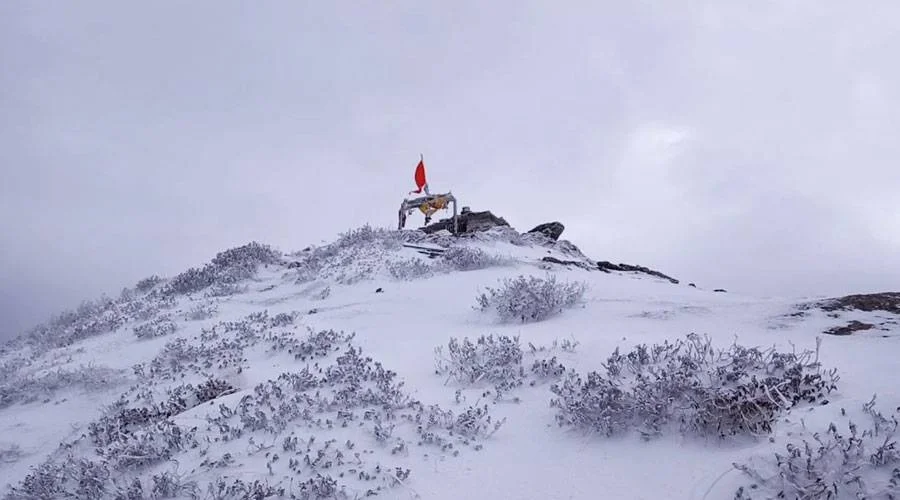
Nanda Devi, meaning “Bliss-giving Goddess”, is revered as the Patron Goddess of the Uttarakhand Himalayas. The Rishi Ganga and Goriganga valleys flow on either side of the mountain, enhancing its spiritual aura. According to local legend, the peak represents the divine presence of Goddess Nanda and her companion Sunanda, making the massif a sacred destination for pilgrims and adventurers alike.
Trekking and Climbing Highlights
Nanda Devi East Peak is favored by adventure enthusiasts seeking high-altitude trekking and mountaineering experiences. While the sanctuary is strictly regulated to preserve its fragile ecosystem, guided treks offer:
- Challenging mountain climbing routes
- Spectacular views of surrounding peaks including Nanda Kot, Trisul, and Chaukhamba
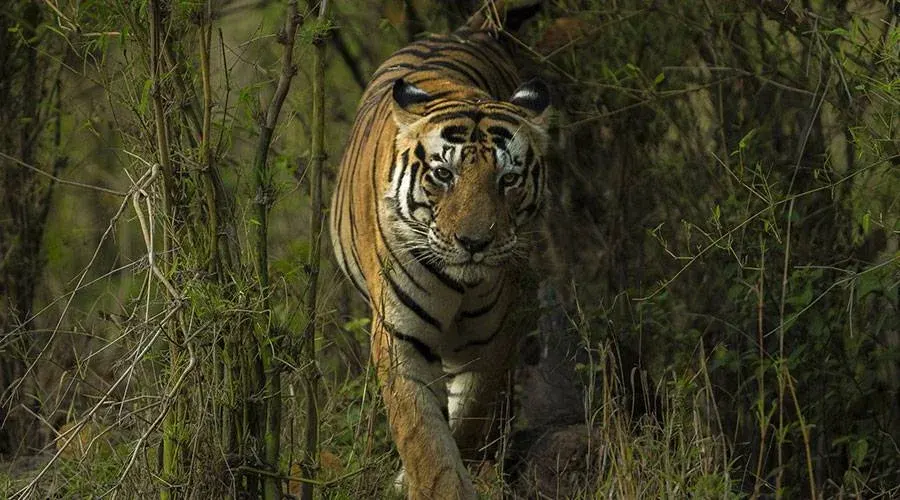
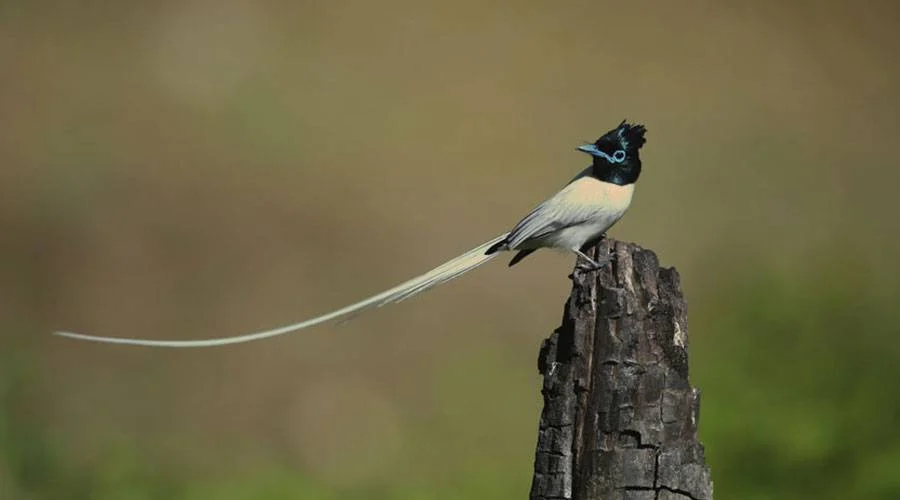
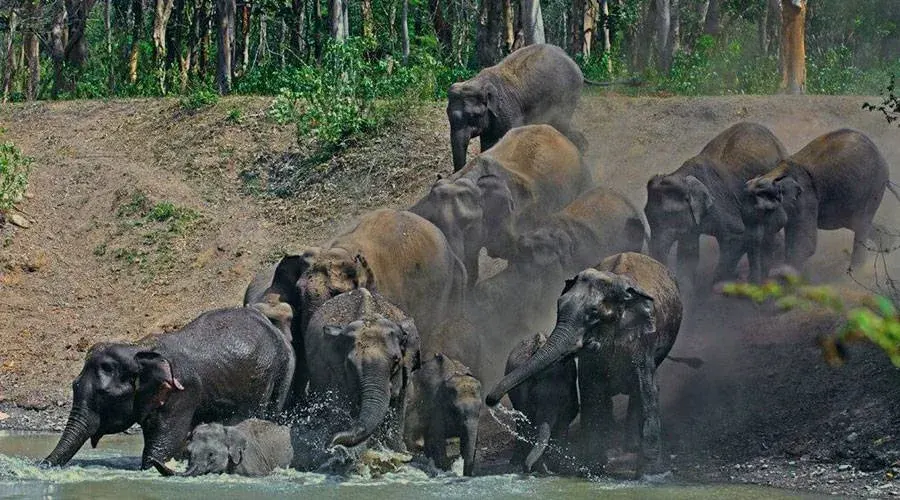
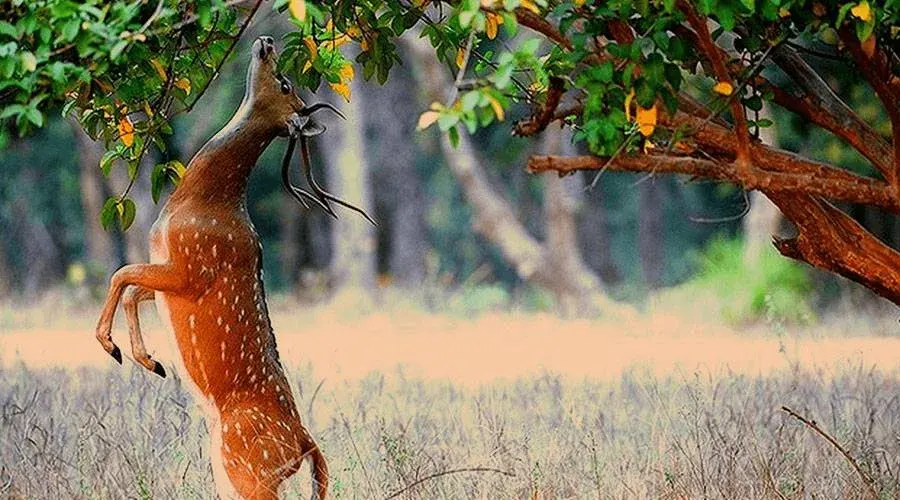
- Opportunities for wildlife spotting and photography in the sanctuary
- Immersive experience in pristine Himalayan wilderness
Treks to the base camps of Nanda Devi East require proper acclimatization and preparation due to the altitude and challenging terrain.
Best Time to Visit
The recommended time to explore the Nanda Devi Sanctuary and East Peak is May to October, when the weather is stable, and snow hazards are minimal. Winter months are mostly inaccessible due to heavy snowfall and extreme temperatures.
Quick Facts about Nanda Devi East Peak
| Category | Information |
|---|---|
| Location | Chamoli District, Uttarakhand |
| Altitude | 7,816 m (Sunanda/Nanda Devi East) |
| Difficulty | High-altitude trekking & mountaineering |
| Base Camp | Nanda Devi Base Camp (via Rishi Ganga or Goriganga Valley) |
| Nearby Peaks | Nanda Devi West, Nanda Kot, Trisul, Chaukhamba |
| Best Time to Visit | May–October |
| Nearest Town | Joshimath (~120 km), Rishikesh (~300 km) |
| Activities | Trekking, Peak Climbing, Wildlife & Photography |
Nearby Attractions
- Nanda Devi National Park: UNESCO World Heritage Site and biodiversity hotspot
- Rishi Ganga Valley: Scenic trekking and river exploration
- Goriganga Valley: Pristine alpine landscapes and trekking routes
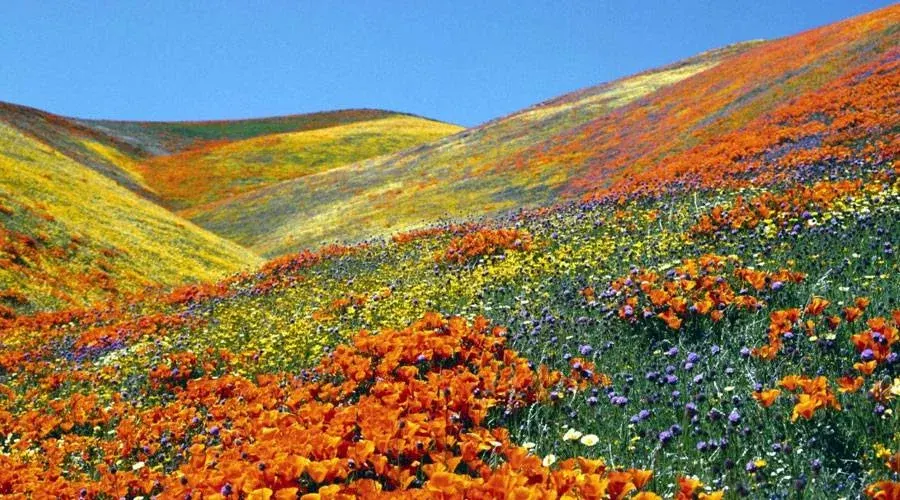
- Valley of Flowers: World-famous for wildflowers, near Chamoli
Tips for Trekkers and Climbers
- Always trek with experienced guides and obtain necessary permits.
- Acclimatize gradually to prevent altitude sickness.
- Carry proper high-altitude gear including insulated clothing, trekking boots, and climbing equipment.
- Respect the fragile ecosystem and follow park guidelines strictly.
- Stay hydrated and carry sufficient food for long treks.
Nanda Devi East Peak (Sunanda Peak) is a perfect blend of adventure, spirituality, and natural grandeur in Uttarakhand. Whether you are an avid mountaineer, trekking enthusiast, or nature lover, exploring this sacred Himalayan peak promises a once-in-a-lifetime experience amidst the breathtaking landscapes of Chamoli. The peak’s sacred significance combined with its challenging climbs makes it a must-visit for those seeking both adventure and spiritual connection.