Valley Of Flowers, Uttarakhand
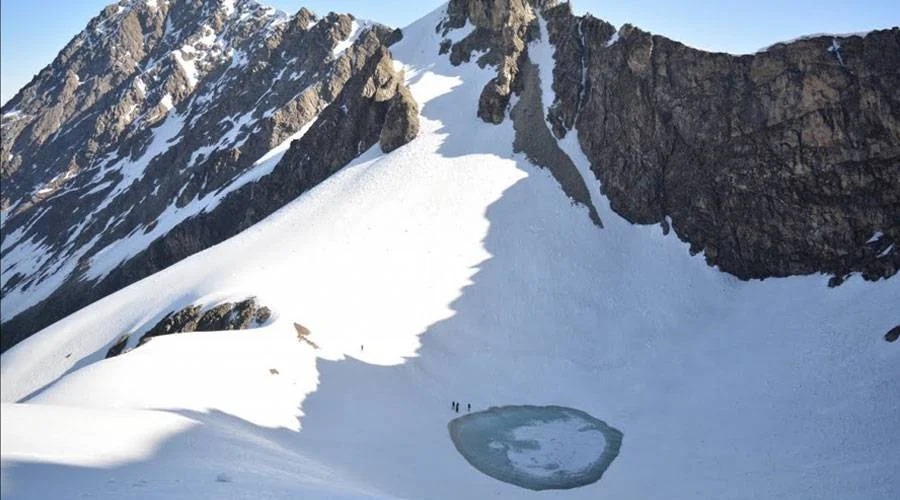
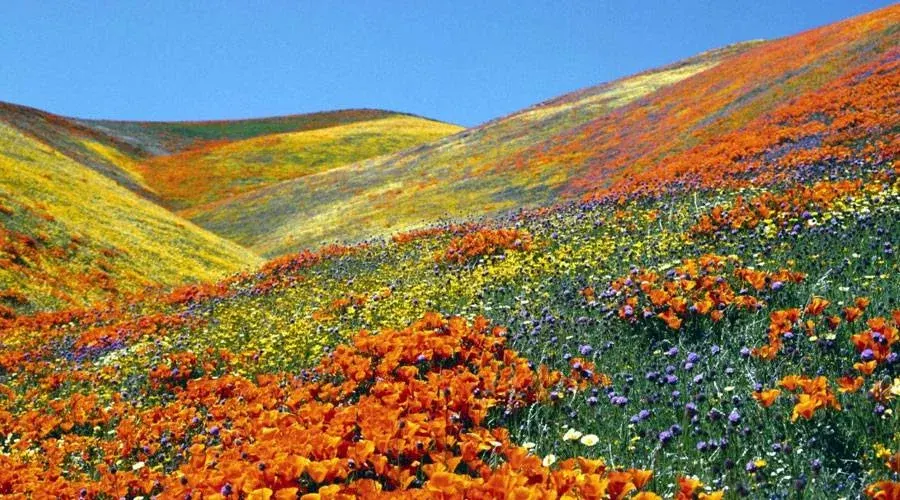
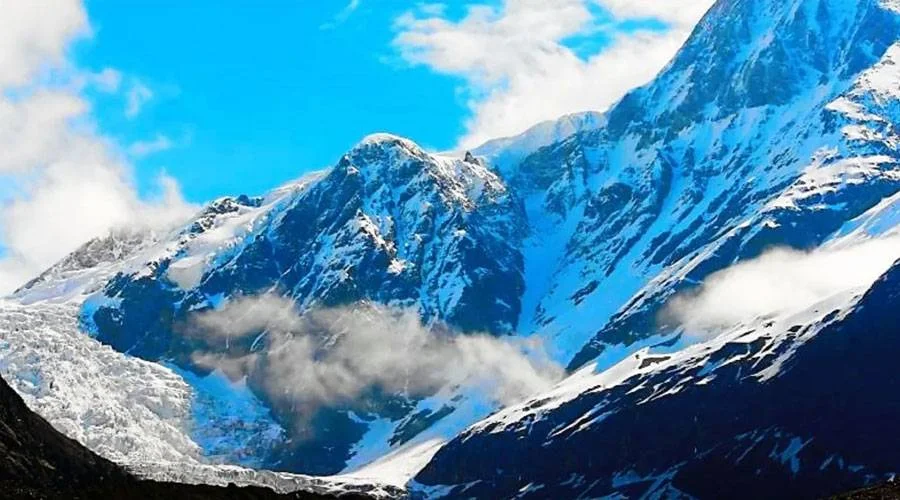
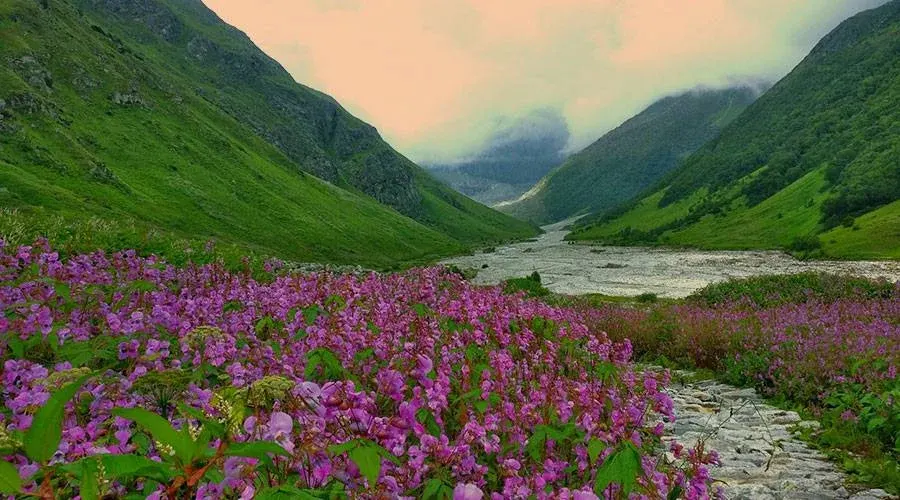
Valley of Flowers is located in Chamoli district (near Badrinath) of Uttarakhand, approximately 300 km to the north of Rishikesh. This is a picturesque national park, gracing the beauty of the Western Himalayas. Valley of flowers was discovered in 1931 and is a World Heritage Site for its wild untamed blooms surrounded by white peaks.
At the meeting point of the Himalayan ranges, Zanskar and Western and Eastern Himalayas, the valley of flowers discovered by Mountaineer Frank S Smith in 1931 have been declared a world heritage site for its wild untamed blooms surrounded by white peaks. Famous for its exotic varieties of medicinal herbs, it is also believed that Hanuman brought Sanjivani to the ailing Lakshmana from the valley of flowers.
A perfect place to laze around the umpteen number of Himalayan water-falls, streams, and paddocks and let the beauty of the place sink in.
History & Mythological Significance
The Valley of Flowers was discovered in 1931 by British mountaineer Frank S. Smythe while returning from an expedition to Mount Kamet. Captivated by the valley’s colorful expanse of wildflowers, he named it Valley of Flowers and later documented it in his famous book of the same name.
In Hindu mythology, this mystical valley is believed to be the place where Lord Hanuman collected the Sanjivani herb to revive Lord Lakshmana during the epic battle of Ramayana. Locals still regard the valley as sacred, where divine fragrances fill the air and rare herbs bloom with healing power.
Flora and Fauna of valley of flowers
The valley transforms into a natural carpet of flowers every monsoon, with over 600 species of flora, including Brahma Kamal, Blue Poppy, Cobra Lily, and Anemones. It’s also home to a variety of fauna such as:
- Himalayan black bear
- Snow leopard
- Musk deer
- Red fox
- Himalayan monal (state bird of Uttarakhand)
The diversity of species makes it one of the richest biospheres in the Himalayan region.
Things to Do in Valley of Flowers
- Trekking: Enjoy a scenic trek from Govindghat to Ghangaria and onward to the valley, surrounded by streams and waterfalls.
- Photography: Capture mesmerizing landscapes filled with colorful blooms and misty peaks.
- Nature Walks: Explore the trails dotted with alpine flowers, butterflies, and birds.
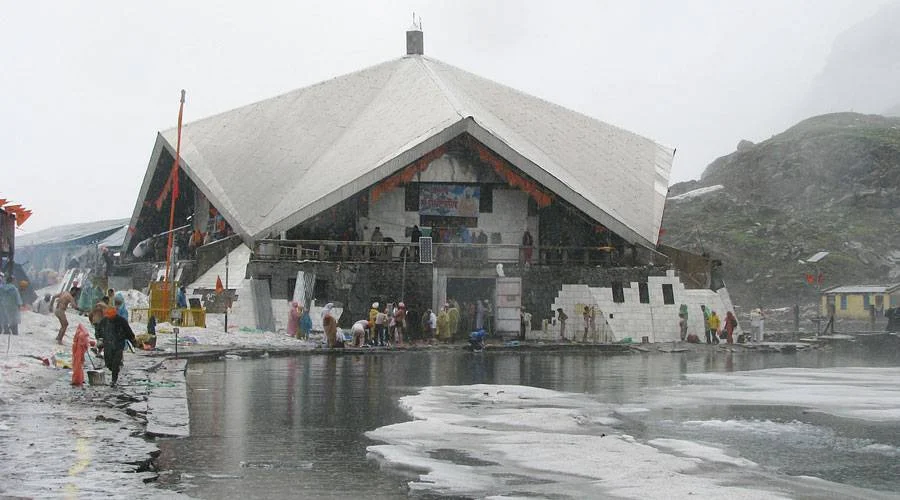
- Visit Hemkund Sahib: A sacred Sikh pilgrimage site located just 6 km from Ghangaria.
- Botanical Exploration: Discover rare Himalayan herbs and plants used in traditional medicine.
Quick Facts About Valley of Flowers
| Category | Information |
|---|---|
| Location | Chamoli District, Uttarakhand |
| Altitude | 3,658 m (12,000 ft) above sea level |
| Established | 1982 (UNESCO World Heritage Site since 2005) |
| Famous For | Alpine meadows, rare Himalayan flora, trekking, scenic beauty |
| Best Visiting Months | July to September |
| Entry Point | Govindghat - Ghangaria (base village) |
| Permit Required | Yes, available at Forest Check Post, Ghangaria |
| Timings | 7:00 AM – 5:00 PM (entry closes after 2:00 PM) |
| Nearby Airport | Jolly Grant Airport, Dehradun |
| Nearby Railway Station | Rishikesh (270 km) |
Nearby Attractions of valley of flowers
- Hemkund Sahib: Sacred Sikh pilgrimage site with a serene glacial lake.
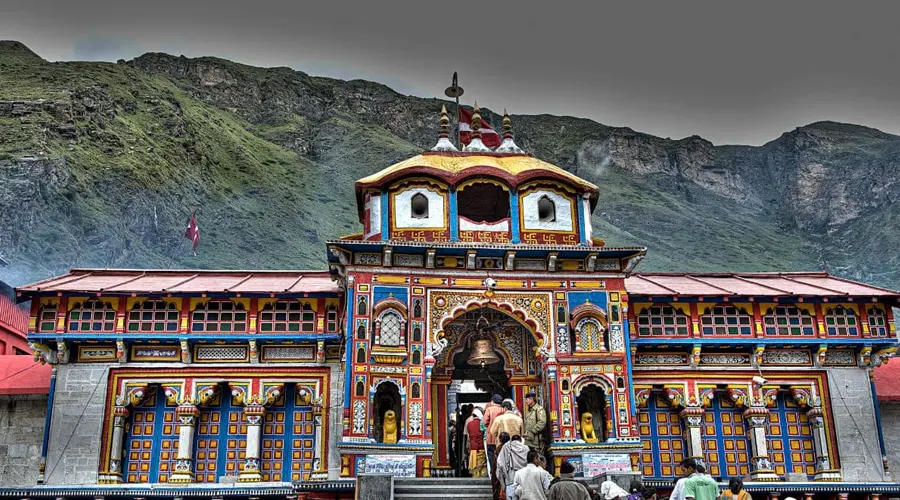
- Badrinath Temple: One of the four Char Dham sites of Hinduism.
- Auli: Renowned for skiing and panoramic Himalayan views.
- Mana Village: India’s last village near the Indo - Tibet border.
- Joshimath: Spiritual and trekking base for Badrinath and Auli.
The Valley of Flowers National Park is not just a trek - it’s a journey into nature’s divine artistry. Every corner of this Himalayan meadow blooms with color, peace, and mythological wonder. Whether you’re a nature lover, photographer, or pilgrim, this valley will leave you spellbound and refreshed beyond measure.