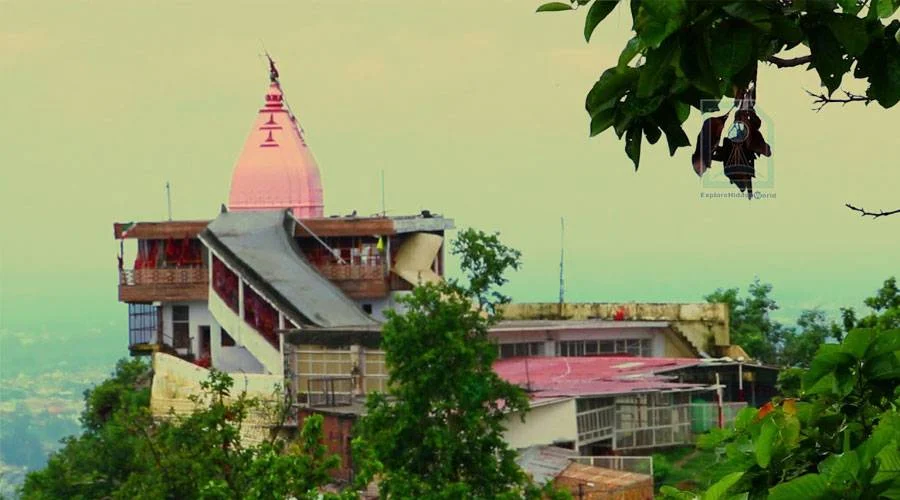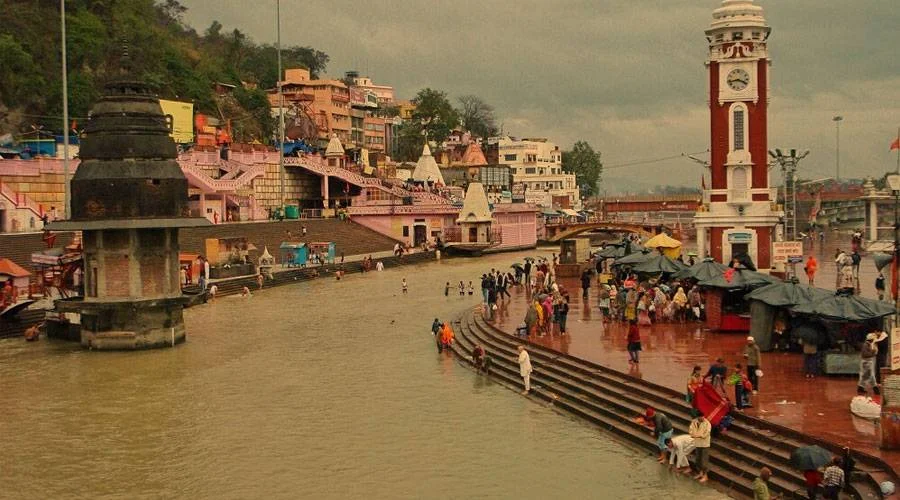

Kainchi Dham Temple, Uttarakhand – Sacred Ashram Of Neem Karoli Baba
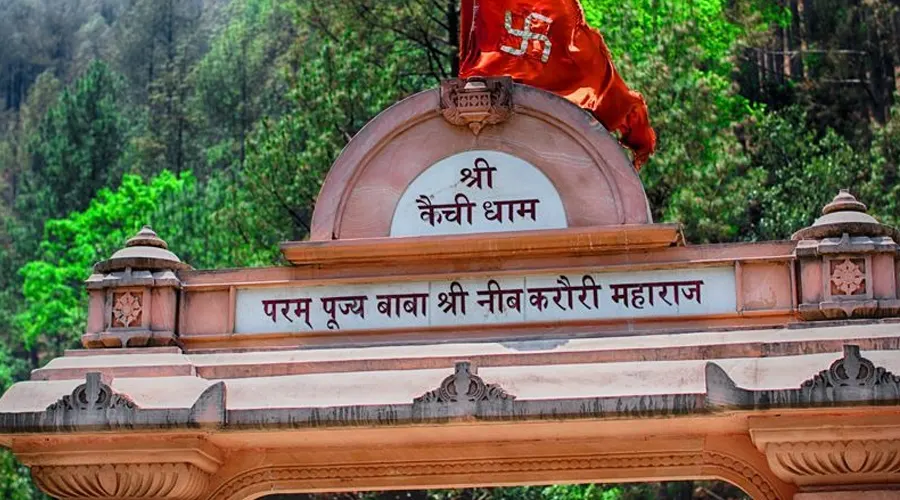
Spend your days in the rejuvenating realms of one of the most spiritually blessed destinations of Uttarakhand, Kainchi Dham. Perched on an elevation of 1400 m above sea level on the Nainital-Almora Road, it is one of the most prominent pilgrimage sites in India. Going back to 1942, as it was the year when Shri Poornanand of Kainchi Village and Neem Karoli Baba propounded the idea of dedicating an ashram to the revered Sombari Maharaj and Sadhu Premi Baba who used to offer yajnas here.
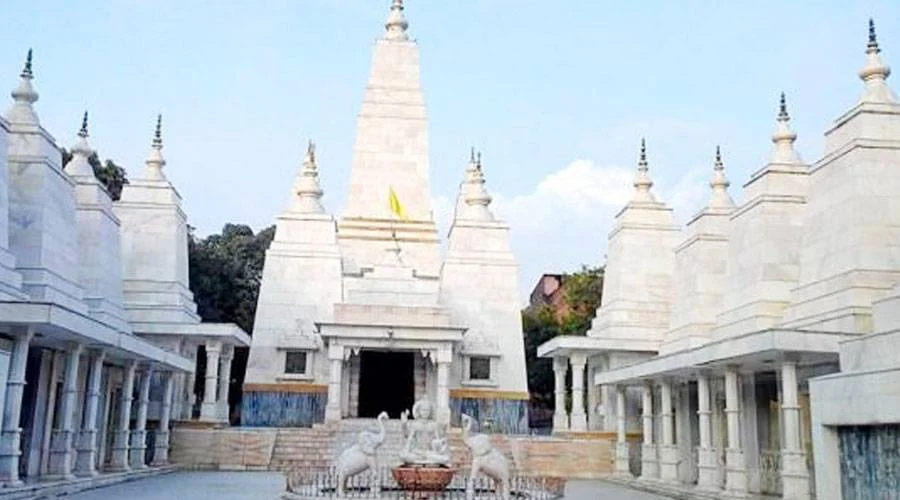
It was in 1962 when the forest area of the village was cleared and a platform in rectangular shape was established which was later procured by Neem Karoli Baba with authorization by the Forest Conservator. Where now stands the divinely beautiful Hanuman Temple, close to which stands an ashram and this popular religious site of Kainchi Temple.
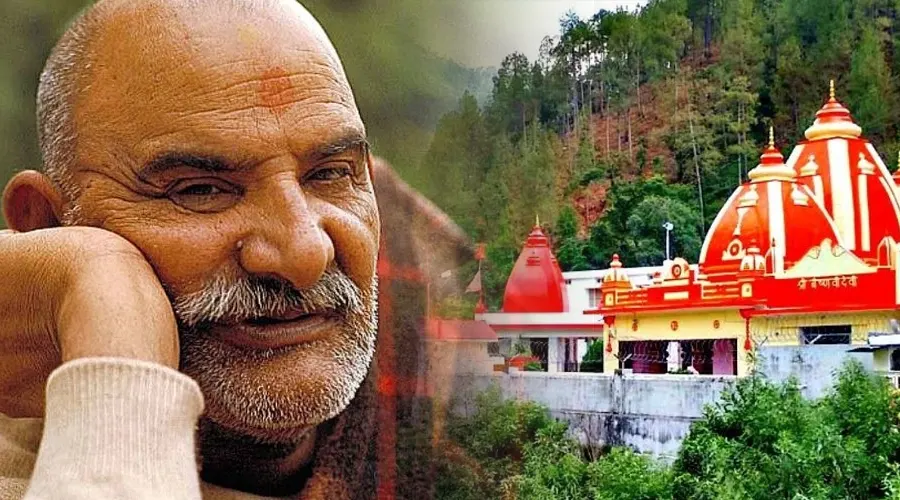
Neem Karoli Baba compassionately followed Lord Hanuman and believed in preaching simple yet spiritually empowering teachings. With his firm beliefs and different way of thinking, he won hearts not just in India but abroad as well.
History and Spiritual Significance of Kainchi Dham Temple
Kainchi Dham was founded in 1962 by Neem Karoli Baba, a mystic saint known for his miracles, teachings of bhakti yoga (devotion), and simplicity. The name "Kainchi" refers to the two sharp hairpin bends near the temple. Neem Karoli Baba, affectionately called Maharajji by his followers, attracted disciples from all over the world, including prominent figures like Steve Jobs and Mark Zuckerberg, who have credited their visits to Kainchi Dham for significant life inspiration.

Spiritual Importance of Kainchi Dham Temple
Kainchi Dham is not just a temple but a powerful spiritual center. The main deity worshipped here is Lord Hanuman, symbolizing strength, devotion, and humility.
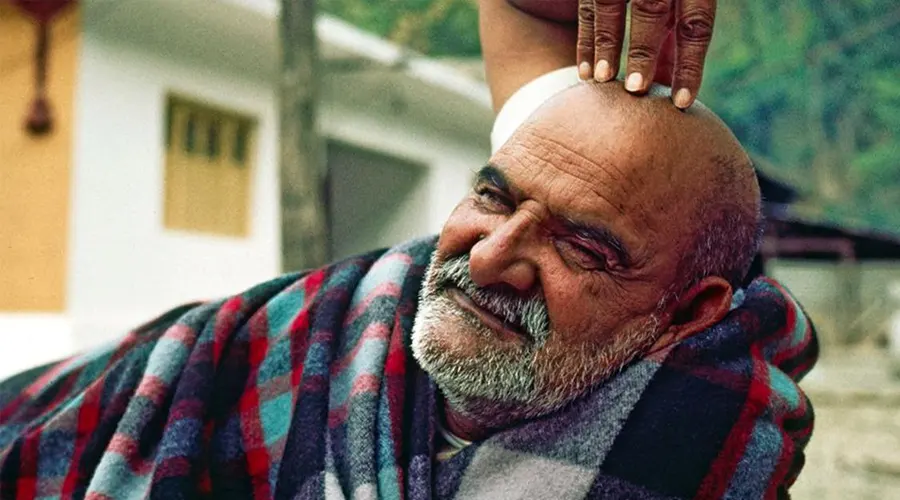
Pilgrims visit the temple seeking blessings, inner peace, and spiritual awakening. The ashram continues to uphold Neem Karoli Baba's teachings, serving free meals (prasad) and hosting devotees for meditation and seva (service).
Architecture and Serene Setting of Kainchi Dham Temple
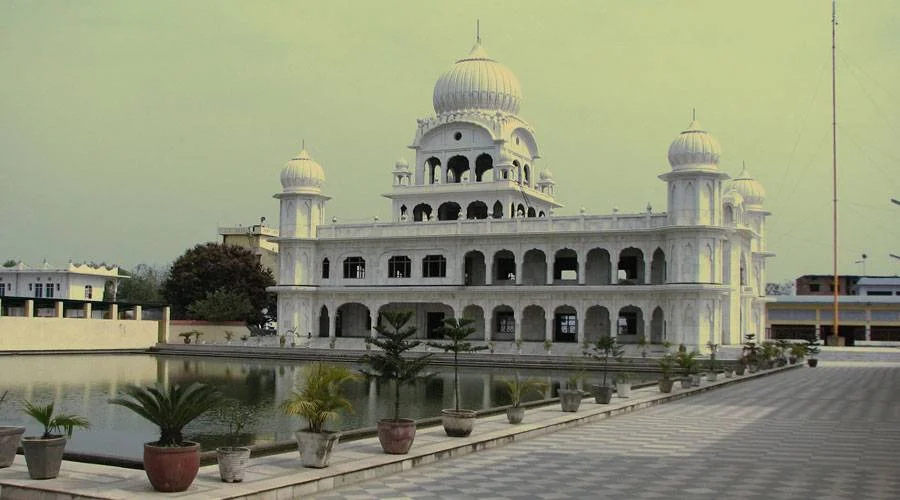
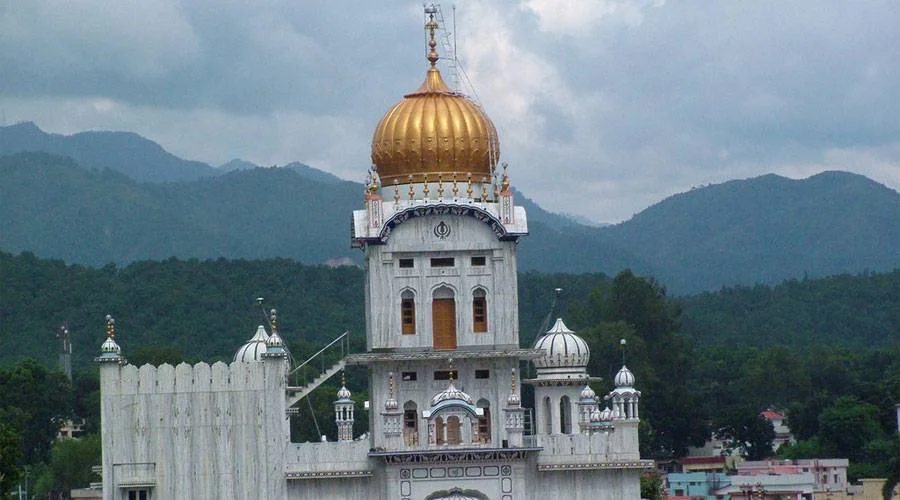
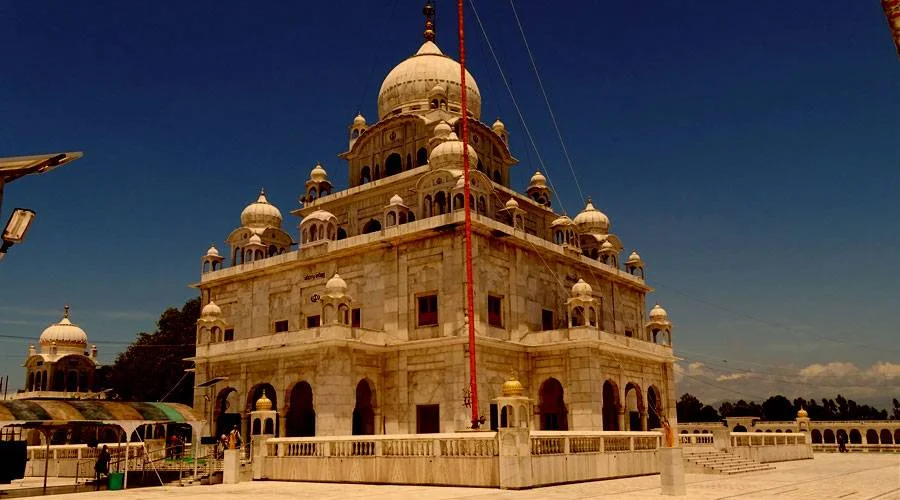
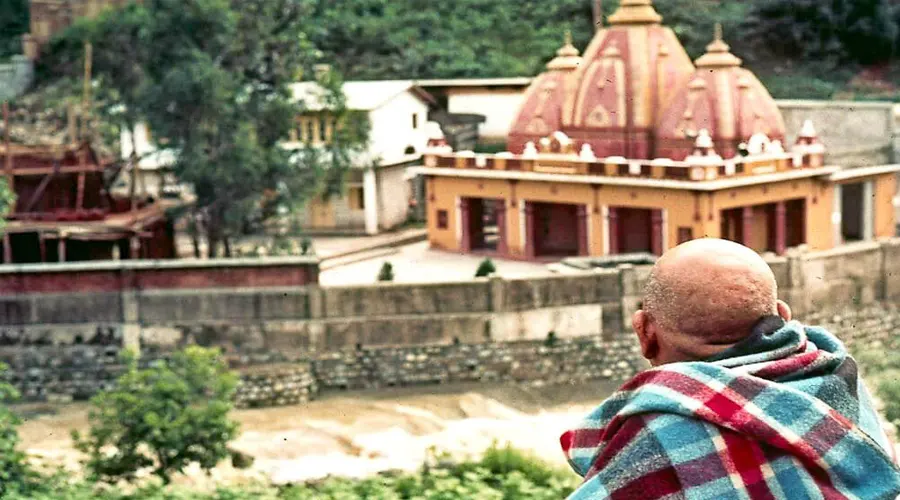
Set alongside the Kosi River, Kainchi Dham is surrounded by lush greenery and towering hills, offering a serene environment ideal for meditation. The architecture is simple yet spiritually vibrant, with shrines dedicated to Lord Hanuman, Neem Karoli Baba, and other deities.
How to Reach Kainchi Dham
- By Air: The nearest airport is Pantnagar Airport (approx. 70 km), with taxi services available to Kainchi Dham.
- By Train: Kathgodam Railway Station is the closest railhead (around 40 km away).
- By Road: Kainchi Dham is easily accessible by road from Nainital, Haldwani, Almora, and other nearby towns. Buses and taxis are readily available.
Best Time to Visit Kainchi Dham Temple
The best time to visit Kainchi Dham is between March and June or September to November when the weather is pleasant. The annual Bhandara (mass feast) on June 15th commemorating the temple's founding attracts thousands of devotees, making it a significant event to witness.
Temple Timings
The temple is usually open from:
- Morning: 7:00 AM to 11:00 AM
- Evening: 3:00 PM to 6:00 PM Timings may vary on special occasions or during the Bhandara festival.
Nearby Attractions
- Nainital: A picturesque hill station with a famous lake, zoo, and Mall Road (20 km away).
- Bhimtal: Known for its scenic lake and adventure activities (30 km away).
- Mukteshwar: A peaceful hill retreat with temples and panoramic views (50 km away).
Travel Tips for Visitors
- Wear modest clothing as it is a sacred site.
- Photography inside the temple complex is usually restricted.
- Maintain silence and decorum inside the temple and ashram.
- If visiting during the Bhandara, arrive early to avoid crowds.
- Basic accommodation is available in nearby towns like Bhowali and Nainital.
Kainchi Dham Temple is more than a destination; it's a journey inward. Whether you're a spiritual seeker, a nature lover, or simply looking to experience the soul of Uttarakhand, Kainchi Dham offers a sanctuary where divine energy and peace converge.