Badrinath Dham, Uttarakhand
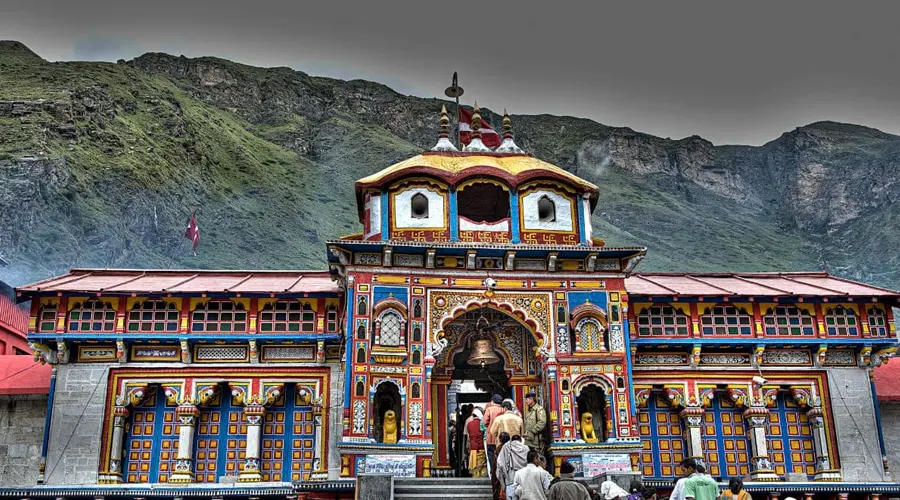
The picturesque town of Badrinath is where divinity meets the serenity of nature. Located in the Chamoli district in Uttarakhand at a height of 3,133 meters, the pre-eminent abode of Lord Vishnu is one of the holiest of the holy shrines of the Char Dham pilgrimage in India. Other Char Dham sites include Dwarka, Puri, and Rameswaram.
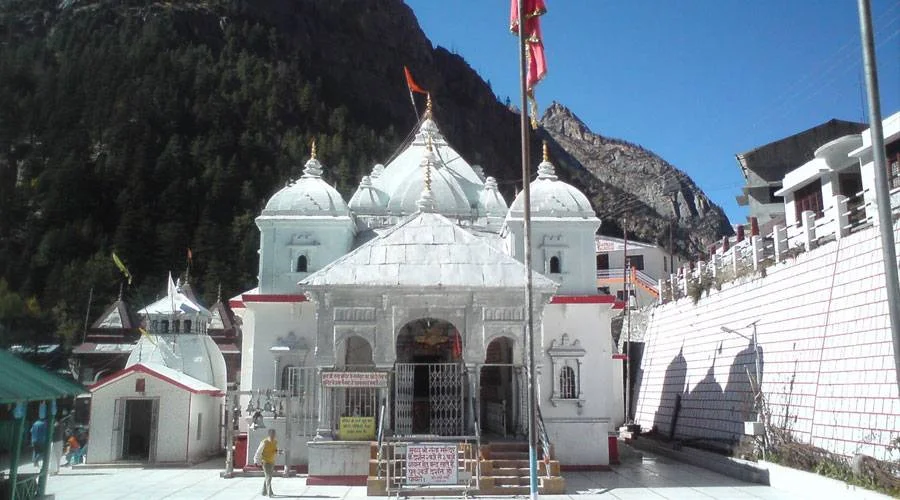
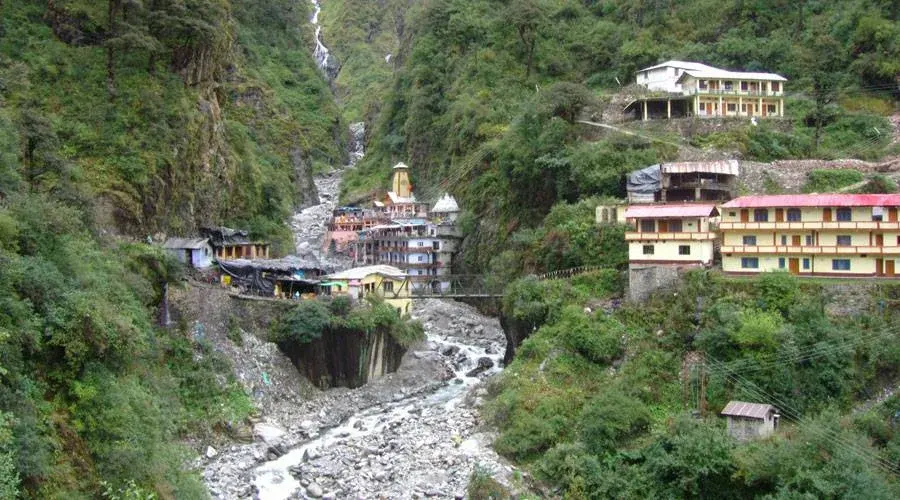
Situated between Nar and Narayan peaks, the pious land of Vishnu also belongs to the Chota Char Dham Yatra in Uttarakhand. Starting with Yamunotri, Gangotri, and Kedarnath, Badrinath is the last and most celebrated stop in the pilgrimage tour of the Garhwal Himalayas. Badrinath Dham is easily accessible by motorable roads and the Badrinath temple can be reached by walking along an easy trek. Around 3 km from Badrinath is the village of Mana, which is one of the last villages before the boundary of India ends and that of Tibet begins. The peak of Neelkanth stands strong, spreading its mighty aura for all pilgrims and travelers alike.
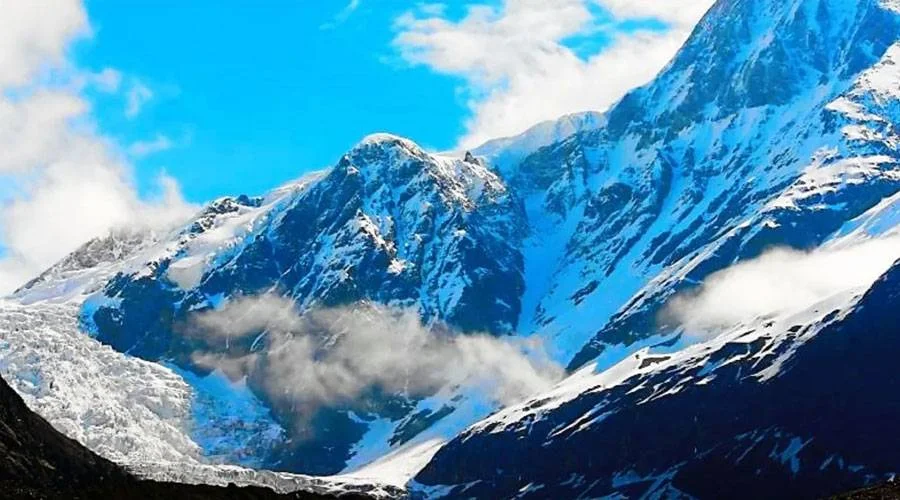
Badrinath is a land of myriad legends, each one only adding to the glory of this place. Along with these legends, the snowy mountain peaks, the gracefully flowing Alaknanda River, and incredible landscapes create the perfect background to facilitate a spiritual connection.
History of Badrinath Dham, Uttarakhand
The origin of “Badrinath” comes from the word Badri, referring to wild berries that once covered the region. According to ancient belief, when Lord Vishnu was performing penance here, Goddess Lakshmi took the form of a berry tree to protect Him from the harsh climate.
The shrine is believed to have been originally established by Adi Shankaracharya in the 8th century when he discovered the idol of Lord Vishnu in the Alaknanda River and enshrined it in a cave near Tapt Kund. Later, a temple was built by a Garhwal King in the 16th century, followed by multiple reconstructions due to natural calamities. Several mythological references, including the Pandavas’ final ascent to heaven (Swargarohini Peak) and visits by prominent sages like Narada, make this holy site rich in divine heritage.
Spiritual Significance of Badrinath Dham, Uttarakhand
Badrinath Dham is the supreme abode of Lord Vishnu, worshipped here as Badri Vishal, the protector and preserver of the universe. The temple is also associated with the Dharmic journey of attaining Moksha, making it an essential pilgrimage for those who seek liberation. Scriptures say:
"There are many sacred places in the three worlds, but none equal to Badri."
This is also the land where Nara and Narayana, twin incarnations of Lord Vishnu, performed deep meditation for the welfare of humanity.
Top Things to See in Badrinath
Badrinath Temple
- An iconic temple dedicated to Lord Vishnu
- Houses a black Saligrami idol in meditation posture
- Surrounded by idols of Nar, Narayana, Garuda, Kuber & others
- Winter shift of deity to Yogadhyan Badri, Pandukeshwar
Tapt Kund
- Natural hot spring just below the temple
- Believed to have therapeutic and purifying properties
- A holy dip is customary before entering the temple
Brahma Kapal
- Flat stone platform on the riverbank
- Rituals performed here are believed to help ancestors attain liberation
Neelkanth Peak
- Towering 6,597 meters above sea level
- Known as the ‘Queen of Garhwal’
- Stunning sunrise view adds a divine aura
Mata Murti Temple
- Located 3 km away
- Dedicated to the mother of Nara and Narayana
- Annual Mata Murti Fair is celebrated with great devotion
Charan Paduka
- The rock is believed to bear the footprints of Lord Vishnu
- 3 km steep trek offering panoramic views
Sheshnetra
- Rock with an eye-like marking representing Sheshnag, Vishnu’s divine serpent
- Believed to guard the shrine
Vasudhara Falls
- 122 m stunning waterfall
- Accessible via trek from Mana village
- A peaceful and scenic spiritual retreat spot
Temple Timings
| Season | Darshan Timings |
|---|---|
| Summer | 4:30 AM – 9:00 PM |
| Winter | Temple remains closed |
(Aarti & ritual timings vary seasonally)
Travel Tips
- Book accommodation and transport in advance during peak season
- Keep warm clothes as the temperature drops suddenly
- Carry essential medicines & maintain hydration
- Avoid late-evening road travel in hilly terrain
- Respect temple rituals and maintain cleanliness
Nearby Attractions
- Mana Village – Last Indian village before the Tibet border
- Bheem Pul – Legendary rock bridge built by Bheem
- Vyas Gufa – Cave where sage Vyas wrote the Mahabharata
- Ganesh Gufa – Dedicated to Lord Ganesha
- Alkapuri Glacier – River Alaknanda’s origin
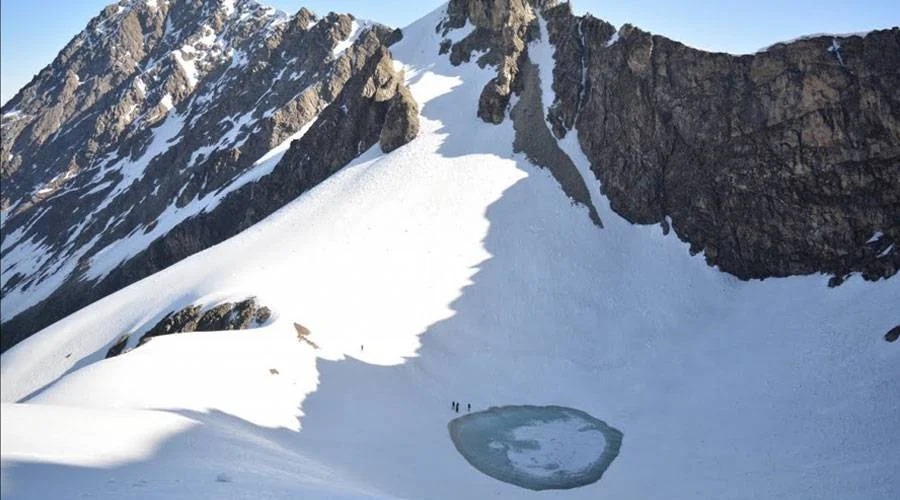
- Satopanth Lake – Sacred high-altitude lake (trek)
How to Reach Badrinath
| Mode | Details |
|---|---|
| By Air | Nearest airport: Jolly Grant Airport, Dehradun (317 km) |
| By Train | Rishikesh Railway Station (300 km) is the closest railhead |
| By Road | Well-connected by road via Rishikesh, Haridwar, Devprayag, Rudraprayag, and Joshimath |
Regular buses & taxis are available from major Uttarakhand towns.
Best Time to Visit
- May to June - Pleasant weather, ideal pilgrimage season
- September to October - Clear views post-monsoon, spiritual festivals
- Winter Closure - November to April (idol shifted to Pandukeshwar)
Avoid the monsoon (July–August) due to landslide risks.
Quick Facts about Badrinath Dham, Uttarakhand
| Detail | Information |
|---|---|
| Location | Chamoli District, Uttarakhand |
| Dedicated to | Lord Vishnu (Badri Narayan) |
| Altitude | 3,133 meters |
| Yatra Importance | Final stop of Chota Char Dham |
| River | On the banks of Alaknanda |
| Entry Fee | Free |
| Nearby Village | Mana - India’s Last Village |
Badrinath Dham is not just a temple, it is a sacred path to spiritual awakening set amidst breathtaking Himalayan grandeur. The divine presence of Lord Vishnu, mythological stories, thermal springs, towering peaks, and ancient rituals make this pilgrimage deeply soul-enriching. Whether you visit to seek blessings, discover history, or admire nature’s marvels, Badrinath offers a truly divine experience that stays with you forever.