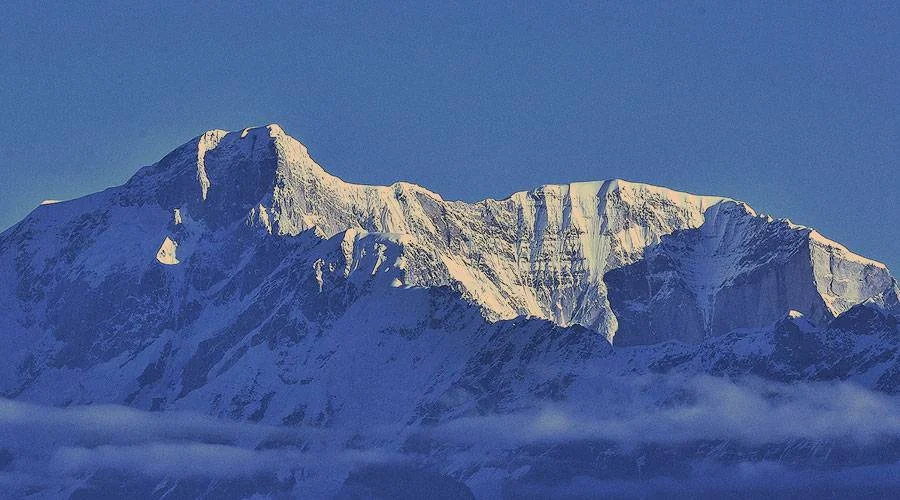
Kedarnath Peak, Uttarakhand
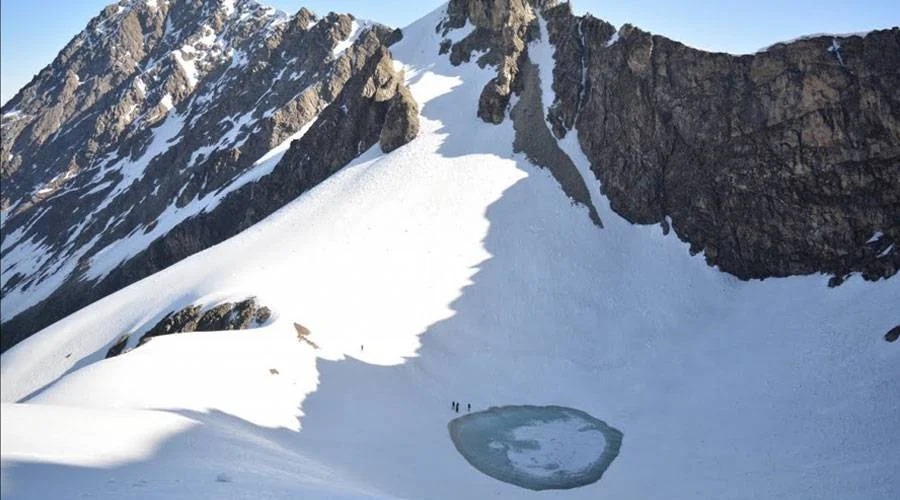
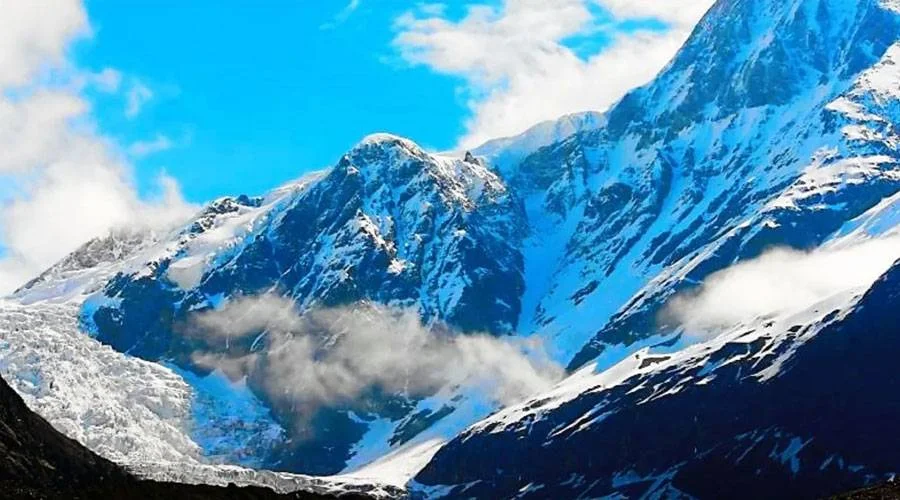
Part of the Gangotri Group of Peaks, Kedarnath stands tall with a height of 6992 m. This 6-thousand meters peak is situated to the south of the popular Kedardome peak and Gangotri Glacier makes for a memorable peak climbing adventure in the Gangotri region of Garhwal Himalayas. It is the highest peak towards the south of Gangotri Glacier and has two climbing routes, Northwest Flank and East Face, out of which Northwest Flank is the easier one. Kedarnath Peak that faces the temple is somewhat a vertical wall that has an easier ascent.
It has Mt Kedardome on the left and Bharte Kuntha and Kirti Stambh on the right. The base camp for Kedarnath Peak is above Tapovan. The route for the advance base camp of the peak skirts around the slopes of Shivling and then entered Kirti Glacier and is not an easy drill. Snow-laden and full of avalanche-prone gullies, Kedarnath is a challenging expedition that not only requires skill and strength but immense determination as well.
Kedarnath and Kedarnath Dome are two mountains in the Gangotri Group of peaks in western Garhwal Himalaya in Uttarakhand state, India. Kedarnath peak lies on the main ridge that lies south of the Gangotri Glacier. Kedarnath is the highest peak on the south side of Gangotri Glacier, and Kedarnath Dome is the third highest. Both peaks have relatively easy routes on their northwest sides, but the east face of Kedarnath Dome is a large, very difficult rock. The south face of Kedarnath peak gives a different kind of climbing experience.
Mythology of Kedarnath Peak, Uttarakhand
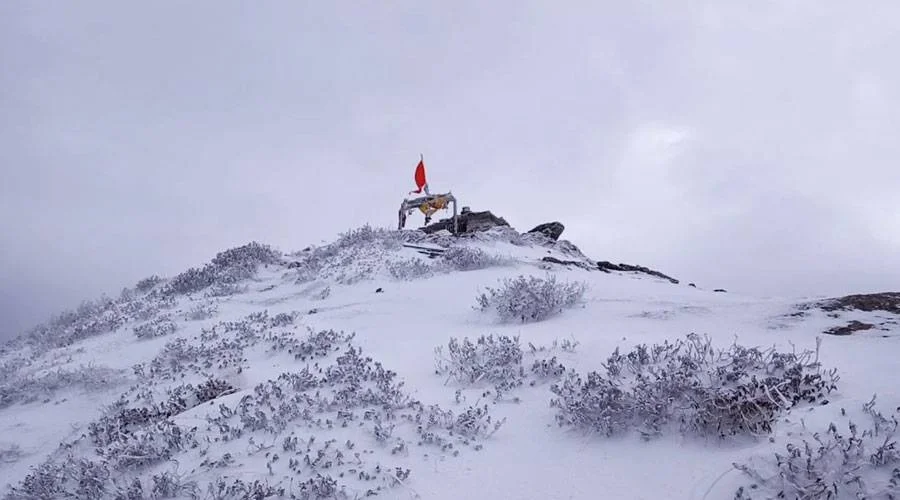
Kedarnath Peak is deeply connected to Hindu mythology and the Kedarnath Temple, one of the 12 Jyotirlingas of Lord Shiva. The peak is considered sacred and forms a spiritual backdrop to the temple.
Key Features & Mythological Highlights:
- The south face of Kedarnath Peak faces Kedarnath Temple and is considered highly sacred.
- Legend states Lord Shiva appeared as a bull, with the hump at the temple and the rest of his body in surrounding peaks.
- Neighboring peaks like Shivling, Trishul, and Nanda Devi are associated with divine forms in Hindu lore.
- The area is believed to protect the valleys and maintain spiritual balance.
Adventure & Trekking Experience
The trek to Kedarnath Peak is a high-altitude expedition that demands endurance, skill, and proper preparation. Climbers can witness:
- Glacial crossings of Kirti Glacier and surrounding snowfields
- Rugged rocky ridges with loose rocks and steep slopes
- Panoramic views of neighboring peaks like Shivling, Trishul, and Meru
- High-altitude meadows, ideal for acclimatization and photography
The expedition is physically demanding, making it perfect for seasoned climbers and thrill-seekers.
Nearby Attractions
| Attraction | Distance | Highlights |
|---|---|---|
| Kedarnath Temple | 10 km | Sacred Hindu pilgrimage site |
| Tapovan Meadow | 5 km | High-altitude meadow popular with trekkers |
| Kedardome Peak | 7 km | Neighboring peak with challenging climbing routes |
| Shivling Peak | 8 km | Iconic twin-summit Himalayan peak |
These attractions make Kedarnath Peak not only a climbing destination but also a hub for spiritual and nature tourism.
Best Routes for Climbing Kedarnath Peak
- Northwest Flank:
The more approachable route, suitable for climbers with some mountaineering experience. It offers a gradual ascent and serves as a safer option for first-timers. - East Face:
This is a technical and demanding route, with steep snow-laden slopes and avalanche-prone areas. Recommended only for experienced climbers. - South Face:
Facing the Kedarnath Temple, this route is a vertical wall that provides an adventurous climb along with a spiritual experience. - Base Camp – Tapovan:
Located above the Tapovan meadow, this base camp provides easy access to both the Northwest Flank and South Face routes. From here, climbers cross glaciers, snow gullies, and rocky terrains to reach the summit.
Safety Tips for Climbers
- Always hire a certified guide familiar with the Gangotri region.
- Carry mountaineering gear – crampons, ice axes, harness, helmets, and ropes.
- Acclimatize properly at Tapovan or nearby high-altitude meadows.
- Avoid overexertion and stay hydrated.
- Check weather conditions regularly before attempting the summit.
Kedarnath Peak Quick Facts – Uttarakhand Himalayas
| Feature | Details |
|---|---|
| Location | Gangotri Group of Peaks, Garhwal Himalayas, Uttarakhand, India |
| Elevation | 6,992 meters above sea level |
| Mountain Range | Garhwal Himalayas |
| Nearest Base Camp | Tapovan |
| Popular Routes | Northwest Flank (easier), East Face (challenging) |
| Climbing Difficulty | Advanced; snow-laden slopes and avalanche-prone gullies |
| Best Time to Visit/Climb | May to October |
| Spiritual Significance | Faces Kedarnath Temple; associated with Lord Shiva legends |
| Nearby Peaks | Kedardome, Shivling, Kirti Stambh, Bharte Kuntha |
| Activities | Trekking, Peak Climbing, Photography, Spiritual Pilgrimage |
Kedarnath Peak is a perfect blend of adventure, spirituality, and natural beauty. Its challenging climbing routes, snow-covered ridges, and proximity to Kedarnath Temple make it a unique Himalayan expedition. From glacial crossings to panoramic Himalayan views, every step on this peak is an unforgettable experience. For mountaineers and trekkers looking for both thrill and spiritual ambiance, Kedarnath Peak is truly a must-visit destination in Uttarakhand.