Nartiang Monoliths – Timeless Stones Of Jaintia Legacy
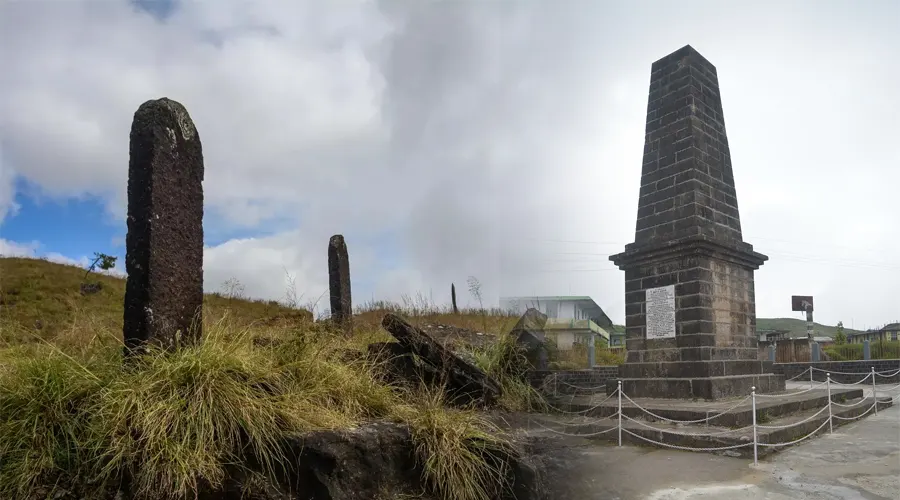
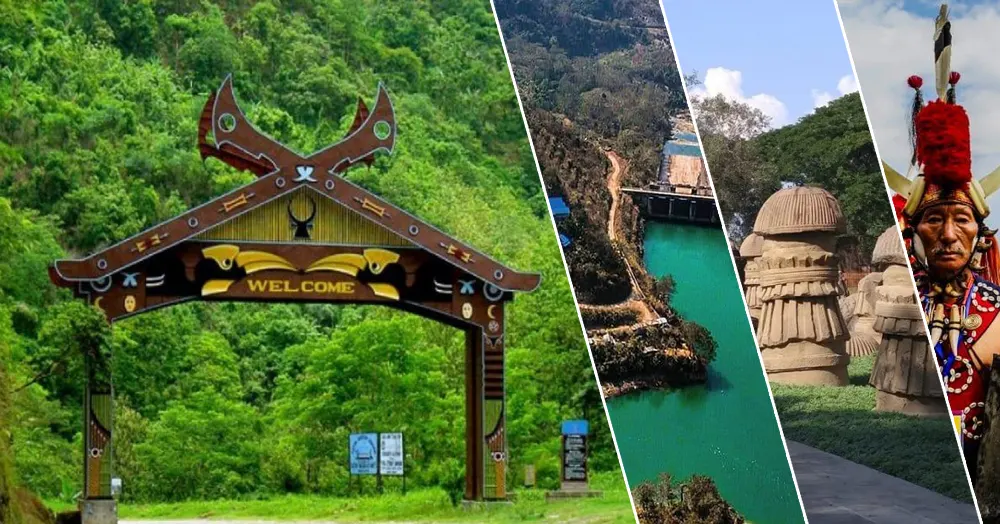
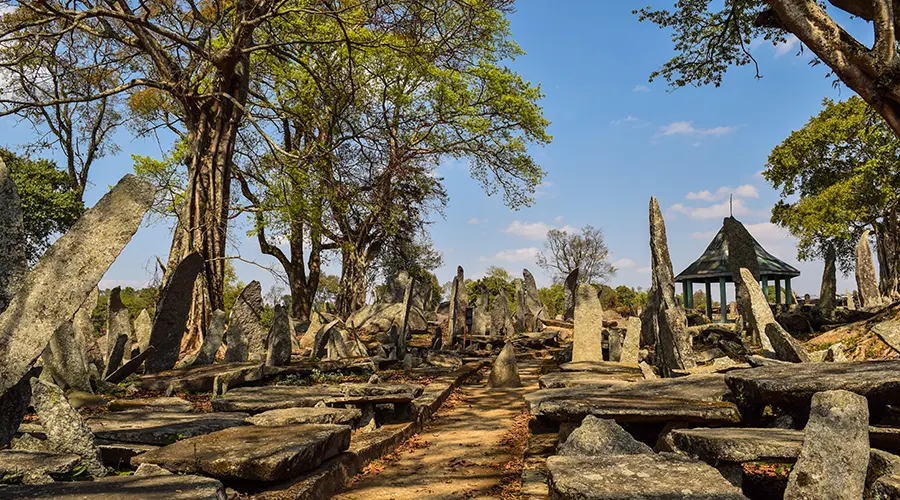
Located in the West Jaintia Hills, the Nartiang Monoliths form one of the most fascinating ancient archaeological sites in Meghalaya. These massive upright stones are clustered just north of the Nartiang market, forming the largest collection of monoliths anywhere in the Khasi and Jaintia Hills.
This heritage site, declared of national importance in 1958, reflects the Jaintia community’s tradition of erecting monoliths to honor ancestors, warriors, or significant clan members. Many of the stones are over 300 to 400 years old, and some reach up to 8 meters high.
The site showcases both menhirs (upright stones) and dolmens (flat stones laid horizontally). Together, they paint a rich picture of Meghalaya’s megalithic culture, spiritual beliefs, and community pride.
History of Nartiang Monoliths
The Nartiang Monoliths date back to the 16th–19th centuries and stand as a powerful testament to the megalithic culture of the Jaintia people. These stones were erected to honor ancestors, clan chiefs, and warriors, especially during the reign of King Mar Phalyngki, a notable Jaintia ruler. The site reflects a unique tradition where menhirs (upright stones) and dolmens (horizontal stones) were set up during community gatherings, rituals, and feasts.
It served not only as a memorial site but also as a spiritual space linking the living with the spirits of the ancestors. Recognizing its cultural and historical value, the Archaeological Survey of India declared the site a Monument of National Importance in 1958.
Key Historical Highlights:
- Originates from the Jaintia Kingdom era (16th–19th century)
- Promoted by King Mar Phalyngki
- Used to honor important figures in the community
- Involves both spiritual and social traditions
- Declared a national monument in 1958
Quick Facts About Nartiang Monoliths
|
Feature |
Details |
|
Location |
Nartiang Village, West Jaintia Hills |
|
Type |
Megalithic site with upright stones |
|
Historical Significance |
Declared of national importance in 1958 |
|
Age |
Some monoliths are over 400 years old |
|
Nearby Site |
Nartiang Durga Temple |
|
Height of Monoliths |
Up to 8 meters tall |
Things to Do at Nartiang Monoliths
- Explore the Megalithic Structures: Walk among the tall standing stones, dolmens, and menhirs that represent centuries of Khasi-Jaintia tradition.
- Photography & Heritage Walks: Capture unique shots of the monoliths and learn the local folklore and legends.
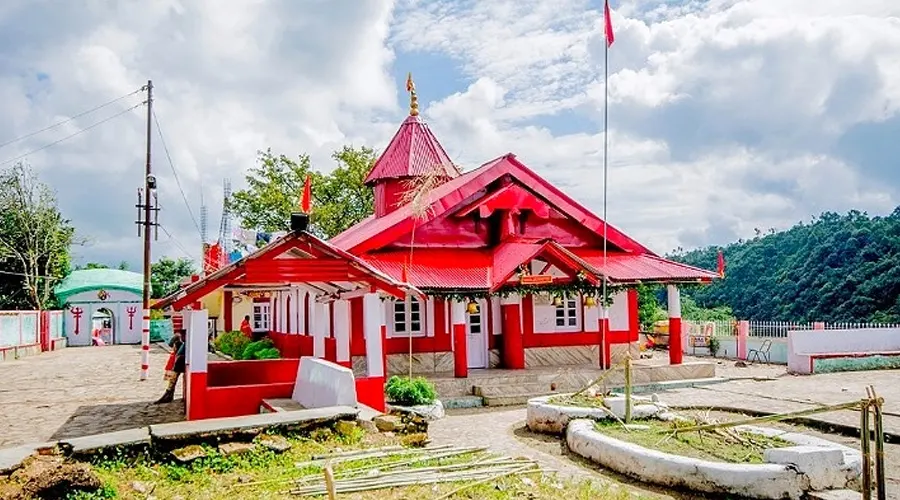
- Visit Nartiang Durga Temple: Located nearby, it is one of the few Hindu temples in the region with royal historical ties.
- Learn from Local Guides: Engage with local historians or elders who can share oral histories and beliefs related to the monoliths.
Nearby Attractions
|
Place |
Distance |
Highlight |
|
Nartiang Durga Temple |
1 km |
One of Meghalaya’s oldest Hindu temples |
|
Jowai Town |
25 km |
Local markets, culture, and food |
|
Thadlaskein Lake |
35 km |
Scenic lake for picnics & boating |
|
Krang Suri Falls |
45 km |
Beautiful blue waterfall, great for photos |
Travel Tips
- Wear comfortable shoes for walking on uneven stone paths.
- Hire a local guide to learn about the history and symbolism of the monoliths.
- Carry water and light snacks – facilities are limited near the site.
- Read up on Jaintia tribal history to appreciate the cultural depth.
- Respect the heritage site – avoid touching or climbing on the stones.
Conclusion
The Nartiang Monoliths are a timeless reminder of the Jaintia community’s rich heritage and spiritual traditions. A visit to this historic site offers a unique glimpse into Meghalaya’s ancient past.