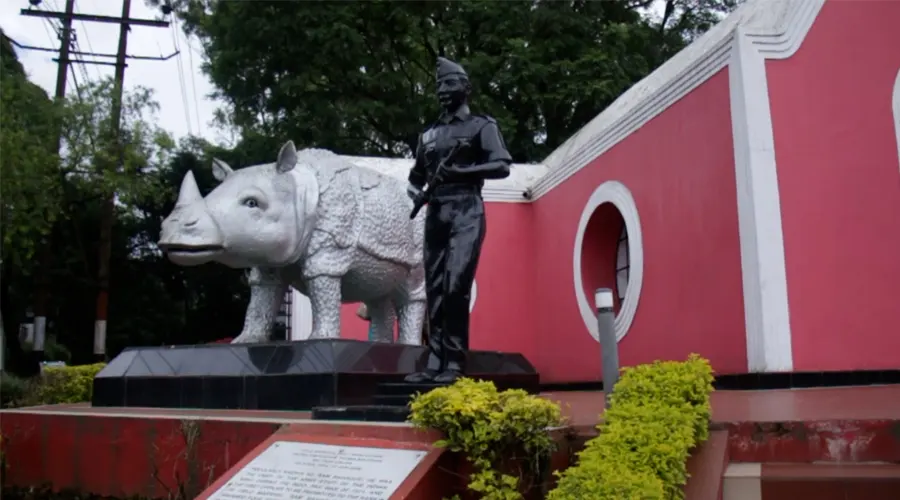
Rhino Heritage Museum Shillong: Echoes Of War And Valor
Tucked in the military cantonment area of Shillong, the Rhino Heritage Museum is a powerful reminder of India's military history, courage, and culture. Originally built in 1928, the structure once held Japanese prisoners during World War II. Today, it stands as one of the most significant war museums in North East India, showcasing everything from military artifacts to the heritage of the Assam Rifles.
A visit here offers travelers a compelling narrative—from World War II relics to the 1971 Indo-Pak War, along with personal stories of bravery like that of Captain Keishing Clifford Nongrum.
Historical Significance of Rhino Heritage Museum
The museum’s building was constructed during the British era and has a deep connection with India’s wartime history:
- Built in 1928 during colonial times
- Used to hold Japanese prisoners during WWII
- Recently renovated and inaugurated by Lt. Gen. Shokin Chauhan
- Transformed into a modern museum reflecting military and regional history
Its recent renovation has added curated galleries and exhibits that dive deep into the Northeast’s strategic importance in global and regional conflicts.
Museum Highlights
The Rhino Heritage Museum has several sections that attract history buffs, military personnel, and tourists alike:
Military Artifacts
- Uniforms of fallen soldiers
- Medals, badges, and ceremonial items
- Rifles, machine guns, and equipment from Japan, China, Iraq, and NATO
Assam Rifles Gallery
- Dedicated to valor and sacrifice of the Assam Rifles
- Exhibits on the Headquarters 101 Area
- Insight into 1971 Indo-Pak war and the formation of Bangladesh
Capt. Clifford Nongrum Memorial Gallery
- Personal items of Capt. Keishing Clifford Nongrum, a Kargil War hero
- Photographs, bravery quotes, and a touching letter from his father
- Manuscripts and memorabilia of immense emotional value
Quick Facts Table
|
Feature |
Details |
|
Location |
Shillong Cantonment, Meghalaya |
|
Built In |
1928 |
|
Historical Use |
Held Japanese POWs during WWII |
|
Current Use |
Military heritage and culture museum |
|
Special Galleries |
Assam Rifles, 101 Area HQ, Capt. Nongrum Memorial |
|
Highlight Exhibits |
War uniforms, weapons, medals, Asian & NATO military equipment |
|
Managed By |
Assam Rifles / Defense Establishment |
Travel Tips
- Best Time to Visit: October to March is ideal due to pleasant weather.
- Timings: Typically open from 9:00 AM to 4:00 PM (Closed on Sundays and Govt. Holidays).
- Entry Requirements: Carry a valid ID, especially since it’s in a military cantonment.
- Photography: Allowed in most sections, but ask before taking pictures of exhibits.
- Getting There: Easily accessible by taxi or local transport from Police Bazaar or major points in Shillong.
- Nearby Food: Try Café Shillong or Jadoh for local Khasi cuisine nearby.
- Time to Spend: Allocate at least 1.5–2 hours to explore all sections properly.
- Footwear: Wear comfortable shoes; the museum involves walking through large halls.
Nearby Attractions
|
Place |
Distance |
Highlights |
|
Ward’s Lake |
~1 km |
Paddle boating, walking trails, gardens |
|
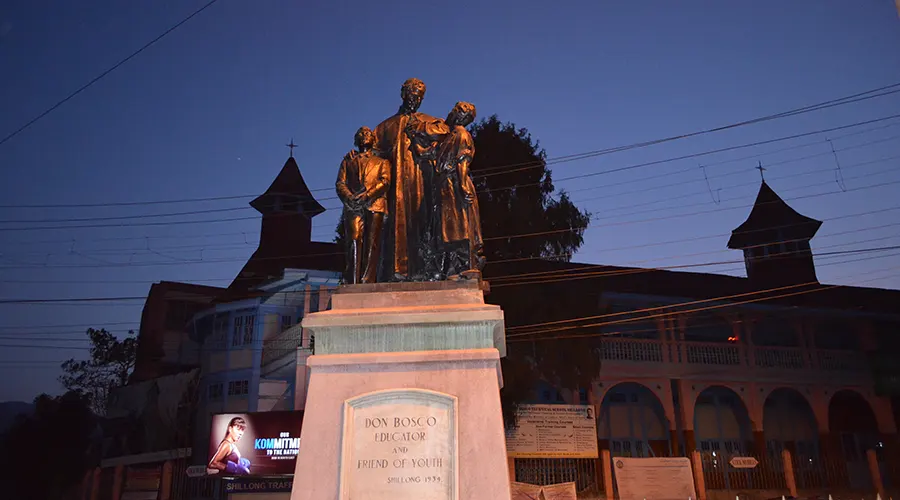
Don Bosco Museum |
~2.5 km |
Ethnographic museum of North East cultures |
|
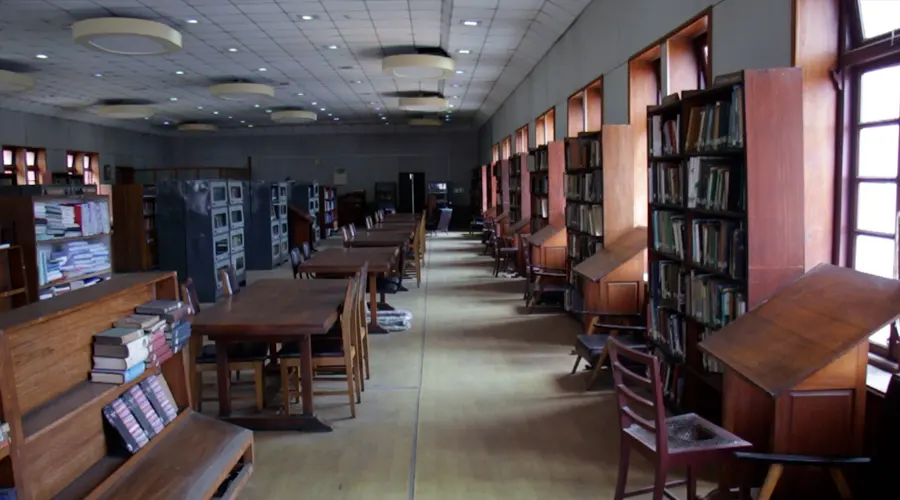
State Central Library |
~1.2 km |
1.5 lakh+ books, local history archives |
|
Police Bazaar |
~1.5 km |
Shillong’s bustling market for souvenirs |
Conclusion
The Rhino Heritage Museum in Shillong isn't just a repository of war memorabilia—it's a living tribute to India's military valor and the rich legacy of the Assam Rifles. From World War II relics to personal stories of bravery like that of Capt. Keishing Clifford Nongrum, this museum offers a deeply moving and educational experience. For anyone visiting Shillong, this site is a must-visit to gain insight into the region’s and nation’s defense history.