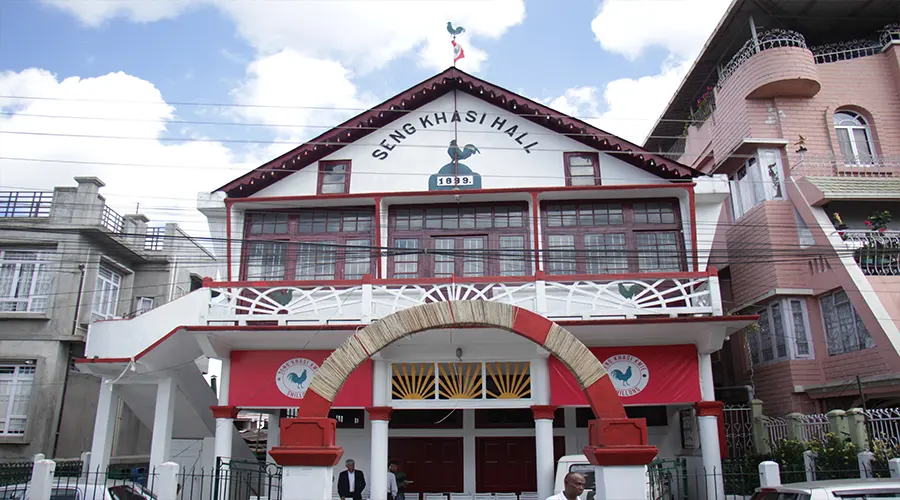
Seng Khasi Hall, Shillong: Preserving Khasi Culture And Identity
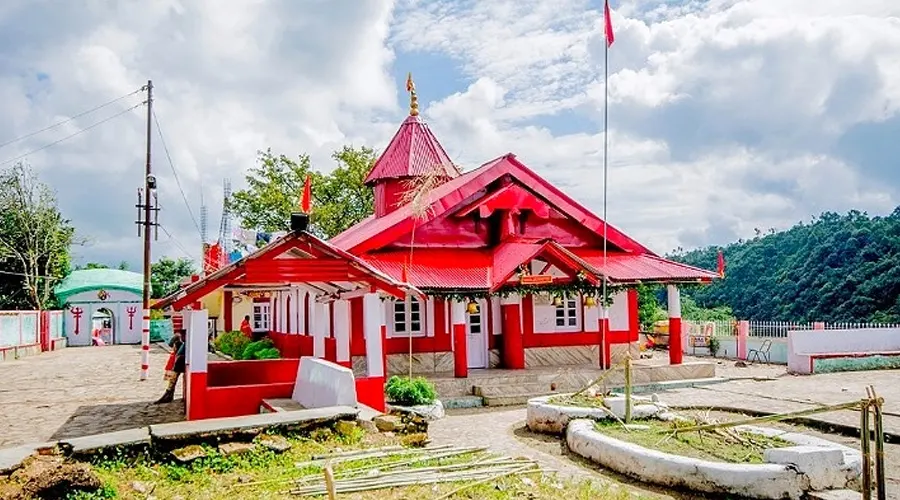
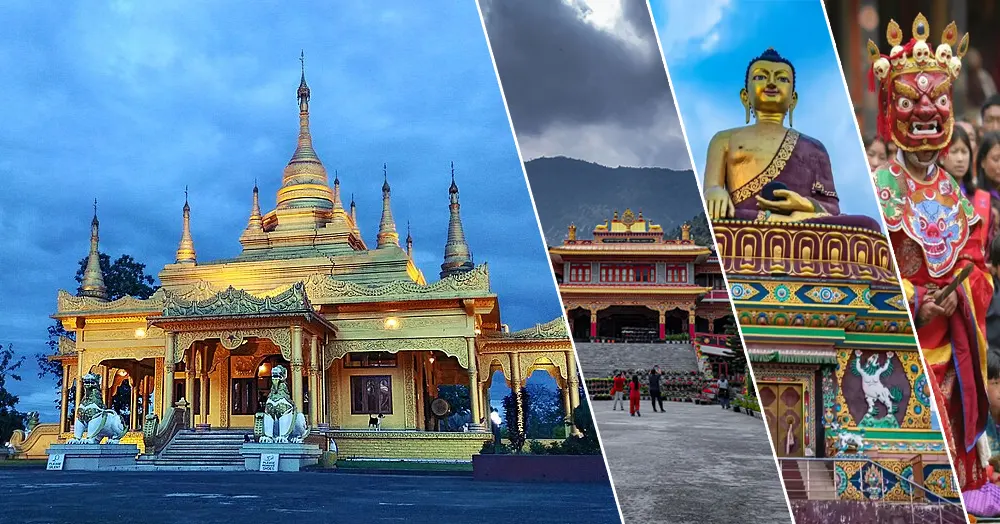
Tucked in the heritage-rich area of Mawkhar, Shillong, the Seng Khasi Hall stands as a significant cultural landmark for the Khasi indigenous community of Meghalaya. Established in 1899, this hall is the spiritual and cultural headquarters of Seng Khasi, an organization formed to protect, preserve, and promote Khasi customs, rituals, and religion amidst colonial pressure and cultural dilution.
The hall is more than just a structure—it’s a symbol of ethnic revival, unity, and resistance, and continues to host some of the most important Khasi traditional festivals, including their grand annual thanksgiving celebration.
History of Seng Khasi Hall
The Seng Khasi movement was initiated by sixteen Khasi patriots who came together on 23 November 1899 to preserve their indigenous religion (Niam Khasi) and cultural values.
- Built in 1899 by a committee of 16 Khasi elders
- Established to resist British efforts of religious conversion
- Became the center for rituals, cultural preservation, and festivals
This hall became the beating heart of the Khasi renaissance, keeping age-old customs alive even as colonial forces pushed for westernization.
Quick Facts Table
|
Feature |
Details |
|
Location |
Mawkhar, Shillong, Meghalaya |
|
Founded By |
16 Khasi elders of Seng Khasi in 1899 |
|
Cultural Role |
Religious and cultural epicenter of the Khasi people |
|
Entry Fee |
None |
|
Managed By |
Seng Khasi Organisation |
|
Architectural Style |
Traditional Khasi with colonial influences |
|
Main Events |
Annual thanksgiving, rituals, dance festivals |
Cultural Significance and Events
Seng Khasi Hall is where some of the most sacred traditional events of the Khasi community take place. The biggest among them is the "Ka Pom-Blang Nongkrem" and annual thanksgiving, where people come together in prayer, dance, and rituals.
Key Events:
- Annual Thanksgiving Festival (Behdeiñkhlam-style) – Honoring the deities for a bountiful harvest
- Traditional Khasi dance performances with drums, cymbals, and bamboo flutes
- Khasi folklore and spiritual discourses for the younger generation
This hall acts as a cultural school where Khasi values are passed down through generations.
Nearby Attractions
|
Attraction |
Distance |
Highlights |
|
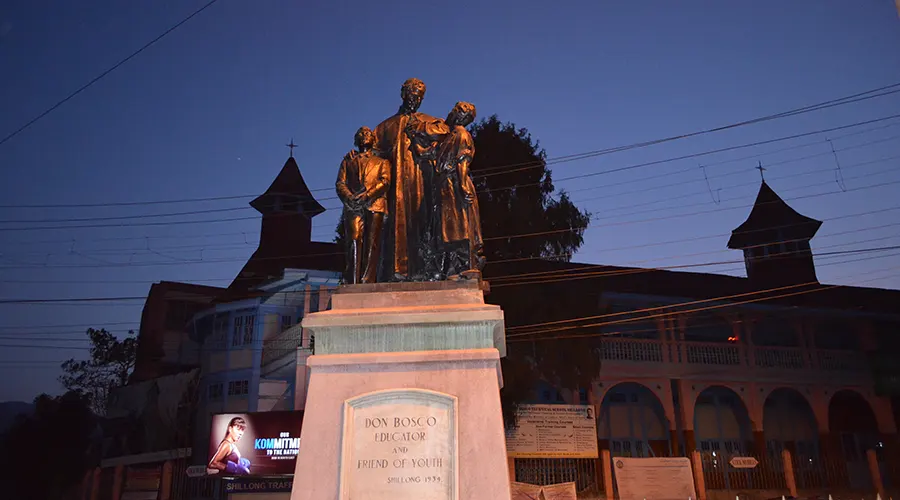
Don Bosco Museum |
1.5 km |
7-floor museum showcasing NE India's cultures |
|
Police Bazaar |
1 km |
Bustling shopping area |
|
Ward’s Lake |
1.2 km |
Artificial lake with walking trails |
|
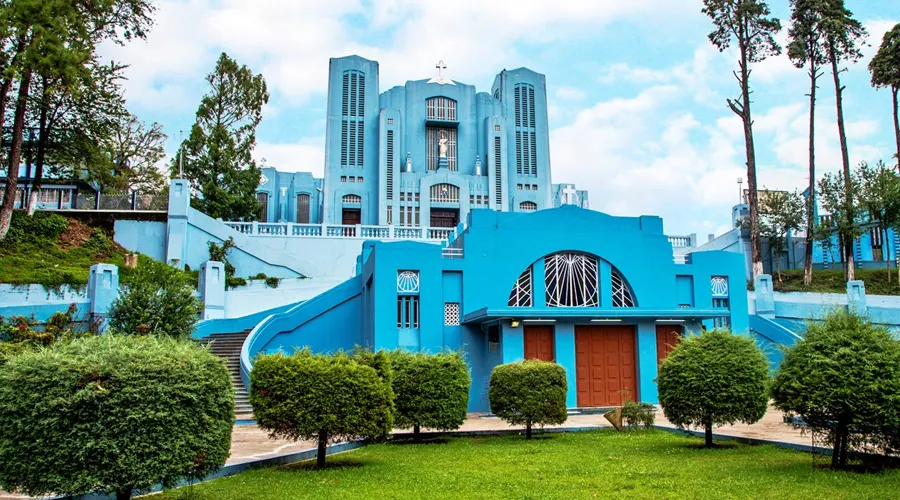
Cathedral of Mary Help of Christians |
2.5 km |
Historic Catholic church |
Travel Tips:
- Wear respectful attire when attending cultural events or rituals.
- Visit during the annual thanksgiving or Khasi New Year to witness vibrant celebrations.
- Local guides or Seng Khasi members may offer deeper insights if approached respectfully.
- Avoid photography during rituals unless permitted.
- Combine your visit with nearby attractions like Ward’s Lake or Don Bosco Museum.
Conclusion:
The Seng Khasi Hall is not just an architectural site but a living monument of the Khasi people's pride, resilience, and spirituality. A visit here offers an authentic glimpse into Meghalaya’s indigenous heritage and timeless traditions. Whether you're a cultural enthusiast or a curious traveler, the hall stands as a vibrant testimony to tribal unity and cultural preservation in the heart of Shillong.