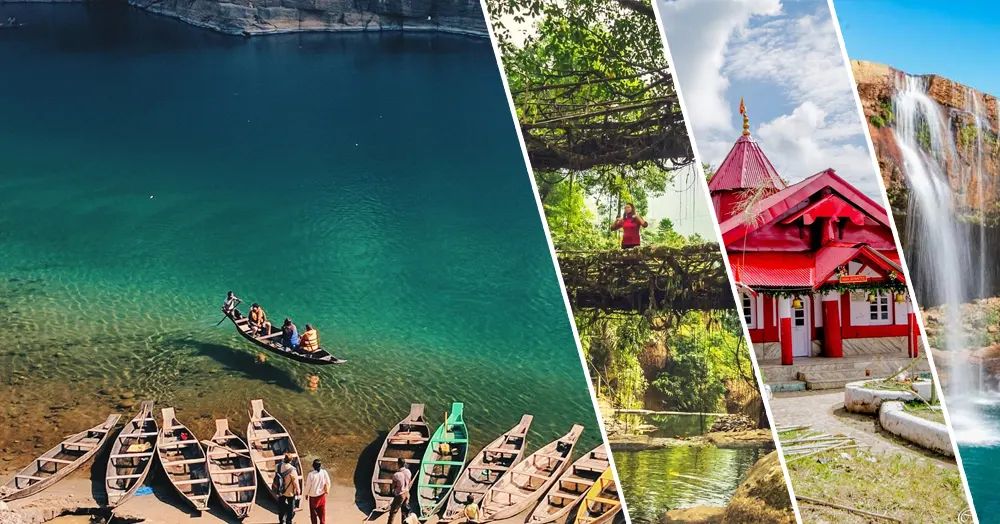
Discovering the Magic of Meghalaya: Best Destinations, Culture & Natural Beauty
Meghalaya, meaning “Abode of Clouds,” is one of India’s most beautiful northeastern states known for misty hills, living root bridges, waterfalls, caves, and tribal traditions. Surrounded by lush green valleys and heavy monsoon clouds, Meghalaya offers travelers a refreshing escape into nature and culture. The state is home to the Khasi, Garo, and Jaintia tribes, each preserving unique customs, dances, music, and festivals that make Meghalaya culturally vibrant and deeply traditional.
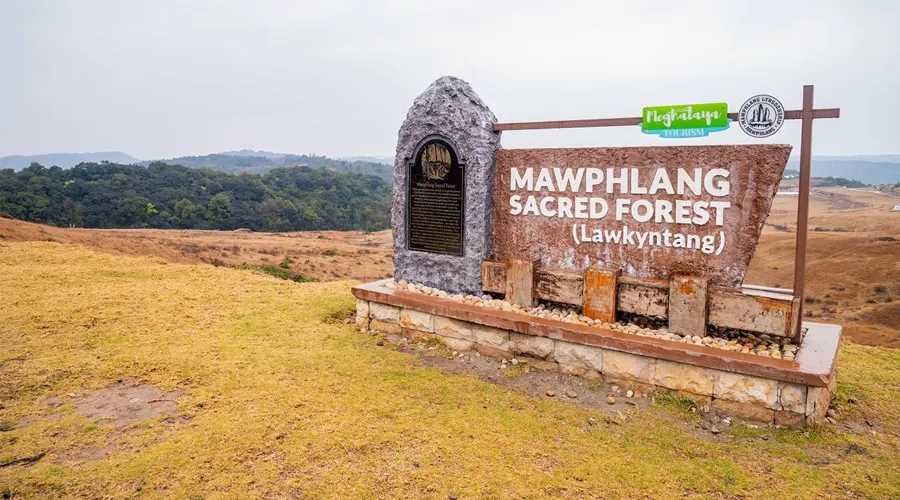
From the crystal-clear waters of Dawki and the majestic waterfalls of Cherrapunji to the clean villages of Mawlynnong and the sacred forests of Mawphlang, every destination in Meghalaya showcases breathtaking beauty. Adventure lovers can enjoy trekking, caving, boating, camping, and zip-lining, while culture enthusiasts can explore tribal markets, local cuisine, and colorful celebrations. Meghalaya is truly a paradise for nature lovers, photographers, honeymooners, and explorers seeking unforgettable experiences in Northeast India.
History of Meghalaya – Tribal Heritage and Statehood
Meghalaya was once a part of Assam before becoming a separate state on January 21, 1972. The region has long been inhabited by indigenous Khasi, Garo, and Jaintia tribes who developed their own governance systems, customs, languages, and spiritual beliefs. Traditional tribal councils played a major role in maintaining social harmony and preserving ancient customs for generations.
Before British rule, Meghalaya was governed by independent tribal chiefs and kingdoms such as the Khasi states and Jaintia Kingdom. During colonial times, Christianity, western education, and modern administration were introduced, significantly influencing society and culture. Despite modernization, Meghalaya has successfully preserved its tribal identity, matrilineal traditions, folk heritage, and deep respect for nature.
Key Historical Highlights
- Meghalaya achieved full statehood on January 21, 1972.
- Khasi, Garo, and Jaintia tribes form the cultural foundation of the state.
- Matrilineal inheritance remains an important social tradition.
- British influence introduced Christianity and formal education.
- Traditional tribal councils still play an important cultural role.
Top Tourist Places to Visit in Meghalaya
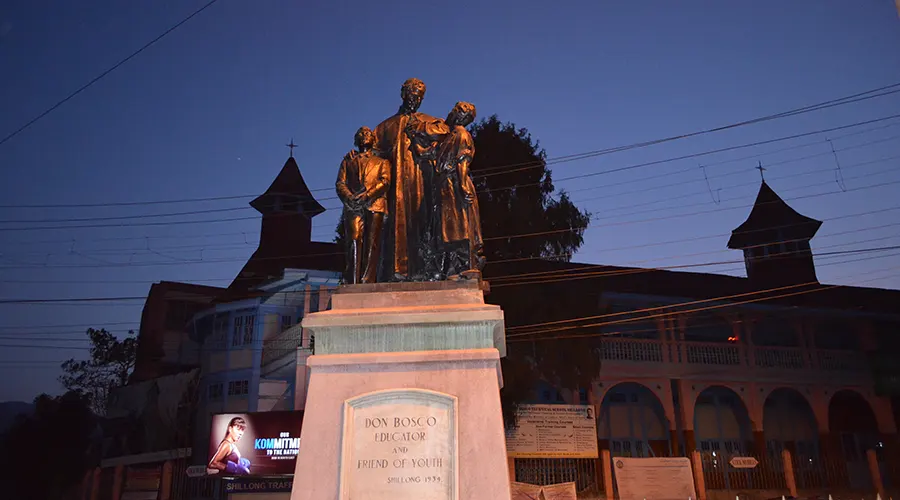
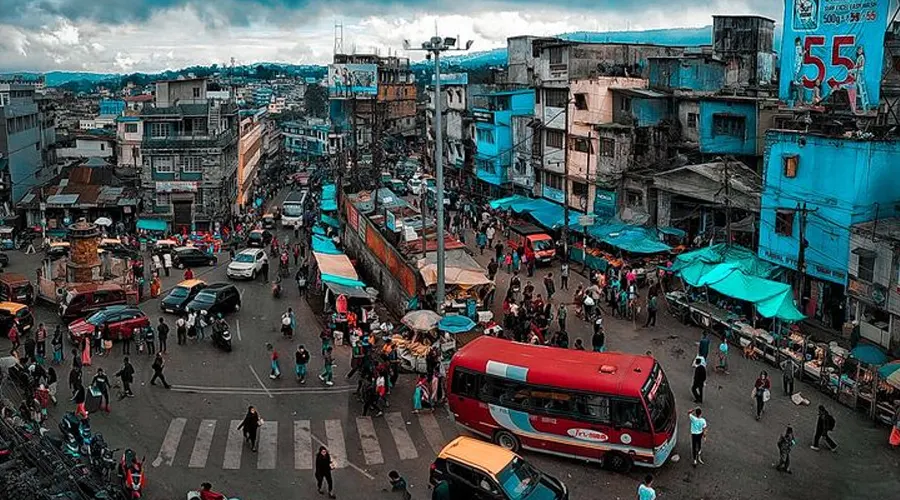
Shillong – The Scotland of the East: Shillong is the capital city of Meghalaya and one of Northeast India’s most popular hill stations. Known for colonial charm, cool weather, waterfalls, cafes, and scenic landscapes, Shillong attracts travelers throughout the year. Popular attractions include Shillong Peak, Ward’s Lake, Elephant Falls, Police Bazaar, and Don Bosco Museum.
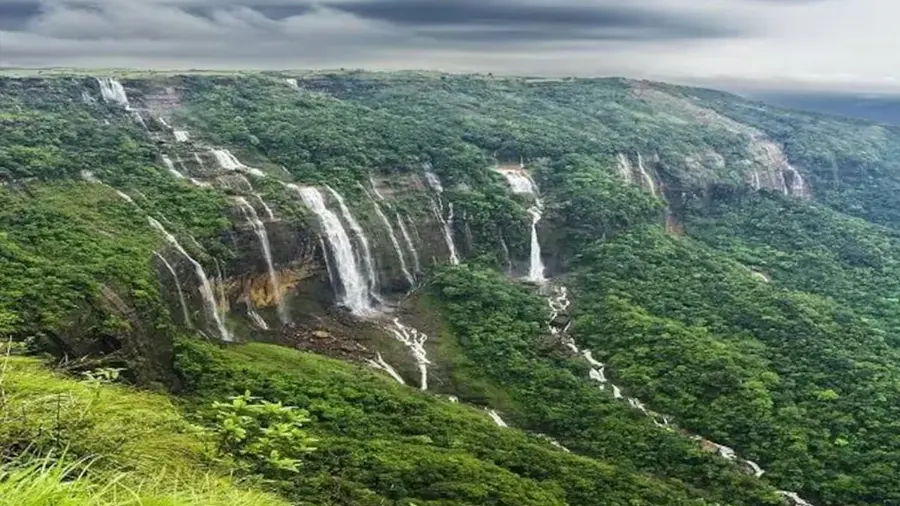
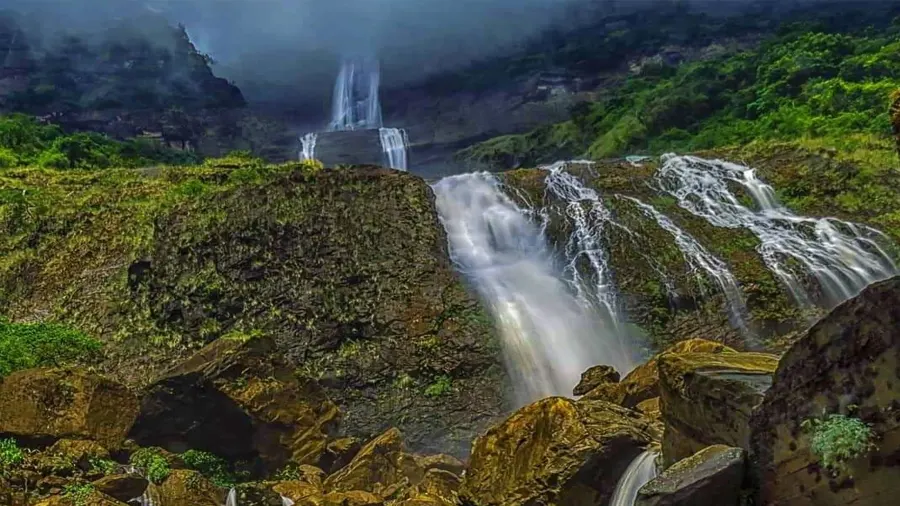
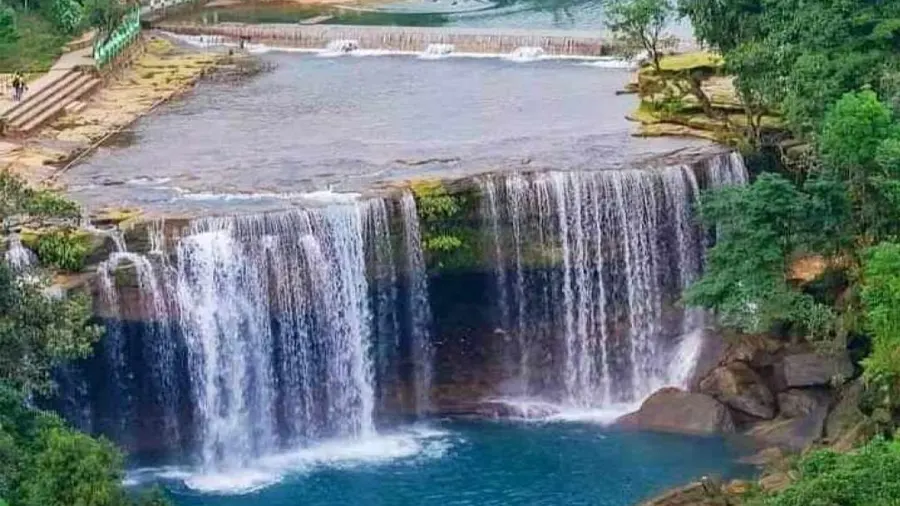
Cherrapunji – Land of Waterfalls: Cherrapunji, also called Sohra, is famous for heavy rainfall, dramatic cliffs, caves, and waterfalls. The region is home to the Double Decker Living Root Bridge, Nohkalikai Falls, Mawsmai Cave, and lush green valleys. Cherrapunji is one of Meghalaya’s top adventure destinations.
Dawki – Crystal Clear River Destination: Dawki is famous for the crystal-clear Umngot River where boats appear to float on air due to the transparent water. The destination is ideal for boating, camping, kayaking, and photography. Dawki also serves as an important border trade point between India and Bangladesh.
Mawlynnong – Asia’s Cleanest Village: Mawlynnong is globally recognized for cleanliness, eco-tourism, and natural beauty. Bamboo sky walks, waterfalls, flower-lined pathways, and traditional Khasi lifestyle make this village one of Meghalaya’s most peaceful tourist attractions.
Nongriat – Home of Living Root Bridges
Nongriat is famous for the Double Decker Living Root Bridge created naturally by guiding tree roots over decades. The trek to Nongriat passes through dense forests, suspension bridges, waterfalls, and scenic valleys, making it a dream destination for trekkers.
Jowai – Hidden Gem of Meghalaya
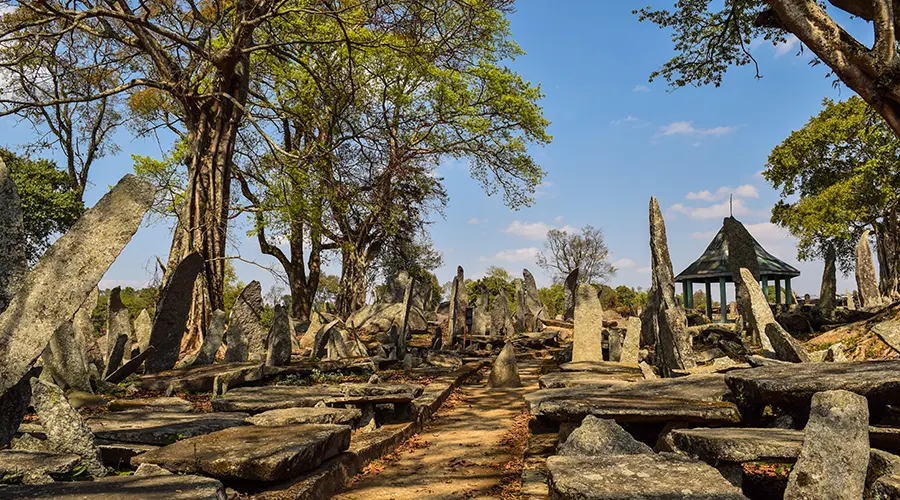
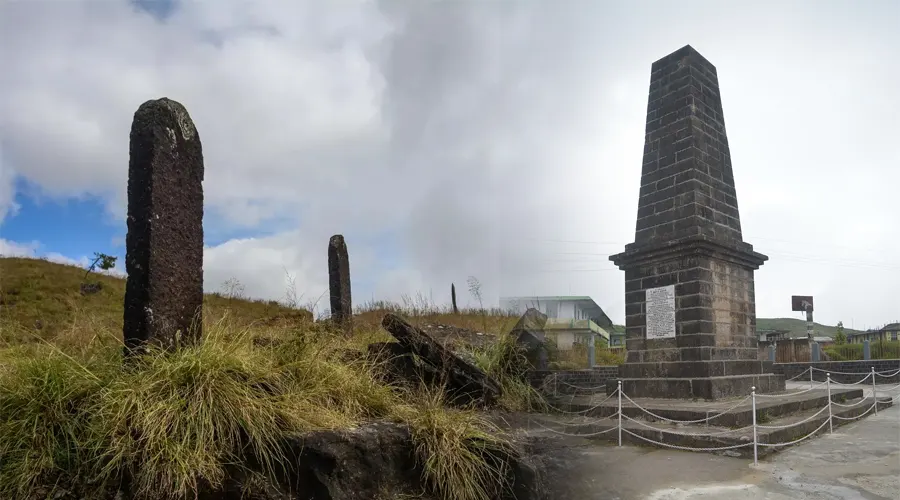
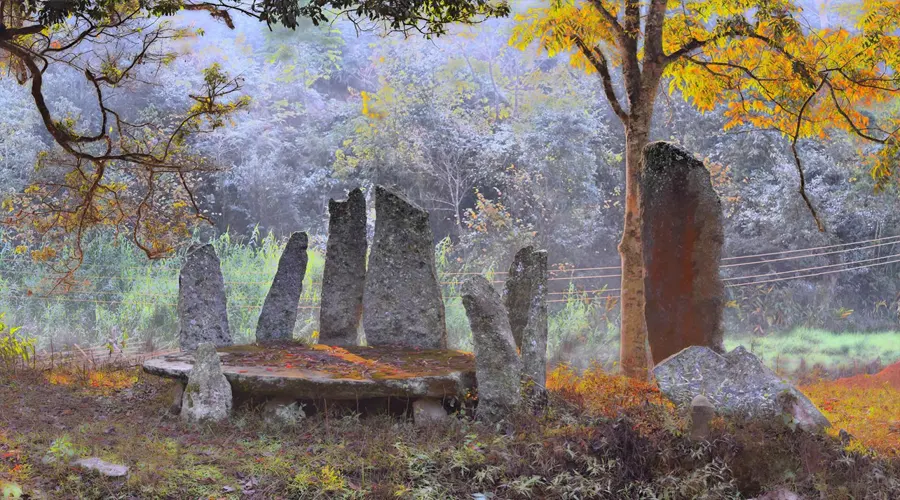
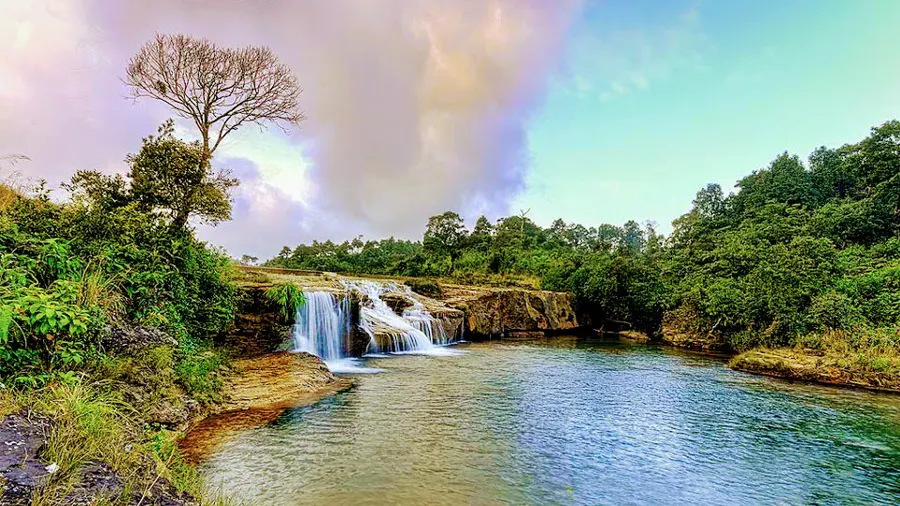
Jowai is known for serene landscapes, waterfalls, monoliths, and rich Jaintia culture. Attractions like Nartiang Monoliths and Syntu Ksiar make Jowai an ideal offbeat destination for travelers seeking peace and heritage.
Famous Waterfalls and Natural Attractions in Meghalaya
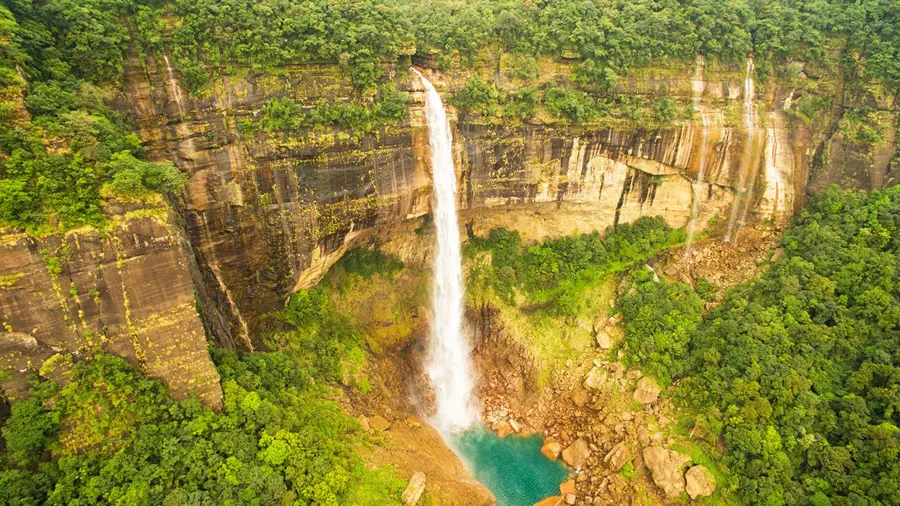
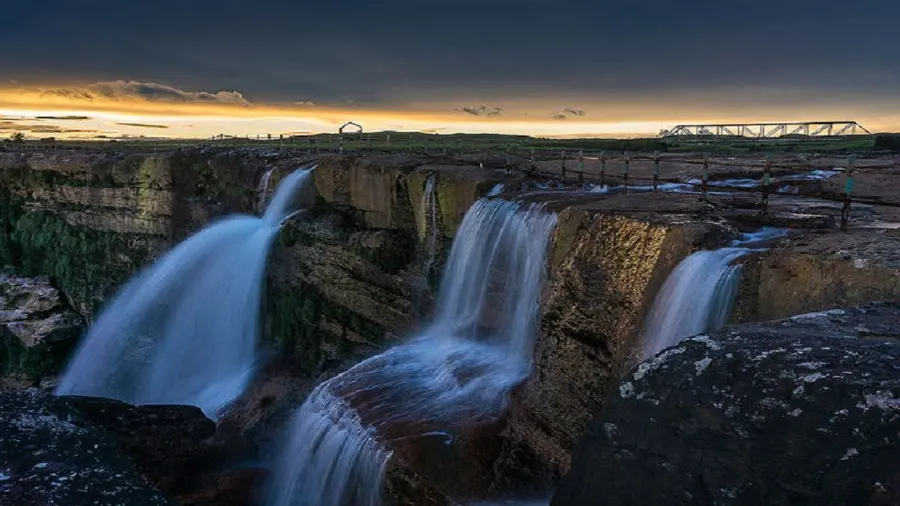
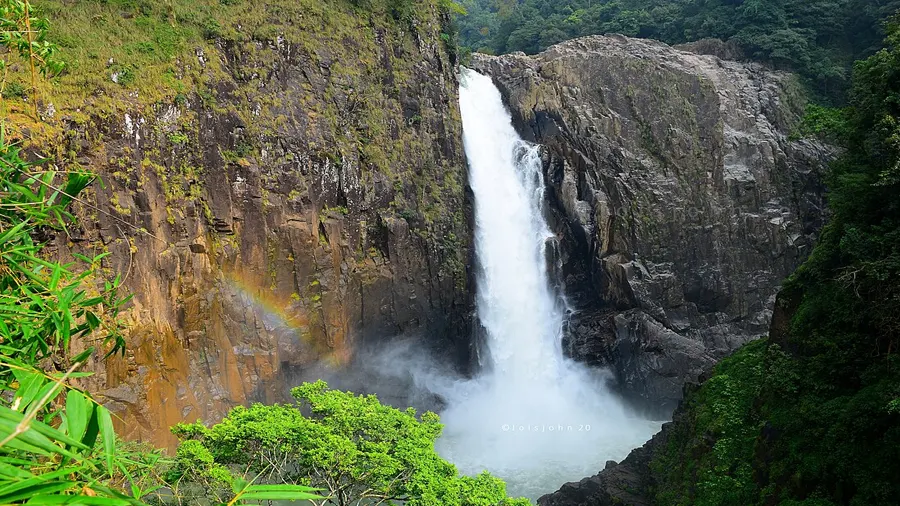
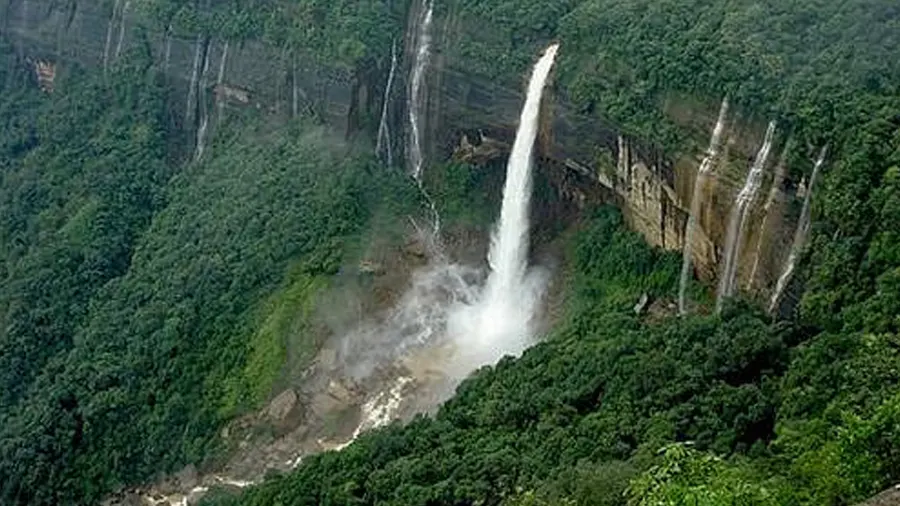
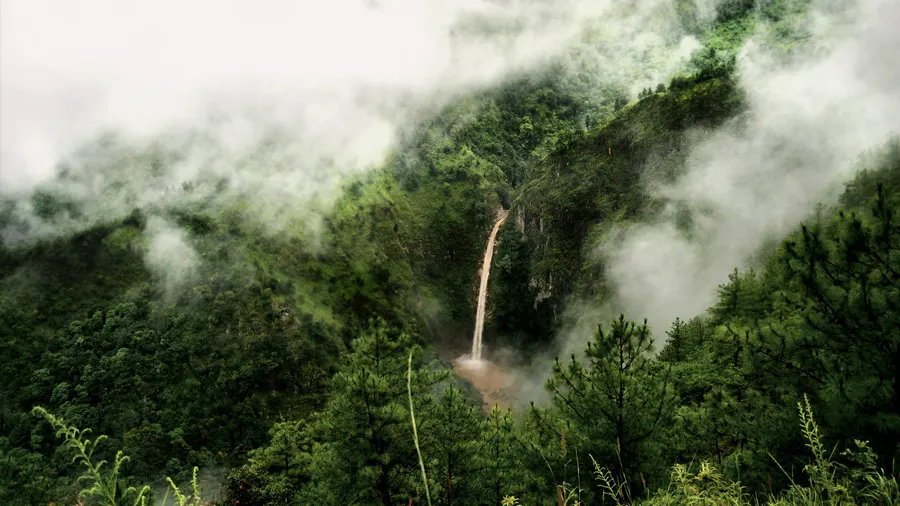
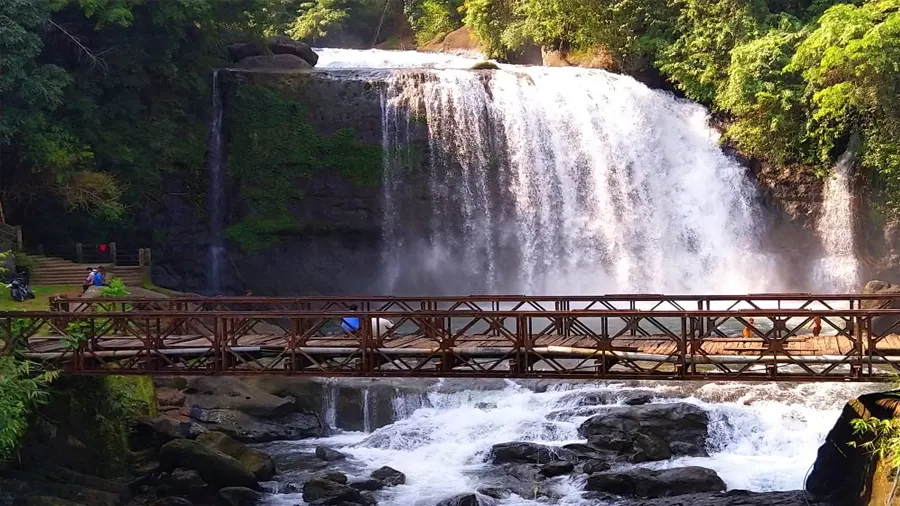
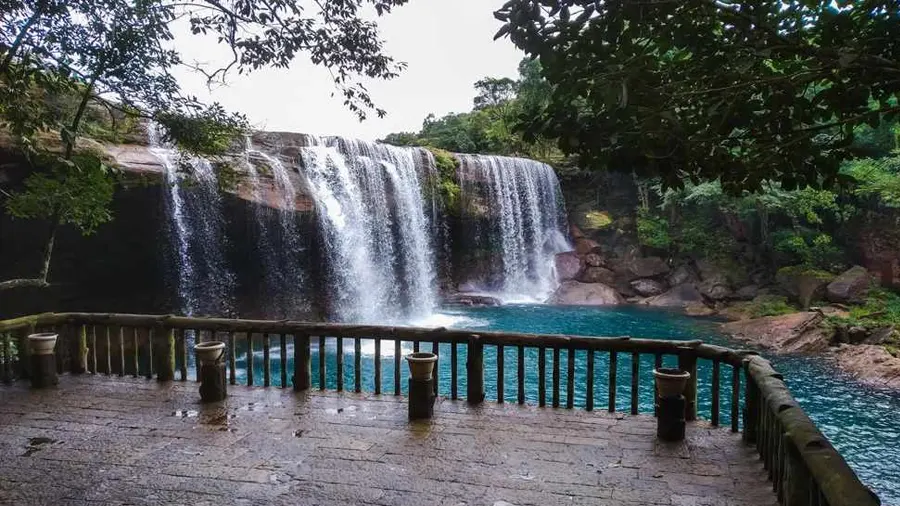
- Nohkalikai Falls: Nohkalikai Falls is one of the tallest plunge waterfalls in India, surrounded by dramatic cliffs, lush greenery, and mist-covered valleys. During the monsoon season, the waterfall becomes even more spectacular, attracting photographers, nature lovers, and travelers seeking breathtaking panoramic views in Meghalaya.
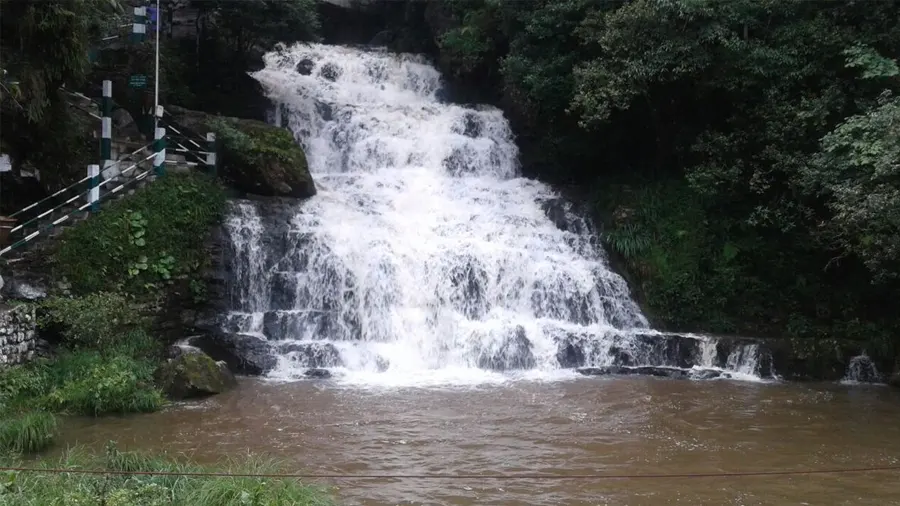
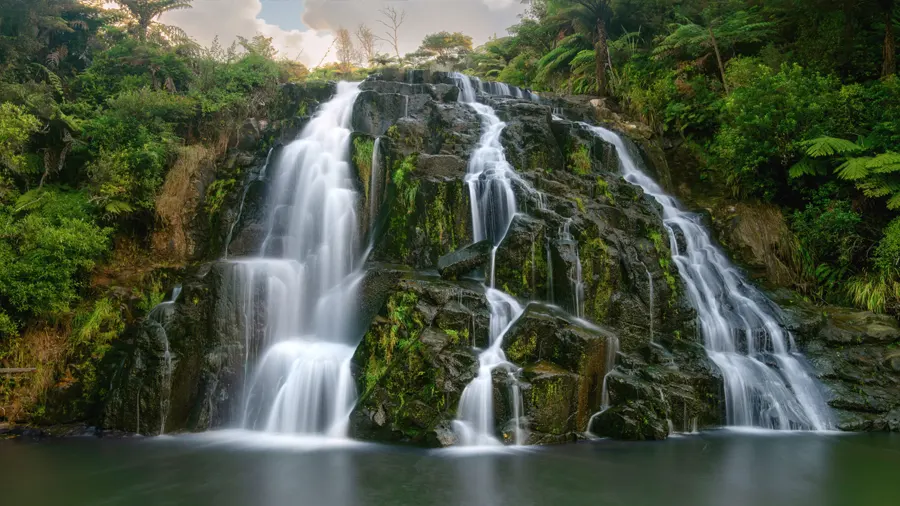
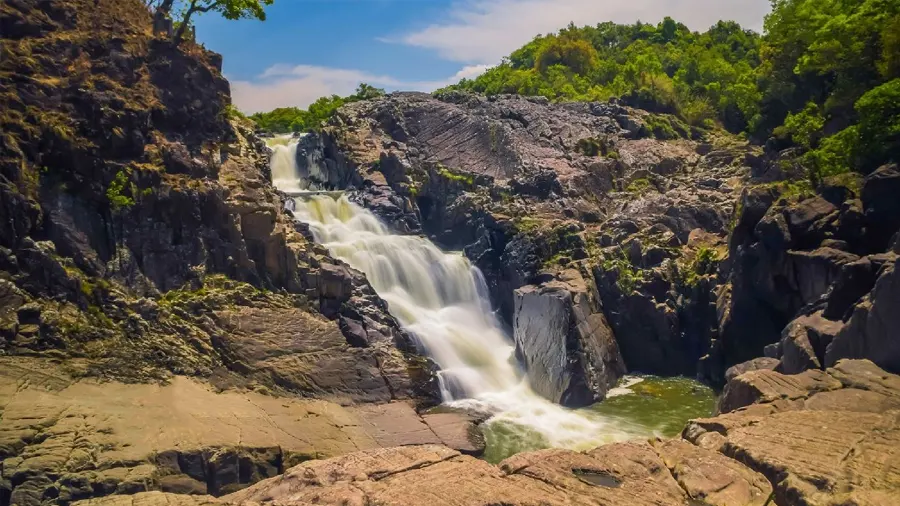
- Elephant Falls: Elephant Falls is a stunning three-tier waterfall surrounded by dense greenery, walking trails, and rocky landscapes. Located near Shillong, it is among Meghalaya’s most accessible and popular tourist attractions, offering peaceful natural scenery and excellent photography opportunities for visitors throughout the year.
- Umngot River: Umngot River is world-famous for its crystal-clear water where boats appear to float above the riverbed. Located in Dawki near the India-Bangladesh border, the river attracts tourists for boating, camping, kayaking, and scenic photography, especially during the winter season when visibility is highest.
- Mawsmai Cave: Mawsmai Cave is a fascinating limestone cave known for narrow pathways, natural rock formations, underground chambers, and unique geological beauty. Located near Cherrapunji, it is one of the most visited caves in Northeast India and offers adventurous exploration experiences for tourists and nature enthusiasts.
Culture and Traditions of Meghalaya
Meghalaya’s culture is deeply rooted in tribal traditions, music, dance, folklore, and community values. The Khasi, Garo, and Jaintia tribes have preserved their unique identities through traditional festivals, attire, rituals, and social systems.
One of the most unique aspects of Meghalaya is its matrilineal society where property and family lineage pass through the mother’s side. Women play an important role in family and community life, especially among the Khasi and Jaintia tribes.
Traditional music using drums, bamboo instruments, and folk songs remains an essential part of celebrations and festivals. Handwoven shawls, bamboo crafts, cane furniture, and tribal ornaments showcase Meghalaya’s artistic heritage.
Festivals of Meghalaya – Celebrating Tribal Heritage
Wangala Festival: Wangala Festival is a major harvest festival celebrated by the Garo tribe to honor the Sun God and thank nature for agricultural prosperity. The festival features traditional drum performances, folk dances, colorful costumes, cultural rituals, and community celebrations that reflect Meghalaya’s rich tribal heritage and traditions.
Nongkrem Dance Festival: Nongkrem Dance Festival is an important Khasi cultural festival celebrated with traditional dances, music, rituals, and religious ceremonies. The festival is performed to seek blessings for peace, prosperity, and a good harvest while showcasing the vibrant customs, attire, and spiritual traditions of the Khasi community.
Shad Suk Mynsiem: Shad Suk Mynsiem is a traditional Khasi thanksgiving festival celebrated with graceful folk dances, colorful traditional attire, and spiritual rituals. Known as the “Dance of Joyful Hearts,” the festival symbolizes harmony, gratitude, purity, and happiness while preserving Meghalaya’s rich cultural and tribal heritage.
Adventure Activities in Meghalaya
Meghalaya is one of India’s best destinations for adventure tourism and eco-tourism.
Popular Adventure Activities
- Trekking to Living Root Bridges
- Cave exploration in Mawsmai and Siju Caves
- River boating in Dawki
- Camping near waterfalls and rivers
- Zip-lining in Shillong and Dawki
- Rock climbing and rappelling
- Birdwatching and photography tours
Adventure seekers can explore dense forests, hidden waterfalls, mountain trails, and remote tribal villages throughout the state.
Wildlife and Biodiversity in Meghalaya
Meghalaya is rich in forests, wildlife sanctuaries, orchids, and rare bird species. Dense forests and heavy rainfall support a diverse ecosystem filled with unique flora and fauna.
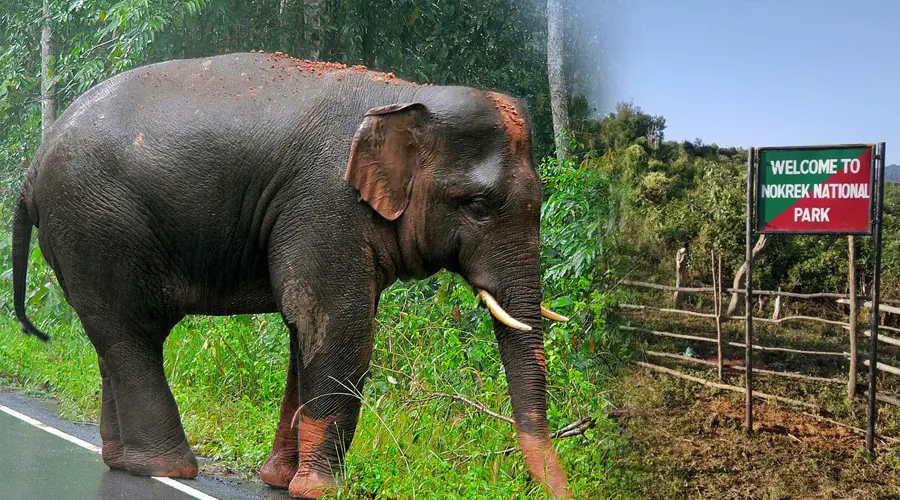
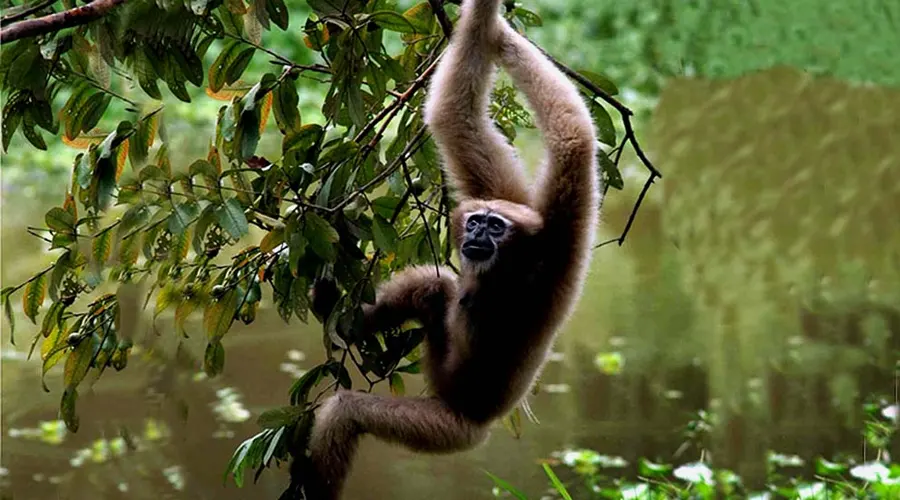
Nokrek National Park: Nokrek National Park is a UNESCO Biosphere Reserve famous for dense tropical forests, rare orchids, red pandas, elephants, hoolock gibbons, and rich biodiversity. Located in the Garo Hills, the park attracts trekkers, wildlife enthusiasts, and nature photographers seeking untouched landscapes and unique flora and fauna experiences.
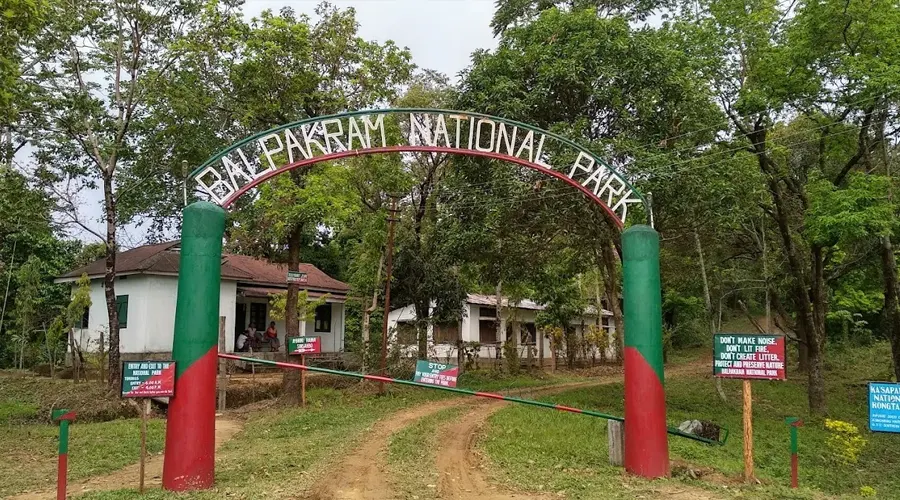
Balpakram National Park: Balpakram National Park is known for dramatic cliffs, waterfalls, deep gorges, medicinal plants, and diverse wildlife species. Sacred to the Garo tribe, the park is surrounded by spiritual legends and offers breathtaking natural scenery, making it one of Meghalaya’s most fascinating eco-tourism and wildlife destinations.
Nongkhyllem Wildlife Sanctuary: Nongkhyllem Wildlife Sanctuary is a rich biodiversity hotspot home to leopards, deer, civets, hornbills, reptiles, and numerous migratory bird species. Surrounded by lush forests and natural landscapes, the sanctuary is ideal for wildlife safaris, birdwatching, eco-tourism, and peaceful nature exploration in Meghalaya.
Famous Food of Meghalaya
Meghalaya’s cuisine is simple, healthy, and influenced by tribal traditions. Rice, meat, bamboo shoots, and local herbs are commonly used ingredients.
Popular Dishes
- Jadoh – Khasi rice and meat dish
- Dohneiiong – Pork cooked with black sesame
- Tungrymbai – Fermented soybean dish
- Bamboo Shoot Curry
- Pumaloi – Steamed powdered rice
Traditional meals are often served fresh with minimal spices and natural ingredients.
Best Time to Visit Meghalaya
The ideal time to visit Meghalaya is from October to March when the weather remains cool and pleasant for sightseeing, trekking, and outdoor activities.
Seasonal Guide
Season | Experience |
October – March | Best for tourism, trekking, festivals |
April – May | Pleasant weather and greenery |
June – September | Heavy monsoon with dramatic waterfalls |
Monsoon transforms Meghalaya into a lush paradise, though heavy rains may affect transportation in remote areas.
How to Reach Meghalaya
By Air: The nearest major airport is Lokpriya Gopinath Bordoloi International Airport. Shillong Airport also operates limited regional flights.
By Train: The nearest railway station is Guwahati Railway Station, well connected to major Indian cities.
By Road: Meghalaya is easily accessible from Assam through national highways. Shared taxis, buses, and private cabs regularly operate between Guwahati and Shillong.
Travel Tips for Meghalaya
- Carry warm clothes even during summer evenings.
- Respect tribal customs and local traditions.
- Wear comfortable shoes for trekking and waterfalls.
- Avoid littering in eco-sensitive areas.
- Keep rain gear during monsoon travel.
- Book accommodations early during peak tourist seasons.
Quick Facts About Meghalaya
Feature | Details |
Capital | Shillong |
Statehood Day | January 21, 1972 |
Major Tribes | Khasi, Garo, Jaintia |
Official Language | English |
Famous For | Root bridges, waterfalls, caves, clean villages |
Highest Peak | Shillong Peak |
Best Time to Visit | October to March |
Famous Festivals | Wangala, Nongkrem Dance, Shad Suk Mynsiem |
Famous Attractions | Cherrapunji, Dawki, Shillong, Mawlynnong |
Nickname | Abode of Clouds |
Why Meghalaya Should Be on Your Travel Bucket List
Meghalaya offers a magical blend of waterfalls, caves, forests, tribal traditions, living root bridges, and breathtaking landscapes. Whether you want to explore misty hills, enjoy adventure sports, experience unique tribal culture, or relax in peaceful natural surroundings, Meghalaya promises unforgettable travel experiences for every traveler.
From the vibrant streets of Shillong to the crystal-clear rivers of Dawki and the ancient root bridges of Nongriat, every destination reflects the beauty and soul of Northeast India. Explore the wonders of Meghalaya with Explore Our India and discover one of India’s most enchanting travel destinations.
Faq About Meghalaya
Ans: The best time to visit Meghalaya is from October to April when the weather is pleasant and ideal for sightseeing. Monsoon (June to September) brings extremely heavy rainfall, which makes the landscape beautiful but travel slightly challenging.
Ans: Meghalaya is famous for its lush green hills, heavy rainfall, living root bridges, waterfalls, caves, and clean villages. It is often called the “Abode of Clouds.” The state is known for attractions like Shillong, Cherrapunji (Sohra), Mawlynnong village, and natural wonders like waterfalls and limestone caves.
Ans: Meghalaya offers many stunning tourist destinations. Some of the best places include:Shillong – Scotland of the EastCherrapunji – One of the wettest places on EarthMawlynnong – Asia’s cleanest villageDawki – Crystal-clear Umngot RiverLaitlum Canyon – Scenic canyon viewsMawsynram – Wettest place in the world
Ans: Shillong is famous for its pleasant weather, colonial charm, music culture, waterfalls, and scenic viewpoints. It is also a hub for cafes, live music, and hill tourism, making it a favorite destination for young travelers.
Ans: Meghalaya is famous for tribal cuisine that is simple, organic, and healthy. Popular dishes include jadoh (rice and meat dish), dohneiiong (pork with black sesame), bamboo shoot curry, and smoked meat. The food reflects Khasi, Jaintia, and Garo tribal traditions.
Ans: Yes, Meghalaya is one of the best destinations in India for nature tourism. It offers waterfalls, caves, green valleys, forests, and clean air. The living root bridges and crystal-clear rivers make it a unique eco-tourism hotspot.
Ans: Meghalaya is well connected through Guwahati in Assam. The nearest major airport is Shillong Airport, but most travelers use Guwahati Airport and then travel by road to Shillong. The region also has good road connectivity.
Ans: Yes, Meghalaya is generally safe for tourists, including solo travelers and families. The locals are friendly and welcoming. Travelers should follow basic safety rules, especially in caves, waterfalls, and remote trekking areas.
Ans: Meghalaya celebrates festivals like Shad Suk Mynsiem, Wangala Festival, and Behdeinkhlam. These festivals showcase tribal dance, music, rituals, and agricultural traditions of the Khasi, Jaintia, and Garo communities.
Ans: A trip of 5 to 7 days is ideal for exploring Meghalaya. This allows travelers to visit Shillong, Cherrapunji, Dawki, Mawlynnong, and nearby waterfalls and caves comfortably while enjoying the natural beauty of the region.