

Banke Bihari Temple Corridor Project, Vrindavan – Development, Protests & Impact
The Banke Bihari Corridor Project is a significant development initiative undertaken by the Uttar Pradesh Government to enhance infrastructure and improve crowd management around the iconic Banke Bihari Temple in Vrindavan. Known for drawing lakhs of devotees, especially during festivals like Holi and Janmashtami, the temple often faces severe overcrowding, posing safety risks and discomfort for pilgrims.
The corridor aims to address these issues by creating wider access roads, dedicated entry and exit points, shaded walkways, and public amenities like drinking water stations, toilets, and seating areas—without compromising the temple’s sanctity.
However, this ambitious project has also sparked debate and unrest among locals, temple authorities, and religious leaders. Many believe that the corridor could alter the spiritual character of Vrindavan and lead to the displacement of families, shopkeepers, and ashrams that have been an integral part of the temple's ecosystem for generations. While the government highlights the project’s potential to modernize pilgrimage infrastructure and ensure safer darshan experiences, opponents stress the need for heritage preservation and community consent in shaping the future of this sacred town.
History of Banke Bihari Temple, Vrindavan
The Banke Bihari Temple is one of the most revered and iconic Krishna temples in India, located in the holy town of Vrindavan, Uttar Pradesh. The temple is dedicated to Lord Banke Bihari, a loving form of Lord Krishna, depicted in the tribhanga posture (bent at three places – neck, waist, and knee), symbolizing divine beauty, charm, and grace.
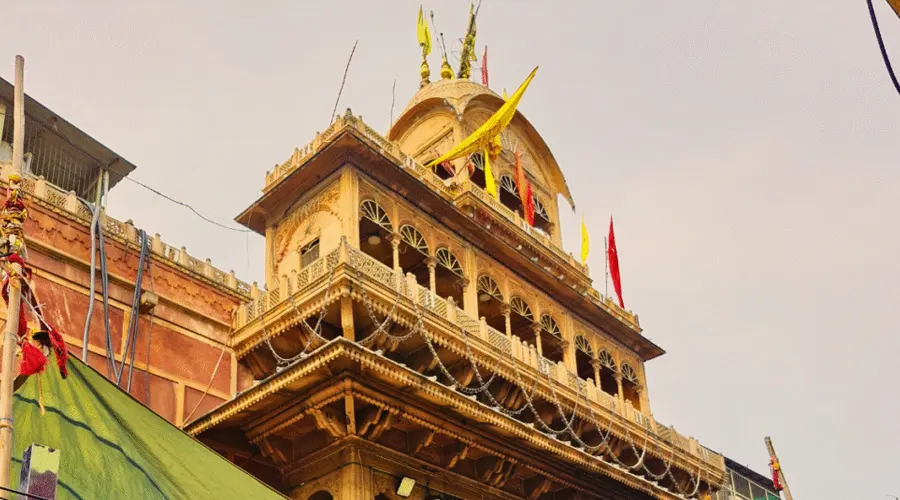
The temple was established in 1864 by Swami Haridas, a great saint and musician of the Bhakti movement and spiritual guru of the legendary singer Tansen. Swami Haridas is believed to have performed deep penance in Nidhivan, Vrindavan, where Lord Krishna and Radha manifested before him in their divine form. On his humble request, they merged into one idol—Banke Bihari Ji—which was later enshrined in the temple.
Government’s Stand
The Uttar Pradesh Government claims the project is essential to manage overcrowding, especially during major festivals like Janmashtami and Holi, when over 5 lakh devotees visit in a single day. Officials argue that the corridor will:
- Improve safety
- Provide amenities like drinking water and shaded areas
- Ensure better darshan experience
However, the trust deficit between planners and stakeholders remains high.
Positive Effects
- Improved Crowd Management: The temple often experiences dangerous overcrowding, especially during festivals, leading to safety hazards. The corridor is designed to streamline the entry and exit flow, ensuring smoother darshan for lakhs of devotees.
- Enhanced Amenities: Pilgrims will benefit from modern facilities such as clean toilets, water kiosks, shaded waiting areas, and emergency exits—making visits more comfortable and accessible, particularly for the elderly and differently-abled.
- Boost to Religious Tourism: With better infrastructure, the area could attract more national and international pilgrims, boosting Vrindavan’s tourism economy.
Negative Effects & Concerns
- Disruption of Spiritual Ambience: Critics argue that wide concrete corridors and urban-style development may disturb the intimate, devotional charm that Vrindavan is known for—replacing sacred silence with crowd control infrastructure.
- Displacement of Locals: The project involves land acquisition, leading to possible displacement of age-old shopkeepers, residents, and ashrams near the temple, many of whom have lived and served there for generations.
- Heritage Risk: Vrindavan’s lanes and temple surroundings are steeped in centuries-old culture. Activists worry that unmindful development could lead to irreversible damage to architectural and spiritual heritage.
- Trust Gap: Many devotees and temple stakeholders feel excluded from decision-making, resulting in protests and petitions demanding greater transparency and cultural sensitivity.
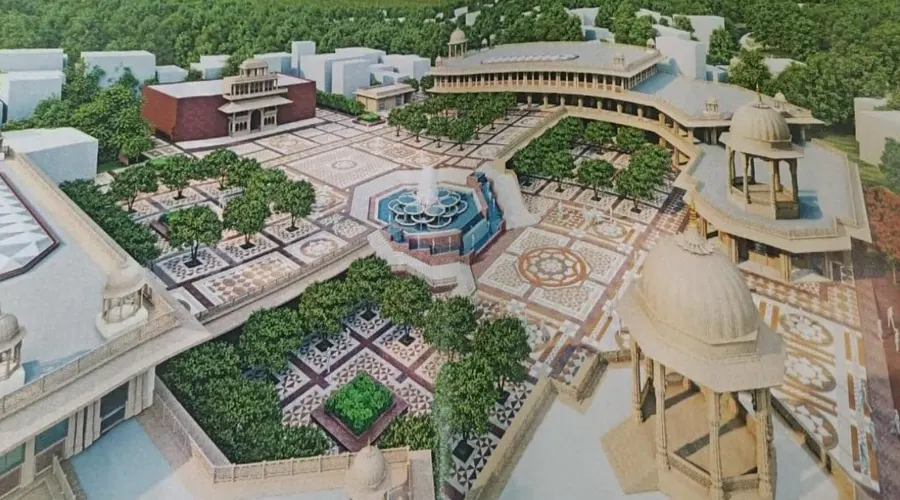
Current Status (as of 2025)
- The project is under review with public hearings and court proceedings ongoing.
- Some construction and land surveys have been temporarily halted due to public outcry.
- Activists and religious leaders continue to push for dialogue-based alternatives that retain Vrindavan’s traditional sanctity.
Conclusion
The Banke Bihari Corridor controversy reveals the delicate balance between development and devotion in sacred cities like Vrindavan. While better infrastructure is essential, it must be done in harmony with local faith, culture, and sentiment.
Faq About Banke Bihari Temple Corridor Project, Vrindavan – Development, Protests & Impact
Ans: The Banke Bihari Corridor Project is a government initiative aimed at developing infrastructure around the Banke Bihari Temple in Vrindavan to manage heavy pilgrim traffic, ensure safer darshan, and offer better public amenities like wider pathways, shaded rest areas, and sanitation facilities.
Ans: During major festivals like Holi and Janmashtami, the area sees intense overcrowding. The redevelopment aims to reduce congestion, prevent stampedes, and enhance the devotional and cultural atmosphere.
Ans: Local residents, temple priests (Goswamis), shopkeepers, and heritage activists are protesting. They fear displacement, loss of traditional Vrindavan architecture, and disturbance to centuries-old rituals and temple culture.
Ans: The project involves land acquisition, which may affect nearby homes, shops, and ashrams. This is one of the key concerns driving local protests and legal challenges.
Ans: The corridor will improve crowd management, provide toilets, shaded walking areas, drinking water, emergency lanes, and ensure a safer, smoother darshan experience for pilgrims of all ages.
Ans: As of 2025, parts of the project are in planning and legal review stages. Some construction work has been halted pending public hearings, environmental clearance, and heritage conservation approvals.
Ans: The proposed corridor is expected to span over 5.5 acres, with multiple entry/exit points, rest areas, and facilities to accommodate thousands of pilgrims daily.
Ans: Yes, several stakeholders have suggested less invasive alternatives that improve infrastructure without damaging the temple’s traditional setting. Government officials are reportedly reviewing revised proposals.
Ans: Most temple priests oppose the current plan, stating it interferes with sacred rituals and disrespects the spiritual sanctity of Vrindavan. They have demanded a heritage-sensitive approach.
Ans: Legal petitions have reached the Allahabad High Court, and Supreme Court intervention is possible if no consensus is reached. Courts may evaluate heritage impact, land rights, and public interest.
Comments (1)
Excellent information
Jun 26, 2025