Mookambika Wildlife Sanctuary
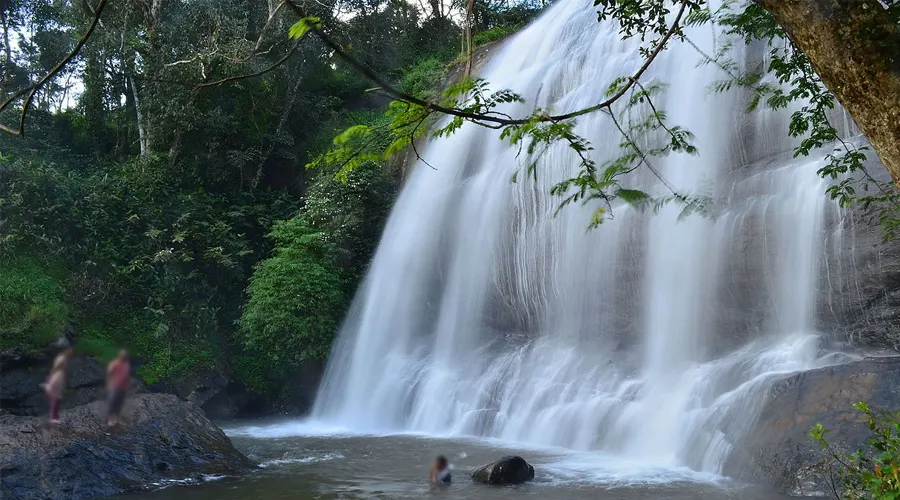
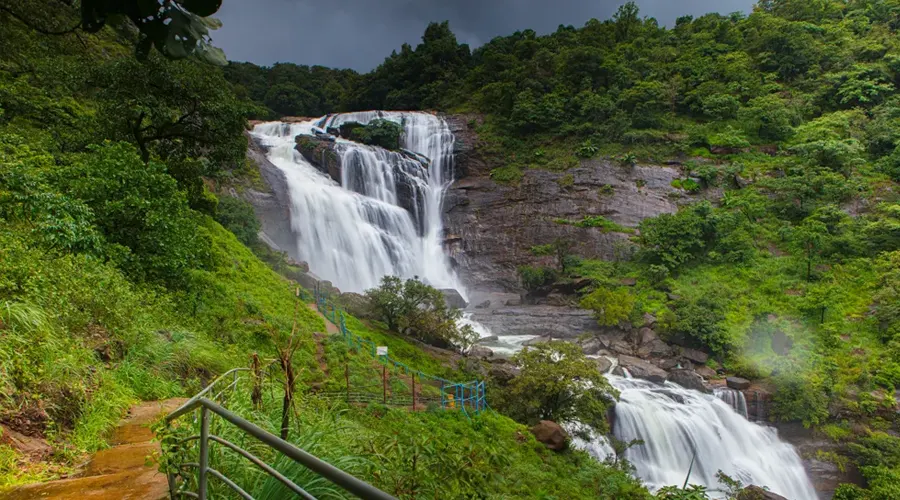
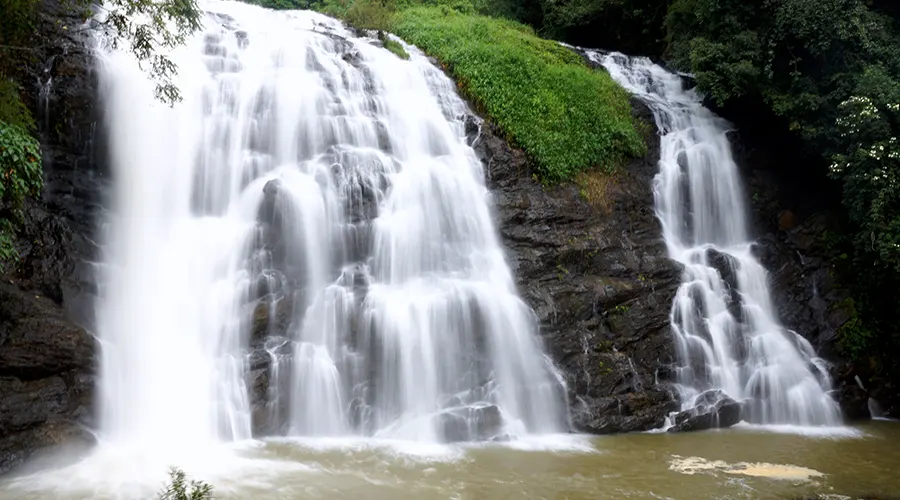
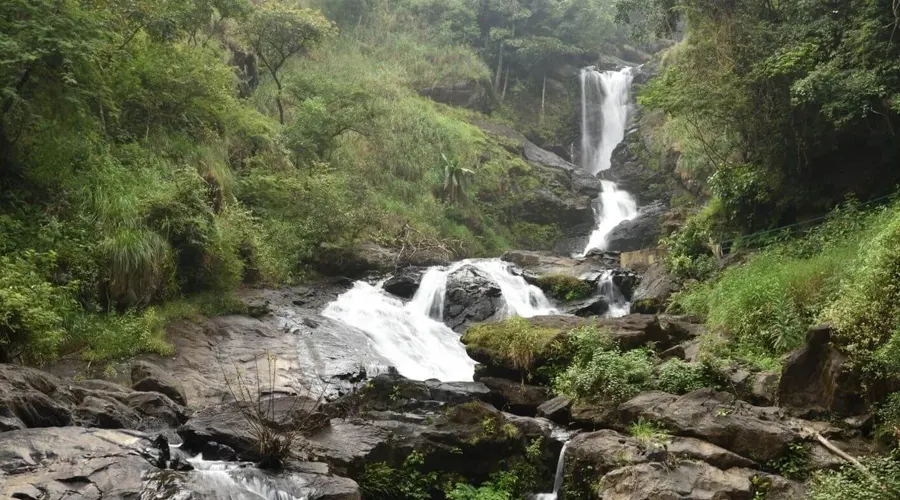
Mookambika Wildlife Sanctuary, located in Kollur of Udupi district, is one of Karnataka’s most enchanting and biodiverse protected areas. Nestled in the lap of the Western Ghats, this sanctuary is a haven for nature lovers, trekkers, and wildlife enthusiasts. It covers a rich expanse of tropical forest, offering refuge to many endangered and endemic species of flora and fauna.
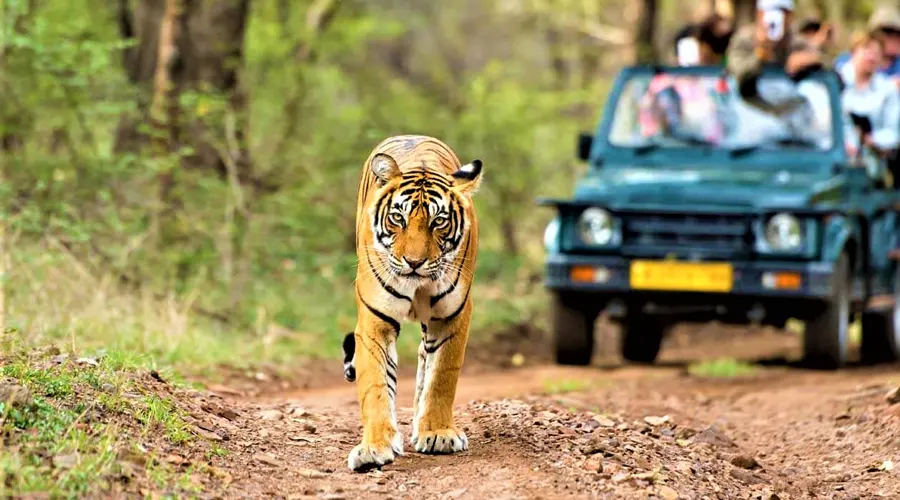
The sanctuary is especially known for the presence of rare animals like the slender loris and lion-tailed macaque, alongside larger wildlife such as tiger, leopard, sloth bear, sambar deer, chital, wild pig, barking deer, gaur, porcupine, and otter. This diversity makes Mookambika an important ecological zone and a dream destination for wildlife photographers.
History of Mookambika Wildlife Sanctuary
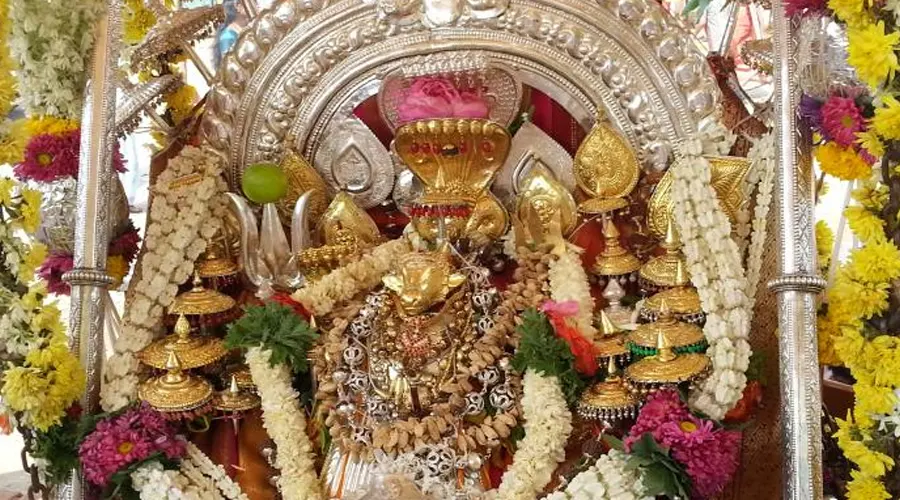
The Mookambika Wildlife Sanctuary was established in 1974 under the Wildlife Protection Act of 1972 to conserve the rich biodiversity of the Western Ghats, a UNESCO World Heritage Site. Spread across an area of approximately 370 sq. km, the sanctuary derives its name from the revered Mookambika Devi Temple located in nearby Kollur, one of the most sacred Shakti Peethas in South India.
The sanctuary was formed to protect endangered and endemic species like the lion-tailed macaque, slender loris, and cane turtle, which are unique to this eco-sensitive region. Historically, these forests have been home to tribal communities and sages, and are considered sacred by the locals due to their spiritual connection to the Mookambika Temple.
Over the decades, the sanctuary has evolved from being a simple reserve forest to a full-fledged wildlife protection zone, forming an ecological corridor with neighboring sanctuaries like Sharavathi Valley. It now plays a critical role in preserving both cultural heritage and biological diversity in Karnataka.
Rich Biodiversity of Mookambika Wildlife Sanctuary
Apart from large mammals, the sanctuary is also home to endangered reptiles such as the cane turtle and houses rare plant species like Coscinium fenestratum, a medicinal climber native to this region. The lush green forest canopy, flowing streams, and peaceful trails offer a truly immersive wilderness experience.
Highlights:
- Protected habitat for the lion-tailed macaque (an endangered primate)
- Secure ecosystem for cane turtles
- Medicinal plants like Coscinium fenestratum
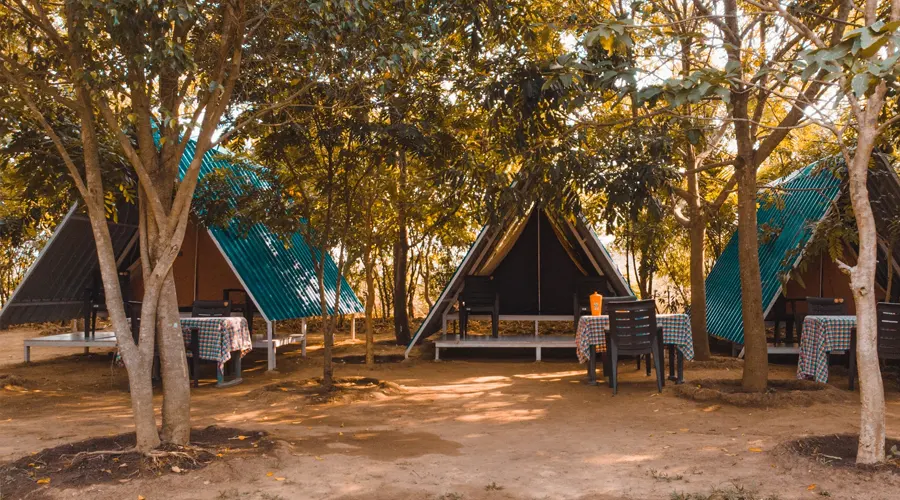
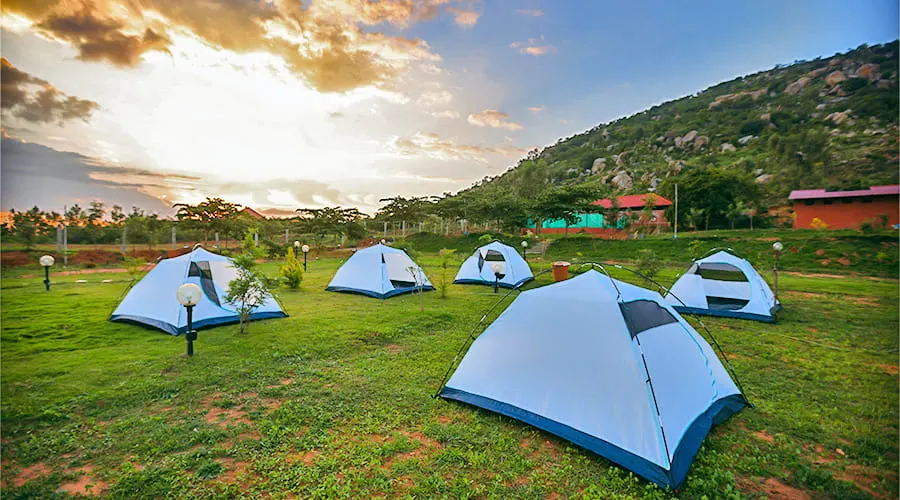
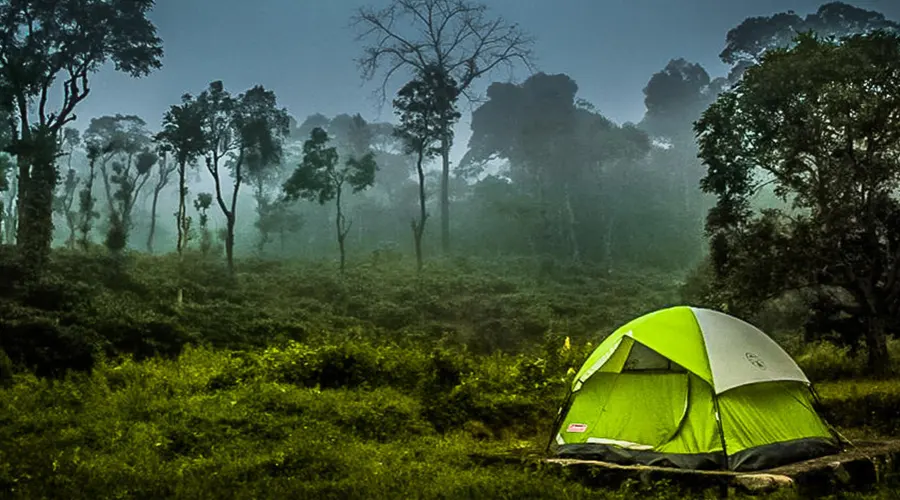
- Offers camping, trekking, and nature walks
- Shares borders with Sharavathi Valley Wildlife Sanctuary
Mookambika Wildlife Sanctuary Timings
| Feature | Details |
|---|---|
| Opening Hours | 6 AM to 6 PM (daily) |
| Best Visiting Months | September–April |
| Nearest Airport | Mangalore Intl Airport (?135–140 km) |
| Nearest Railway Station | Mookambika Road (Byndoor) (?28 km) |
| Nearest Town | Kollur |
Why Visit Mookambika Wildlife Sanctuary?
- To witness rare and endangered species
- For eco-tourism activities like trekking and birdwatching
- To explore the biodiversity of the Western Ghats
- To combine nature and spirituality with a visit to Kollur Mookambika Temple
Wildlife Found in Mookambika Wildlife Sanctuary
Here’s a structured table of notable wild animals, birds, and reptiles in the sanctuary:
| Animal/Bird/Reptile | Type | Conservation Status |
| Lion-tailed Macaque | Endangered Primate | Endangered (IUCN Red List) |
| Slender Loris | Nocturnal Primate | Near Threatened |
| Tiger | Predator | Endangered |
| Leopard | Predator | Vulnerable |
| Sambar Deer | Herbivore | Least Concern |
| Chital (Spotted Deer) | Herbivore | Least Concern |
| Sloth Bear | Omnivore | Vulnerable |
| Gaur (Indian Bison) | Herbivore | Vulnerable |
| Wild Pig | Omnivore | Least Concern |
| Otter | Semi-aquatic Mammal | Vulnerable |
| Porcupine | Rodent | Least Concern |
| Cane Turtle | Freshwater Reptile | Endangered |
| Coscinium fenestratum | Medicinal Climber | Critically Endangered (Plant) |
| Peacocks, Hornbills, Eagles | Birds | Protected under Wildlife Act |
FAQs About Mookambika Wildlife Sanctuary
Q1. Where is Mookambika Wildlife Sanctuary located?
Ans: Mookambika Wildlife Sanctuary is located in Kollur, in the Udupi district of Karnataka, nestled in the biodiversity-rich Western Ghats.
Q2. What is Mookambika Wildlife Sanctuary famous for?
Ans: The sanctuary is renowned for its rare and endangered species, such as the lion-tailed macaque, slender loris, and cane turtle, along with its lush forest landscape ideal for eco-tourism and trekking.
Q3. Which animals are found in Mookambika Wildlife Sanctuary?
Ans: The sanctuary is home to tigers, leopards, sambar deer, chital, sloth bears, gaurs, wild pigs, otters, and porcupines, among others.
Q4. What endangered species are protected in the sanctuary?
Ans: The sanctuary protects endangered species like the lion-tailed macaque, slender loris, cane turtle, and the medicinal plant Coscinium fenestratum.
Q5. What is the best time to visit Mookambika Wildlife Sanctuary?
Ans: The best time to visit is October to March, when the weather is cool and suitable for wildlife spotting and trekking.
Q6. What activities can tourists enjoy at Mookambika Wildlife Sanctuary?
Ans: Tourists can enjoy nature walks, trekking, birdwatching, camping, and exploring the nearby Mookambika Temple.
Q7. How can I reach Mookambika Wildlife Sanctuary?
Ans: You can reach the sanctuary by road from Udupi or Mangalore, rail via Byndoor station (28 km away), or by air via Mangalore Airport.
Q8. Is there an entry fee for visiting the sanctuary?
Ans: Yes, an entry fee is applicable and may vary depending on activities and zones. It typically ranges from ?30 to ?200 per person.
Q9. Are guides or forest officials available for safaris or trekking?
Ans: Yes, forest department guides are available for eco-tourism activities like guided trekking and wildlife safaris.
Q10. Can I visit Mookambika Temple along with the sanctuary?
Ans: Yes, the Mookambika Temple, one of the most sacred Shakti Peethas, is located nearby and can be visited during your trip to the sanctuary.