
India is home to some of the world's most remarkable UNESCO World Heritage Sites, showcasing its rich history, diverse culture, stunning architecture, and breathtaking natural landscapes. From the iconic Taj Mahal and ancient Ajanta Caves to the wildlife-rich Kaziranga National Park and the scenic Western Ghats, these heritage sites offer unforgettable travel experiences. This guide explores the most famous UNESCO World Heritage Sites in India, along with their significance and travel information.
Best Time to Visit
October – March
Perfect For
History Lovers, Nature Enthusiasts, Families & Photographers
Top Attractions
Monuments, Temples, Caves, National Parks & Heritage Cities
Categories
Cultural, Natural & Mixed
Why Visit UNESCO World Heritage Sites in India?
UNESCO World Heritage Sites offer a unique opportunity to experience India's incredible diversity through its history, culture, architecture, and natural beauty. From the iconic Taj Mahal and the ancient Ajanta Caves to the wildlife-rich Kaziranga National Park and the majestic Western Ghats, each site tells a fascinating story of India's past and present.
Visiting these heritage sites allows travelers to admire remarkable architecture, explore centuries-old civilizations, discover rare wildlife, and understand the traditions that have shaped India's identity. Whether you are a history enthusiast, photographer, nature lover, student, or family traveler, UNESCO sites provide unforgettable experiences while promoting sustainable tourism and heritage conservation.
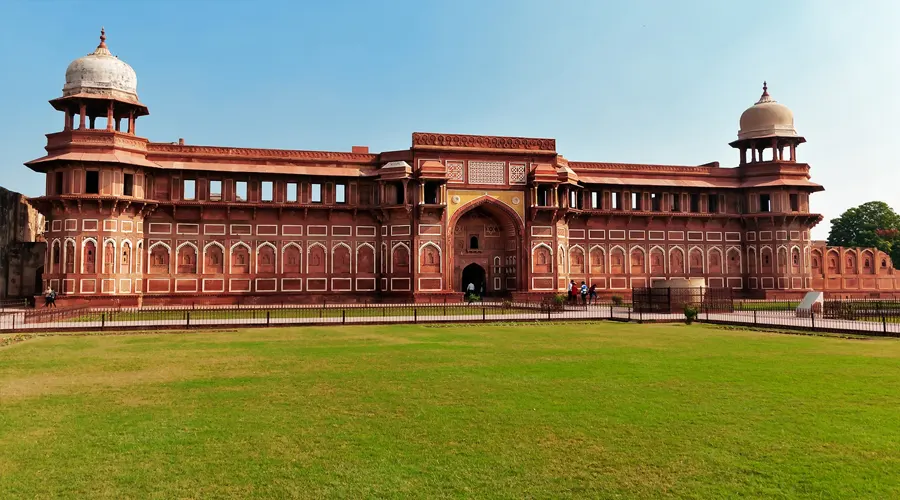
Agra Fort
Agra Fort, as we know it today, is a colossal masterpiece built by the most popular Mughal Emperor, Akbar in 1565 AD, followed by Shah Jahan. Before Akbar, the fort served as a residence of Babur, while Humayun was crowned as an emperor in it. It is one of the three UNESCO World Heritage Sites in Agra, apart from the Taj Mahal and Fatehpur Sikri. This splendid monument is also ...
Explore More...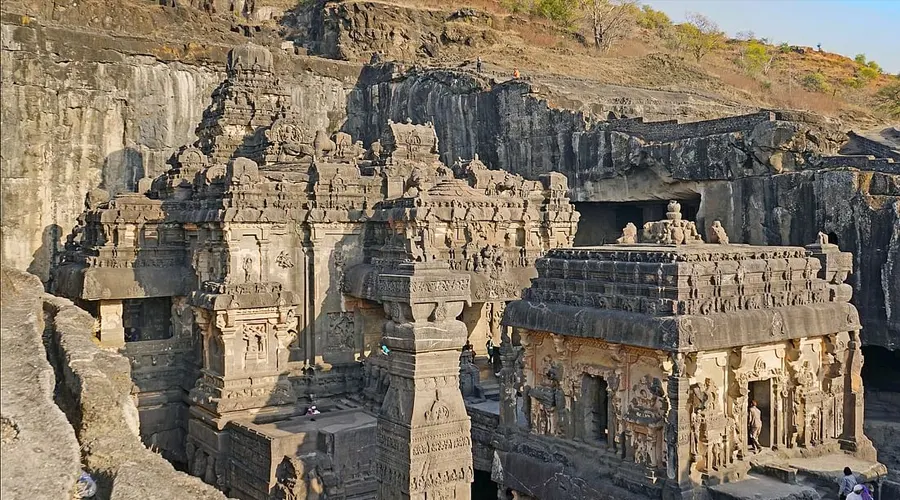
Ajanta-Ellora Caves
One of the finest examples of ancient rock-cut caves is Ajanta and Ellora Caves located in Aurangabad. There are 29 Ajanta Caves and 34 Ellora Caves, all of which are designed beautifully with paintings and intricately carved sculptures and it is one of the best historical places in Maharashtra. The caves are surrounded by dense forests, and the view outdoors as well as within the caves is one that you’ll ...
Explore More...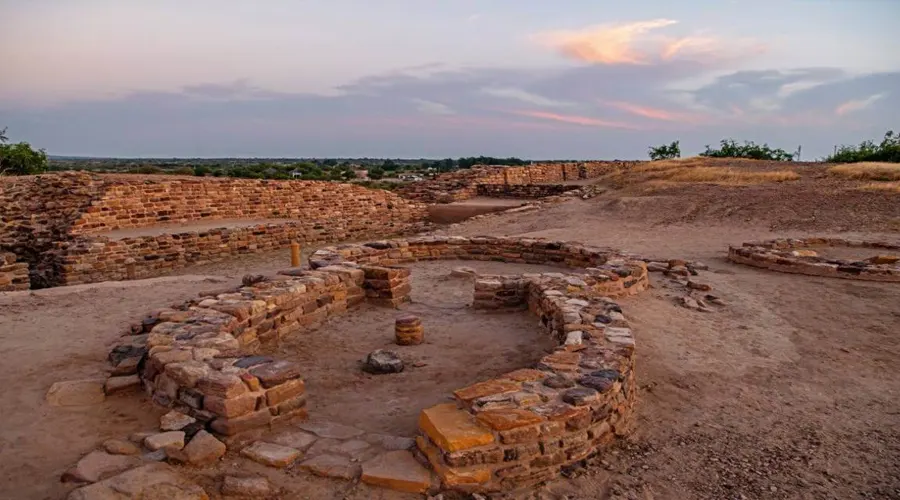
Dholavira
UNESCO has included Dholavira of Kutch in the list of World Heritage Sites in 2021, allowing Gujarat to shine once again on the World Heritage Map. With the inclusion of Dholavira in the World Heritage Site, Gujarat has also got the pride of being a state with four World Heritage Sites.About Dholavira At the height of our civilization, our technological development, our social and material complexity, all signs point to ...
Explore More...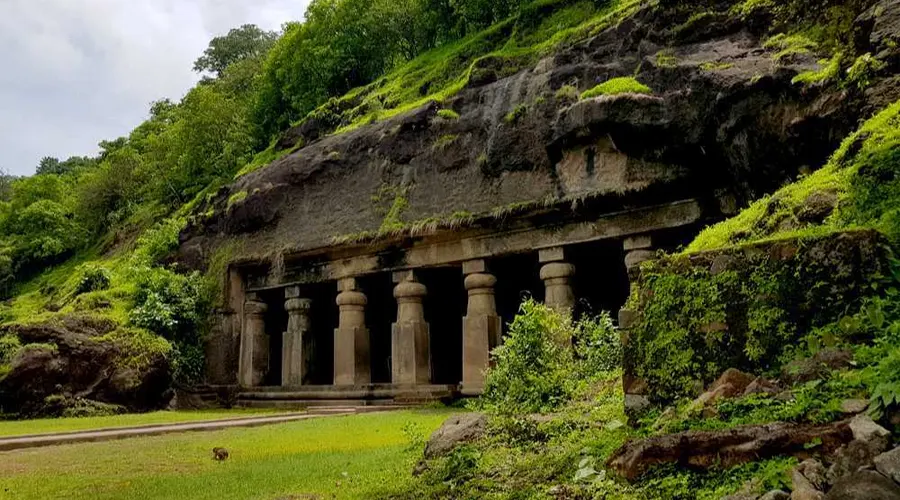
Elephanta Caves
Elephanta Caves represent one of the most elegantly crafted caves in Maharashtra. Having been declared a World Heritage Site, the caves are an attractive tourist spot and are dedicated mainly to Hinduism. Cultural buffs can get a peek into Hinduism and Buddhism as the deity Lord Shiva is featured in many forms here along with a section of caves featuring Buddhist sculptures. The caves are far away from the hustle ...
Explore More...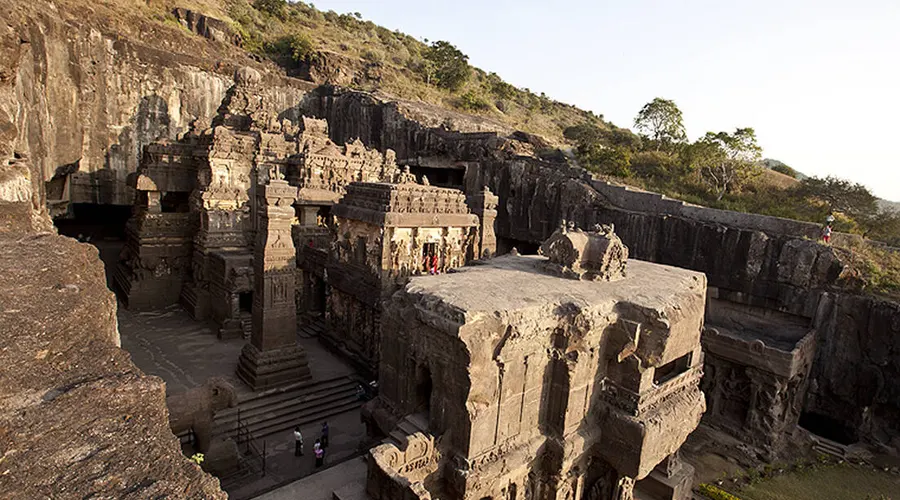
Ellora Caves
The complex artistic sculptures at Ellora Caves are a tourist hotbed, attracting people from all over the world. These caves are a UNESCO World Heritage Site, and the sanctuaries dedicated to Buddhism, Hinduism, and Jainism will enchant you. While the walls feature elaborate and elegantly created sculptures and paintings from different religions, the ones featuring scenes from Hindu mythology are the most dramatic. Erotic depictions and life-sized animal sculptures are ...
Explore More...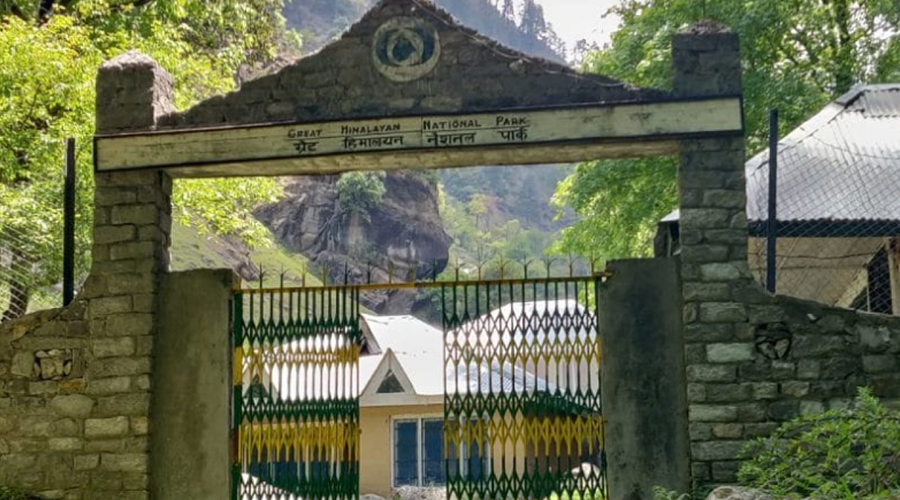
Great Himalayan National Park, Himachal Pradesh
Great Himalayan National Park (GHNP), located in the Kullu region of Himachal Pradesh, is one of the most pristine and ecologically rich protected areas in the Himalayas. Declared a UNESCO World Heritage Site, the park is famous for its untouched wilderness, alpine meadows, dense forests, and rare wildlife. Spread across 1,171 sq km, GHNP is a paradise for trekkers, wildlife lovers, bird watchers, and nature explorers.With over 350 species of ...
Explore More...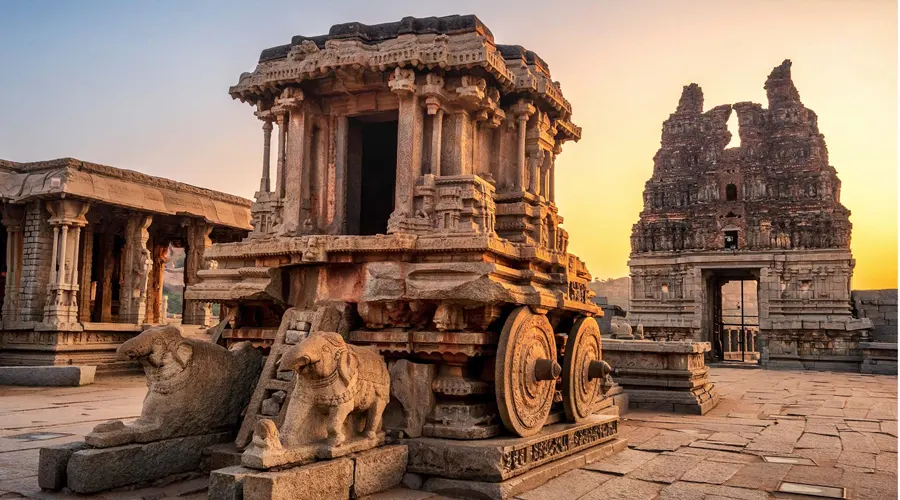
Group Of Monuments At Hampi
The epitome of the glorious architecture of the Vijayanagara Empire, The Group of Monuments at Hampi is listed among UNESCO World Heritage sites in India. Nestled along the Tungabhadra River, Hampi comprises ruins that reveal incredible architecture, sculptures, and stories of the bygone days. With an array of structures and ruins, rugged landscape, and river Tungabhadra running in the background offering great photo ops, Hampi tops the list of historical ...
Explore More...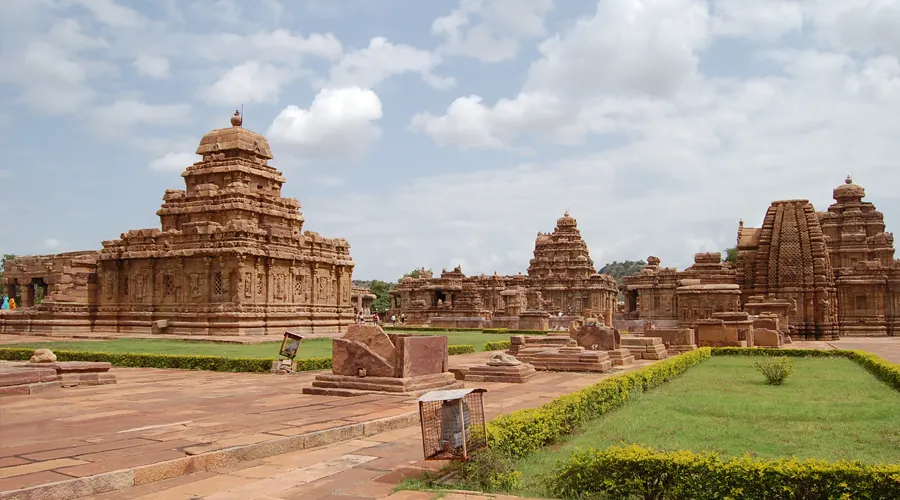
Group Of Monuments In Pattadakal
Listed among the UNESCO World Heritage Sites in India, the Group of Monuments at Pattadakal are treasures of the bygone days of Karnataka. Built by Chalukyas in the 7th and 8th centuries, the monuments showcase the magnificent prowess of art and architecture.The historic remains, narrate the tales of Chalukyas, who were not just rulers but also great patrons of art. Present in the complex is impressive series of nine Hindu ...
Explore More...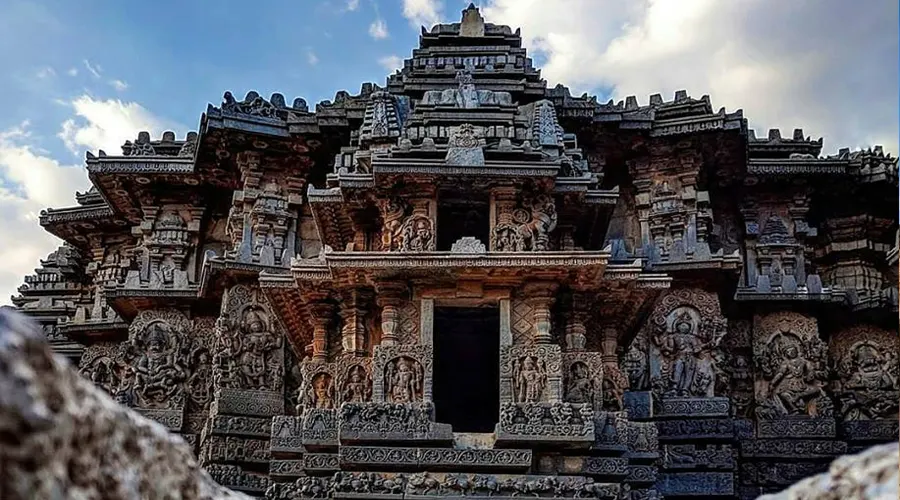
Hoysaleswara Temple
Wouldn’t you love a journey back into history? The 12th century capital of the Hoysala Empire, Halebidu does just that. Home to several heritage monuments in Karnataka, the city is truly fascinating in every way. Fining its mention on our list is one of the finest examples of Hoysala architecture, Hoysaleswara Temple. The temple is acclaimed as ‘the supreme climax of Indian architecture.Dedicated to Lord Shiva, the incredible Dravidian temple ...
Explore More...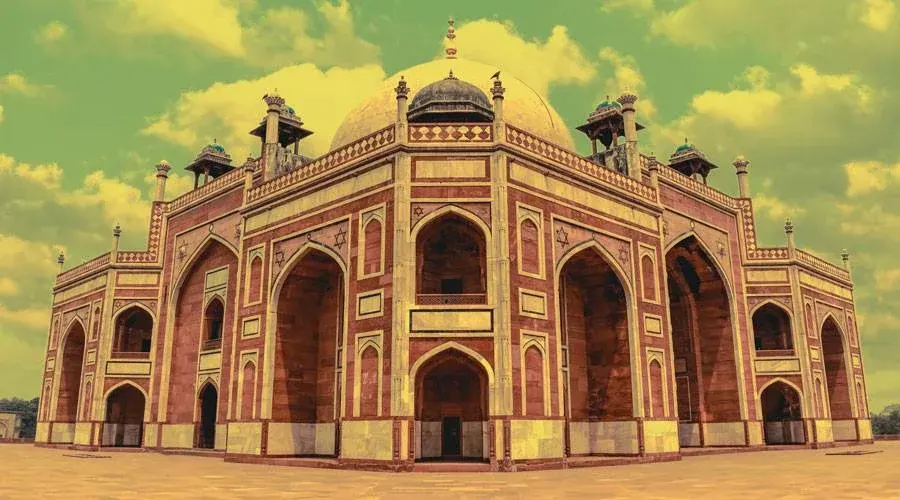
Humayun's Tomb, Delhi
As the name suggests, Humayun's tomb is the final resting place of the Mughal Emperor Humayun. Located in the Nizamuddin East area of Delhi, it is the first garden-tomb in the Indian subcontinent. This splendid piece of architecture was commissioned for construction by Humayun's chief consort Empress Bega Begum in the year 1569-70 and is one of the very few structures that used red sandstone on such a massive scale ...
Explore More...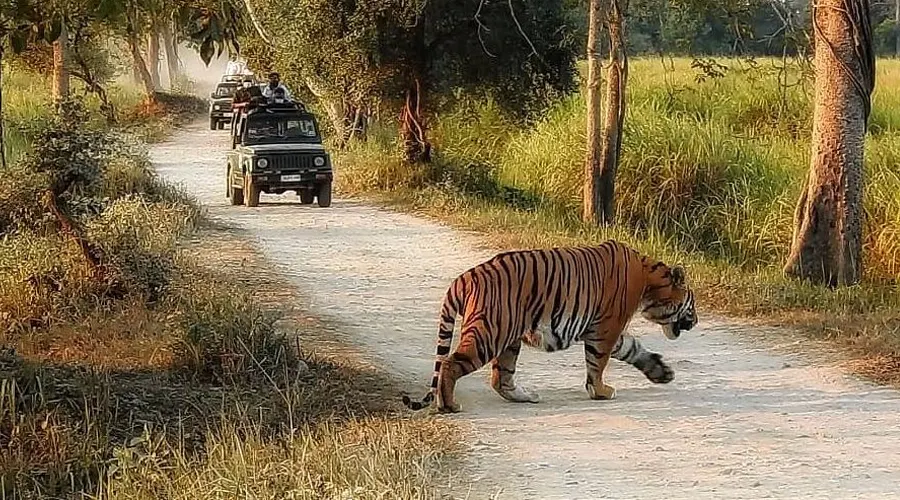
Kaziranga National Park And Tiger Reserve
All those who have thought Indian one-horned rhinoceros only existed in the Jurassic era, then a trip to Kaziranga is a must for them. One of the most sought-after wildlife holiday destinations in India, Kaziranga National park’s 430 square kilometer area sprinkled with elephant-grass meadows, swampy lagoons, and dense forests are home to more than 2200 Indian one-horned rhinoceros, approximately 2/3rd of their total world population.Along with the iconic Greater ...
Explore More...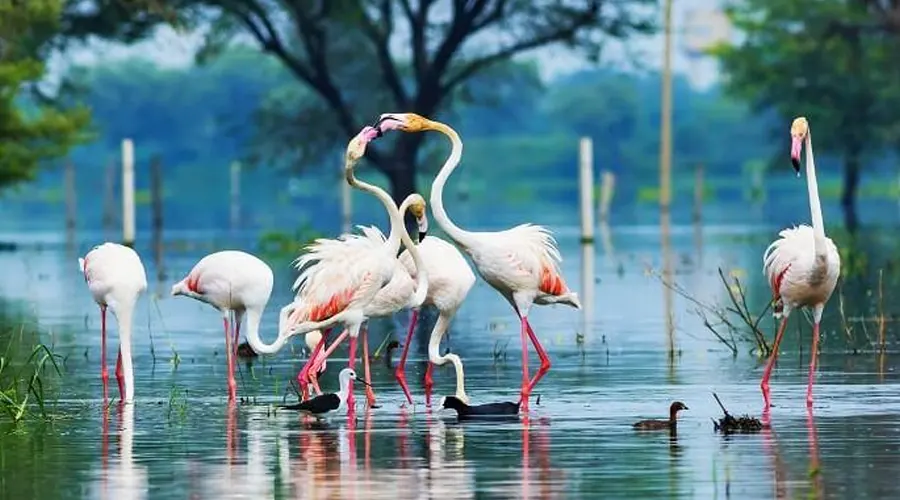
Keoladeo Ghana Bird Sanctuary
The Keoladeo Ghana National Park was formerly known as the Bharatpur Bird Sanctuary. The sanctuary is home to a large number of migratory birds during the hibernal season and is a very popular tourist place in Rajasthan. The bird sanctuary, which attracts a large number of ornithologists from all over the country and the world during the migratory season, plays home to as many as 230 avian species.In 1971, the ...
Explore More...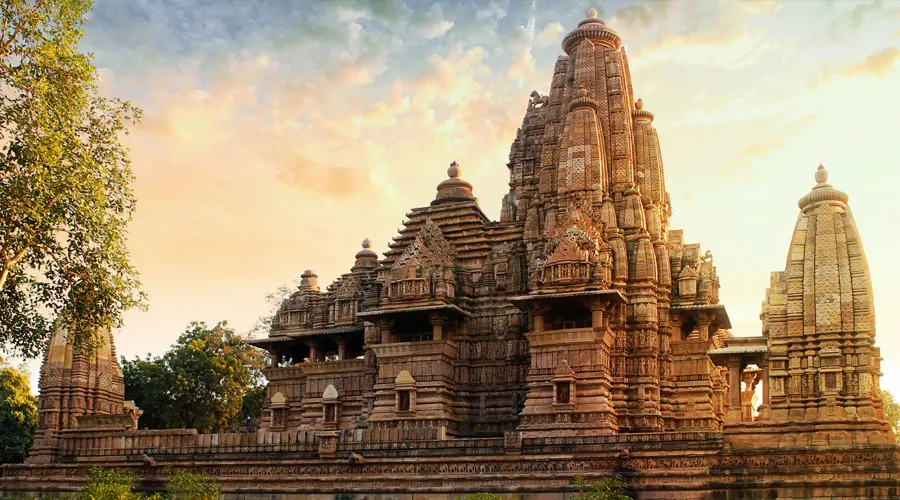
Khajuraho Temples
The Khajuraho Temples in Madhya Pradesh are amongst the most beautiful medieval monuments in India. Originally a group of 85, they are the largest group of Hindu and Jain temples in the world, although only about 25 of them remain today. A UNESCO World Heritage Site, they have awed generations of people with their architectural brilliance, intricate carvings, and, most famously, their erotic sculptures.The Khajuraho temples, scattered over an area ...
Explore More...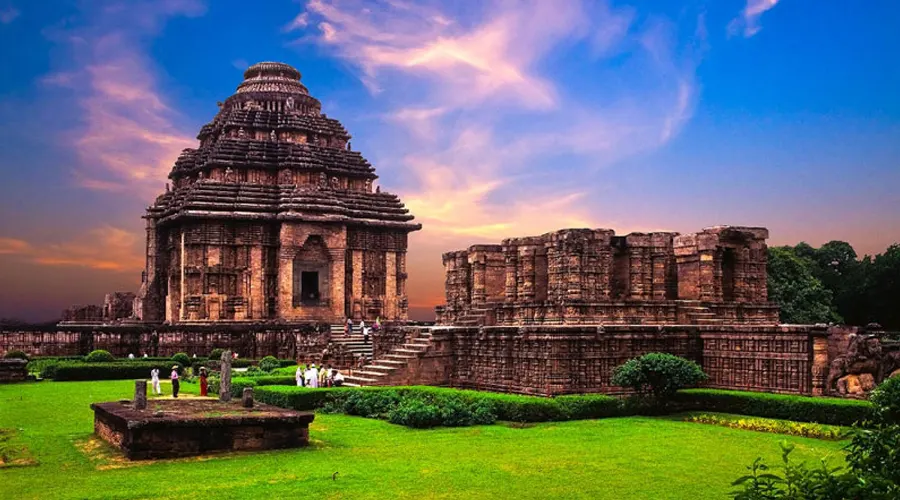
Konark Sun Temple World Heritage Site
A UNESCO World Heritage Site, Konark Sun Temple is a striking model of ancient Kalinga artistry and fluidity of ideas. Dedicated to the Sun god, Surya, the first rays of the sun fall on the entrance of the temple. Much of the temple has fallen into rack and ruin but what remains still holds enough charm to captivate. An interpretation of a greater imagination, it has seen empires rise and ...
Explore More...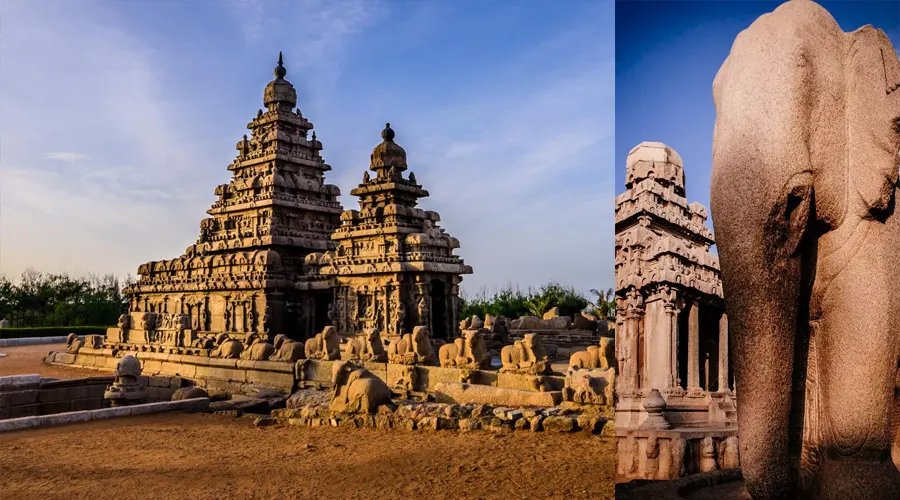
Mahabalipuram Group Of Monuments: A UNESCO Heritage Site In India
Mahabalipuram Group of Monuments is a stunning collection of nearly 400 ancient religious structures carved along the Coromandel Coast in Tamil Nadu. Recognized as a UNESCO World Heritage Site in India, this historical treasure showcases the rich cultural and architectural legacy of the Pallava Dynasty. Whether you’re an architecture enthusiast or a history lover, Mahabalipuram promises a journey back in time through its magnificent stone-carved temples, mandapas, rathas, and open-air ...
Explore More...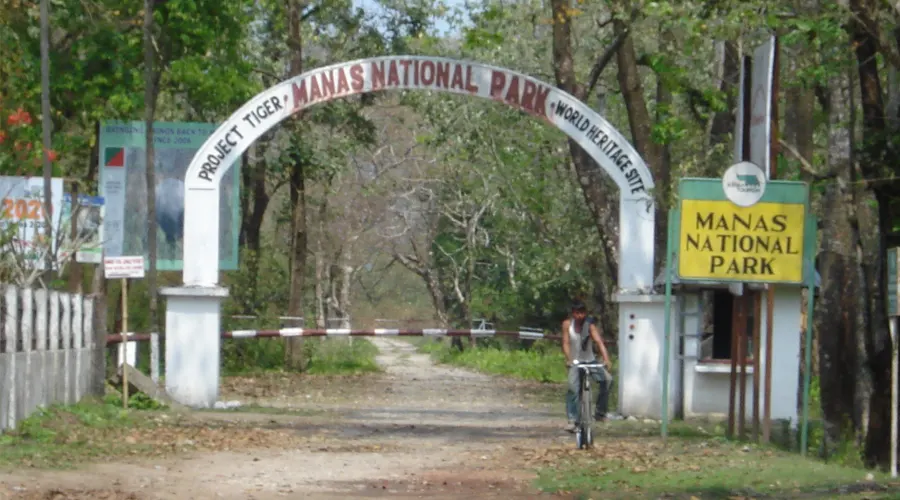
Manas National Park
Assam is one of the 8th North-Eastern states of India known for its rich wildlife sanctuary and abundant natural settings.Deemed as a safe shelter for several rare and endangered species, Manas National Park in Assam is a UNESCO Natural World Heritage Site, a tiger and elephant reserve, and a biosphere reserve. Manas National Park gets its name from the River Manas, which flows through the reserve and is also the ...
Explore More...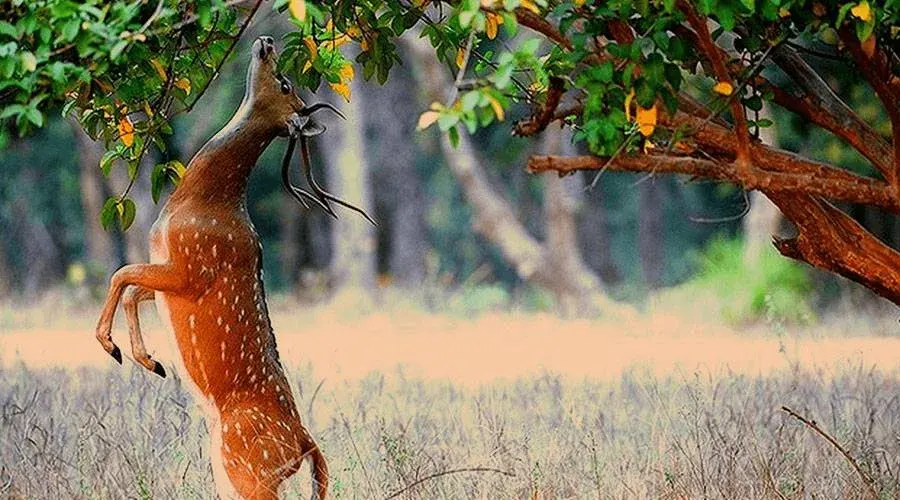
Nanda Devi National Park, Uttarakhand
In proximity to Nanda Devi, which is the second-highest peak in India, lies the Nanda Devi National Park in the Chamoli district of Uttarakhand. A UNESCO World Heritage Site, this park is one of the most biodiverse regions in the world and is home to some of the rarest and unique high-altitude flora and fauna in the world. The breathtaking views, coupled with the richness of the biosphere, set this ...
Explore More...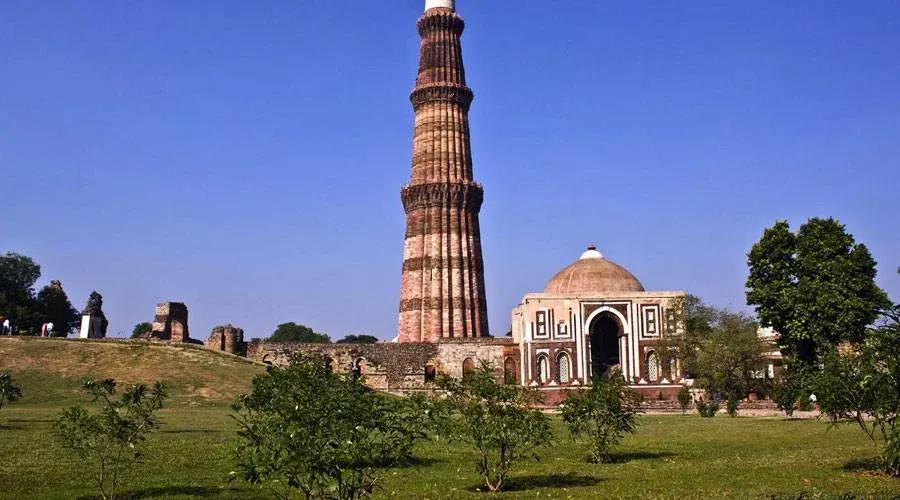
Qutub Minar, Delhi
Qutub Minar is a minaret or a victory tower located in Qutub complex, a UNESCO World Heritage Site in Delhi's Mehrauli area. With a height of 72.5 meters (238 ft), Qutub Minar is the second tallest monument in Delhi. Its construction was started in 1192 by Qutb Ud-Din-Aibak, founder of Delhi Sultanate after he defeated the last Hindu Ruler of Delhi. He constructed the basement, after which the construction was ...
Explore More...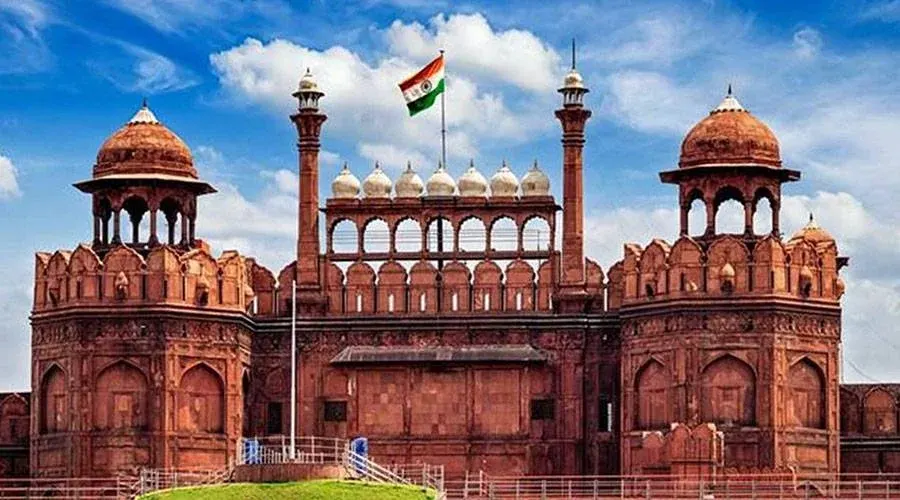
Red Fort, Delhi
The Red Fort is a historical fortification in the old Delhi area. Shah Jahan constructed it in the year 1639 as a result of a capital shift from Agra to Delhi. Used as the main residence of the emperors of the Mughal dynasty, this imposing piece of architecture derives its name from its impregnable red sandstone walls. In addition to accommodating the emperors and their households, it was the ceremonial ...
Explore More...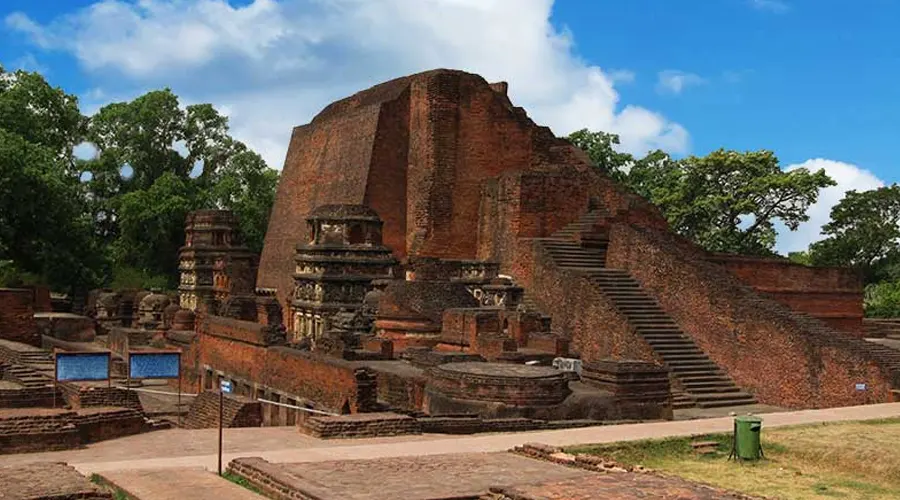
Ruins Of Nalanda
Nalanda is about 90 km southeast of Patna. Although its history goes back to the times of the Buddha, the university at Nalanda was founded in the 5th century CE, and it flourished for the next 700 years. Its decline began in the late Pala period, but the final blow was the invasion by Bakhtiyar Khilji around 1200 CE. The subjects that were taught at Nalanda included Buddhist scriptures (of ...
Explore More...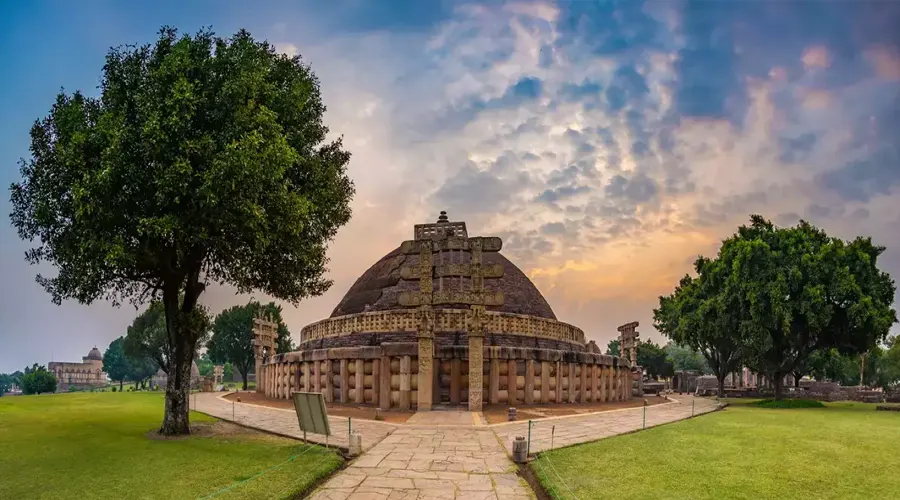
Sanchi Stupa
The Great Stupa at Sanchi has been the focal point of the Buddhist faith in the region since it was built by Emperor Ashoka in the 3rd century BC. The grand structure still inspires awe today and sits at the top of a hill, surrounded by the remains of smaller stupas, monasteries, and temples that were built as the religious community grew in the centuries after the site was founded.Despite ...
Explore More...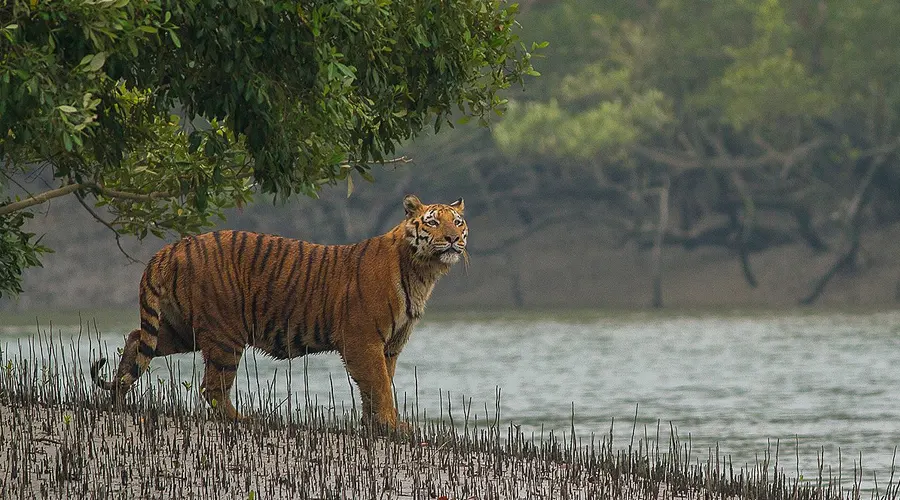
Sundarban National Park
Spread over an area of 2,585 square kilometers including 54 small islands and crisscrossed by several tributaries of the Ganges, the Sundarbans National Park is home to a variety of birds, reptiles, and invertebrate species, including the saltwater crocodile. Influenced by the innumerable watercourses and located close to the Bay of Bengal, the ecogeography of the Sundarban National Park is dependent on tidal effects that result in the creation of ...
Explore More...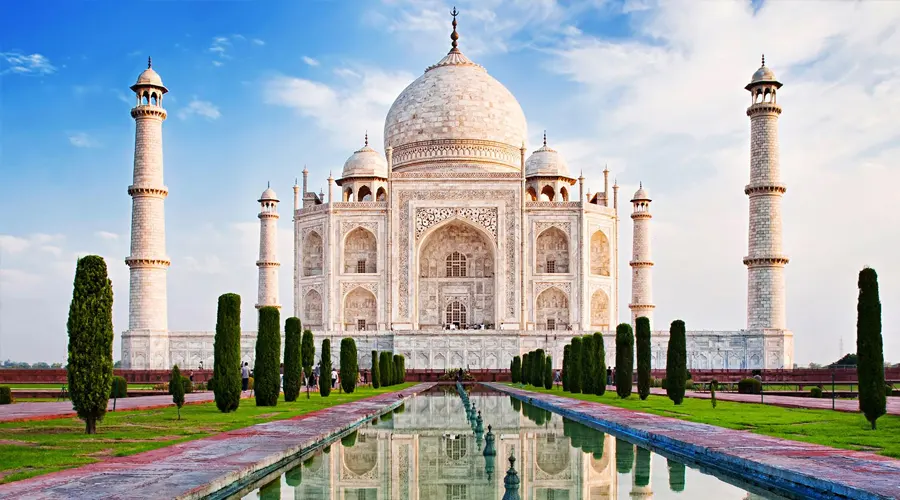
Taj Mahal Agra: History, Architecture & UNESCO World Heritage Site
Have You Ever Seen a Monument That Looks Like a Dream in White Marble?Taj Mahal is the epitome of grandeur and splendor, you cannot fathom the beauty of this white-marbled monument unless you stand in front of it. As you approach the Taj Mahal, it gradually becomes known to you that this is no ordinary monument, but a vision come to life! Moved by its beauty and the deep affection ...
Explore More...Types of UNESCO World Heritage Sites in India
UNESCO classifies World Heritage Sites into three categories based on their outstanding universal value: Cultural Heritage Sites, Natural Heritage Sites, and Mixed Heritage Sites. India has UNESCO sites in all three categories, reflecting its rich cultural heritage, diverse ecosystems, and unique landscapes.
Cultural Heritage Sites
Cultural Heritage Sites showcase India's remarkable history, architecture, religious traditions, archaeological treasures, and artistic achievements. These include forts, palaces, temples, cave complexes, historic cities, and monuments that represent different eras of Indian civilization. Notable examples include the Taj Mahal, Qutub Minar, Hampi, Khajuraho Group of Monuments, and Jaipur City.
Natural Heritage Sites
Natural Heritage Sites are recognized for their exceptional biodiversity, ecological importance, and scenic beauty. These protected areas conserve unique ecosystems, endangered wildlife, forests, rivers, and mountain landscapes. Famous examples include Kaziranga National Park, Sundarbans National Park, Western Ghats, Great Himalayan National Park, and Nanda Devi & Valley of Flowers National Parks.
Mixed Heritage Sites
Mixed Heritage Sites are recognized for their exceptional cultural and natural significance. Khangchendzonga National Park in Sikkim is India's first and currently the only UNESCO Mixed World Heritage Site. Inscribed in 2016, the park is renowned for its spectacular Himalayan landscapes, rich biodiversity, glaciers, alpine meadows, and sacred cultural traditions associated with Mount Khangchendzonga.
Interesting Facts About UNESCO World Heritage Sites in India
India has one of the largest collections of UNESCO World Heritage Sites in the world, reflecting its extraordinary cultural and natural diversity. The Taj Mahal is one of the most visited UNESCO sites in India and attracts millions of visitors annually. The Ajanta and Ellora Caves display exceptional rock-cut architecture dating back more than 1,500 years, while the Mountain Railways of India continue to operate as living heritage.
The Western Ghats are among the world's eight "hottest hotspots" of biological diversity, and Kaziranga National Park is famous for protecting the largest population of the one-horned rhinoceros. Every UNESCO-listed site contributes to preserving India's heritage while supporting tourism and local communities.
Best Time to Visit UNESCO World Heritage Sites in India
The ideal time to visit UNESCO World Heritage Sites depends on their location and climate. For most monuments, forts, palaces, and historical cities, the best time is from October to March, when the weather is pleasant for sightseeing.
National parks and wildlife reserves are generally best visited between November and April, while Himalayan heritage sites are ideal during April to June and September to October. Travelers should avoid the monsoon season in regions prone to heavy rainfall, as it may affect accessibility and outdoor activities.
State-wise UNESCO World Heritage Sites
| State | UNESCO Sites |
|---|---|
| Uttar Pradesh | Taj Mahal, Agra Fort, Fatehpur Sikri |
| Rajasthan | Jaipur City, Jantar Mantar, Keoladeo National Park |
| Karnataka | Hampi, Pattadakal, Sacred Ensembles of the Hoysalas |
| Maharashtra | Ajanta, Ellora, Elephanta, Victorian Gothic and Art Deco Ensembles of Mumbai |
| Tamil Nadu | Great Living Chola Temples, Mahabalipuram, Nilgiri Mountain Railway |
| Odisha | Konark Sun Temple |
| Assam | Kaziranga, Manas, Moidams |
| Gujarat | Champaner-Pavagadh, Rani ki Vav, Dholavira |
| West Bengal | Sundarbans, Darjeeling Himalayan Railway, Santiniketan |
| Uttarakhand | Nanda Devi & Valley of Flowers National Parks |
How to Reach UNESCO World Heritage Sites in India
Most UNESCO World Heritage Sites in India are well connected by air, rail, and road. Major international and domestic airports, railway stations, and national highways provide easy access to these destinations. Popular heritage cities such as Delhi, Agra, Jaipur, Mumbai, Chennai, Bengaluru, and Kolkata serve as convenient gateways to many UNESCO sites. Travelers can also hire taxis, use state transport buses, or opt for guided tours to reach individual attractions comfortably.
Quick Facts About UNESCO World Heritage Sites in India
| Particular | Details |
|---|---|
| Total UNESCO World Heritage Sites | 44* |
| Cultural Heritage Sites | 36 |
| Natural Heritage Sites | 7 |
| Mixed Heritage Sites | 1 (Khangchendzonga National Park, Sikkim) |
| First UNESCO World Heritage Sites (1983) | Agra Fort, Taj Mahal & Ajanta Caves |
| Latest UNESCO World Heritage Site | Moidams – The Mound-Burial System of the Ahom Dynasty (Assam) |
| State with the Most UNESCO Sites | Maharashtra |
| Managed By | UNESCO (United Nations Educational, Scientific and Cultural Organization) |
| Best Time to Visit | October to March (varies by destination) |
| Popular UNESCO Site | Taj Mahal, Uttar Pradesh |
Note: The total number of UNESCO World Heritage Sites may increase if UNESCO adds new Indian sites in future sessions. It is a good practice to verify the latest count before publishing.
Travel Tips for Visiting UNESCO Sites
Before visiting UNESCO World Heritage Sites, it is advisable to check opening hours, entry fees, and photography guidelines. Wear comfortable clothing and walking shoes, especially while exploring forts, cave complexes, and archaeological sites.
Carry drinking water, sunscreen, and a hat during summer visits. Respect local customs, avoid touching ancient structures, and help preserve these heritage sites by maintaining cleanliness and following conservation rules. Hiring a certified local guide can also enhance your understanding of the site's historical and cultural significance.
UNESCO World Heritage Sites in India reflect the country's remarkable cultural heritage, architectural excellence, and natural diversity. From iconic monuments and sacred temples to pristine forests and historic cities, these sites offer unforgettable experiences for every traveler. Whether you are planning a heritage tour, a family vacation, or a cultural journey, exploring India's UNESCO World Heritage Sites is a wonderful way to discover the nation's timeless legacy. Plan your trip responsibly, respect these protected landmarks, and experience the incredible heritage that makes India one of the world's most fascinating travel destinations.
Faq About Top UNESCO World Heritage Sites in India
Ans: As of 2026, India has 44 UNESCO World Heritage Sites, including 36 Cultural, 7 Natural, and 1 Mixed Heritage Site. India has one of the highest numbers of UNESCO-listed sites in the world.
Ans: Maratha Military Landscapes of India became India's 44th UNESCO World Heritage Site after being inscribed in 2025.
Ans: The Taj Mahal, Agra Fort, and Ajanta Caves were among the first Indian sites inscribed on the UNESCO World Heritage List in 1983.
Ans: Maharashtra has the highest number of UNESCO World Heritage Sites, including Ajanta Caves, Ellora Caves, Elephanta Caves, Chhatrapati Shivaji Terminus, and the Victorian Gothic and Art Deco Ensembles of Mumbai.
Ans: UNESCO classifies World Heritage Sites into Cultural Heritage Sites, Natural Heritage Sites, and Mixed Heritage Sites based on their outstanding universal value.
Ans: Khangchendzonga National Park in Sikkim is India's only UNESCO Mixed World Heritage Site. It was inscribed in 2016 for its exceptional natural beauty and cultural significance.
Ans: The Taj Mahal in Agra is the most visited UNESCO World Heritage Site in India and attracts millions of domestic and international tourists every year.
Ans: The best time to visit most UNESCO World Heritage Sites in India is October to March, when the weather is pleasant for sightseeing. However, the ideal season may vary depending on the destination and region.
Ans: UNESCO World Heritage Sites are recognized for their outstanding cultural, historical, scientific, or natural significance. They are protected to preserve their heritage and ensure they are passed on to future generations.
Ans: First-time visitors should explore the Taj Mahal, Qutub Minar, Hampi, Ajanta Caves, Ellora Caves, Jaipur City, Kaziranga National Park, and Konark Sun Temple. These destinations showcase India's rich history, architecture, culture, and natural beauty.