Tripura Tourism – Explore the Hidden Gem of Northeast India
Looking for an unexplored destination in Northeast India filled with royal palaces, tribal culture, scenic hills, ancient temples, and peaceful natural beauty? Tripura is one of India’s most beautiful hidden gems that offers a perfect blend of history, spirituality, culture, and nature.
Tripura, located in the northeastern part of India, is a beautiful state filled with royal heritage, tribal culture, lush green hills, ancient temples, waterfalls, and scenic landscapes. Though small in size, Tripura offers travelers a unique blend of spirituality, history, nature, and cultural richness. From magnificent palaces and sacred temples to peaceful lakes and untouched villages, Tripura is one of India’s most underrated travel destinations.
Known for its warm hospitality and vibrant traditions, the state attracts tourists looking for peaceful holidays and authentic cultural experiences. The capital city Agartala showcases Tripura’s royal legacy through stunning palaces and museums, while destinations like Jampui Hills, Neermahal, and Unakoti reveal the natural and historical beauty of the region. Whether you are a history lover, spiritual traveler, adventure enthusiast, or nature explorer, Tripura offers unforgettable experiences away from crowded tourist destinations.
History of Tripura
The history of Tripura is deeply connected with mythology, royal dynasties, and tribal traditions. According to legends, the state derives its name from King Tripur, who is mentioned in ancient Hindu scriptures and the Mahabharata. Historically, Tripura was ruled by the powerful Manikya Dynasty for more than 500 years.
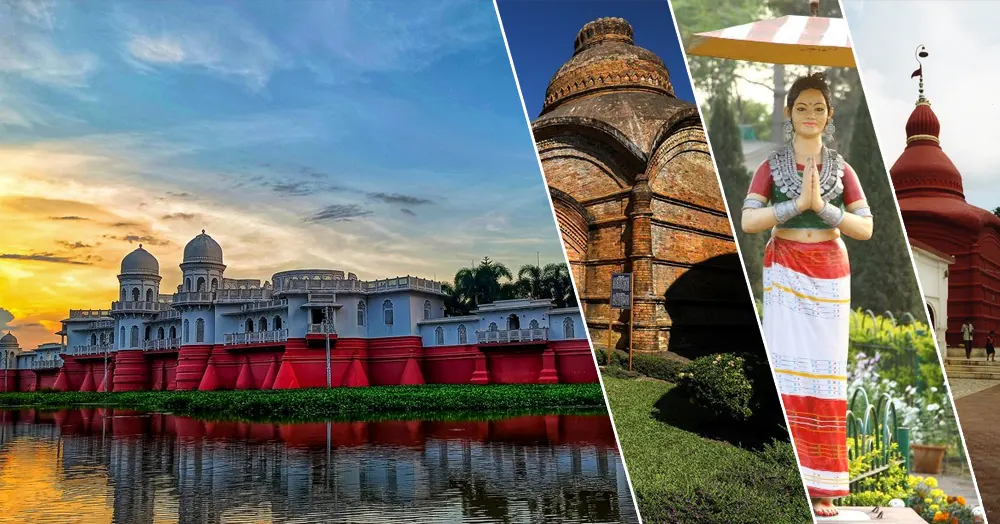
During the reign of the Manikya kings, Tripura witnessed remarkable cultural and architectural development. Magnificent structures like Ujjayanta Palace and Neermahal Palace were built during this period, showcasing Indo-Islamic and Mughal-inspired architecture.
After India gained independence, Tripura merged with the Indian Union in 1949. It later became a full-fledged state in 1972. Despite modernization, the state has preserved its tribal identity, traditions, festivals, and cultural heritage.
Today, Tripura stands as a peaceful state where modern development coexists with ancient customs and royal history.
Culture and Traditions of Tripura
Tripura is home to 19 recognized tribal communities including Tripuri, Reang, Chakma, Halam, Mog, and Jamatia tribes. Each community has its own language, dance forms, clothing styles, and cultural traditions.
Traditional dance forms such as Hojagiri, Garia Dance, Lebang Boomani, and Hai-Hak represent the rich tribal culture of the state. Music and dance play an important role during festivals and celebrations.
Handwoven textiles like Risa and Rignai are important parts of tribal attire. Bamboo and cane handicrafts are also widely popular and reflect the artistic skills of local communities.
The people of Tripura are known for their hospitality, simplicity, and strong connection with nature and traditions.
Top Tourist Places to Visit in Tripura
Tripura is filled with historical monuments, lakes, temples, hills, and wildlife sanctuaries.
| Place | Famous For |
| Ujjayanta Palace | Royal architecture and museum |
| Neermahal Palace | Water palace and lake views |
| Unakoti | Ancient rock carvings |
| Jampui Hills | Scenic mountain beauty |
| Sepahijala Wildlife Sanctuary | Wildlife and boating |
| Tripura Sundari Temple | Spiritual significance |
Famous Tourist Attractions in Tripura
- Ujjayanta Palace: Ujjayanta Palace is one of the most iconic landmarks in Tripura. Built by Maharaja Radha Kishore Manikya, the palace features beautiful domes, Mughal gardens, lakes, and impressive royal architecture. Today, it serves as a state museum displaying Tripura’s history, culture, and tribal heritage.
- Neermahal Palace: Neermahal is a stunning water palace located in the middle of Rudrasagar Lake. Built by Maharaja Bir Bikram Kishore Manikya, the palace combines Mughal and Hindu architectural styles. Boating on the lake offers spectacular views of the palace during sunset.
- Unakoti: Unakoti is famous for massive rock-cut sculptures and carvings dedicated to Lord Shiva. These ancient carvings date back to the 7th–9th century and attract history lovers, pilgrims, and photographers from across India.
- Jampui Hills: Jampui Hills is known as the “Land of Eternal Spring” because of its pleasant climate and breathtaking landscapes. The hills are famous for orange orchards, sunrise views, valleys, and eco-tourism experiences.
- Sepahijala Wildlife Sanctuary: Sepahijala Wildlife Sanctuary is home to rare species including clouded leopards, spectacled monkeys, migratory birds, and reptiles. The sanctuary also offers boating facilities and nature trails for tourists.
- Tripura Sundari Temple: Tripura Sundari Temple is one of the 51 Shakti Peethas in India and an important pilgrimage destination. Devotees from across the country visit the temple to seek blessings of Goddess Tripura Sundari.
Hidden Gems of Tripura
- Dumboor Lake: Dumboor Lake is a scenic freshwater lake surrounded by green hills and small islands, famous for boating, birdwatching, and peaceful natural beauty. The lake becomes especially vibrant during winter and local festivals, attracting nature lovers and photographers seeking a calm getaway in Tripura.
- Chabimura: Chabimura is known for its massive rock carvings of Hindu deities along steep riverside cliffs on the Gomati River. Surrounded by dense forests and accessible mainly by boat, it offers a unique combination of spirituality, adventure, and breathtaking natural scenery.
- Jampui Hills: Jampui Hills is a peaceful hill destination famous for orange orchards, panoramic sunrise views, cool climate, and lush green landscapes. Often called the “Land of Eternal Spring,” it attracts travelers looking for relaxation, eco-tourism, and scenic mountain experiences away from city crowds.
Festivals Celebrated in Tripura
Tripura celebrates both tribal and Hindu festivals with great enthusiasm.
| Festival | Highlights |
| Garia Puja | Tribal dance, music, and rituals |
| Durga Puja | Grand celebrations across the state |
| Ker Puja | Sacred tribal protection festival |
Garia Puja: Garia Puja is one of the most important tribal festivals celebrated for prosperity, agriculture, and happiness. Traditional dances, songs, and community feasts are major highlights.
Durga Puja: Durga Puja is celebrated with grand pandals, cultural performances, and religious rituals, especially in Agartala and Bengali-populated regions.
Famous Food of Tripura
The cuisine of Tripura is simple, healthy, and flavorful. Tribal food is prepared using bamboo shoots, fermented fish, herbs, and local vegetables.
Popular Dishes of Tripura
- Mui Borok
- Gudok
- Kosoi Bwtwi
- Chuwak
- Bamboo shoot curry
- Fish curry
- Rice-based dishes
Mui Borok is one of the most traditional dishes prepared with fermented fish and vegetables. Chuwak, a local rice beer, is commonly served during festivals and celebrations.
Adventure and Nature Activities in Tripura
Tripura offers several adventure and eco-tourism activities for travelers.
Popular Activities
- Boating at Rudrasagar Lake
- Wildlife safari at Sepahijala Sanctuary
- Trekking in Jampui Hills
- Nature photography
- Birdwatching at Dumboor Lake
- Camping in hill regions
The state’s forests, lakes, and hills provide excellent opportunities for eco-tourism and peaceful outdoor experiences.
Shopping in Tripura
Tripura is a paradise for handicraft lovers and cultural shoppers.
Famous Things to Buy
- Bamboo handicrafts
- Cane furniture
- Risa and Rignai textiles
- Handwoven shawls
- Tribal jewelry
- Handmade decorative items
Local markets in Agartala and tribal villages are best for authentic handmade products.
Best Time to Visit Tripura
The best time to visit Tripura is from October to March when the weather remains pleasant and suitable for sightseeing.
| Season | Travel Experience |
| October – March | Best for tourism and festivals |
| April – June | Warm but suitable for hill visits |
| July – September | Green landscapes during monsoon |
Winter season is ideal for exploring temples, lakes, wildlife sanctuaries, and hill destinations comfortably.
How to Reach Tripura
Tripura is well connected with other parts of India through air, rail, and road networks.
By Air: Maharaja Bir Bikram Airport in Agartala connects Tripura with major Indian cities including Kolkata, Delhi, Guwahati, and Bengaluru.
By Train: Agartala Railway Station provides railway connectivity with Assam, Kolkata, and nearby northeastern states.
By Road: National Highway 8 connects Tripura with Assam and other northeastern states through buses and private vehicles.
Where to Stay in Tripura
Tripura offers accommodation options for luxury travelers, families, backpackers, and solo tourists.
| Type | Recommended Options |
| Luxury | Ginger Hotel Agartala, Polo Towers |
| Mid-range | Hotel Sonar Tori, Welcome Palace |
| Budget | Guesthouses, homestays, budget hotels |
Travelers can also experience traditional hospitality through local homestays in rural and hill regions.
Travel Tips for Tripura
- Carry valid identity proof during travel.
- Wear comfortable cotton clothes in summer.
- Respect tribal customs and local traditions.
- Try local tribal cuisine for authentic experiences.
- Hire local guides while visiting remote areas.
- Mobile connectivity may be limited in hill regions.
Why Tripura Should Be on Your Travel Bucket List
Tripura offers a perfect combination of royal heritage, tribal culture, spiritual tourism, scenic beauty, and peaceful landscapes. Unlike crowded tourist destinations, the state provides authentic travel experiences close to nature and local traditions.
From the magnificent Ujjayanta Palace and sacred Tripura Sundari Temple to the scenic beauty of Jampui Hills and Neermahal, every corner of Tripura tells a unique story.
Whether you seek adventure, relaxation, spirituality, or cultural exploration, Tripura promises unforgettable memories in the heart of Northeast India. Discover the hidden beauty and cultural richness of Tripura with Explore Our India.
Faq About Tripura
Ans: Tripura is famous for its rich tribal culture, ancient temples, royal palaces, natural beauty, bamboo handicrafts, and lush green landscapes. The state is known for attractions like Ujjayanta Palace, Neermahal Palace, Unakoti rock carvings, and Sepahijala Wildlife Sanctuary. Tripura also offers a peaceful travel experience with cultural heritage and scenic surroundings.
Ans: The best time to visit Tripura is from October to March when the weather remains cool and pleasant for sightseeing and outdoor activities. Winters are comfortable for exploring temples, palaces, wildlife sanctuaries, and cultural attractions. Monsoon months bring heavy rainfall and greenery to the state.
Ans: Tripura offers many beautiful tourist attractions for travelers. Some of the best places to visit include:Agartala – Capital city known for heritage sitesUjjayanta Palace – Historic royal palace and museumNeermahal – Beautiful water palace on Rudrasagar LakeUnakoti – Ancient rock-cut sculptures and carvingsTripura Sundari Temple – Famous Hindu pilgrimage siteSepahijala Wildlife Sanctuary – Popular wildlife and birdwatching destinationThese attractions make Tripura ideal for cultural tourism, family vacations, and nature exploration.
Ans: Neermahal is famous as India’s largest water palace. Built in the middle of Rudrasagar Lake, the palace reflects a beautiful blend of Hindu and Mughal architectural styles. Tourists enjoy boat rides, photography, and cultural events organized around the palace area.
Ans: Tripura is famous for its traditional tribal cuisine and Bengali-influenced dishes. Popular foods include Mui Borok, bamboo shoot preparations, fish curry, rice dishes, and local meat recipes. Traditional meals often use fermented ingredients and local herbs that give the cuisine a unique flavor.
Ans: Yes, Tripura is an excellent destination for cultural tourism because of its tribal traditions, folk dances, music, festivals, temples, and royal history. The state is home to several indigenous communities whose art, handicrafts, and cultural practices attract travelers interested in authentic Northeast Indian culture.
Ans: Tripura is well connected by air, rail, and road. Maharaja Bir Bikram Airport in Agartala connects the state with major Indian cities. Railways and highways also provide connectivity with Assam and other northeastern states.
Ans: Yes, Tripura is generally considered safe for tourists, including solo travelers and families. The people are friendly and welcoming, and major tourist areas are peaceful. Travelers should still follow normal safety precautions while exploring remote regions or forest areas.
Ans: Tripura celebrates festivals like Durga Puja, Diwali, Kharchi Puja, Garia Puja, and Ker Puja with great enthusiasm. Tribal festivals and folk celebrations are important parts of the state’s cultural identity and attract tourists interested in local traditions.
Ans: A trip of 4 to 6 days is usually enough to explore Tripura comfortably. This duration allows travelers to visit Agartala, palaces, temples, wildlife sanctuaries, and cultural sites while enjoying the peaceful atmosphere and local traditions of the state.