Manikarnika Ghat Varanasi – The Sacred Cremation Ghat Of Kashi
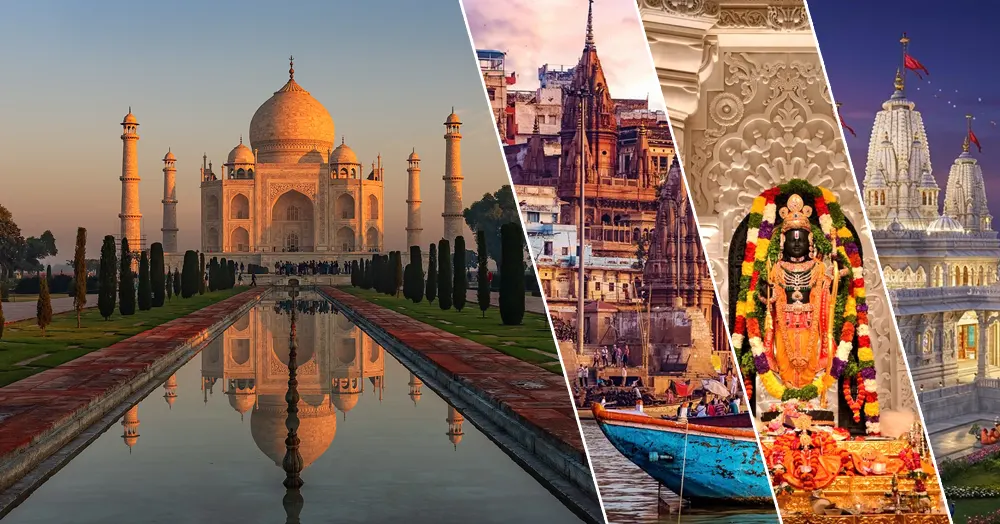
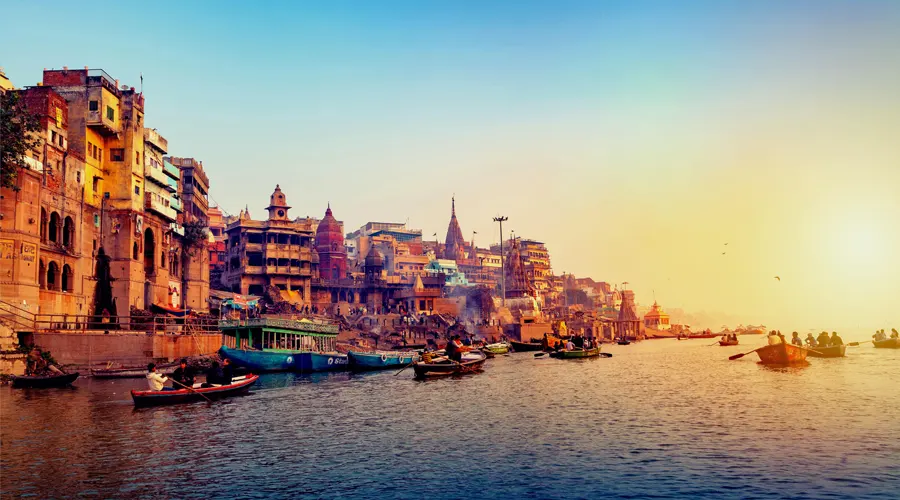
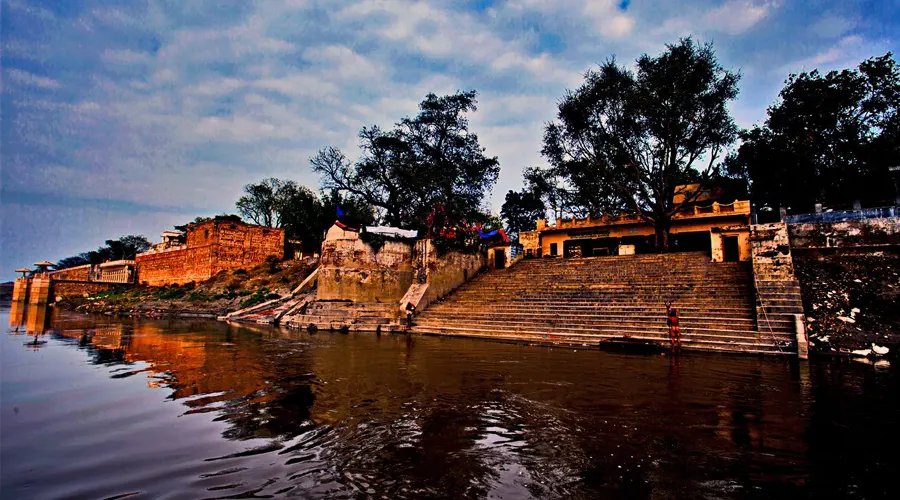
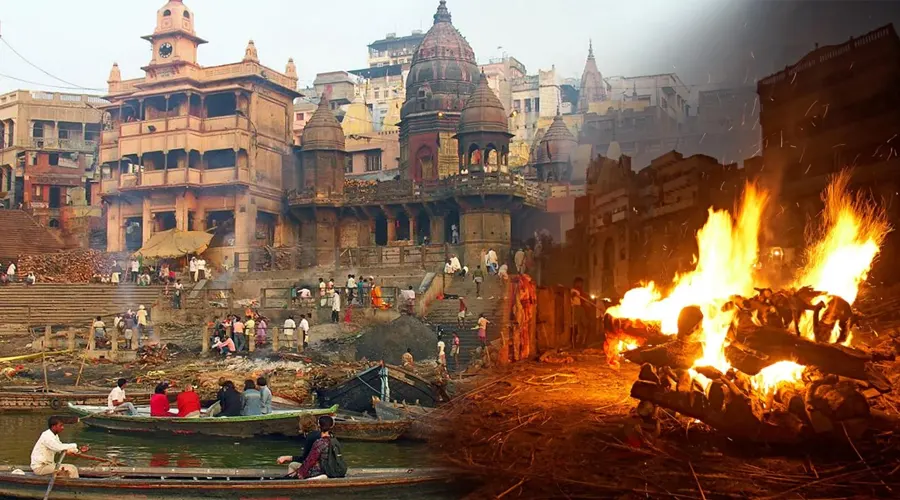
India, a land rich in spirituality and tradition, is home to countless sacred sites that hold deep religious significance. Among these, Varanasi—also known as Kashi, the spiritual capital of India—stands as one of the holiest cities. Famous for its ancient temples and serene ghats along the Ganges, Varanasi has withstood centuries of invasions and cultural shifts, yet it remains unchanged in its spiritual essence. At the heart of this timeless city lies Manikarnika Ghat, one of the most revered and enigmatic places in Hinduism—a site where the fire of cremation never extinguishes and the cycle of life and death is vividly realized.
Mythology & Historical Significance
The roots of Manikarnika Ghat run deep into the mythology and history of Varanasi—believed to be one of the oldest continually inhabited cities on Earth. According to Hindu legends, Lord Shiva founded Varanasi, making it a divine city where the soul can attain moksha—liberation from the endless cycle of birth and rebirth.
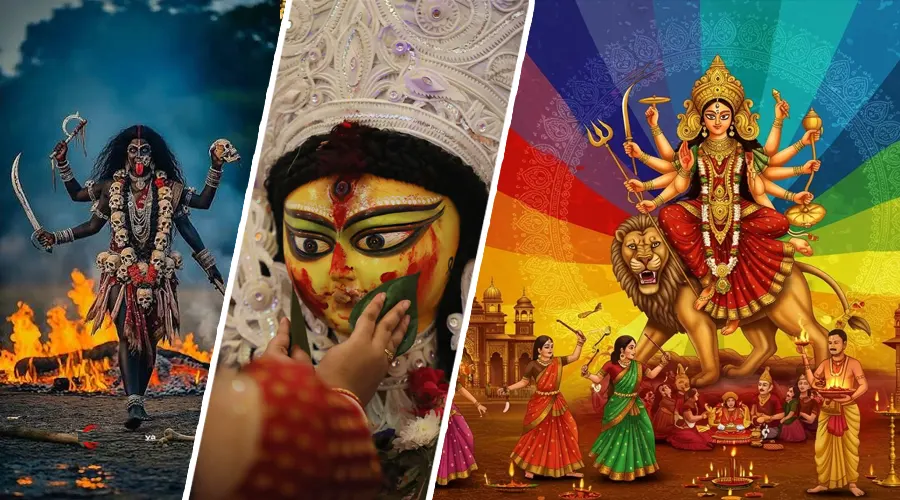
The name Manikarnika is derived from the Sanskrit words "Mani" (jewel) and "Karnika" (earring). Myth has it that when Mata Sati self-immolated in protest against her father Daksha Prajapati for insulting Lord Shiva, Shiva carried her burning body across the cosmos. In his grief, Lord Vishnu used his Sudarshan Chakra to dismember Sati's body into 51 parts, which fell to Earth and became Shakti Peethas. It is believed that Sati’s earring (Manikarnika) fell at this ghat, making it a sacred Shakti Peeth.
Another story, from the Kashi Khand, says that the sacred Manikarnika Kund—once called Chakrapushkarani Kund—was created by Lord Vishnu’s chakra during his deep penance for Lord Shiva. While Vishnu and Parvati gazed into the kund, a jewel from Parvati’s earring fell into it, further sanctifying the spot.
A Sacred Cremation Ground
Manikarnika Ghat is perhaps most widely known as the holiest cremation ground in Hinduism. Hindus believe that a soul cremated here is released from the cycle of rebirth and attains eternal liberation. Day and night, funeral pyres burn along the ghat’s edge—an unbroken tradition that reflects the eternal flame of existence. Here, death is not mourned as an end, but accepted as a passage to spiritual freedom.
The rituals performed at the ghat—such as the chanting of mantras, the recitation of the Taarak Mantra by Lord Shiva himself (as per belief), and the immersion of ashes into the Ganges—reinforce the belief in the soul’s journey toward salvation.
Temples and Legends
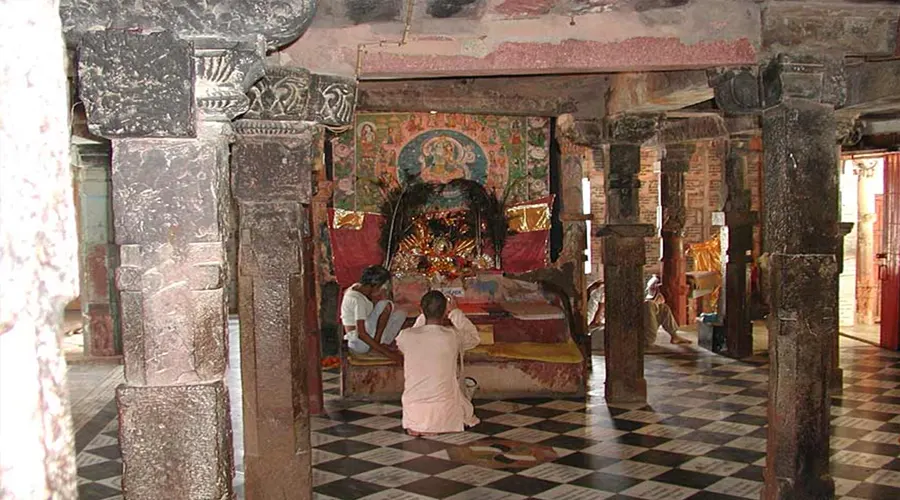
The area surrounding Manikarnika Ghat is dotted with temples dedicated primarily to Lord Shiva. Some prominent shrines include:
- Tarkeshwar Mahadev
- Manikarnika Shiva
- Rani Bhavani Shiv
- Ratneshwar Mahadev
- Manikarnika Vinayak (Ganesh)
- Amethi Shiv (with Mahishmardini)
- Siddhivinayak Ganesh
- Rudreshwar Shiv
These temples were constructed at various times by rulers from Bengal, Maharashtra, Madhya Pradesh, Rajasthan, Uttar Pradesh, and Bihar. In 1730, the ghat was paved under the patronage of Sadashiv Naik, supported by Peshwa Bajirao of Maharashtra.
The ghat is also a starting and ending point for the sacred Panchkroshi Yatra, which begins after devotees perform the traditional snan-daan (ritual bath and offering).
Spiritual Resonance
For countless pilgrims, Manikarnika Ghat is a place of profound reflection. It serves as a powerful reminder of life’s impermanence and the inevitability of death. Many visit to perform pind daan, shraaddh, and tarpan rituals to honor their ancestors and aid their souls in attaining peace.
Despite its association with death, the ghat exudes a deep sense of peace and spiritual magnetism. The serene flow of the Ganga and the rhythmic chants create an atmosphere that invites introspection and a deeper understanding of life’s greater purpose.
Balancing Heritage and Modern Needs
While deeply rooted in ancient traditions, Manikarnika Ghat has seen gradual modernization. Infrastructure improvements have been made to accommodate the influx of visitors, yet efforts are being taken to maintain the sanctity and ecological balance of this sacred space. With the rise of responsible tourism, awareness campaigns emphasize the importance of preserving this cultural treasure while encouraging reverence and understanding from those who visit.