
India is home to hundreds of wildlife sanctuaries that protect its rich biodiversity, rare wildlife, and diverse ecosystems. From the wetlands of Bharatpur and the mangroves of Bhitarkanika to the forests of Wayanad and Bhadra, these sanctuaries offer unforgettable experiences for nature lovers and wildlife enthusiasts. Explore the top wildlife sanctuaries in India, along with their highlights, best time to visit, and travel tips.
Best Season
October – March
Total Sanctuaries
570+ Across India
Popular Activities
Jeep Safari, Birdwatching, Nature Walks & Photography
Famous Wildlife
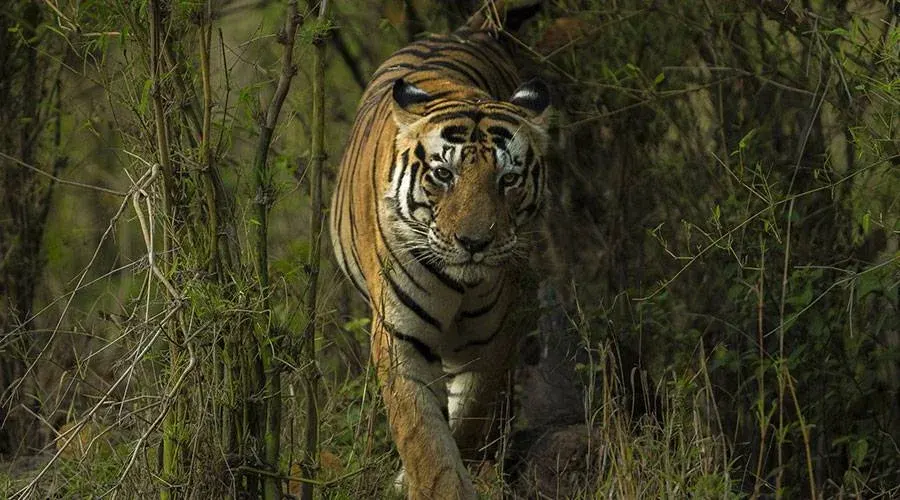
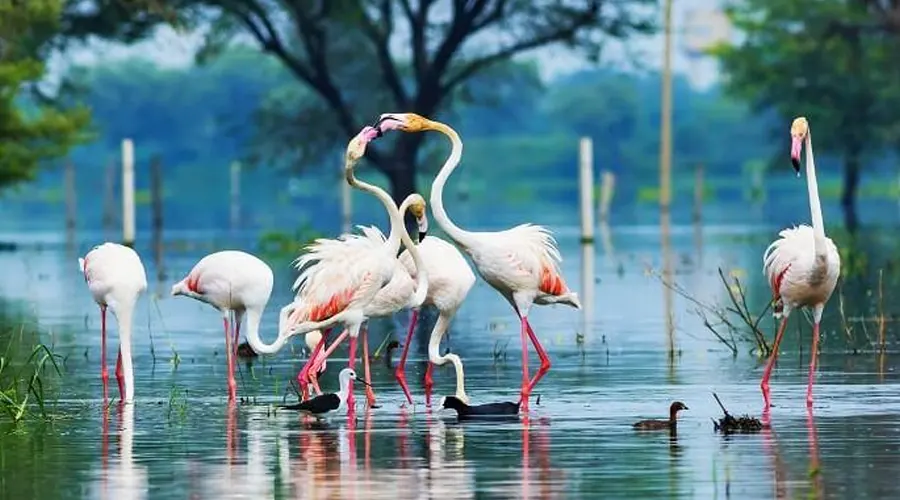
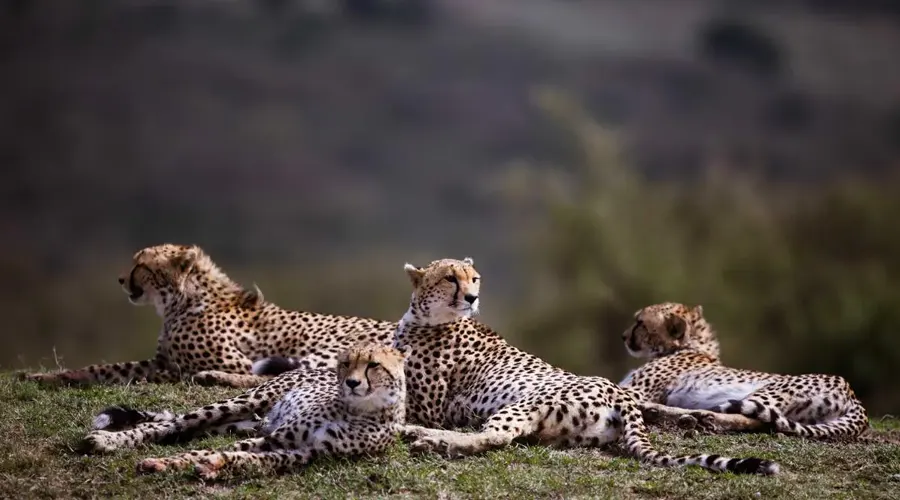
Tigers, Elephants, Rhinos, Leopards & Birds
What is a Wildlife Sanctuary?
A wildlife sanctuary is a protected area established to conserve wild animals, birds, and their natural habitats. Unlike national parks, certain regulated human activities may be permitted in wildlife sanctuaries, provided they do not harm the ecosystem. These protected areas play a vital role in preserving biodiversity, safeguarding endangered species, and promoting sustainable wildlife conservation across India.
Why Visit Wildlife Sanctuaries in India?
Wildlife sanctuaries in India offer a unique opportunity to experience the country's incredible biodiversity and natural beauty. From dense forests and wetlands to grasslands and mangrove ecosystems, these sanctuaries are home to tigers, elephants, leopards, rhinoceroses, deer, reptiles, and thousands of bird species. Whether you're a wildlife enthusiast, birdwatcher, photographer, or nature lover, visiting these sanctuaries provides unforgettable experiences while supporting conservation and eco-tourism.
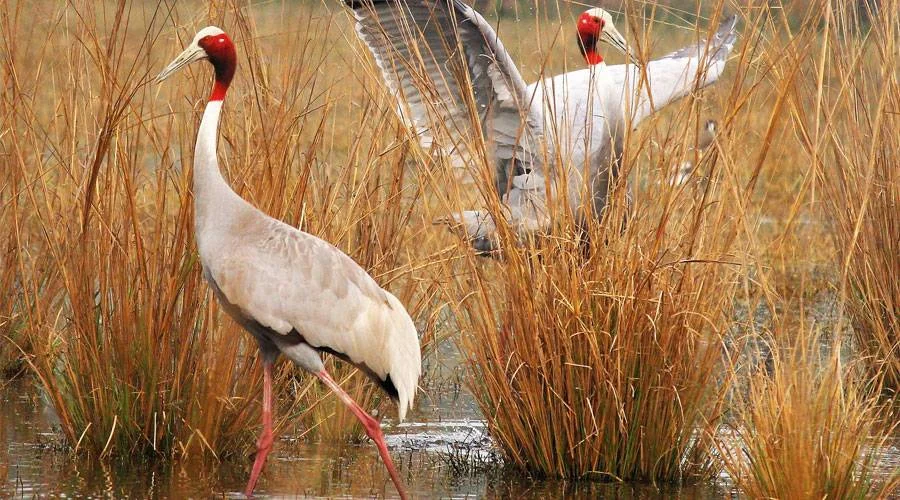
Sultanpur Bird Sanctuary, Delhi
A perfect weekend getaway from Delhi, Sultanpur Bird Sanctuary is an amazing escape, especially for nature lovers and birding enthusiasts. It is home to several migratory birds and is a great spot for spotting various species, especially during winters. Sultanpur Bird Sanctuary is located at a distance of 40 kilometers from Dhaula-Kuan in Delhi on the Gurgaon-Farukh Nagar Road. There are astonishing 250 species of birds here during the peak ...
Explore More...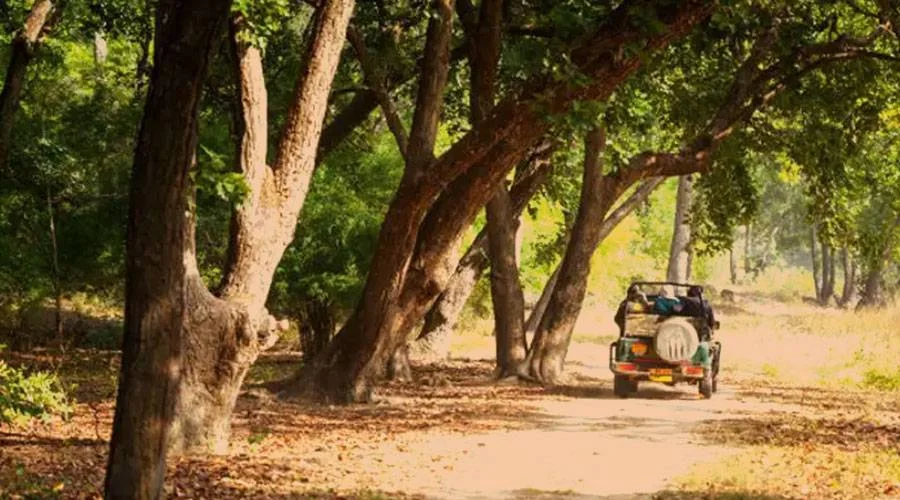
Binsar Wildlife Sanctuary, Uttarakhand
Located within a distance of 30 kilometers from the Almora town of Uttarakhand, Binsar Wildlife Sanctuary is a paradise for nature lovers and explorers. Nestled amidst the high mountains of the beautiful Kumaon, Binsar is not a town or a village, but entirely a forest region. Established in 1988 mainly to protect the broad-leaved oak trees of the Himalayas, it has now become a haven for more than 200 species ...
Explore More...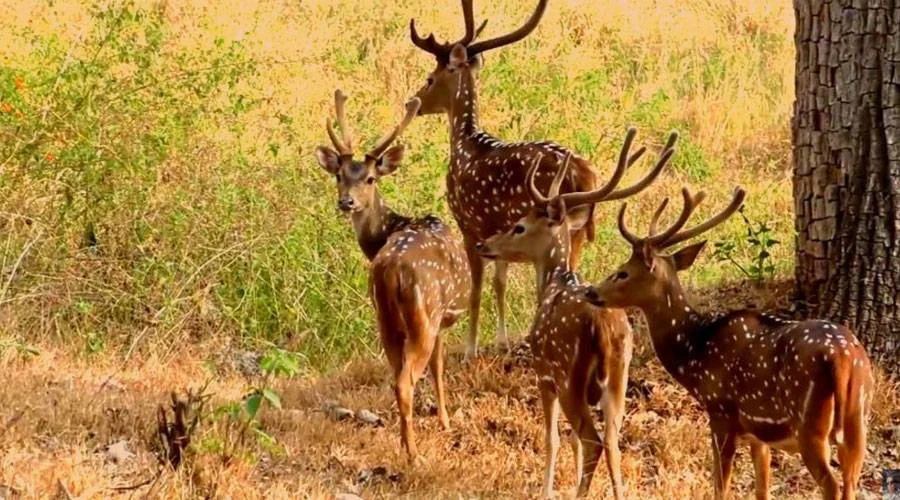
Govind Pashu Vihar Wildlife Sanctuary, Uttarakhand
Taking pride in place in the district of Uttarkashi, Govind National Park (GNP) and Govind Pashu Vihar Wildlife Sanctuary (GWS) are protected areas covering an area of about 958 sq km. A part of the Upper Tones Valley was notified as a Sanctuary in 1955 while GNP was notified in 1991. The area also encompasses the Rupin and Supin valleys that form important catchments for the Tons, the main tributary ...
Explore More...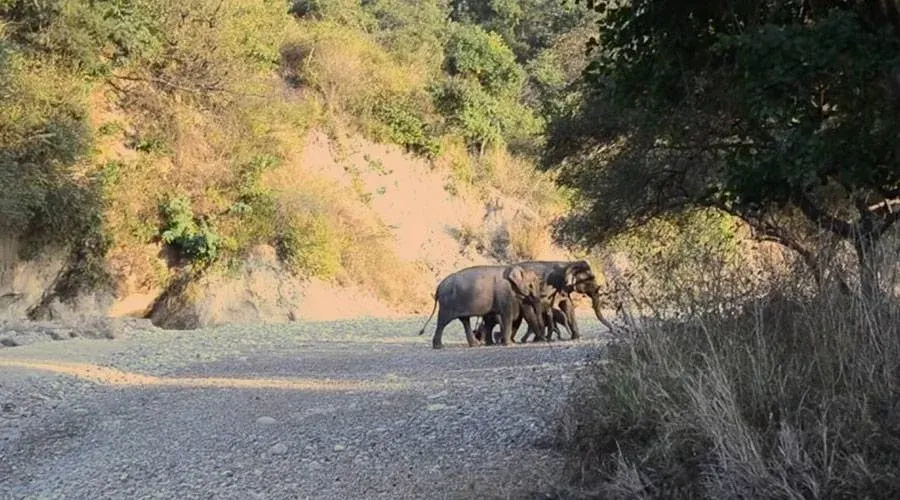
Benog Wildlife Sanctuary, Uttarakhand
A part of the Rajaji National Park, the Benog Wildlife Sanctuary has located around 11km from the Library End Road in Mussoorie. Famous for its almost-extinct mountain quails, deer, leopards, and red-billed blue magpie, the Wildlife Sanctuary is well known to house rare species of birds and offers an excellent trail of pine-clad slopes surrounded by Himalayan peaks for a refreshing walk. It is an ideal site for bird watching ...
Explore More...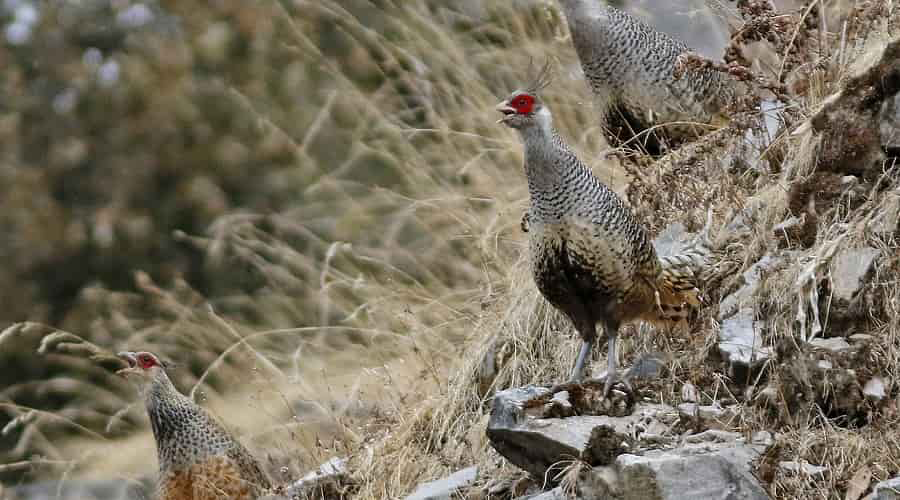
Bandli Wildlife Sanctuary, Himachal Pradesh
Bandli Wildlife Sanctuary is one of the hidden wildlife treasures of Himachal Pradesh, located in the Mandi district. Known for its breathtaking landscapes, peaceful environment, and rich biodiversity, this sanctuary is a fantastic destination for wildlife lovers and nature explorers. With dense forests, scenic trekking trails, and abundant wildlife, this sanctuary promises a refreshing escape from noisy city life.The biggest highlight of Bandli Sanctuary is the rare and elusive Snow ...
Explore More...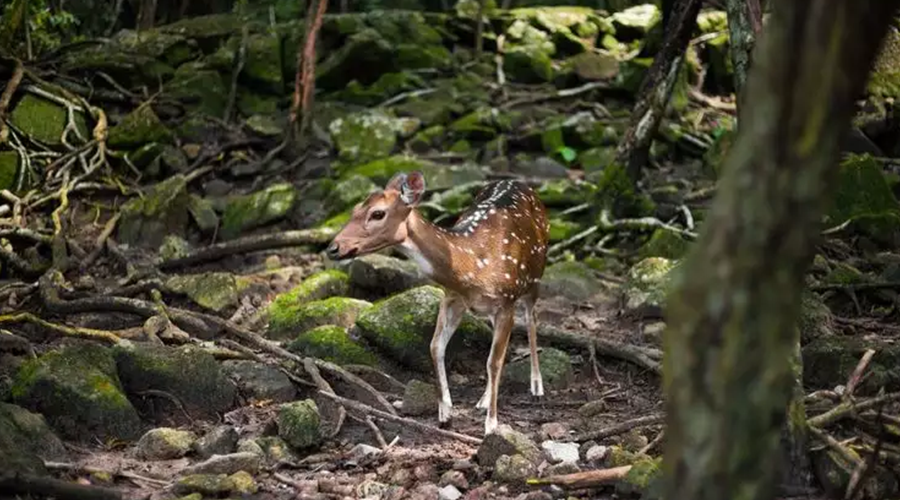
Chail Wildlife Sanctuary, Himachal Pradesh
Chail Wildlife Sanctuary is one of the most scenic and popular wildlife destinations in Himachal Pradesh, located near the beautiful hill town of Chail in Solan District. Established in 1976, the sanctuary is dotted with lush oak and deodar forests that provide a refreshing natural escape away from city life.The sanctuary shelters a rich range of flora and fauna including Himalayan Black Bear, Sambhar Deer, Goral, Wild Boar, Leopards, and ...
Explore More...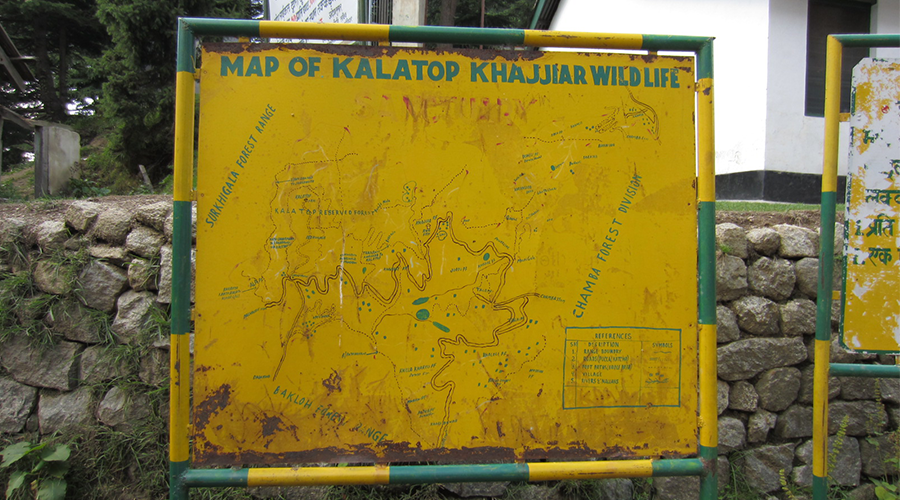
Kalatop Wildlife Sanctuary, Himachal Pradesh
Kalatop Wildlife Sanctuary is a popular wildlife destination located between Dalhousie and Khajjiar in the Chamba district of Himachal Pradesh. Known for its dense deodar forests, scenic beauty, and diverse wildlife, it is a paradise for nature lovers, trekkers, and birdwatchers. The sanctuary is home to several fascinating species such as the Himalayan serow, black bear, leopard, langur, jackal, Himalayan marten, and many birds including pheasants and black-headed jays. With ...
Explore More...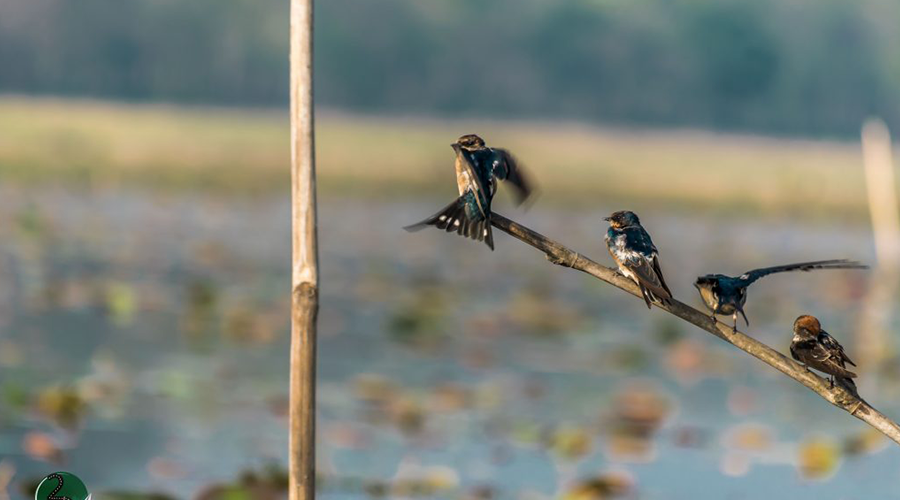
Kanwar Wildlife Sanctuary, Himachal Pradesh
Kanwar Wildlife Sanctuary is a pristine and scenic natural haven located near the Shacha and Satupurna mountain peaks in Kullu district. Famous for its untouched wilderness, alpine forests, and diverse wildlife, this sanctuary offers an ideal retreat for nature lovers and adventure seekers.One of the major highlights of the sanctuary is the rare and endangered Himalayan Tahr, which can be spotted here along with a wide range of other animals ...
Explore More...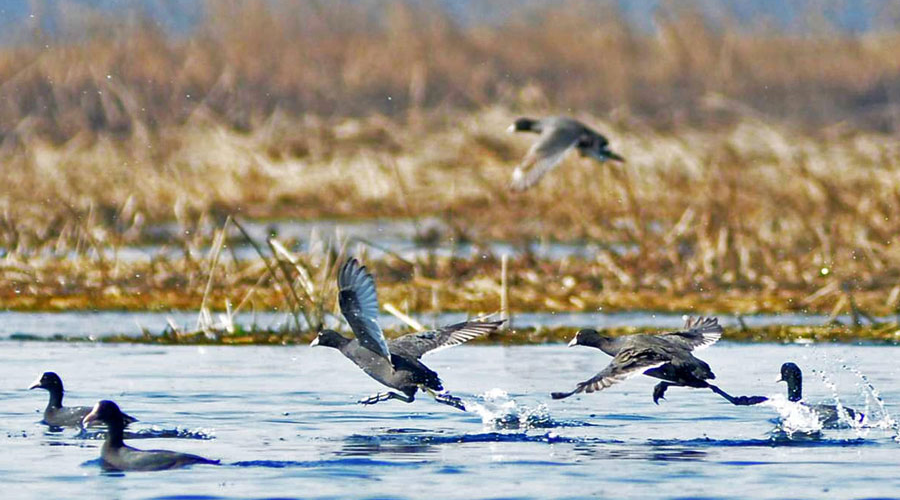
Hokersar Wildlife Sanctuary, Jammu And Kashmir
Located in the beautiful Kashmir Valley, Hokersar Wildlife Sanctuary is one of the most important wetland reserves in Jammu and Kashmir. Famous for being a major winter migratory bird habitat, this sanctuary attracts thousands of birds every year from distant regions such as Siberia, Central Asia, China, Europe, and the Himalayas. Surrounded by scenic mountains and lush wetlands, Hokersar is a dream destination for birdwatchers, nature lovers, photographers, and eco-tourists.The ...
Explore More...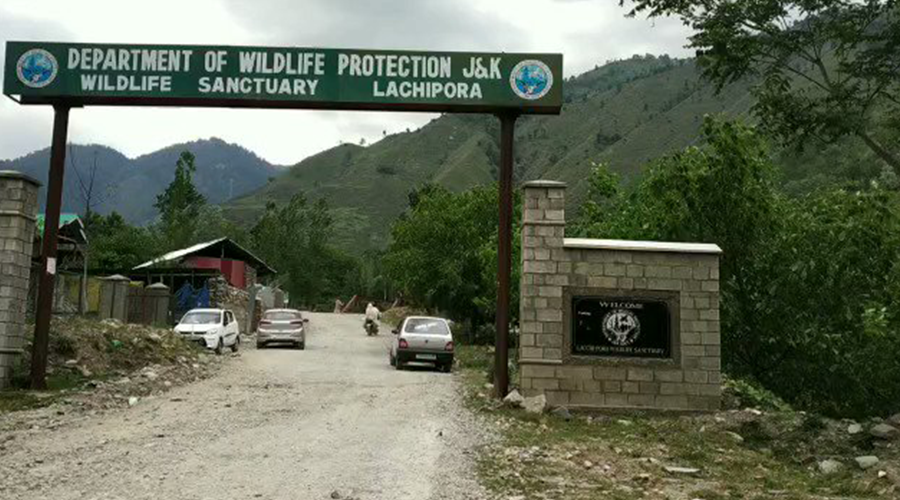
Lachipora Wildlife Sanctuary, Jammu And Kashmir
The Lachipora Wildlife Sanctuary is a hidden paradise in north Kashmir, known for its dense forests, alpine meadows, rare bird species, and scenic mountain ecosystem. Located near the village of Lachipora along the northern banks of the Jhelum River, this sanctuary is ideal for nature lovers, bird watchers, photographers, and wildlife enthusiasts who seek peaceful offbeat destinations in Jammu and Kashmir.Established in 1987 by the Department of Wildlife Protection, Lachipora ...
Explore More...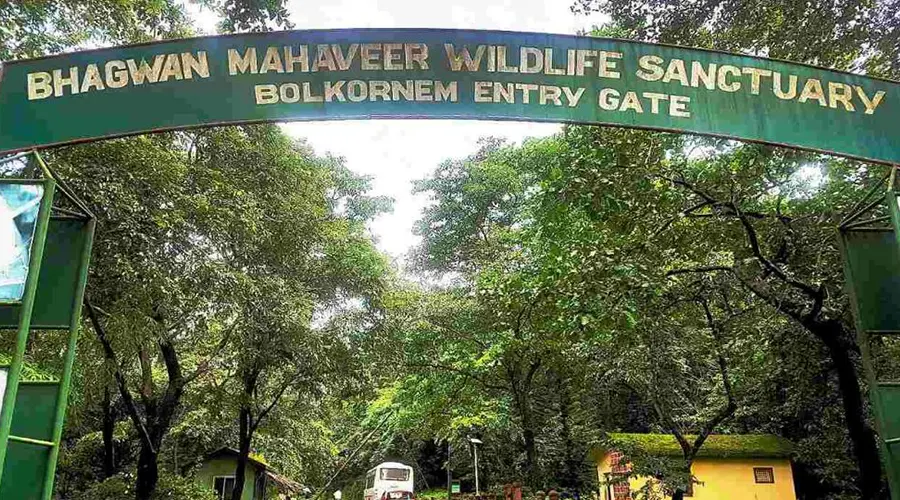
Bhagwan Mahavir Wildlife Sanctuary, Goa
Set amidst the foothills of the Western Ghats and covering an impressive 240 sq. km the Bhagwan Mahavir Wildlife Sanctuary holds the title of the largest wildlife preserve within the state of Goa. This sanctuary is home to a huge variety of plant, bird, and animal life. Nature lovers and hikers enjoy the hiking trails that traverse this huge tract of land. In addition to the large amount of biodiversity ...
Explore More...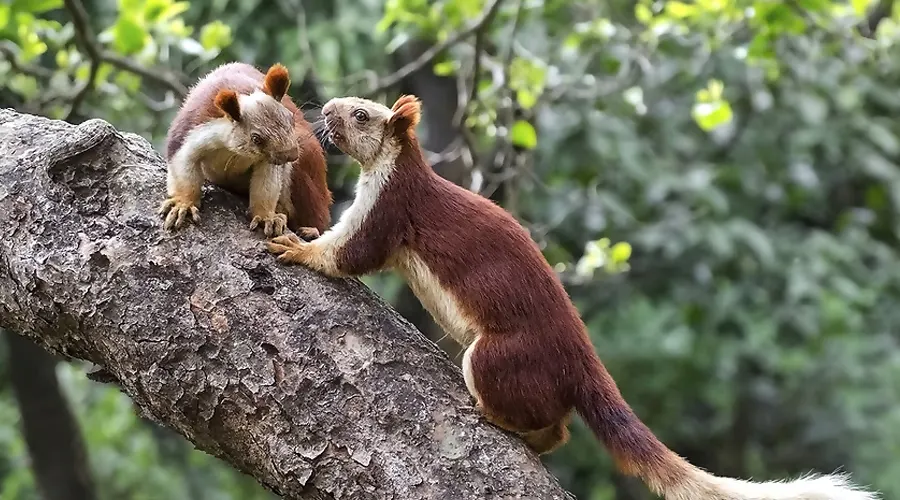
Bhima Shankar Wildlife Sanctuary
Spread over 131 sq. kilometers Bhima Shankar wildlife sanctuary is another remarkable Maharashtra Wildlife Sanctuary. Located in the Western Ghats of India, the wildlife sanctuary attracts many tourists for its biodiversity. The Sanctuary is also recognized as the biodiversity hotspot in the world. Along with mammals like barking deer, wild boar, and langurs; the sanctuary also preserves many reptiles, insects, amphibians, and many types of butterflies. ...
Explore More...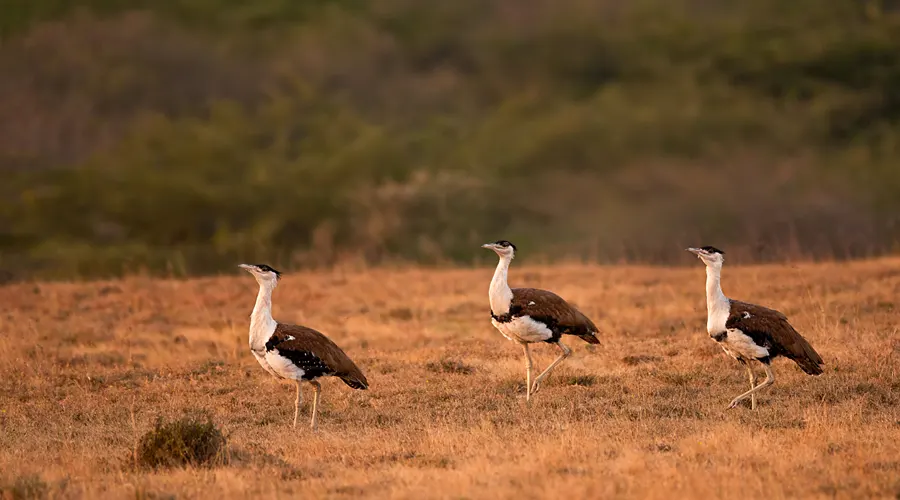
Great Indian Bustard Wildlife Sanctuary
Established in 1979, the Great Indian Bustard wildlife sanctuary is another wildlife sanctuary in the state that deserves much attention. The sanctuary is also known as the Jawaharlal Nehru Bustard Sanctuary, which is highly popular for housing the rare Great Indian Buster, and it is one of the best wildlife sanctuaries in Maharashtra. ...
Explore More...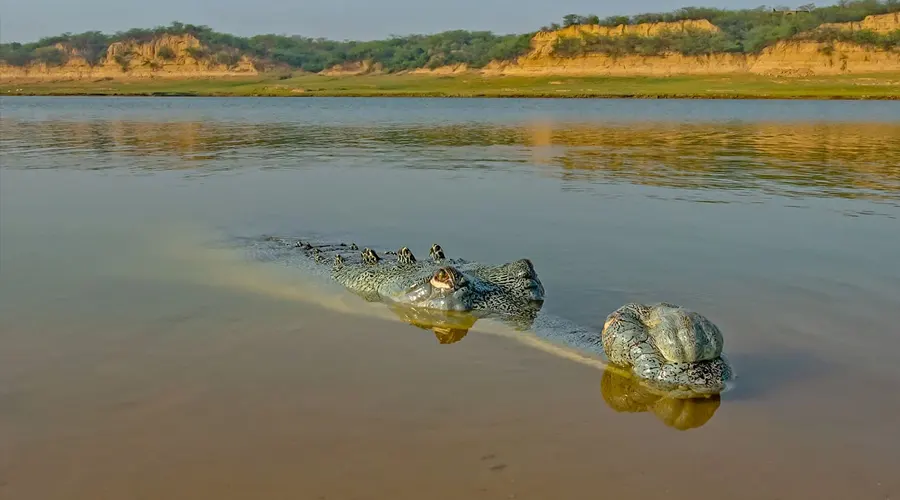
National Chambal Wildlife Sanctuary
Just a 1-hour drive down from Agra, this is a perfect destination for wildlife enthusiasts. It is a habitat of some of the most endangered species, but the main attraction here is, Gharial, Red-crowned turtles, Gangetic Dolphins, and Indian skimmers, among others.The beautiful sanctuary is surrounded by the Chambal River, known to be one of the cleanest rivers in India. It provides you a combination of a unique and unpolluted ...
Explore More...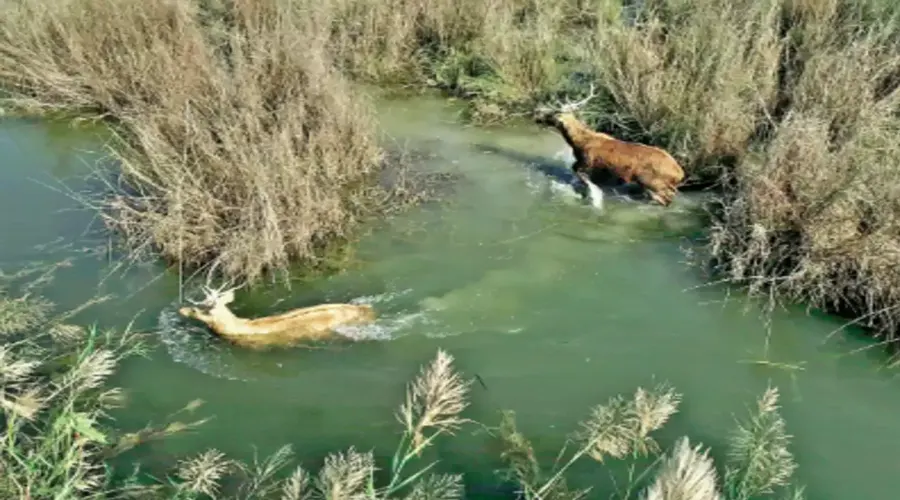
Hastinapur Wildlife Sanctuary
Hastinapur Sanctuary is spread over an area of 2073sq km. The sanctuary has a decent population of swamp deer, sambhar, chital, blue bull, leopard, hyena, wild cat, and different types of birds. Hastinapur also houses alligators, amphibians (frogs & toads) butterflies, and invertebrate groups of Scorpions, Centipedes, and Odonata (dragon & damselflies, A variety of birds like painted storks, black and white-necked storks, sarus crane, and varied night birds of ...
Explore More...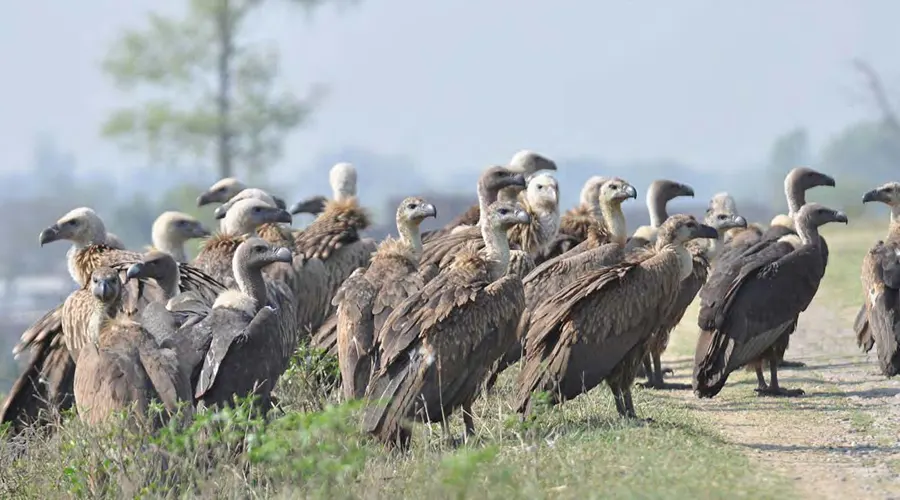
Suhaildev Wildlife Sanctuary
Pioneering the tourism scene of Shravasti in Uttar Pradesh, is the Suhaildev Wildlife Sanctuary. Sprawling in an area of 452 sq km, Suhaildev Wildlife Sanctuary is in fact located in two districts - Shravasti and Balrampur. Established in the year 1988, the sanctuary is known for affluent flora and fauna making it one of the top tourist attractions of Shravasti.Of the total area, 220 sq km is dedicated to the ...
Explore More...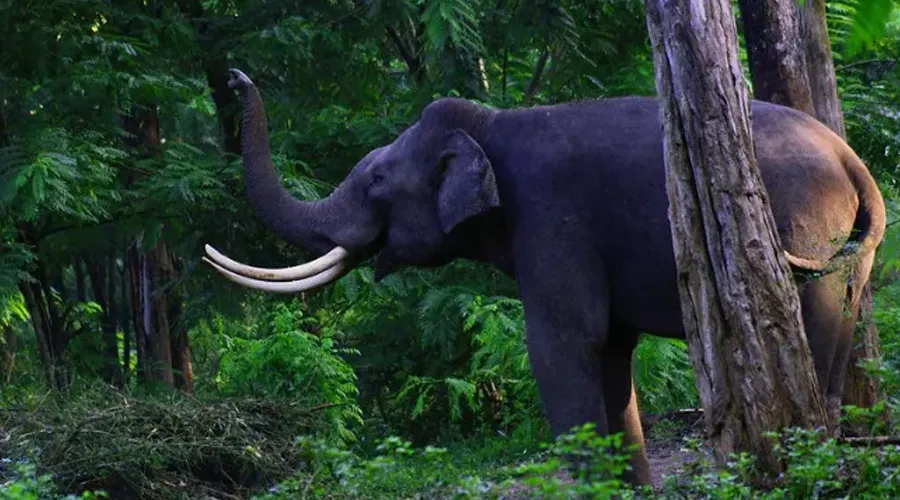
Itanagar Wildlife Sanctuary
One of the most beautiful wildlife reserves in India, Itanagar Wildlife Sanctuary covering an area of 140.30 sq km is located in Naharlagun, Itanagar, the capital city of Arunachal Pradesh. The wildlife sanctuary shares a border with Pam River in the East, Pachin in the South, Neorochi in the North East, and Chingke Stream in the North. The sanctuary is home to species like tigers, deer, leopards, and elephants. Further ...
Explore More...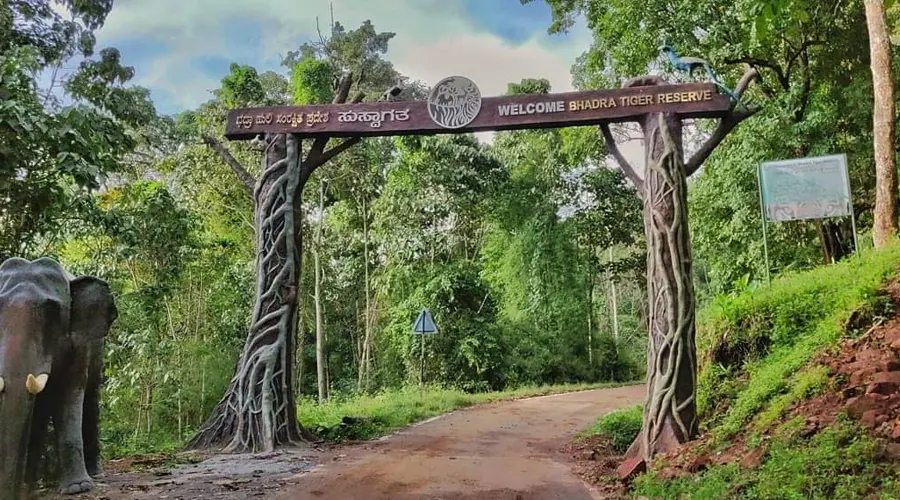
Bhadra Wildlife Sanctuary
Bhadra wildlife sanctuary is located in Karnataka at a distance of 38 km from Chikmagalur town. It boasts of a substantially large number of tiger populations and was declared in 1998 as the 25th Project Tiger of India. The sanctuary has an elevation point of 750 m to 1875 m above sea level. The lofty hill range and green vegetation surrounding it from all sides make it look stunning. The ...
Explore More...
Ranganathittu Bird Sanctuary
Located in Karnataka, the Ranganathittu Bird Sanctuary in Srirangapatna is a haven for bird watchers as it houses a wide array of bird species. It is the largest bird sanctuary in the state and comprises of six small islands on the banks of the river Kaveri. The scenery of the local vegetation and landscape, coupled with the colourful species of birds makes it a unique learning experience for visitors of ...
Explore More...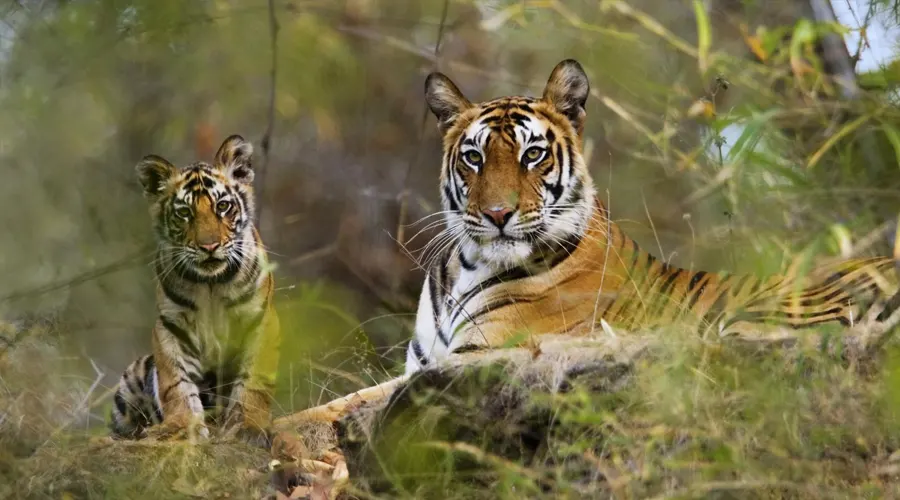
Wildlife Safari In Kanha National Park
Your wildlife safari holidays in Kanha National Park are worth every penny as it shall be exciting to travel through the thick green forests of it with a group of tourists in an open jeep. Sprawling across an area of 940 sq. km., this park is one great place to spot the elegant Royal Bengal Tiger in plenty.Apart from tigers, you can find Barasingha, leopards, and wild dogs in abundance ...
Explore More...
Sajnekhali Wildlife Sanctuary
Sajnekhali Bird Wildlife Sanctuary is a mangrove forest. This sanctuary has not yet been recognized as a national park. But in 1976 it was declared a sanctuary. Sajnekhali Wildlife Sanctuary is part of the Sundarbans National Park in the Sundarbans Delta, with an area of only 362 km². It is a bird-watching site along the Sundarbans Tiger Reserve.Sajnekhali Bird Wildlife Sanctuary is famous for its various birds. This forest includes ...
Explore More...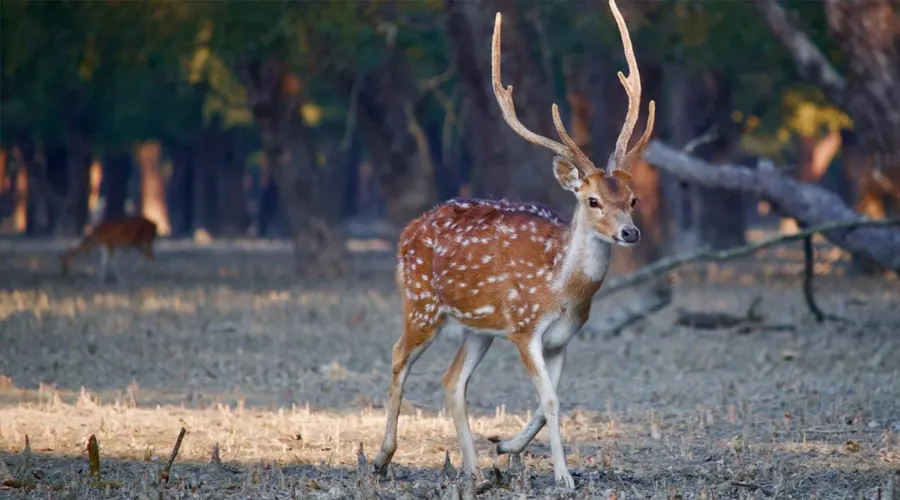
Ramnabagan Wildlife Sanctuary
Ramnabagan Wildlife Sanctuary is also known as Ramnabagan Mini Zoo which is very well stretched over an area of about 14.31 hectares and is located in Mouza Baburbag right in the heart of Burdwan. If we talk about the evolution of the said sanctuary in brief then we can start with its conversion from a reserved forest into a deer park in the year 1978 when it introduced six spotted ...
Explore More...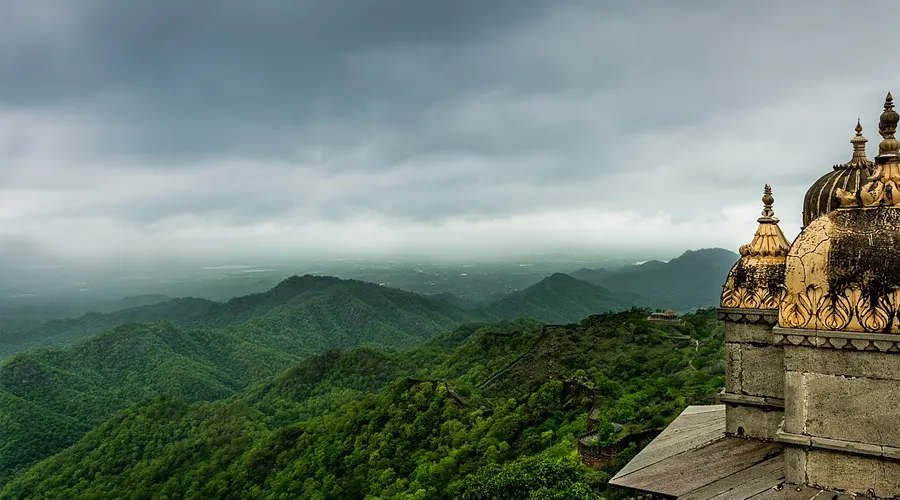
Kumbhalgarh Wildlife Sanctuary
The Kumbhalgarh Wildlife Sanctuary is situated in the Rajsamand district of Rajasthan. The sanctuary is one of the most famous wildlife sanctuaries in Rajasthan.Sprawling over an area of 578 sq km, the sanctuary surrounds the Kumbhalgarh Fort. Situated at an elevation of 500 to 1300 meters, the sanctuary is home to a large variety of wildlife, some of which are highly endangered species. Some of the animals that inhabit the ...
Explore More...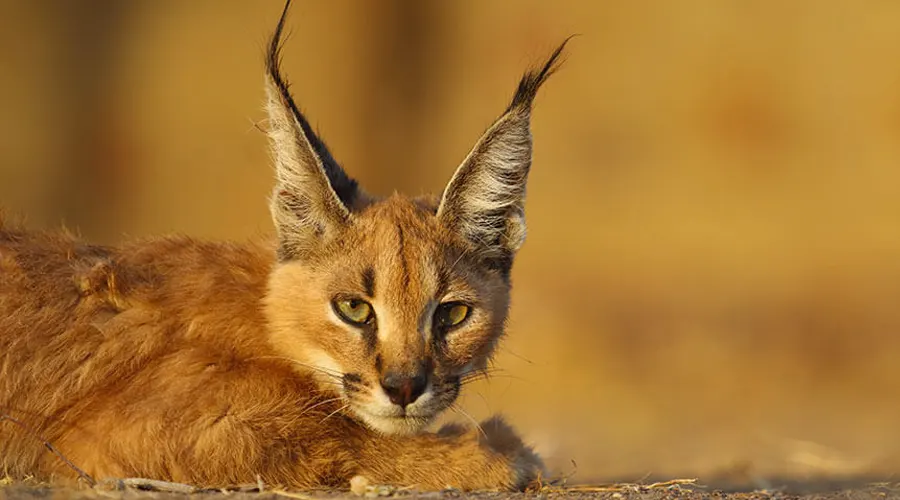
Keladevi Wildlife Sanctuary
The Keladevi Wildlife Sanctuary is a part of the Ranthambore National Park. The Ranthambore National Park was created by including nearby wildlife sanctuaries, one of which was the Keladevi Wildlife Sanctuary. Spread over an area of 676 square kilometers, the Keladevi Wildlife Sanctuary is one of the most important wildlife sanctuaries in Rajasthan.The Ranthambore National Park is flanked by the Rivers Banas and Chambal on the North and the South, ...
Explore More...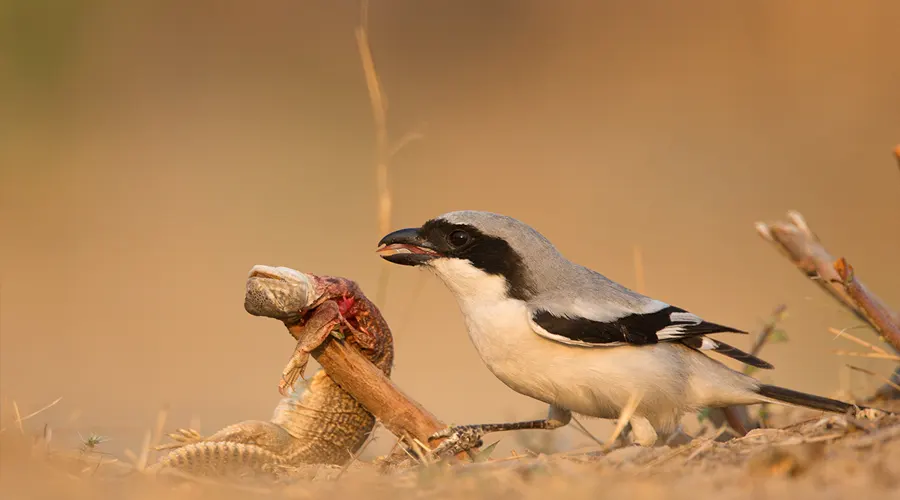
Tal Chhapar Wildlife Sanctuary
For wildlife, lovers this is certainly the spot for your following visit. Tal Chhapar Sanctuary Shekhawati, Rajasthan is a standout amongst the most gone havens in Rajasthan. Arranged in the Chiru area of the north-western piece of Rajasthan. Tal Chappar Haven, arranged on the edges of the Thar Desert, is known as home to around 2,000 dark bucks. The closest Railway station is Chappar which lies on the Degana – ...
Explore More...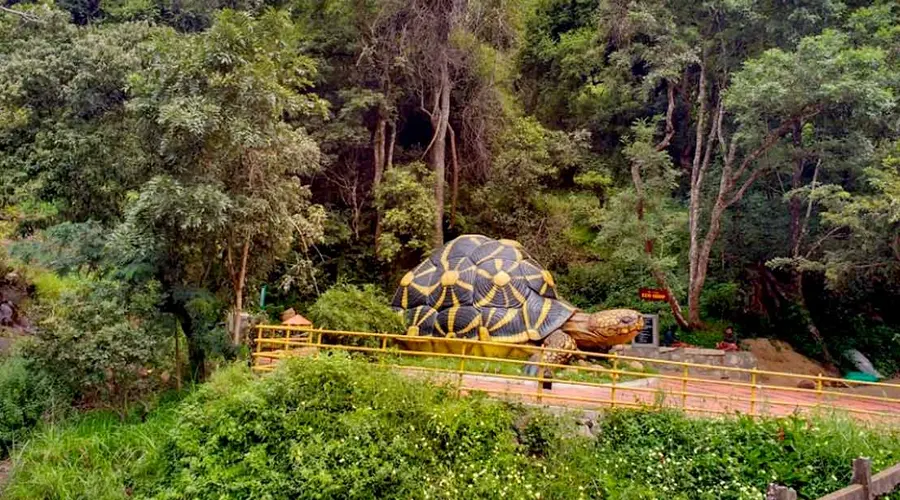
Chinnar Wildlife Sanctuary
Chinnar wildlife sanctuary is amongst the most promising locations to enjoy nature in its full swing - the reason many visitors love to tour this park. This UNESCO World Heritage sanctuary sprawls around an area of 90 sq km. Chinnar Wildlife Sanctuary nestles amidst the Western Ghats with a myriad of marvelous peaks boosting its beauty. Moreover, this site is highly lush and rich in natural beauty, vegetation, and resources. ...
Explore More...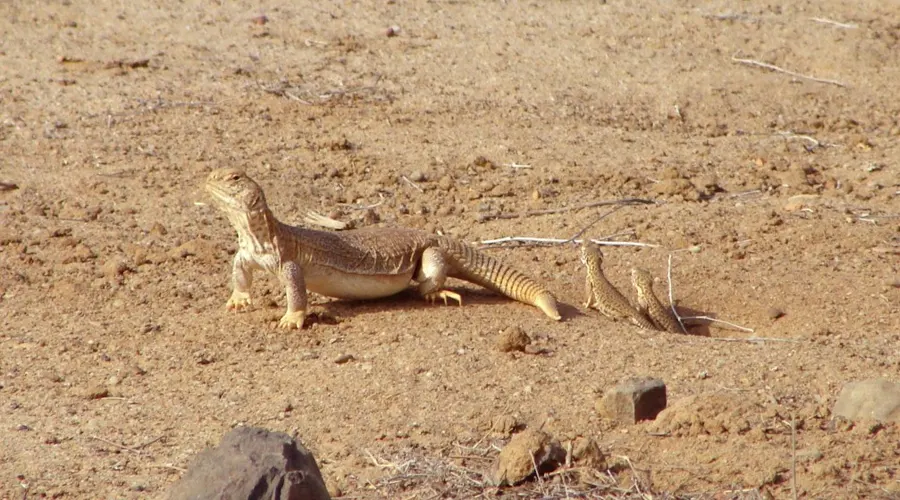
Kutch Desert Wildlife Sanctuary
The world-famous 'Flamingo City' is located in the mudflats of the Rann, at a distance of around 10 km. from the Nir outpost on Kala Dungar. Hundreds of greater flamingoes breed here, particularly during the year at the optimum level of inundation. They construct their muddy nests, lay eggs, and rear young ones.The sanctuary has some other attractions as well. Embedded below the Jurassic and Cretaceous rocks on Khadir, Kuvar, ...
Explore More...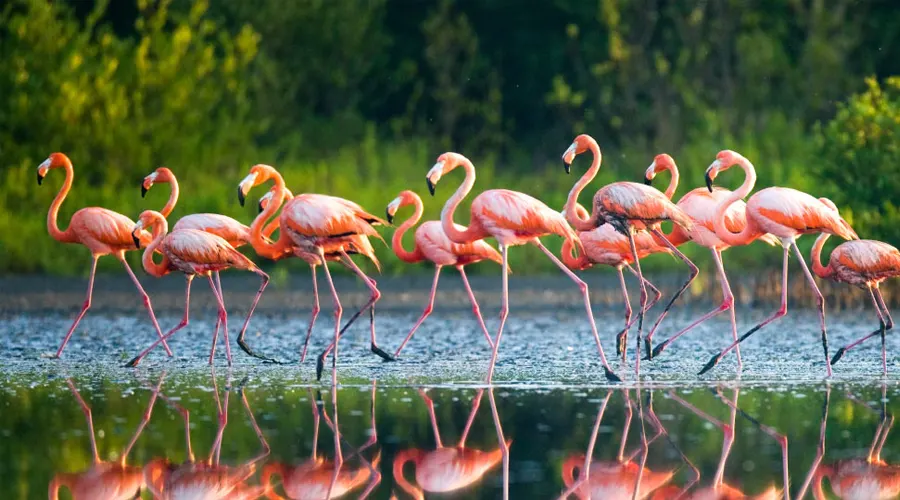
Nal Sarovar Bird Sanctuary
Nal Sarovar translates to ‘Tap Lake’. The resemblance is in the fact that this famous tourist attraction houses various kinds of bird species which in turn are attracted to this lake. It has many small islands (records say 36) and the region is spread over a large area such that the birds can roam about without any conflict among the different species. This bird sanctuary is located about 64 km ...
Explore More...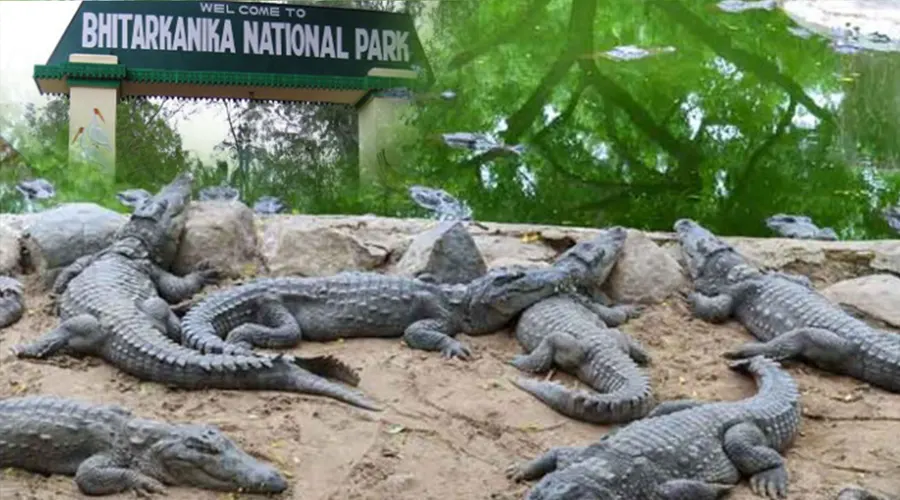
Bhitarkanika National Park
Spread over 145 sq km area, the wetland of Bhitarkanika is segmented into three protected areas namely Bhitarkanika National Park, Bhitarkanika Wildlife Sanctuary, and Gahirmatha Marine Sanctuary. This piece of land is frequently inundated by the rivers Brahmani, Dhamra, Baitarani, and Pathsala, converting it to a swampy wetland. Surrounded by mangrove vegetation, this national park is home to saltwater crocodiles and estuarine turtles along with other aquatic animals and birds. ...
Explore More...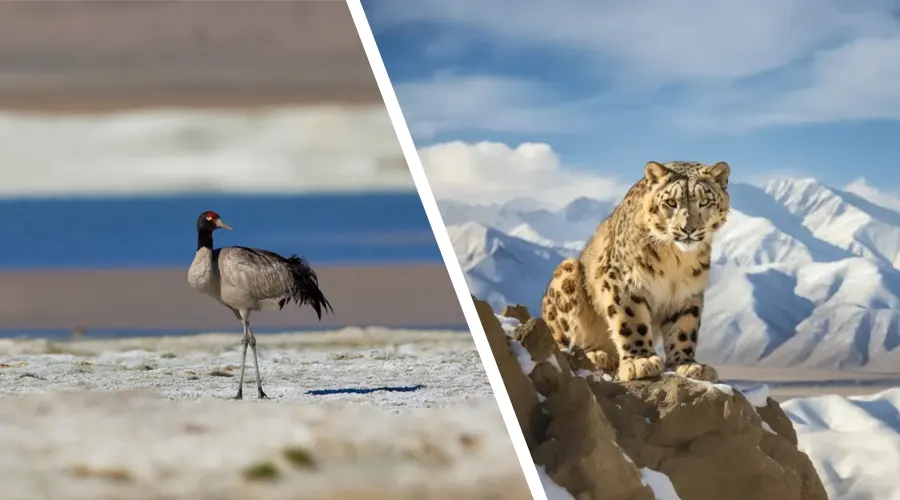
Changthang Wildlife Sanctuary, Ladakh
The Changthang Wildlife Sanctuary is one of India’s most stunning high-altitude sanctuaries, located in the remote Changthang plateau of Ladakh. Spread across vast cold deserts, crystal-blue lakes, rolling grasslands, and rugged mountains, this sanctuary is home to rare Himalayan wildlife like the Kiang (Tibetan Wild Ass), Snow Leopard, Black-necked Crane, Tibetan Antelope (Chiru), and many migratory birds.It is also the land of the Changpa nomads, known for their Pashmina goat ...
Explore More...Top Wildlife Sanctuaries in India
India is home to more than 570 wildlife sanctuaries, each protecting unique ecosystems and diverse wildlife. Some are famous for Bengal tigers and elephants, while others are renowned for migratory birds, marine life, or rare species found nowhere else. From the lush forests of Kerala and Karnataka to the wetlands of Rajasthan and the mangroves of Odisha, every sanctuary offers a distinctive wildlife experience. Explore the top wildlife sanctuaries in India to discover breathtaking landscapes, exciting safari opportunities, and remarkable biodiversity.
Best Time to Visit
The best time to visit wildlife sanctuaries in India is generally between October and March, when the weather is pleasant and wildlife is easier to spot. Winter is also the ideal season for birdwatching, as many migratory birds arrive in India's wetlands and sanctuaries. Some sanctuaries may remain partially closed during the monsoon season due to heavy rainfall and breeding periods.
How to Reach
Most wildlife sanctuaries in India are well connected by air, rail, and road. Major cities have nearby airports and railway stations, while taxis, buses, and private vehicles provide easy access to sanctuary entrances. Visitors can also choose guided wildlife tours for a convenient and informative travel experience.
Travel Tips
- Book safari permits and accommodations in advance during peak season.
- Wear comfortable, earth-toned clothing to avoid disturbing wildlife.
- Carry binoculars, a camera, sunscreen, insect repellent, and drinking water.
- Maintain silence and follow the instructions of forest guides.
- Never feed or disturb wild animals.
- Avoid littering and help protect the natural environment.
- Carry a valid ID for entry where required.
Quick Facts about Wildlife Sanctuaries
Total Wildlife Sanctuaries | 570+ Across India |
Famous For | Tigers, Elephants, Birds, Leopards & Rich Biodiversity |
Best Time to Visit | October – March |
Ideal Trip Duration | 2–5 Days |
Wildlife sanctuaries in India are among the country's most valuable natural treasures, protecting diverse ecosystems and countless species of flora and fauna. Whether you're looking for thrilling wildlife encounters, peaceful birdwatching, or scenic nature escapes, these sanctuaries offer memorable experiences for every traveler. Plan your visit during the right season, follow responsible tourism practices, and explore India's extraordinary wildlife while contributing to its long-term conservation.
Faq About Top Wildlife Sanctuaries in India – Best Places for Wildlife & Nature
Ans: A wildlife sanctuary is a protected area established to conserve wild animals, birds, and their natural habitats. Certain regulated human activities may be allowed, provided they do not disturb the ecosystem or wildlife.
Ans: India has 570+ wildlife sanctuaries spread across different states and union territories, protecting diverse ecosystems and endangered species.
Ans: Wildlife sanctuaries focus on protecting wildlife and their habitats, while national parks have stricter conservation rules with limited human activities. National parks generally provide a higher level of protection.
Ans: Kutch Desert Wildlife Sanctuary in Gujarat is one of the largest wildlife sanctuaries in India, covering vast desert and wetland ecosystems that support a wide variety of wildlife.
Ans: Pobitora Wildlife Sanctuary in Assam is famous for its high density of endangered one-horned rhinoceroses and is one of the best places to spot them in the wild.
Ans: Ranganathittu Bird Sanctuary (Karnataka), Nal Sarovar Bird Sanctuary (Gujarat), Sultanpur National Park (Haryana), and Vedanthangal Bird Sanctuary (Tamil Nadu) are among India's top birdwatching destinations.
Ans: The best time to visit most wildlife sanctuaries is October to March, when the weather is pleasant and wildlife sightings are more frequent.
Ans: Most wildlife sanctuaries remain open for visitors, but some may have restricted access or temporary closures during the monsoon season (July to September) for conservation and safety reasons.
Ans: Yes, many wildlife sanctuaries offer jeep safaris, boat safaris, guided nature walks, and birdwatching tours, depending on the sanctuary and local regulations.
Ans: Carry comfortable clothing in earthy colors, binoculars, a camera, sunscreen, insect repellent, drinking water, comfortable shoes, and a valid ID. Always follow the instructions of forest officials and avoid disturbing wildlife.