Discover the Beauty and Culture of Sikkim: Top Attractions, Festivals, and Adventure
Have you ever explored a destination where snow-covered mountains, peaceful monasteries, colorful valleys, rich tribal culture, and breathtaking landscapes come together in perfect harmony? Sikkim is one such hidden gem of India that offers travelers an unforgettable blend of nature, spirituality, adventure, and culture.
Located in the northeastern part of India, Sikkim is bordered by Bhutan, Nepal, and Tibet, making it a culturally rich and geographically stunning Himalayan state. From the vibrant capital Gangtok to the serene valleys of Yumthang and the sacred lakes of North Sikkim, the state attracts nature lovers, adventure seekers, spiritual travelers, and photographers from across the world.
Whether you are seeking peace in monasteries, adventure in mountains, or beauty in nature, Sikkim tourism offers something magical for everyone.
History of Sikkim
Sikkim’s history dates back to 1642 when it was established as a Buddhist kingdom under the Namgyal dynasty. The state remained a monarchy for over 300 years and was deeply influenced by Tibetan Buddhism and Himalayan culture.
Sikkim played an important role as a trade route between India and Tibet. Its culture, language, and traditions were shaped by Tibetan, Nepali, and Lepcha communities.
In 1975, after a public referendum, Sikkim officially became the 22nd state of India. Today, it is known for its peaceful environment, eco-tourism, and strong cultural identity rooted in Buddhism and nature worship.
Top Tourist Places in Sikkim
| Destination | Highlights |
| Gangtok | MG Marg, cable car, monasteries |
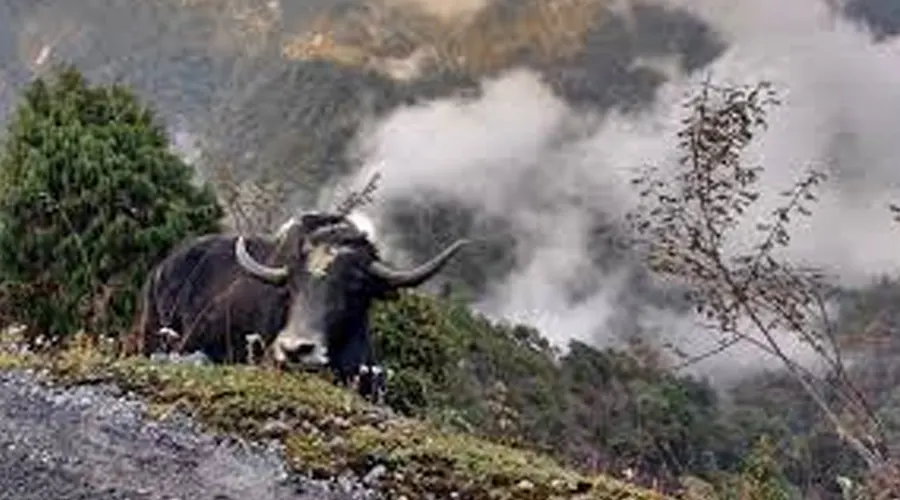
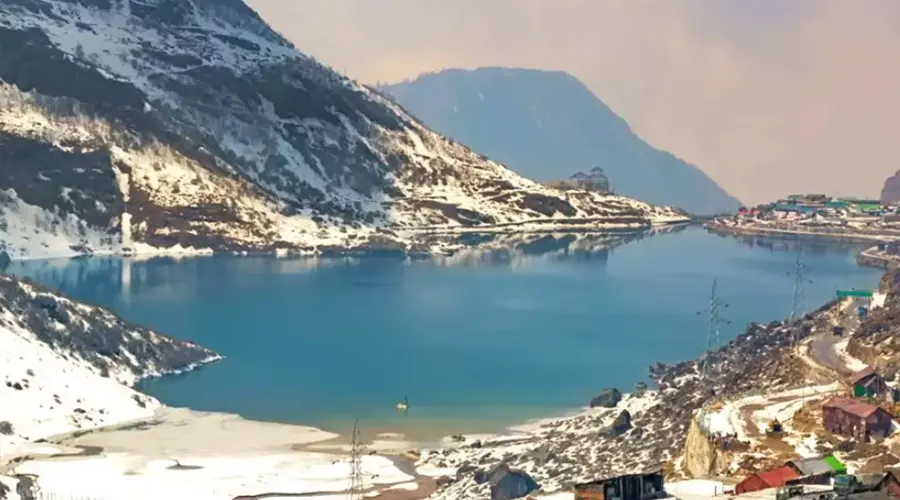
| Tsomgo Lake | Glacial lake, yak rides |
| Nathula Pass | Indo-China border, snow views |
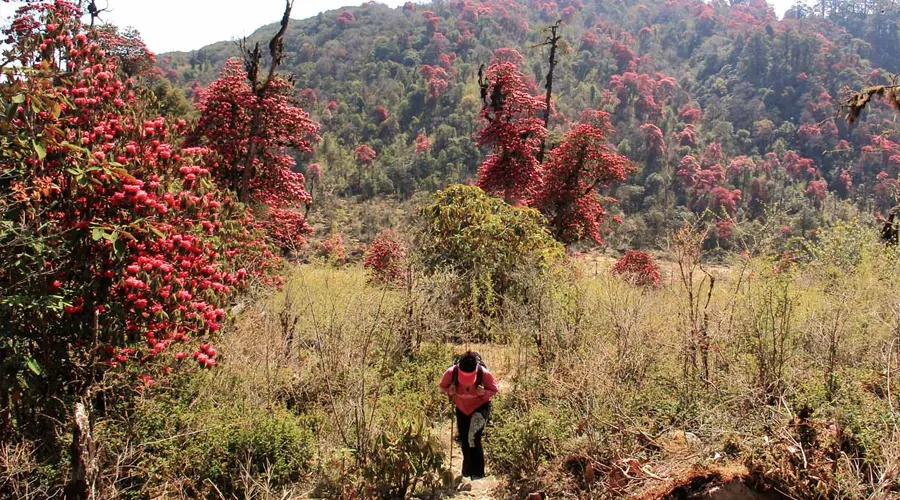
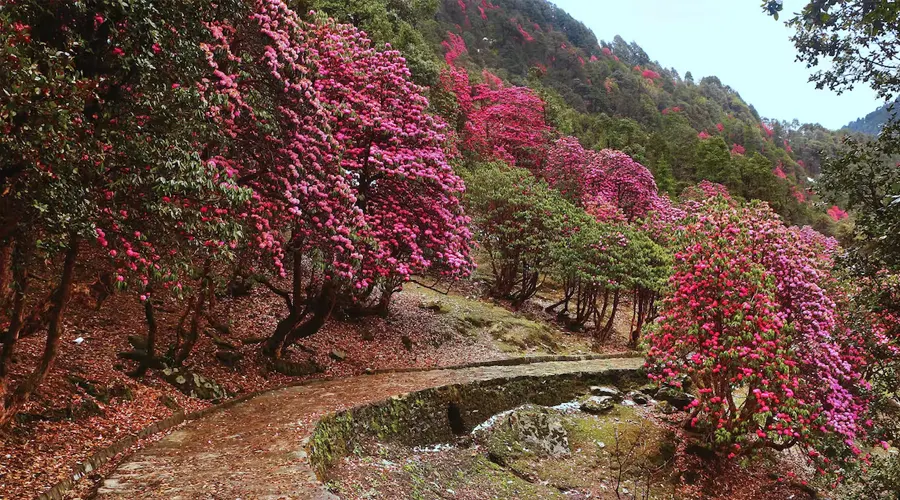
| Yumthang Valley | Valley of Flowers, rhododendrons |
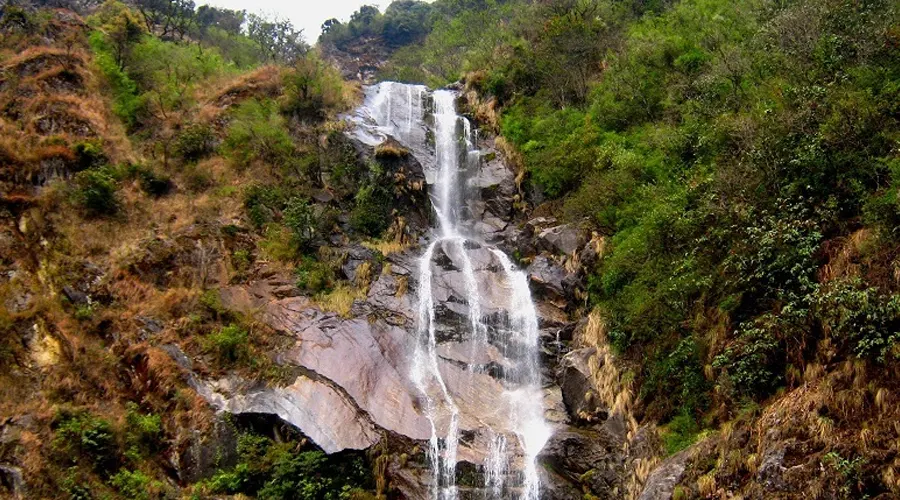
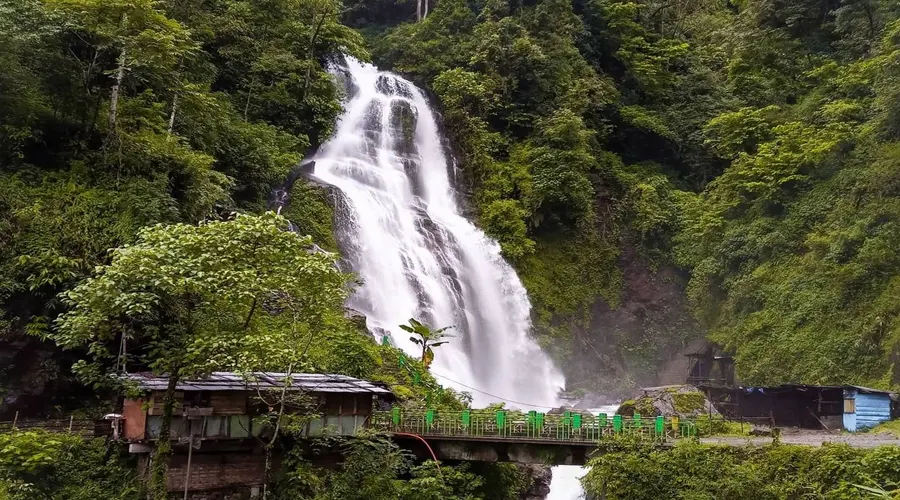
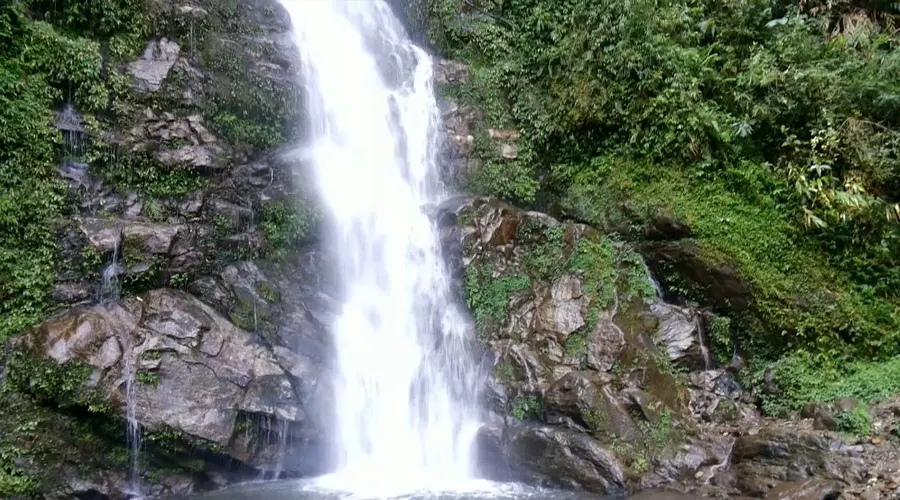
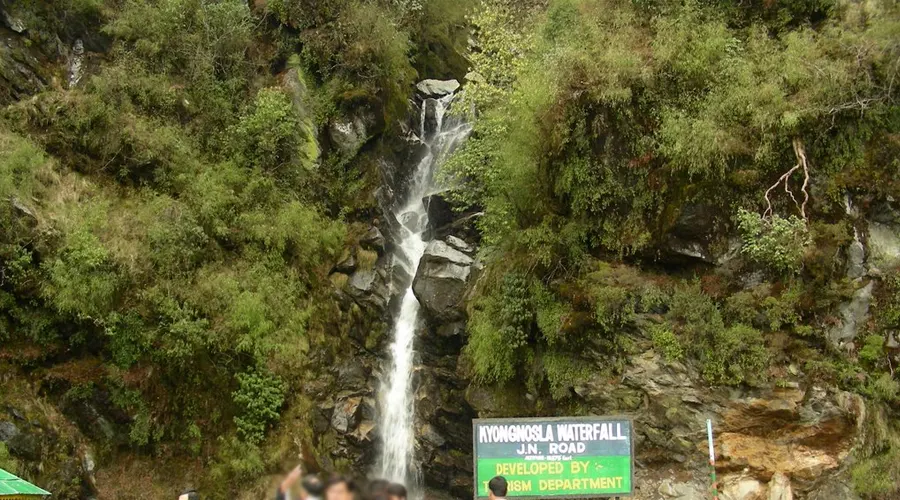
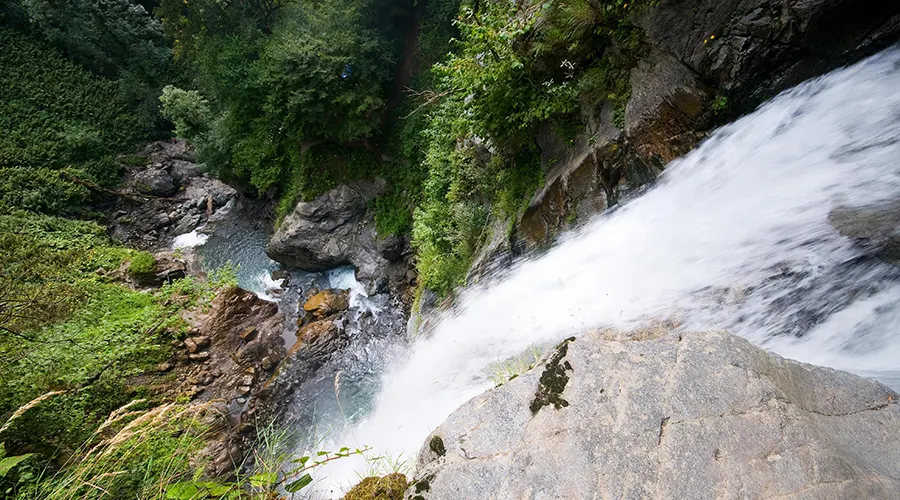
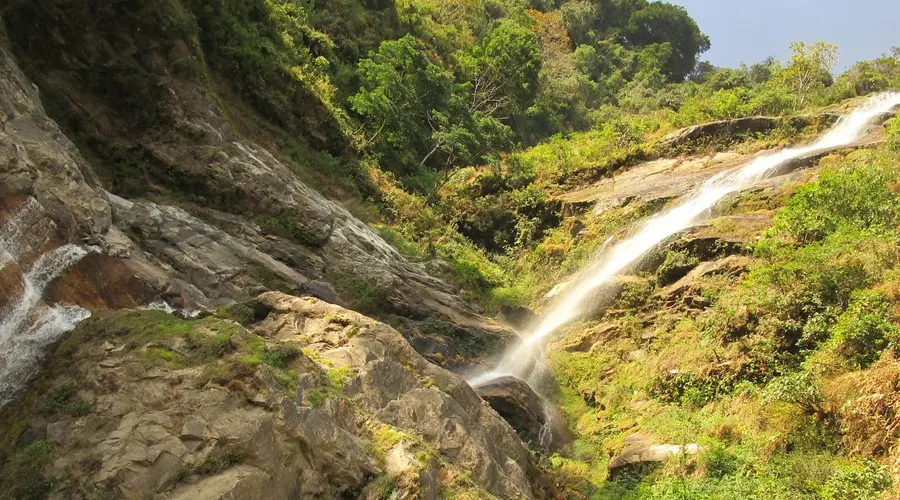
| Lachung | Waterfalls, Himalayan villages |
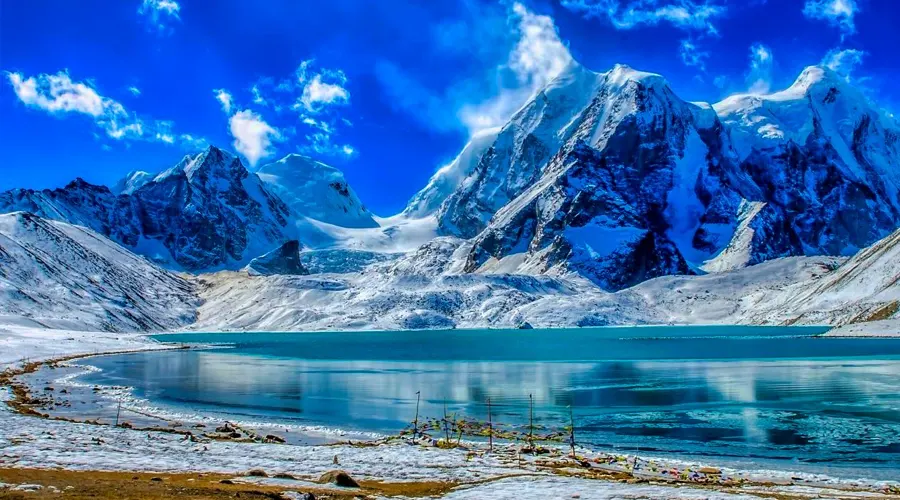
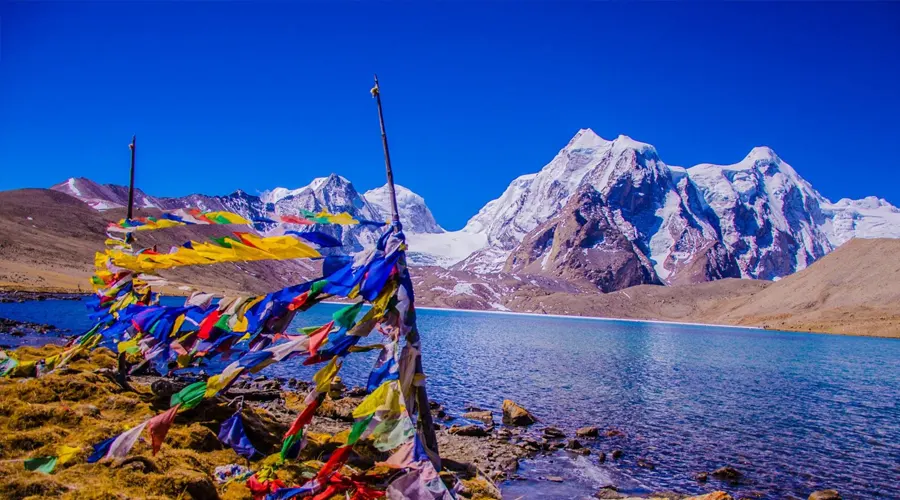
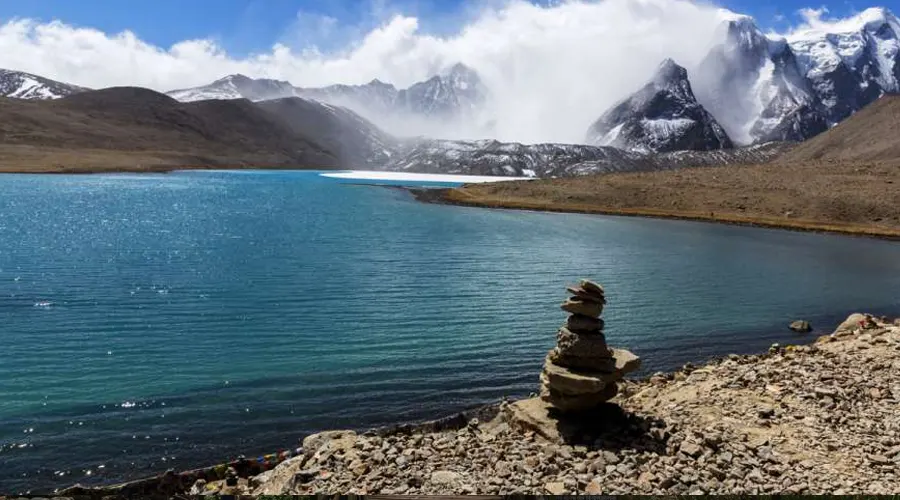
| Lachen | Gurudongmar Lake base |
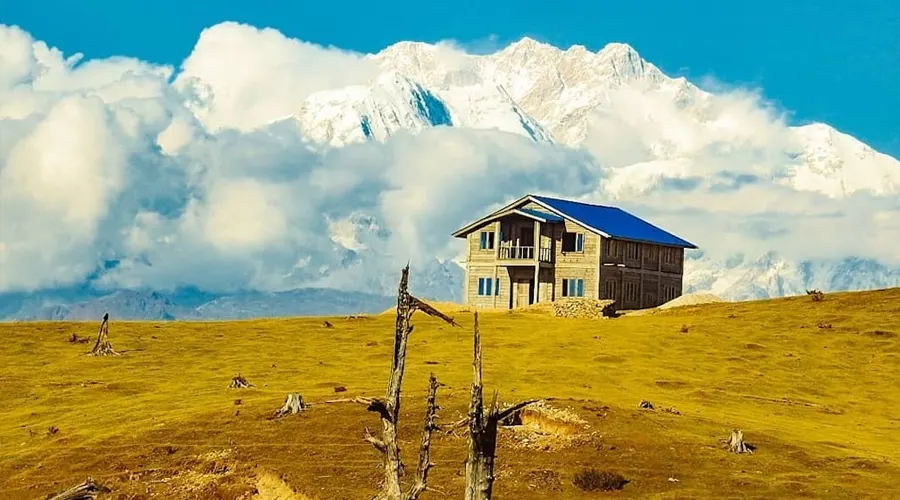
| Pelling | Kanchenjunga views, skywalk |
Famous Temples / Spiritual Places in Sikkim
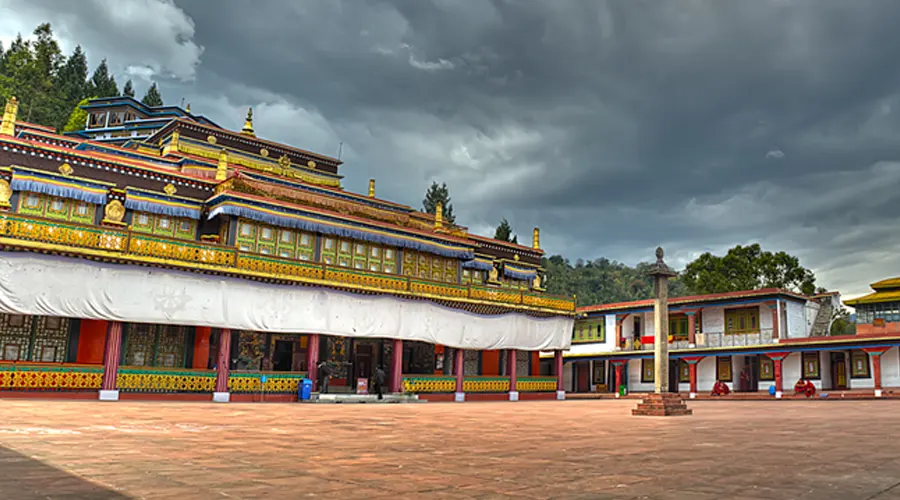
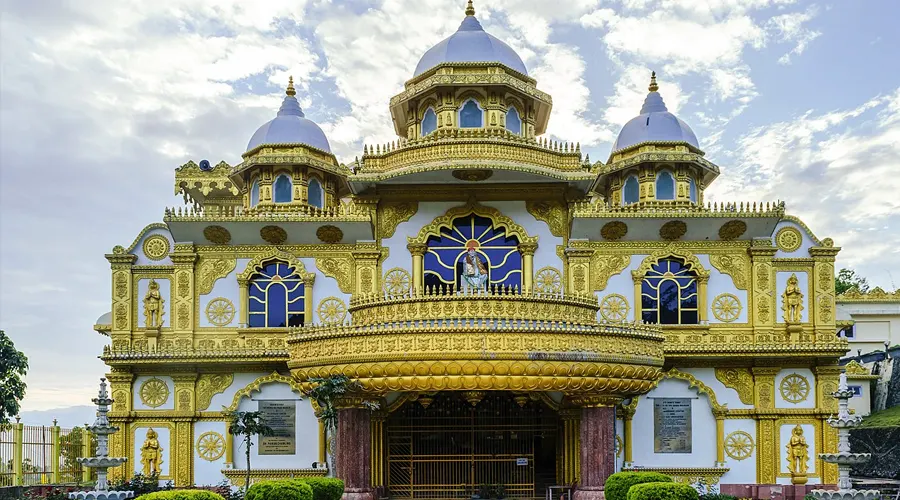
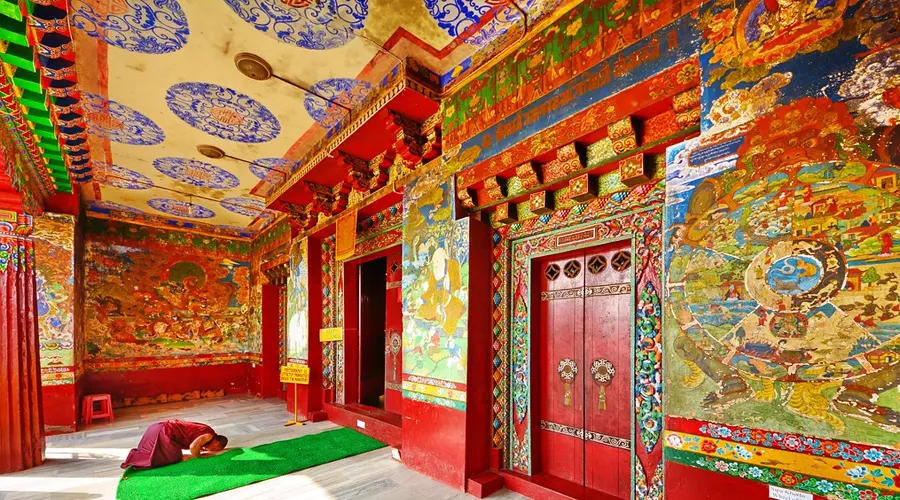
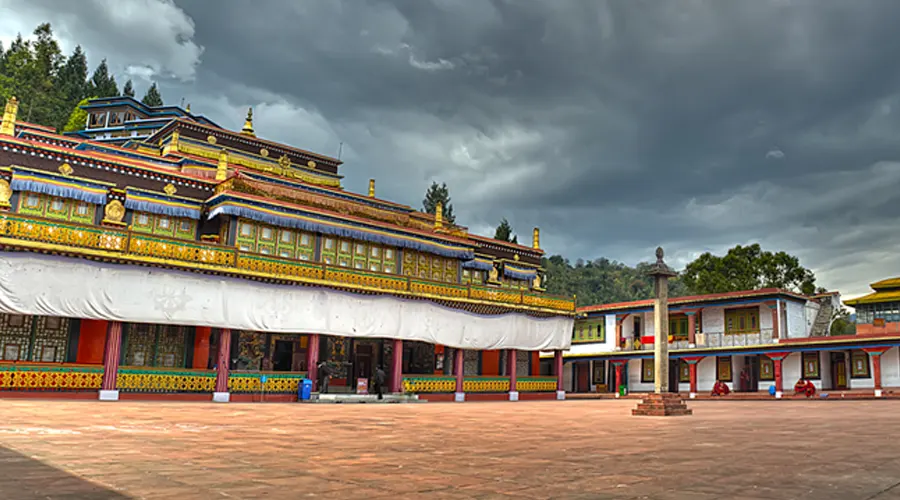
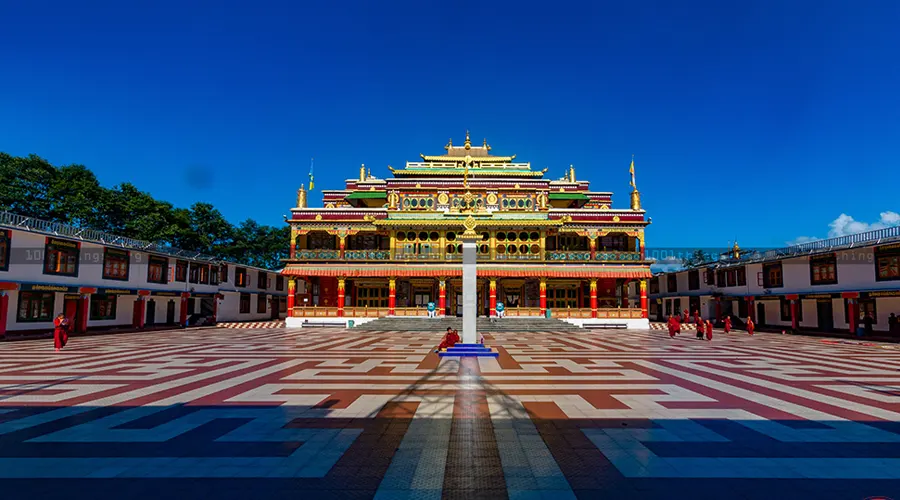
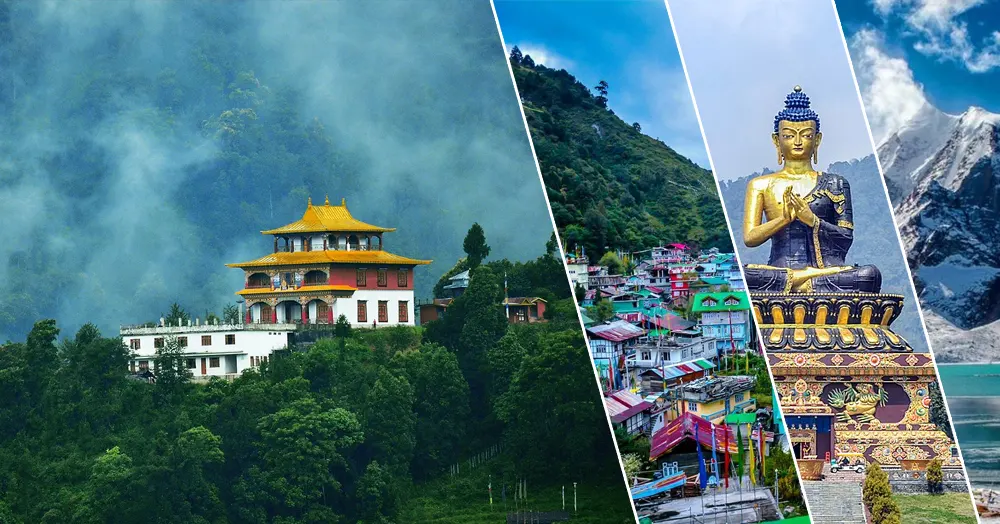
Rumtek Monastery: Rumtek Monastery is one of the most important Buddhist monasteries in Sikkim, located near Gangtok. It is known for its stunning golden architecture, peaceful surroundings, and deep spiritual teachings of Tibetan Buddhism. The monastery also serves as a center for learning, meditation, and cultural preservation, attracting monks and travelers from across the world.
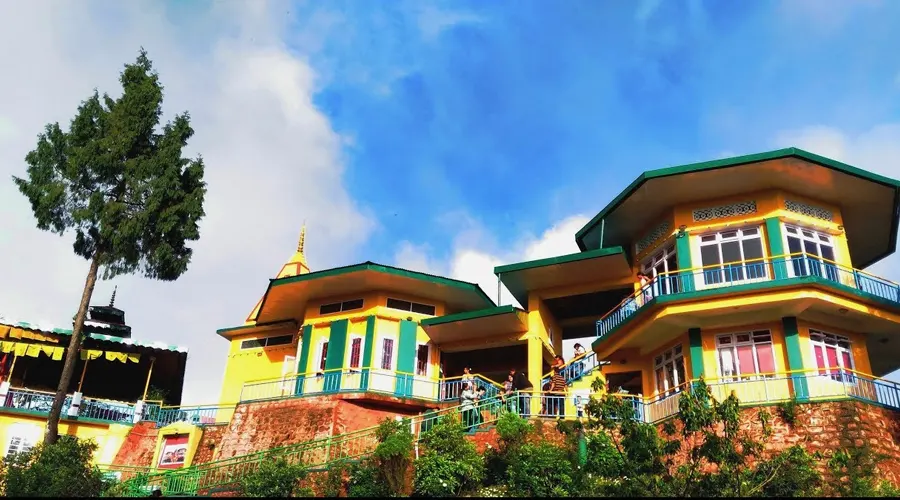
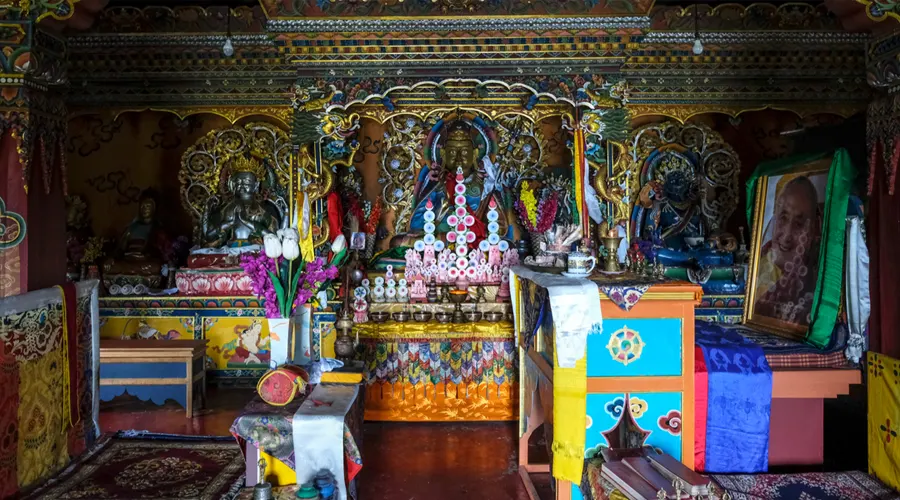
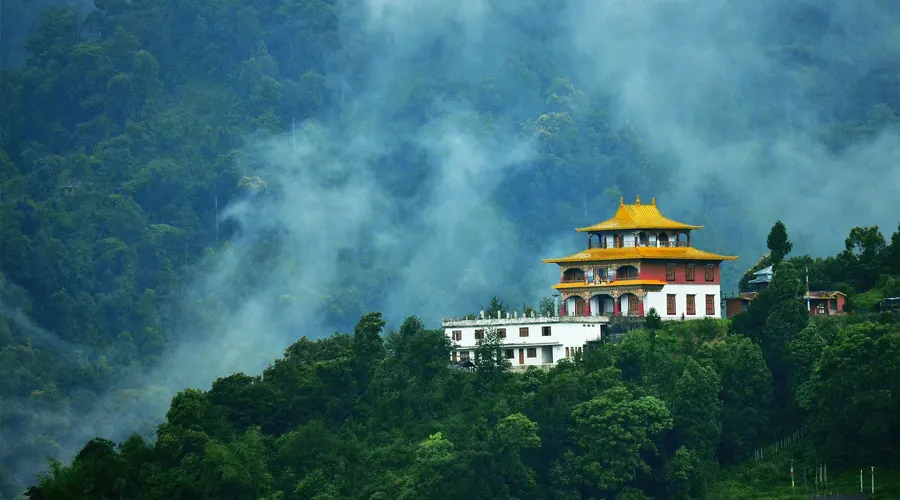
Enchey Monastery: Enchey Monastery is a 200-year-old sacred Buddhist site located above Gangtok, offering breathtaking views of the surrounding hills and valleys. It is known for its calm spiritual environment, ancient rituals, and traditional architecture. The monastery is an important center for Nyingma order Buddhism and hosts vibrant religious festivals throughout the year.
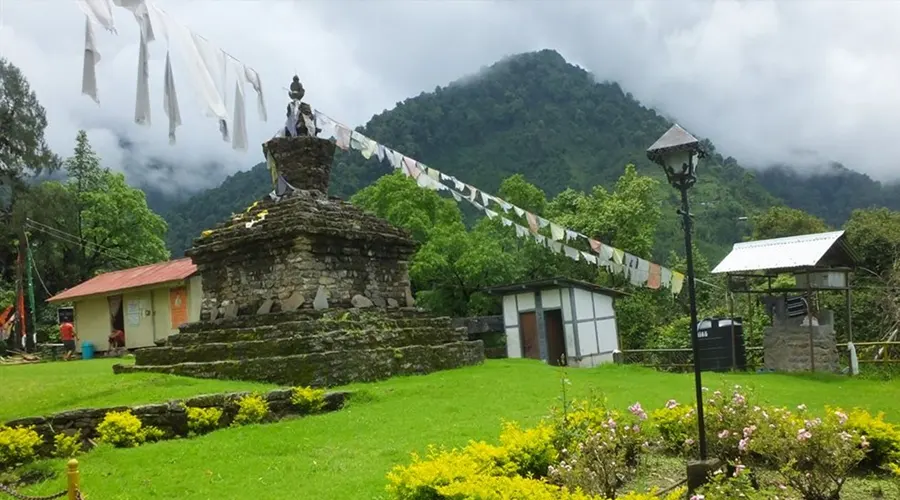
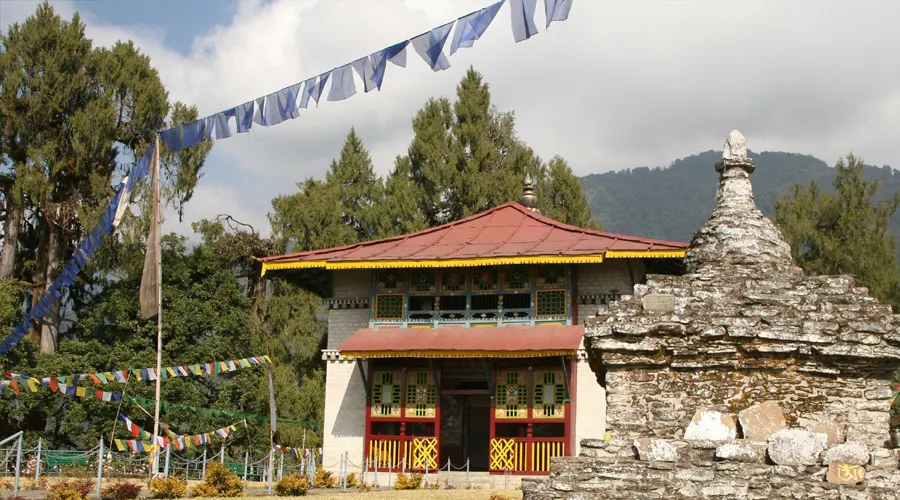
Tashiding Monastery: Tashiding Monastery is one of the most sacred Buddhist monasteries in Sikkim, located on a hilltop between the Rangit and Rathong rivers. It is famous for its ancient chortens, spiritual significance, and the sacred Bumchu festival. Devotees believe visiting this monastery cleanses sins and brings spiritual blessings.
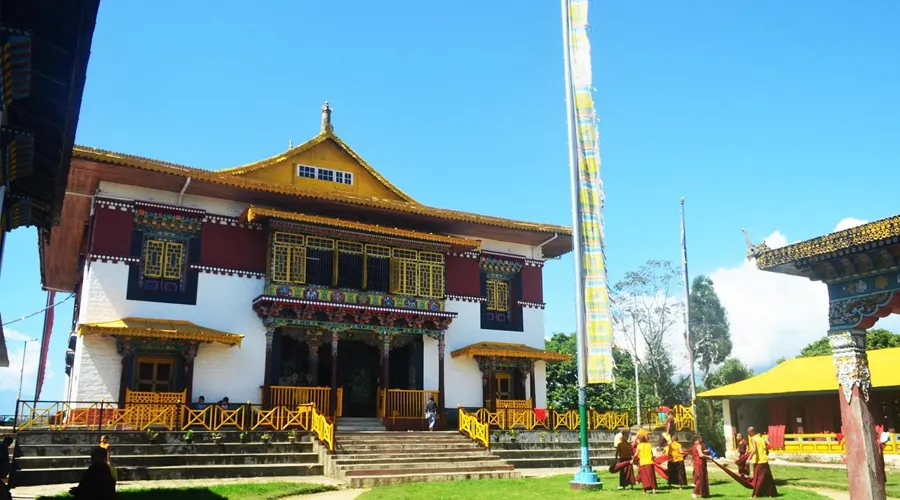
Pemayangtse Monastery: Pemayangtse Monastery is one of the oldest and most important monasteries in Sikkim, known for its beautiful wooden architecture and deep connection with Tibetan Buddhism. Located near Pelling, it houses ancient religious artifacts and paintings. The monastery offers a peaceful environment with stunning views of Mount Kanchenjunga.
Beaches / Hill Stations / Nature of Sikkim
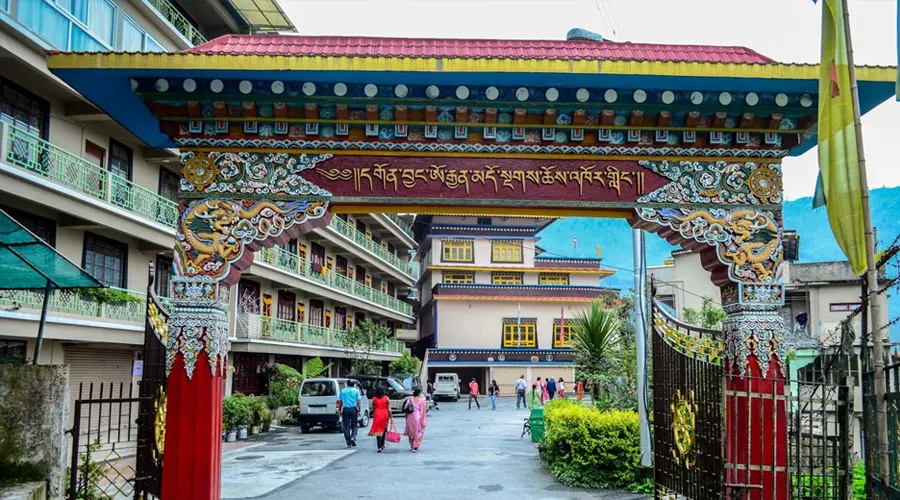
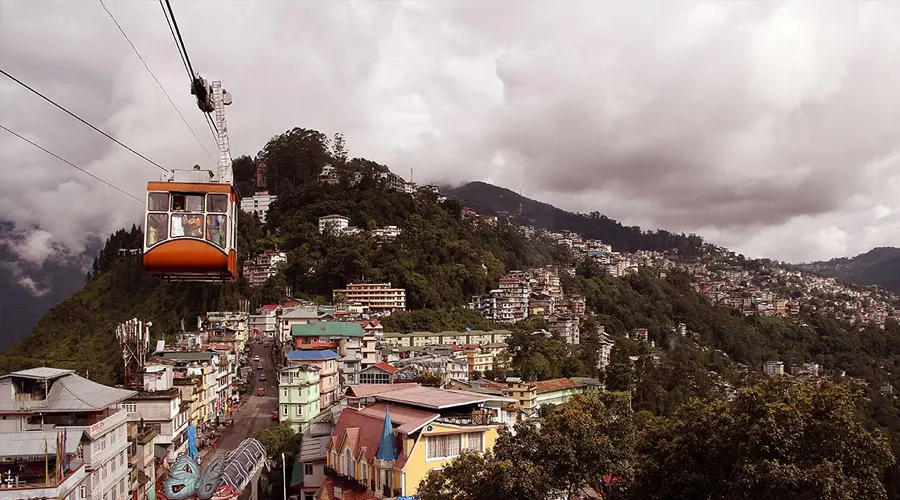
Gangtok: Gangtok is a scenic hill capital known for MG Marg, cable car rides, monasteries, clean streets, and breathtaking Himalayan mountain views, making it a perfect gateway to explore Sikkim.
Yumthang Valley: Yumthang Valley is the “Valley of Flowers” famous for colorful blooms, rivers, alpine meadows, and stunning snow-covered Himalayan peaks, offering a magical natural escape.
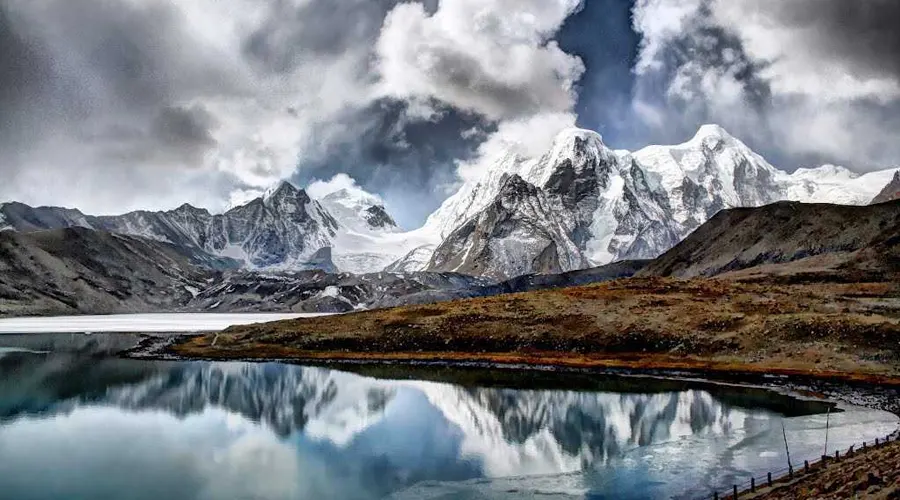
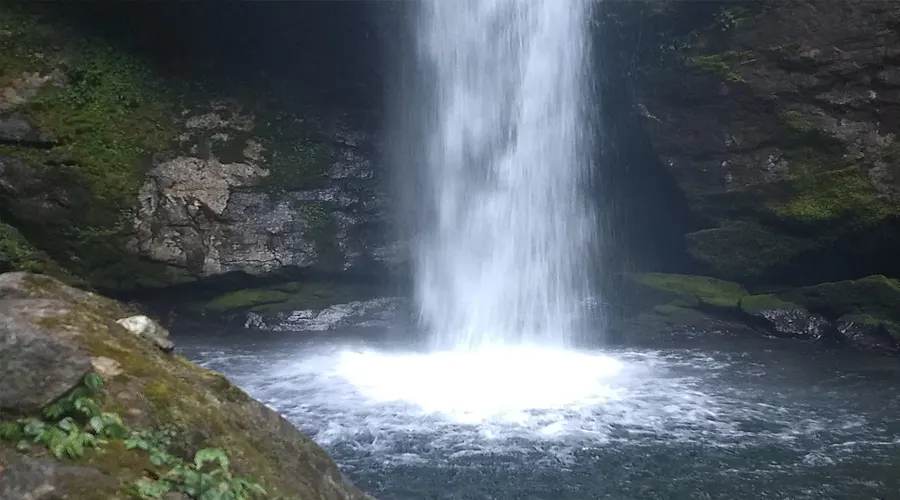
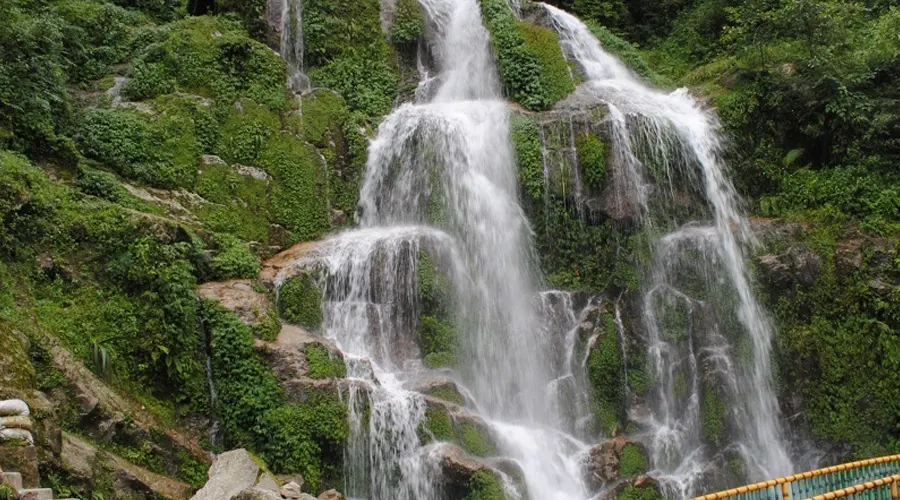
Lachung & Lachen: Lachung and Lachen are twin Himalayan villages known for untouched beauty, waterfalls, snow landscapes, and access to high-altitude lakes, ideal for adventure and peace seekers.
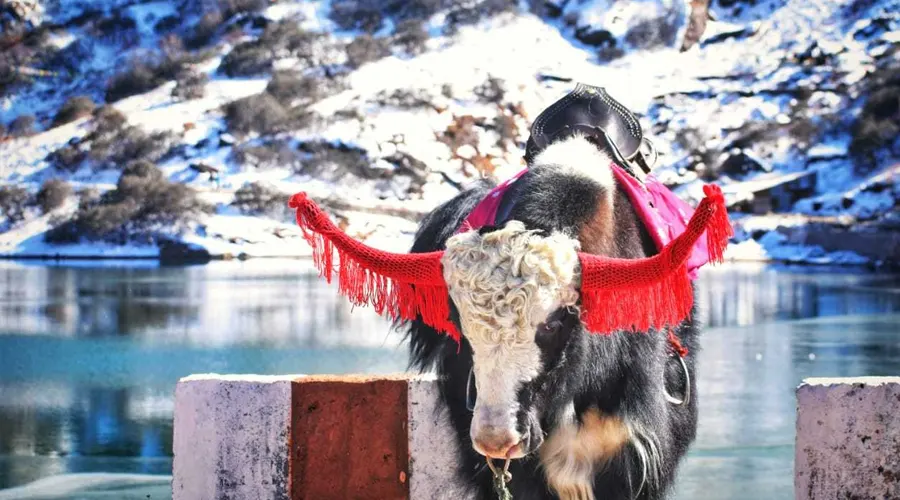
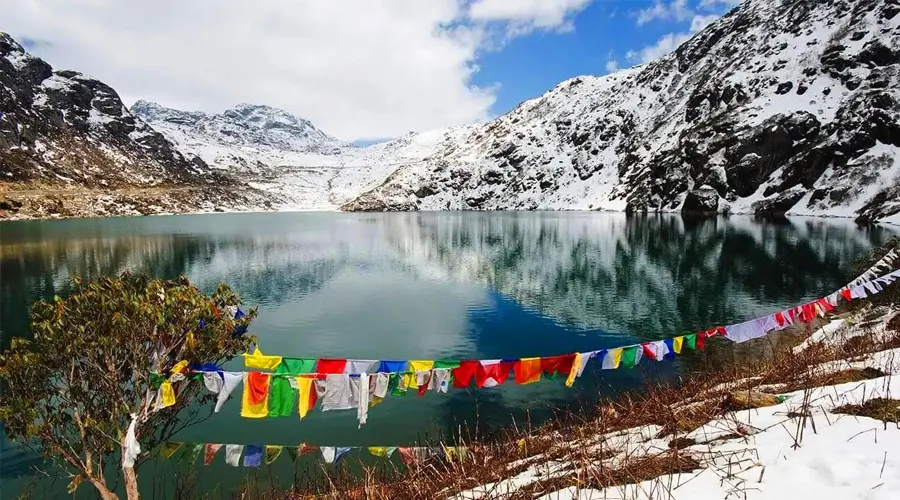
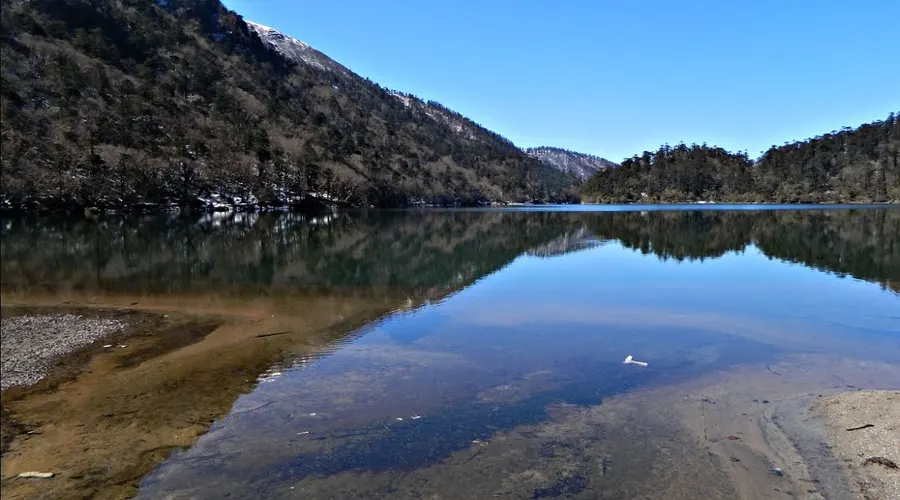
Tsomgo Lake: Tsomgo Lake is a glacial lake surrounded by snowy mountains, yak rides, and breathtaking scenery, making it one of the most photographed and iconic destinations in Sikkim.
Culture & Traditions of Sikkim
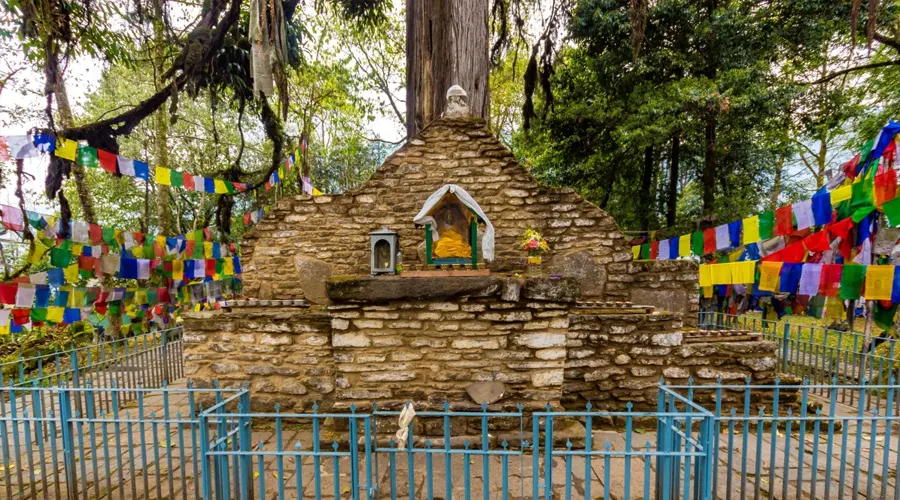
Sikkim’s culture is a blend of Lepcha, Bhutia, and Nepali traditions. The state follows Buddhist customs, prayer flags, and monastery rituals.
Traditional dress includes Bakhu for men and women. Festivals, dance forms, and folk music are deeply rooted in Himalayan traditions. The people of Sikkim are known for their simplicity, hospitality, and respect for nature.
Festivals in Sikkim
Losar Festival
Losar is the Tibetan New Year celebrated with traditional dances, prayers, rituals, and joyful family gatherings across Sikkim’s monasteries and villages.
- Saga Dawa: Saga Dawa is a sacred Buddhist festival that celebrates the birth, enlightenment, and teachings of Lord Buddha with prayers and rituals.
- Pang Lhabsol: Pang Lhabsol is a unique Sikkimese festival dedicated to Mount Kanchenjunga, featuring masked dances, prayers, and cultural performances.
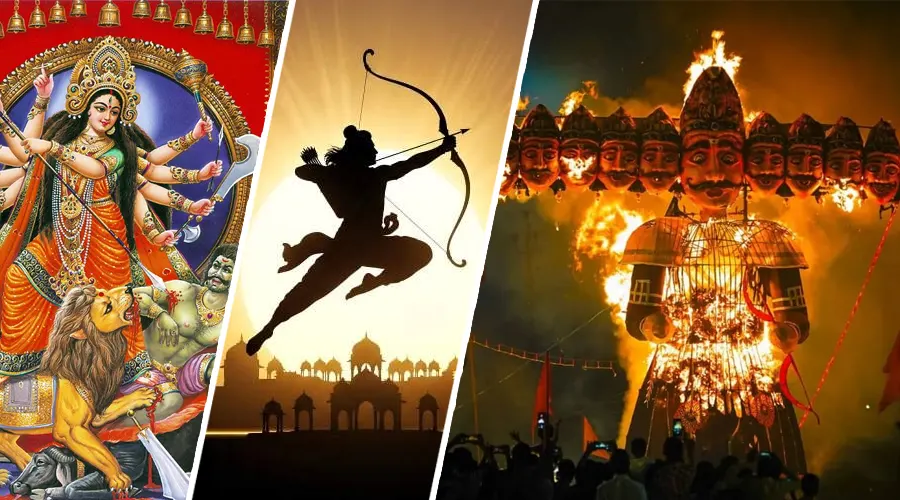
- Dasain & Tihar: Dasain and Tihar are major Nepali festivals celebrated with lights, rituals, family reunions, blessings, and cultural traditions across Sikkim.
Famous Food of Sikkim
Sikkim cuisine is a mix of Tibetan, Nepali, and Bhutanese flavors:
- Momos
- Thukpa
- Phagshapa
- Gundruk Soup
- Sel Roti
- Chhurpi Cheese
Butter tea is also a popular traditional drink in Sikkim.
Adventure Activities in Sikkim
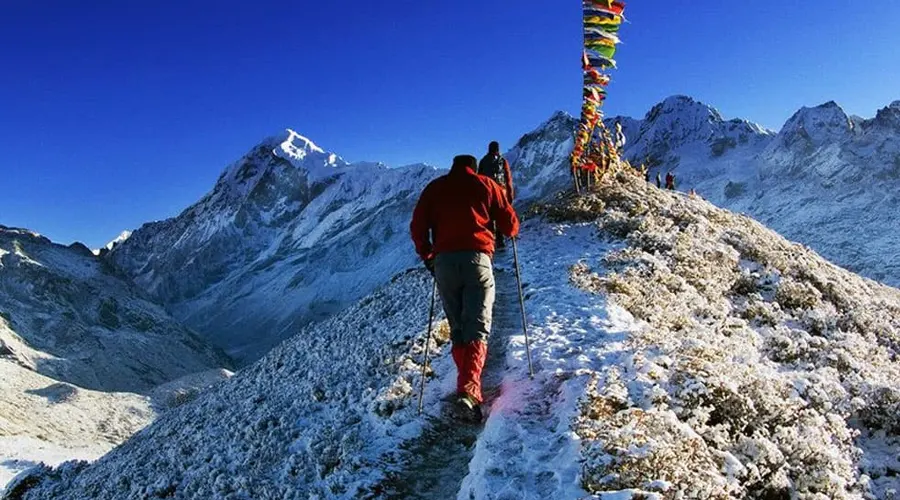
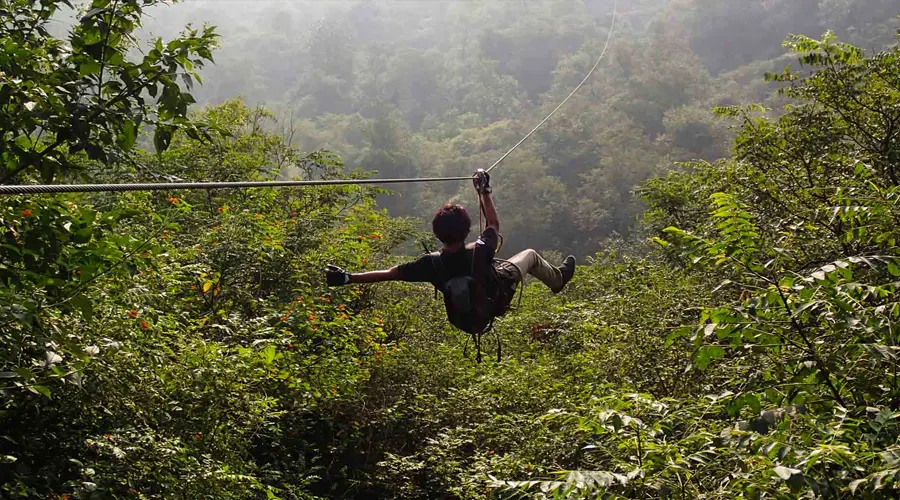
- Trekking in Goechala & Dzongri
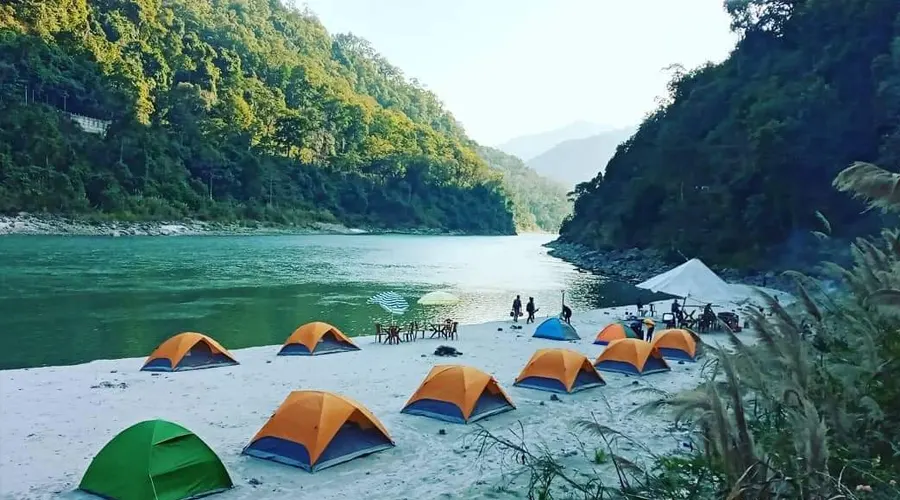
- River rafting in Teesta River
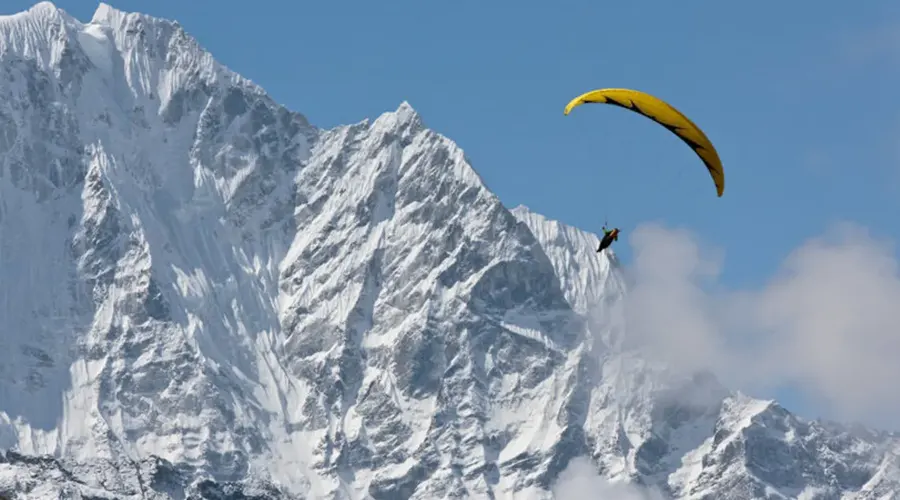
- Paragliding in Gangtok
- Yak safari at Tsomgo Lake
- Mountain biking in valleys
Hidden Gems of Sikkim
- Zuluk – Zigzag Mountain Roads: Zuluk is famous for its dramatic zigzag roads on the Old Silk Route offering breathtaking Himalayan views and thrilling travel experiences. The winding roads, sunrise points, and snow-covered peaks make it a must-visit destination for adventure lovers in Sikkim.
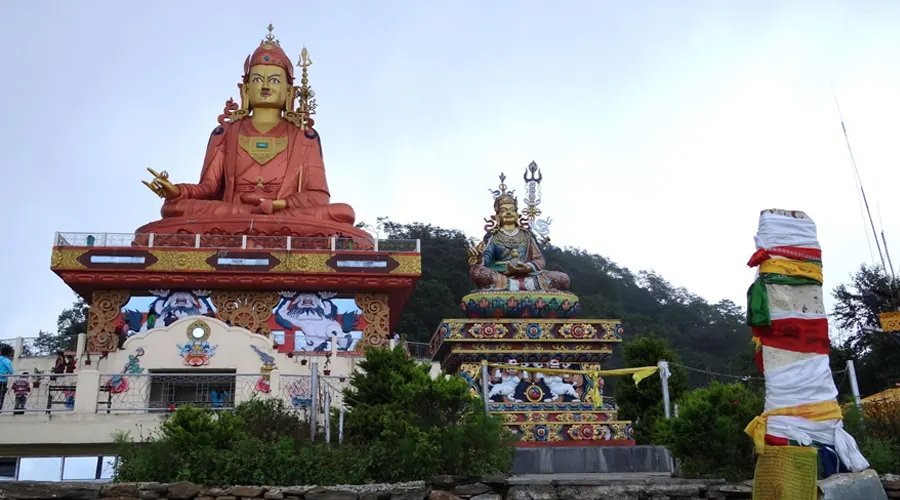
- Ravangla Buddha Park: Ravangla Buddha Park is a peaceful spiritual site featuring a giant Buddha statue surrounded by gardens and mountain views. It offers a calm atmosphere, panoramic landscapes, and is ideal for meditation, photography, and experiencing Sikkim’s Buddhist culture.
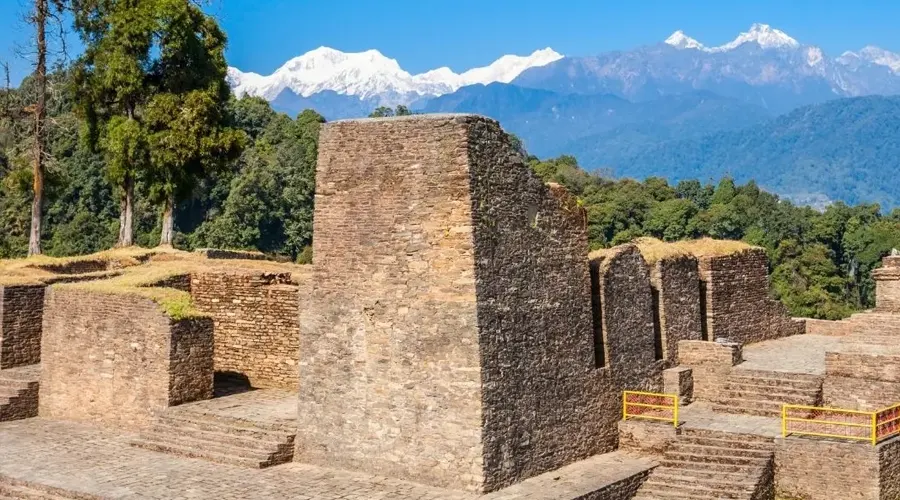
- Yuksom – Ancient Capital: Yuksom is the historic first capital of Sikkim, known for monasteries, heritage sites, and trekking routes. It serves as the base for the famous Goechala trek and offers a blend of history, spirituality, and untouched natural beauty.
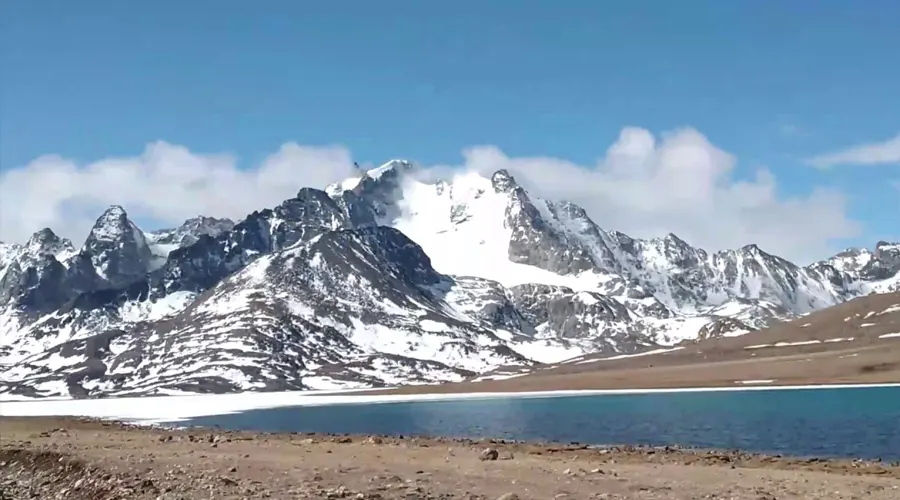
- Zero Point – Snow Paradise: Zero Point is a high-altitude destination in North Sikkim known for heavy snowfall, icy winds, and stunning white landscapes. It is a paradise for snow lovers and offers breathtaking views of untouched Himalayan wilderness near the Indo-China border.
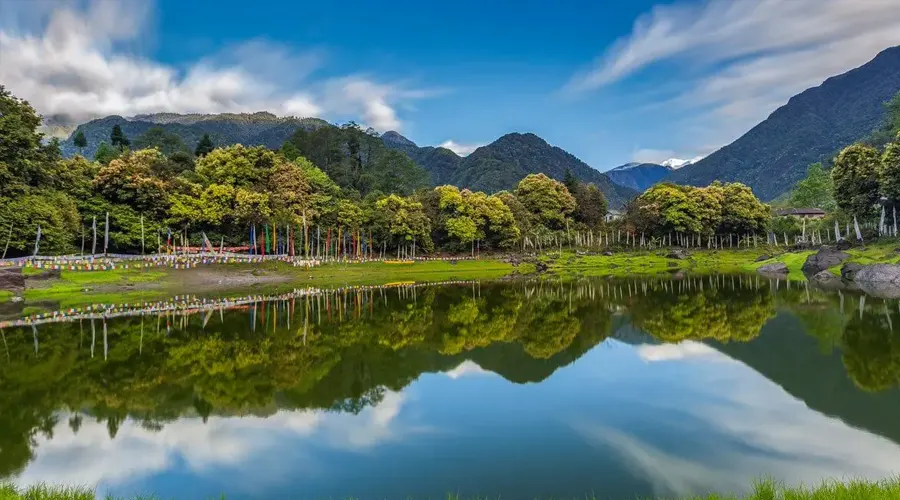
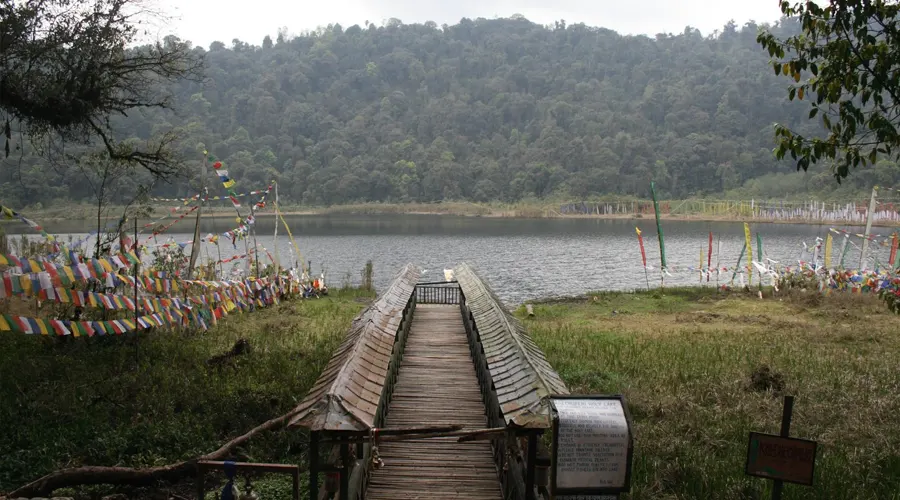
- Khecheopalri Lake – Sacred Lake: Khecheopalri Lake is a sacred Buddhist and Hindu pilgrimage site surrounded by dense forests. Known as a wish-fulfilling lake, it remains clean as birds are believed to keep its surface clear, making it a spiritual and serene natural attraction.
Wildlife & Eco Tourism in Sikkim
Sikkim is rich in biodiversity and eco-tourism spots:
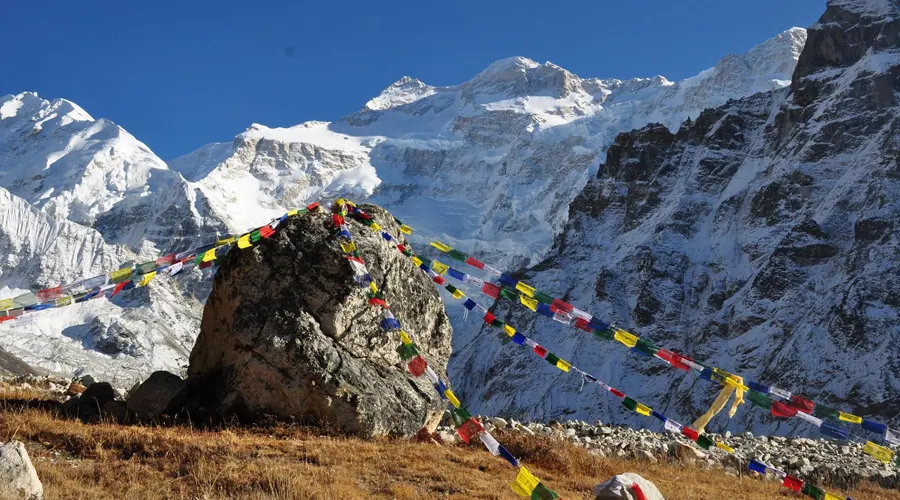
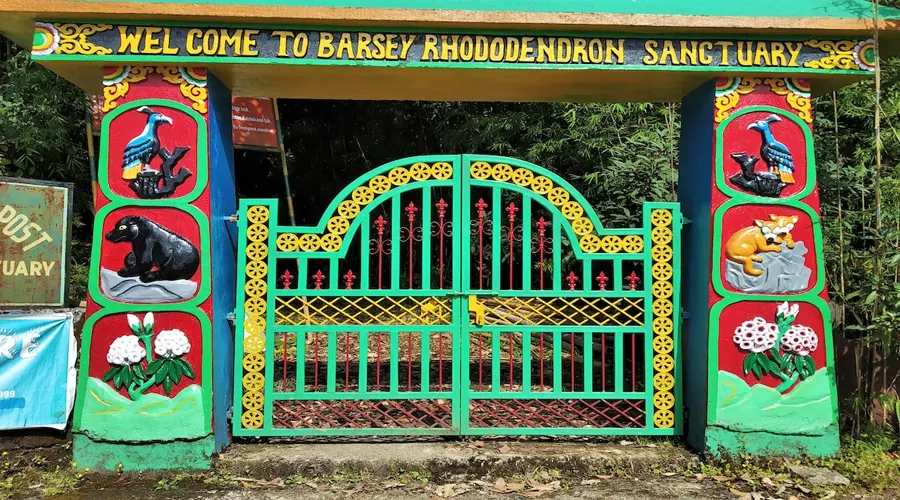
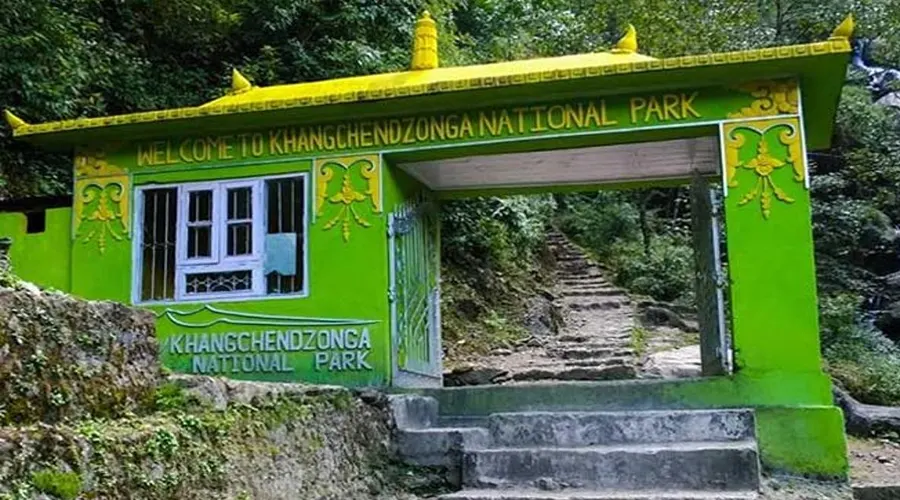
Khangchendzonga National Park: Khangchendzonga National Park is a UNESCO World Heritage Site known for its rich biodiversity, snow-covered peaks, rare wildlife, and sacred landscapes. It is home to Mount Kanchenjunga and offers breathtaking trekking routes, alpine meadows, and a deep spiritual connection with nature.
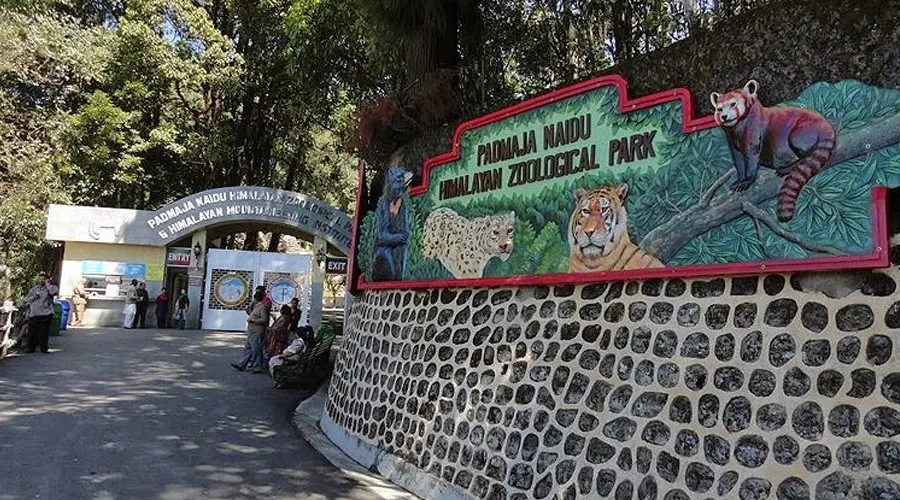
Fambong Lho Wildlife Sanctuary: Fambong Lho Wildlife Sanctuary is a lush green forest reserve near Gangtok, famous for its rich flora, dense forests, and wildlife species. It is a peaceful eco-tourism destination where visitors can enjoy trekking, birdwatching, and spotting animals like red pandas and Himalayan wildlife.
Red Panda Habitat Zones: Red Panda habitat zones in Sikkim are protected forest areas where the rare and endangered red panda can be seen in its natural environment. These zones are carefully conserved to maintain biodiversity and offer visitors a chance to explore unique Himalayan wildlife ecosystems.
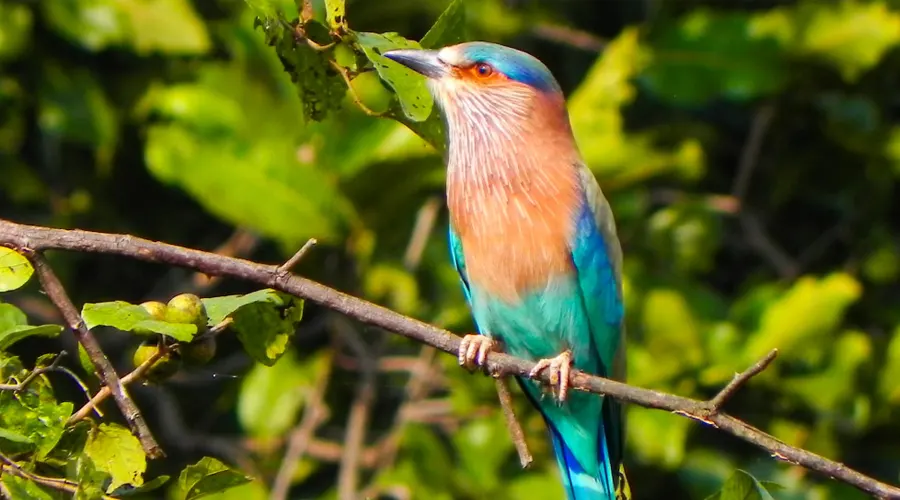
Himalayan Birds and Orchids: Sikkim is home to a wide variety of Himalayan birds and exotic orchids, making it a paradise for nature lovers and photographers. The state’s forests and valleys bloom with rare floral species and attract colorful birds, showcasing its incredible ecological diversity.
The state promotes eco-friendly tourism and sustainable travel practices.
Top Things to Do in Sikkim
- Ride cable car in Gangtok
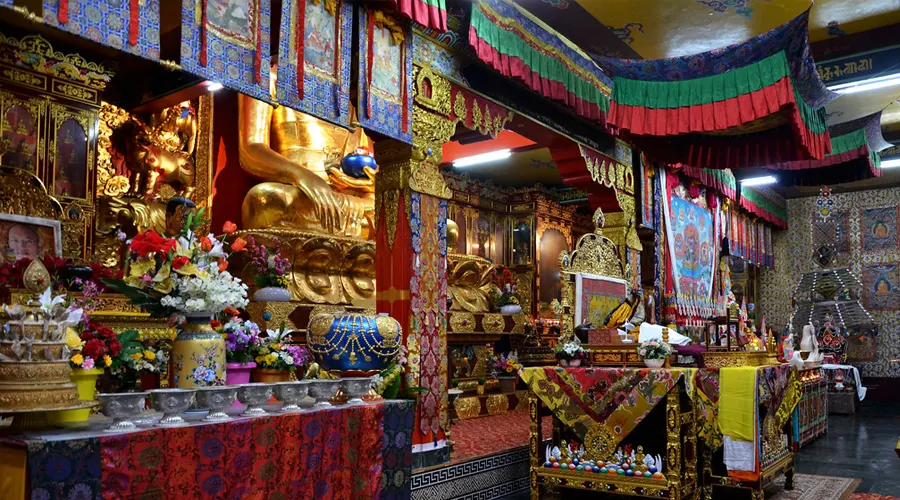
- Visit monasteries
- Explore Himalayan valleys
- Watch sunrise over Kanchenjunga
- Try local food
- Visit Tsomgo Lake
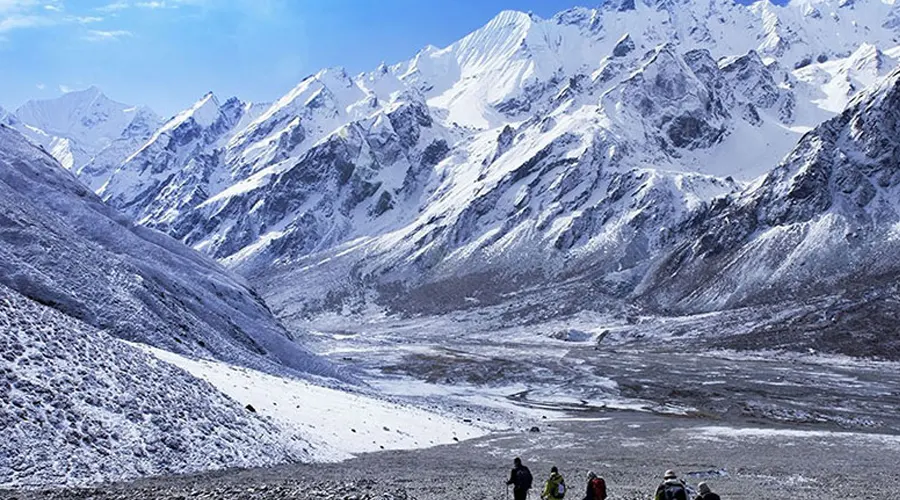
- Trek in North Sikkim
Travel Itinerary for Sikkim (5–7 Days)
Day 1: Arrival in Gangtok
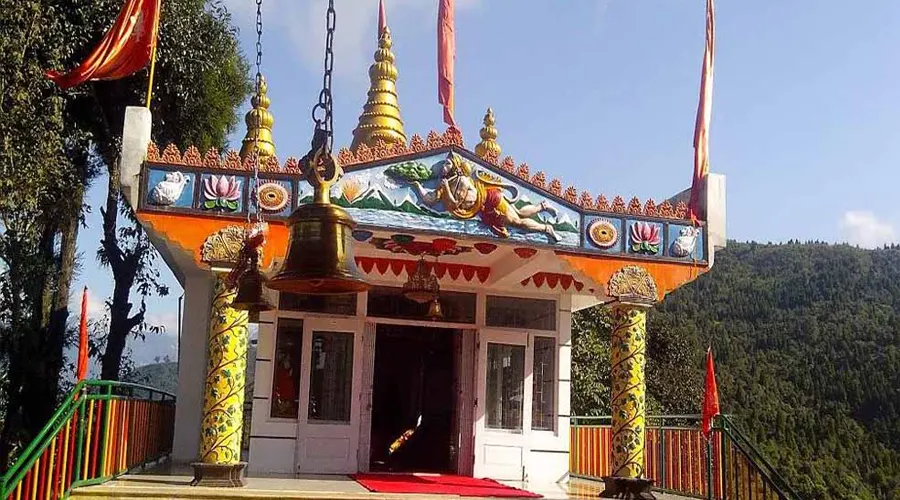
Day 2: Tsomgo Lake + Baba Mandir
Day 3: Nathula Pass
Day 4: Gangtok sightseeing
Day 5: Transfer to Pelling
Day 6: Ravangla & Buddha Park
Day 7: Departure
Best Time to Visit Sikkim
| Season | Features |
| March–May | Flowers, pleasant weather |
| October–December | Clear skies, mountain views |
| January–February | Snowfall in North Sikkim |
| Monsoon | Avoid due to landslides |
How to Reach Sikkim
By Air: Nearest airport is Bagdogra Airport (West Bengal), followed by road travel to Gangtok.
By Train: New Jalpaiguri (NJP) is the nearest railway station.
By Road: Well-connected via Siliguri and Darjeeling highways.
Shopping Guide in Sikkim
- Tibetan handicrafts
- Woolen clothes
- Prayer flags
- Handicrafts
- Organic tea
- Local spices
MG Road in Gangtok is the best shopping hub.
Travel Tips for Sikkim
- Carry warm clothes
- Take permits for restricted areas
- Avoid plastic usage
- Respect monastery rules
- Book North Sikkim trips in advance
Why Sikkim Should Be on Your Travel Bucket List
Sikkim tourism offers a rare combination of Himalayan beauty, spiritual peace, cultural richness, and adventure experiences. From snow-covered mountains and ancient monasteries to vibrant festivals and peaceful valleys, Sikkim is truly a paradise for travelers.
Whether you are seeking peace, thrill, or cultural discovery, Sikkim promises memories that last a lifetime.
Explore the beauty of Sikkim with Explore Our India.
Faq About Sikkim
Ans: Sikkim is famous for its stunning Himalayan landscapes, snow-covered peaks, Buddhist monasteries, vibrant culture, and peaceful environment. The state is known for attractions like Gangtok, Tsomgo Lake, Nathula Pass, and Kanchenjunga, the third-highest mountain in the world. Sikkim is also known for organic farming, orchids, and eco-tourism.
Ans: The best time to visit Sikkim is from March to May and October to December. Spring offers blooming flowers and pleasant weather, while autumn and early winter provide clear skies and stunning mountain views. Snowfall can be experienced in higher regions during winter.
Ans: Sikkim offers many breathtaking tourist destinations. Some of the best places include:Gangtok – Capital city with monasteries and viewpointsTsomgo Lake – High-altitude glacial lakeNathula Pass – Indo-China border mountain passPelling – Scenic views of KanchenjungaYumthang Valley – Known as the Valley of FlowersRumtek Monastery – Famous Buddhist monastery
Ans: Gangtok is famous as the capital of Sikkim and a major tourist hub. It offers beautiful views of the Himalayas, monasteries, cable car rides, and clean urban surroundings. Gangtok is also a gateway to Nathula Pass, Tsomgo Lake, and other scenic destinations.
Ans: Sikkim is famous for its unique Himalayan cuisine influenced by Nepali, Tibetan, and local cultures. Popular dishes include momos, thukpa, gundruk, phagshapa, sel roti, and butter tea. The food is simple, healthy, and rich in local flavors.
Ans: Yes, Sikkim is one of the best destinations in India for nature tourism. It offers snow mountains, valleys, waterfalls, forests, and rich biodiversity. The state is also India’s first fully organic state, making it ideal for eco-friendly and sustainable travel experiences.
Ans: Sikkim is accessible by air, rail, and road. The nearest airport is Pakyong Airport, while many travelers also use Bagdogra Airport in West Bengal. From there, taxis and buses connect to Gangtok and other parts of Sikkim. The nearest major railway station is New Jalpaiguri (NJP).
Ans: Yes, Sikkim is considered one of the safest states in India for tourists. The people are friendly, crime rates are low, and the environment is peaceful. However, travelers should follow altitude-related precautions and check weather conditions before visiting high mountain areas.
Ans: Sikkim celebrates festivals like Losar, Saga Dawa, Dasain, Tihar, and Pang Lhabsol. These festivals reflect Buddhist and Hindu traditions and are celebrated with rituals, dance, music, and community gatherings.
Ans: A trip of 5 to 7 days is usually enough to explore Sikkim comfortably. This allows travelers to visit Gangtok, Tsomgo Lake, Nathula Pass, Pelling, and nearby valleys. For a more relaxed experience, especially with North Sikkim, a longer stay is recommended.