Explore the Rich Culture and Natural Beauty of Manipur
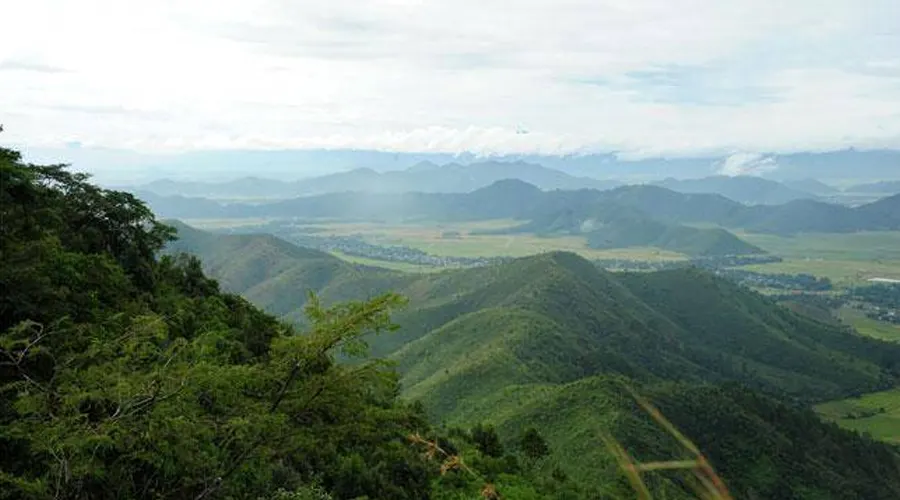
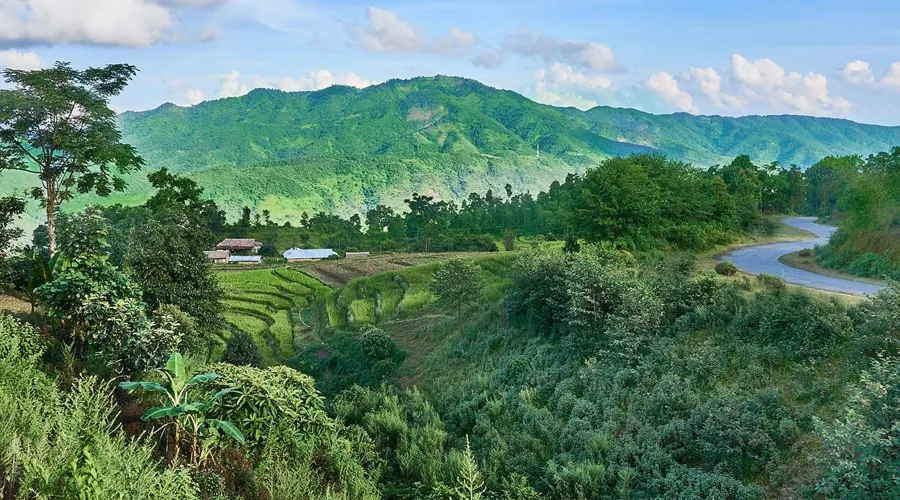
Manipur, often called the “Jewel of India,” is one of the most beautiful and culturally vibrant states in Northeast India. Surrounded by lush green hills, sparkling lakes, dense forests, and scenic valleys, Manipur offers travelers a perfect combination of natural beauty, rich traditions, spirituality, and adventure. Bordering Myanmar, Nagaland, Mizoram, and Assam, the state serves as an important cultural bridge between India and Southeast Asia.
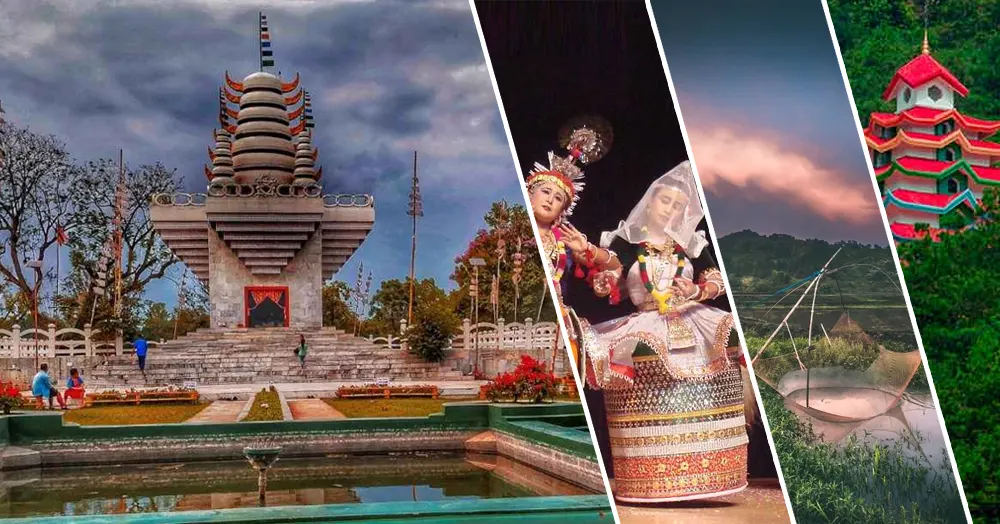
The charm of Manipur lies in its peaceful landscapes, colorful festivals, graceful dance forms, and warm hospitality. From the floating islands of Loktak Lake to the historical ruins of Kangla Fort, every corner of the state tells stories of heritage, bravery, and devotion. The state is also famous for its traditional handlooms, bamboo crafts, martial arts, and indigenous tribal cultures.
Whether you want to explore ancient temples, enjoy scenic trekking routes, experience tribal traditions, or discover wildlife and adventure tourism, Manipur promises unforgettable travel experiences for every traveler.
History of Manipur – A Journey Through Ancient Heritage
The history of Manipur dates back more than 2,000 years and reflects a unique blend of indigenous traditions, royal dynasties, and cultural exchanges with neighboring regions. The state was originally ruled by the Meitei kings who established a strong kingdom in the fertile Imphal Valley. Historical records, legends, and ancient manuscripts reveal the region’s deep cultural and political significance in Northeast India.
Manipur played an important role in spreading Hinduism and later developed a rich Vaishnavite culture under royal patronage. The famous Manipuri Ras Leela dance emerged during this period as a devotional art form dedicated to Lord Krishna.
The state also has a strong martial heritage. Traditional sports like Polo, locally known as Sagol Kangjei, are believed to have originated in Manipur centuries ago. During British rule, Manipur became strategically important, especially during the Anglo-Manipur War of 1891 and the Battle of Imphal during World War II.
After India’s independence, Manipur merged with the Indian Union in 1949 and became a full-fledged state in 1972. Today, the state proudly preserves its cultural identity while embracing modern development.
Culture and Heritage of Manipur
Manipur is known for its rich cultural diversity and unique traditions. The state is home to Meitei, Naga, Kuki, and several tribal communities, each contributing to its vibrant heritage. Dance, music, handloom weaving, martial arts, and religious festivals form an important part of Manipuri culture.
- Manipuri Dance and Music: Manipuri Ras Leela is one of India’s eight classical dance forms and is globally admired for its graceful movements, spiritual themes, and colorful costumes. The dance mainly portrays scenes from the life of Lord Krishna and Radha.
- Traditional folk music and drum performances are equally important in Manipuri society. Festivals and ceremonies are often accompanied by singing, folk instruments, and cultural performances.
- Handloom and Handicrafts: Manipur is famous for its handwoven textiles and traditional attire. Women weave beautiful garments like Phanek, Innaphi shawls, and silk fabrics using traditional looms. Bamboo and cane handicrafts, pottery, wood carvings, and tribal jewelry are also widely produced.
- Ima Keithel – Asia’s Largest Women’s Market: Ima Keithel is one of Manipur’s most iconic cultural landmarks. Managed entirely by women traders, the market symbolizes women empowerment and local entrepreneurship. Visitors can shop for handloom products, handicrafts, spices, vegetables, and traditional accessories.
Top Tourist Attractions in Manipur
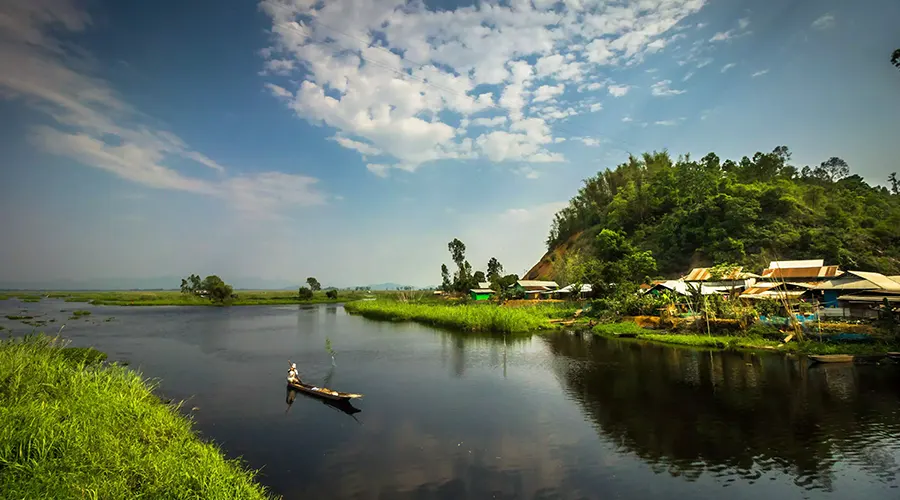
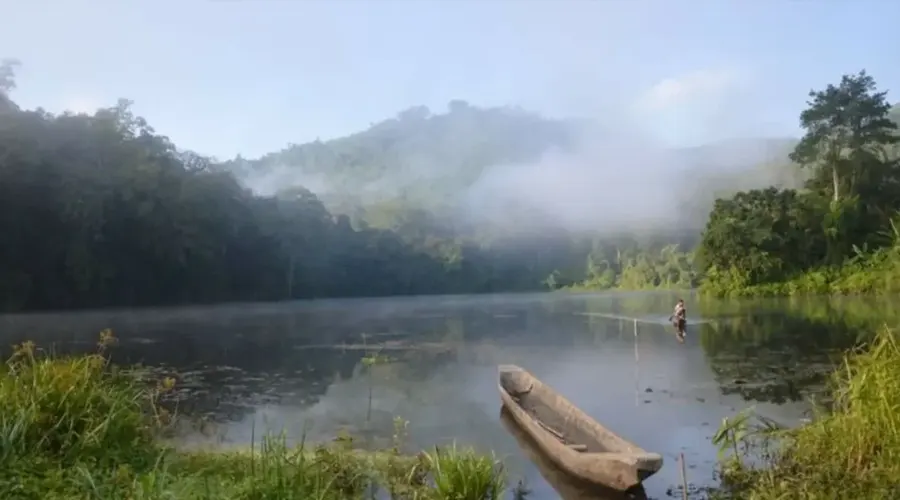
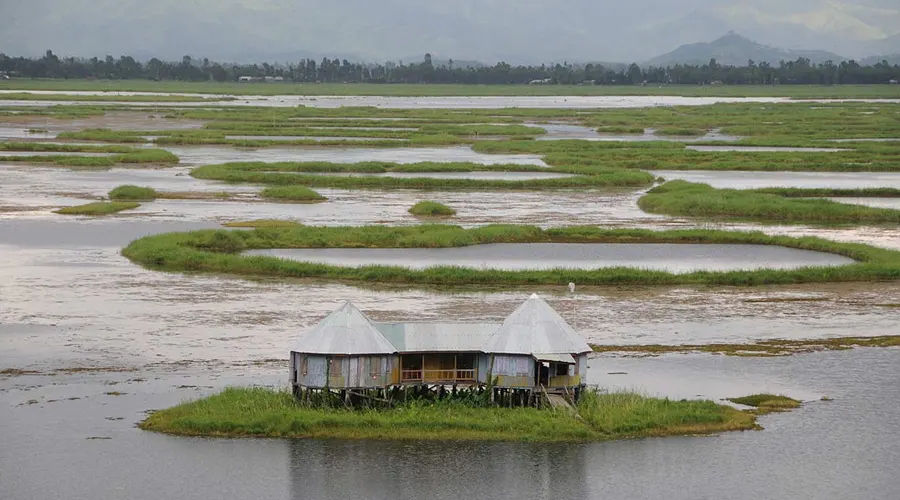
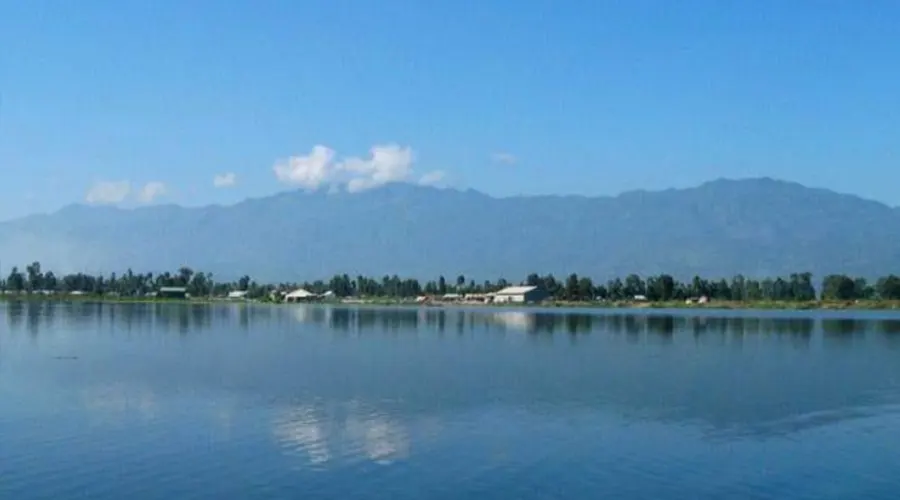
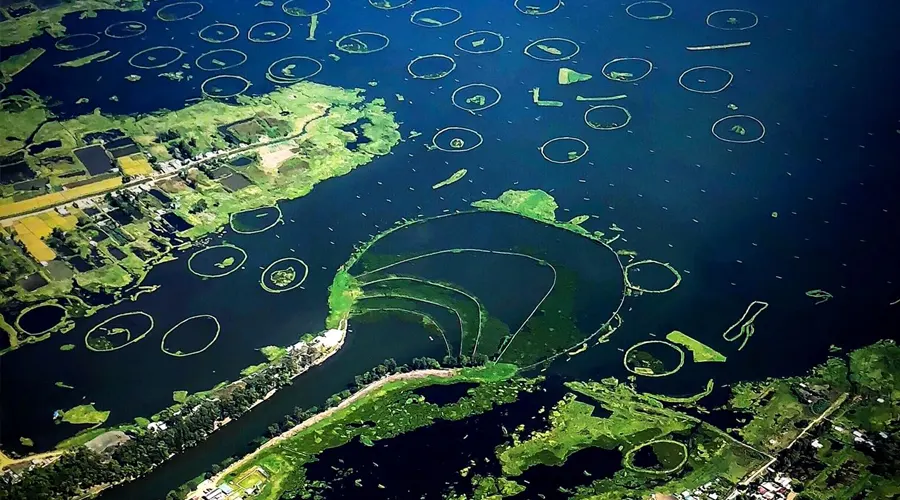
Loktak Lake – The Floating Lake of India: Loktak Lake is the largest freshwater lake in Northeast India and one of the state’s most famous tourist attractions. The lake is known for its floating islands called phumdis, which create a magical landscape. Boating on the lake offers breathtaking sunrise and sunset views.
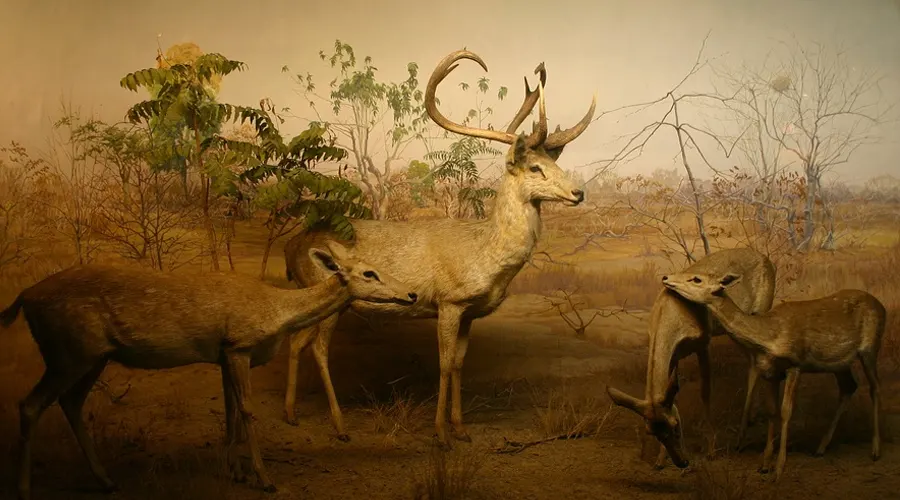
The lake is also home to Keibul Lamjao National Park, the world’s only floating national park and habitat of the endangered Sangai deer.
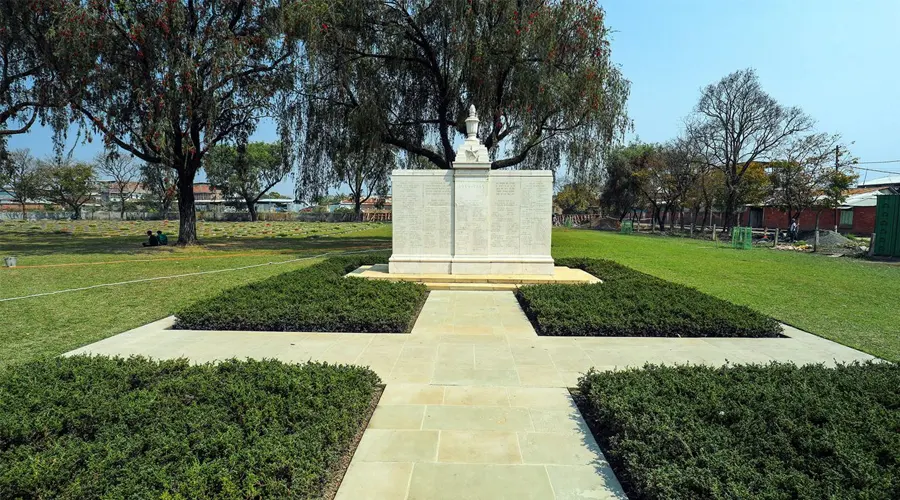
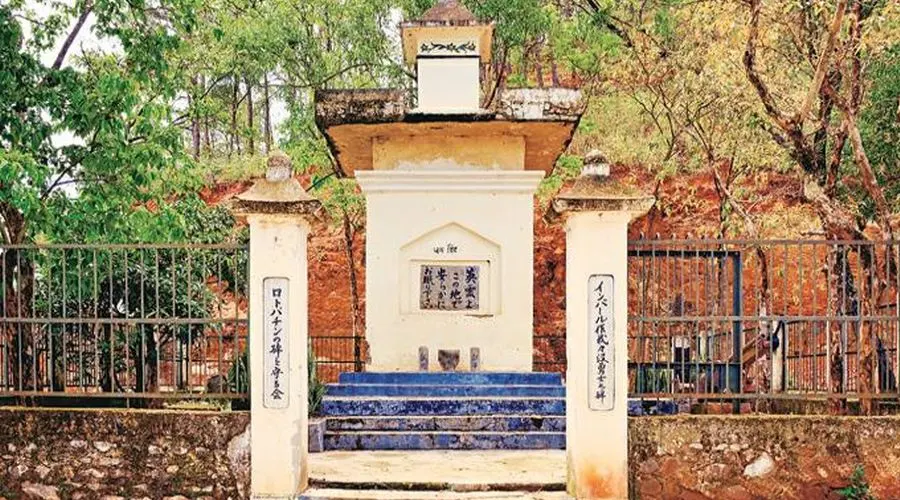
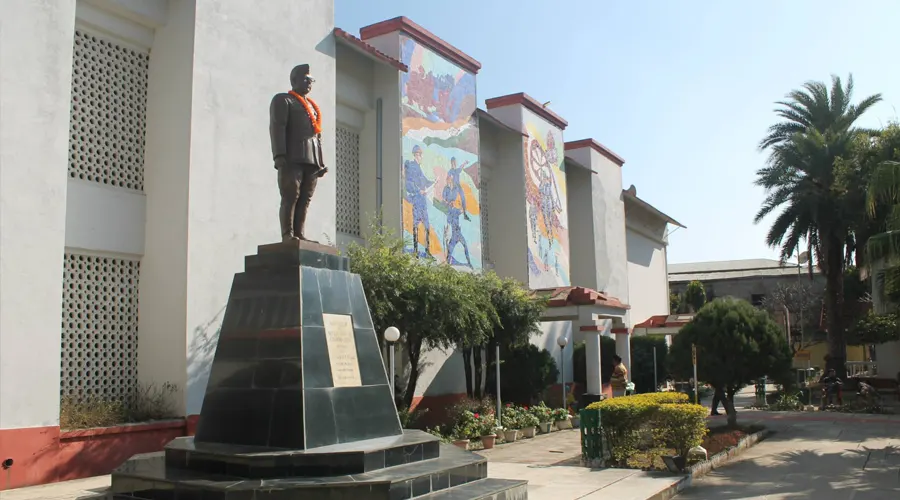
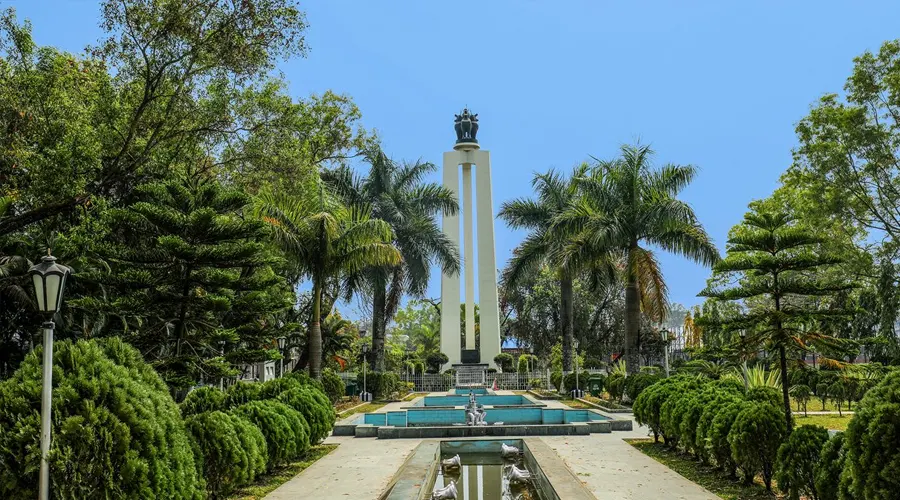
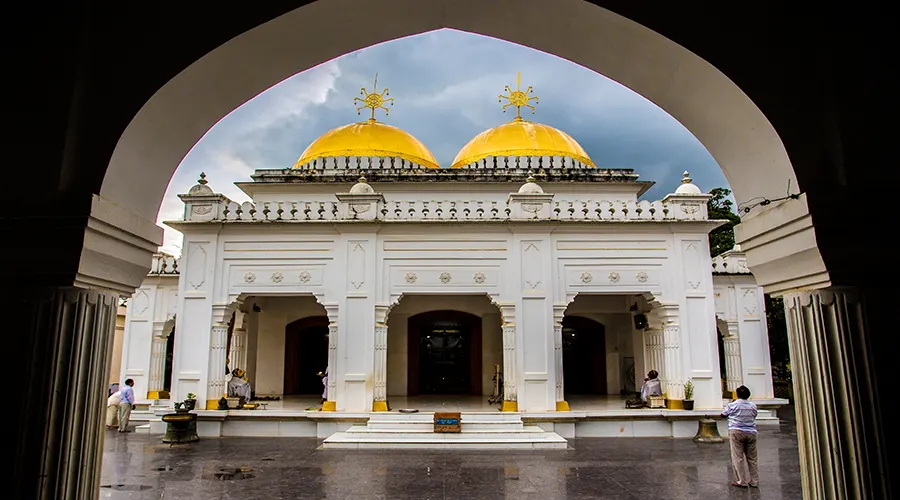
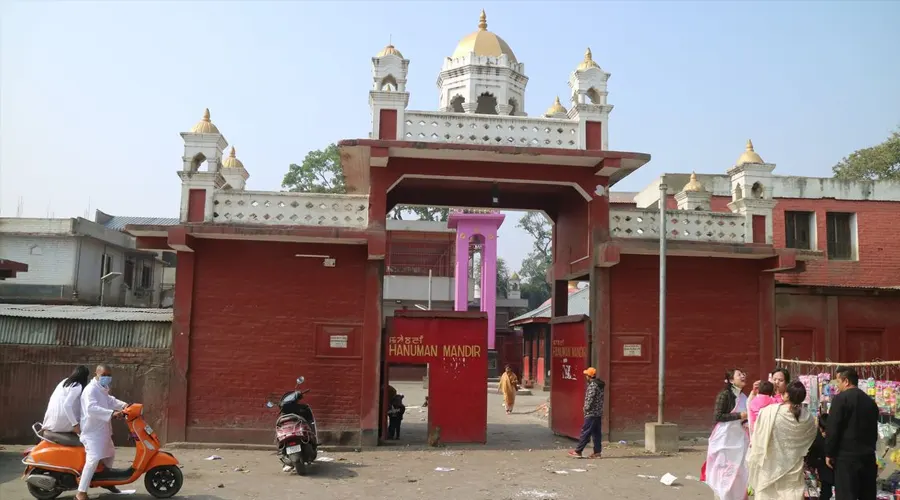
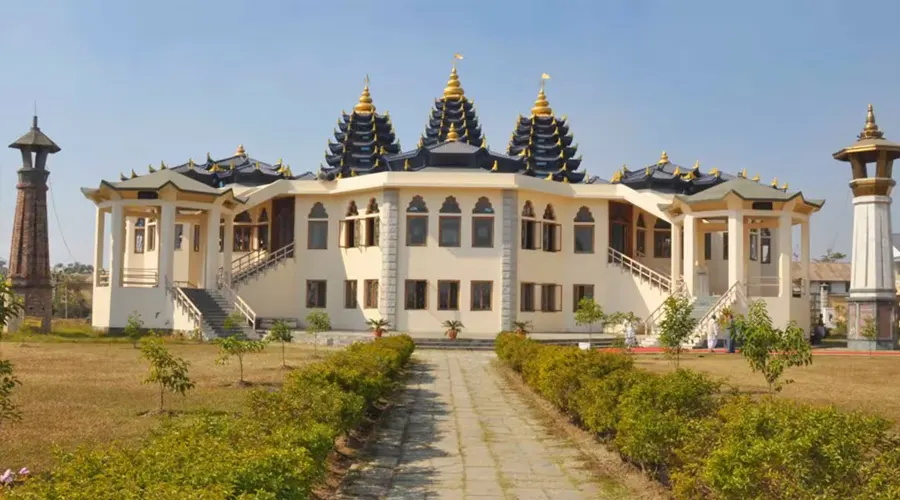
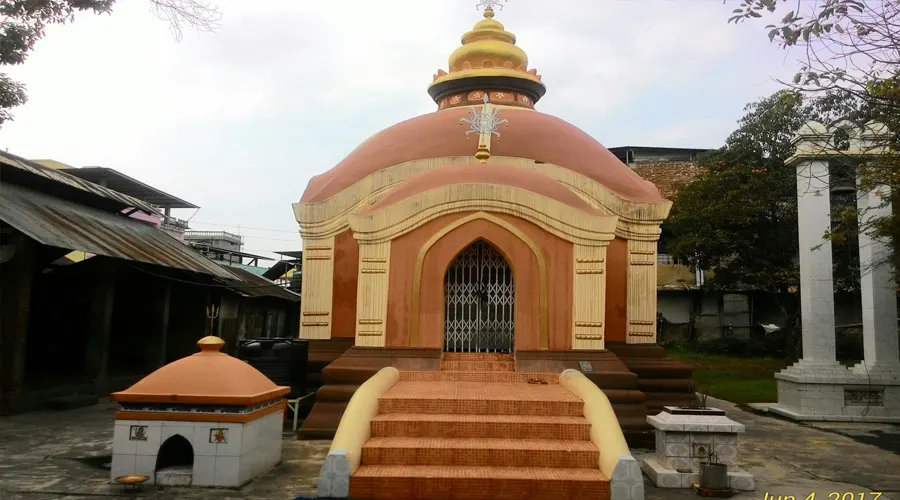
Imphal – The Capital City: Imphal is the cultural and historical heart of the state. Major attractions include Kangla Fort, Ima Keithel, Shree Govindajee Temple, and World War II memorials.
The city offers a perfect blend of history, spirituality, and modern urban life while retaining its traditional charm.
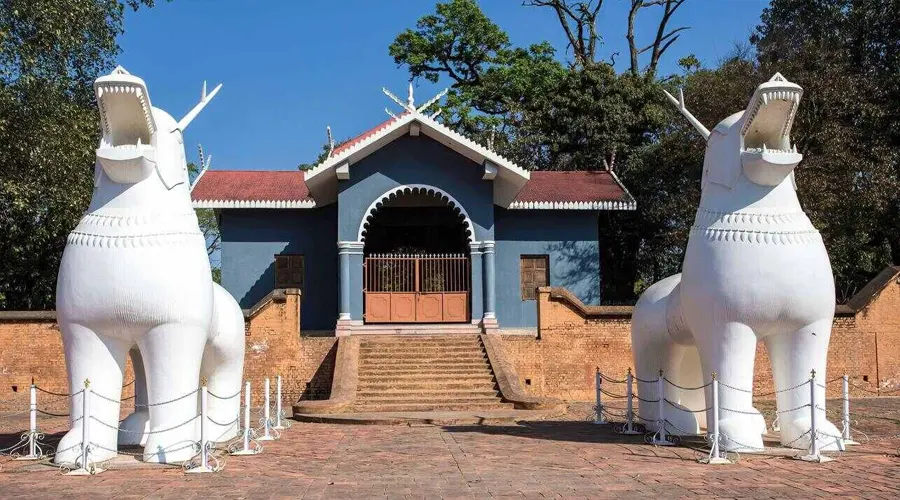
Kangla Fort: Kangla Fort served as the ancient seat of Manipuri kings and remains one of the state’s most important heritage sites. The fort complex contains temples, ancient structures, ceremonial gateways, and historical ruins that showcase Manipur’s royal legacy.
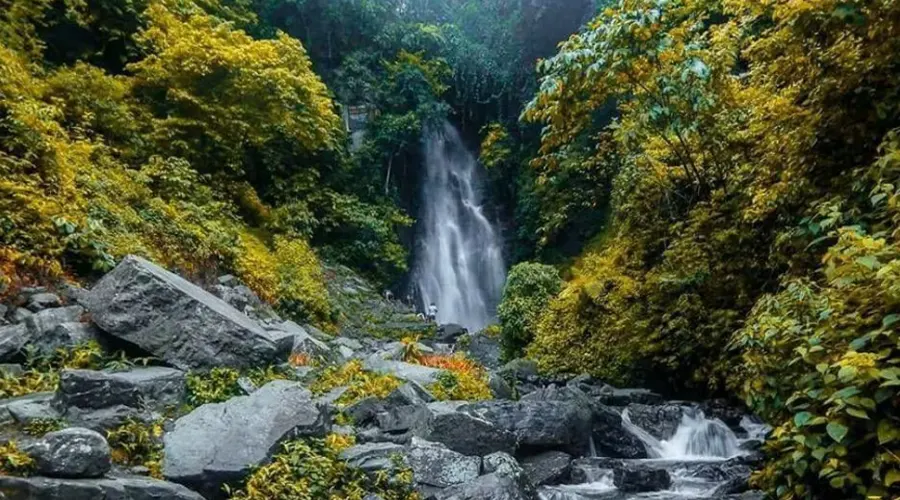
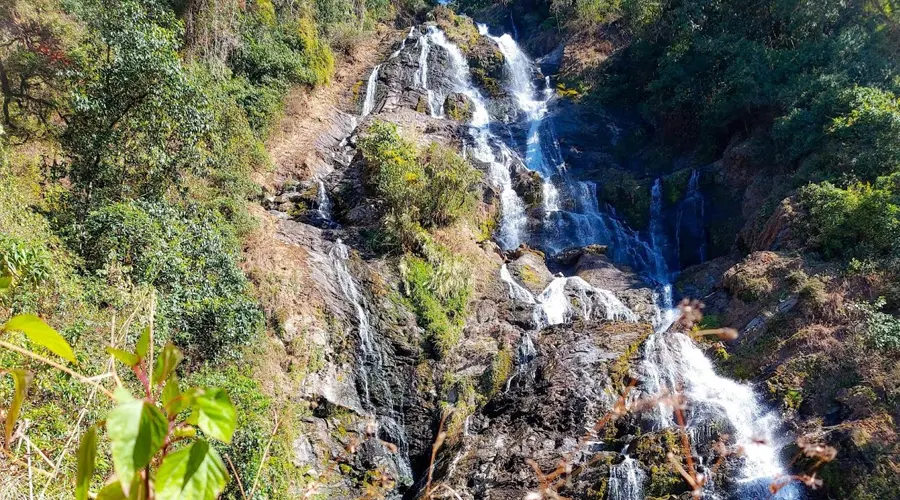
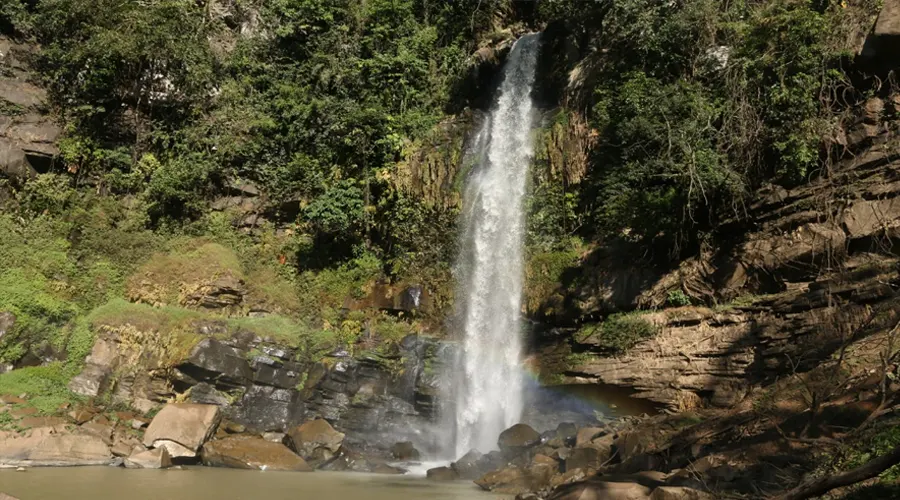
Ukhrul: Ukhrul is a scenic hill district famous for lush valleys, waterfalls, trekking routes, and the rare Shirui Lily flower found only in this region. Nature lovers and adventure seekers often visit Ukhrul for camping and eco-tourism experiences.
Moreh: Moreh is an important Indo-Myanmar border town known for trade, shopping, and cross-cultural influences. Visitors can experience a unique blend of Indian and Southeast Asian cultures.
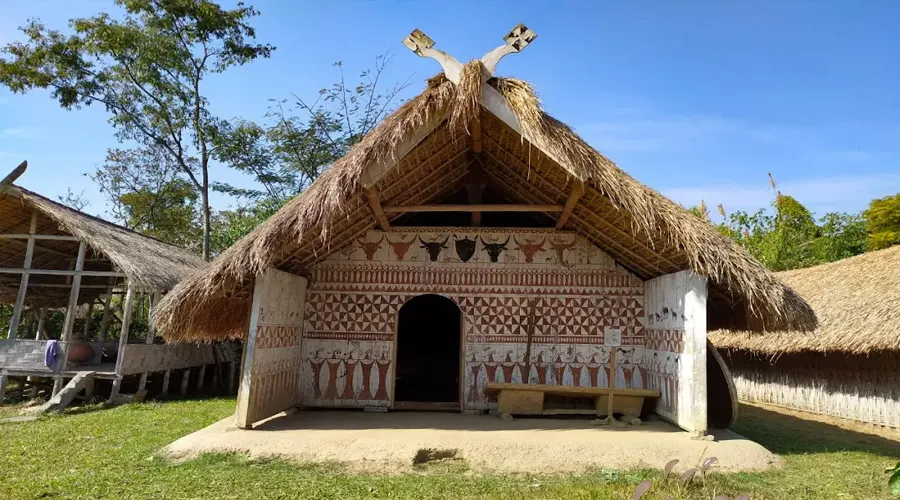
Andro Village: Andro Village is known for preserving traditional pottery-making techniques and indigenous customs. The village offers insight into ancient tribal lifestyles, folk traditions, and cultural heritage.
Famous Festivals of Manipur
- Yaoshang Festival: Yaoshang is Manipur’s version of Holi celebrated with dance, music, sports, and colorful cultural activities. The five-day festival attracts locals and tourists alike.
- Lai Haraoba: Lai Haraoba is one of the oldest traditional festivals of the Meitei community. The festival includes ritual dances, folk performances, and spiritual ceremonies celebrating creation myths and indigenous beliefs.
- Ningol Chakouba: Ningol Chakouba is a family-oriented festival where married daughters are invited to their parental homes for grand feasts and celebrations, symbolizing family bonding and respect for women.
- Kang Festival: Kang Festival is a chariot festival dedicated to Lord Jagannath and celebrated with colorful processions, devotional songs, and rituals.
Cuisine of Manipur – Traditional Flavors of Northeast India
Manipuri cuisine is simple, healthy, and flavorful. The food mainly uses fresh herbs, vegetables, bamboo shoots, fermented fish, and organic ingredients.
Famous Foods of Manipur
Eromba is a traditional Manipuri dish made with boiled vegetables, mashed potatoes, chilies, and fermented fish, offering a spicy, smoky, and earthy flavor popular across Manipur.
- Chamthong (Kangshoi): Chamthong, also called Kangshoi, is a healthy vegetable stew prepared with seasonal vegetables, herbs, and light spices, commonly enjoyed as a comforting traditional meal in Manipur.
- Singju: Singju is a flavorful Manipuri salad made with fresh vegetables, herbs, lotus stems, and local spices, known for its crunchy texture and spicy traditional taste.
- Morok Metpa: Morok Metpa is a spicy chutney prepared using green chilies, fermented fish, and local herbs, commonly served as a flavorful side dish in traditional Manipuri meals.
- Chakhao Kheer: Chakhao Kheer is a famous dessert prepared from black aromatic rice, milk, and dry fruits, known for its rich flavor, unique color, and traditional significance in Manipur.
Wildlife and Nature in Manipur
Keibul Lamjao National Park: Keibul Lamjao National Park is the world’s only floating national park, located on the famous Loktak Lake. The park is home to the endangered Sangai deer, known as the dancing deer of Manipur, along with rich wetlands, floating vegetation, migratory birds, and scenic natural landscapes.
Shirui Hills: Shirui Hills are famous for the rare Shirui Lily flower that blooms only in this region. Surrounded by misty mountains, forests, and picturesque valleys, the hills attract trekkers, photographers, and nature lovers seeking peaceful landscapes and adventurous trekking experiences in Manipur.
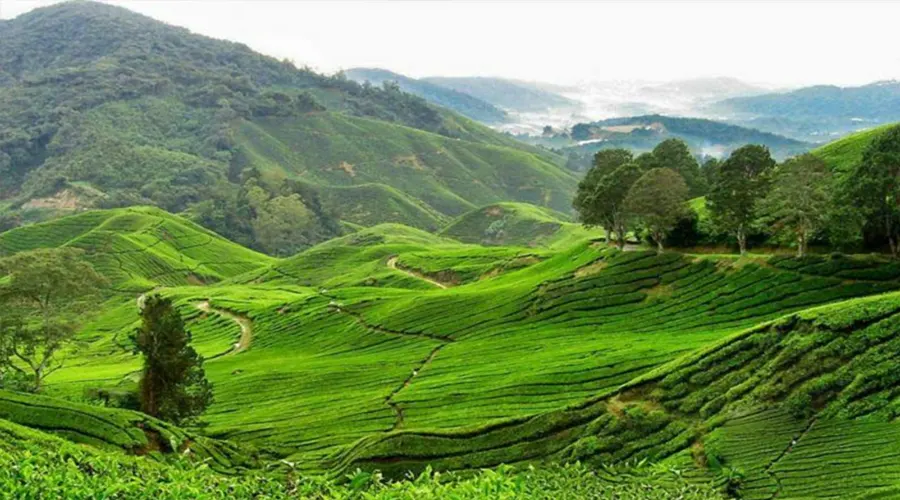
Dzuko Valley: Dzuko Valley is a breathtaking trekking destination known for rolling green hills, seasonal wildflowers, crystal-clear streams, and scenic valleys. Popular among adventure seekers and nature enthusiasts, the valley offers mesmerizing landscapes and peaceful camping experiences amidst the untouched beauty of Northeast India.
Adventure Tourism in Manipur
Adventure tourism is rapidly growing in Manipur due to its untouched landscapes and natural beauty.
Popular adventure activities include:
- Trekking in Ukhrul and Dzuko Valley
- Camping near Loktak Lake
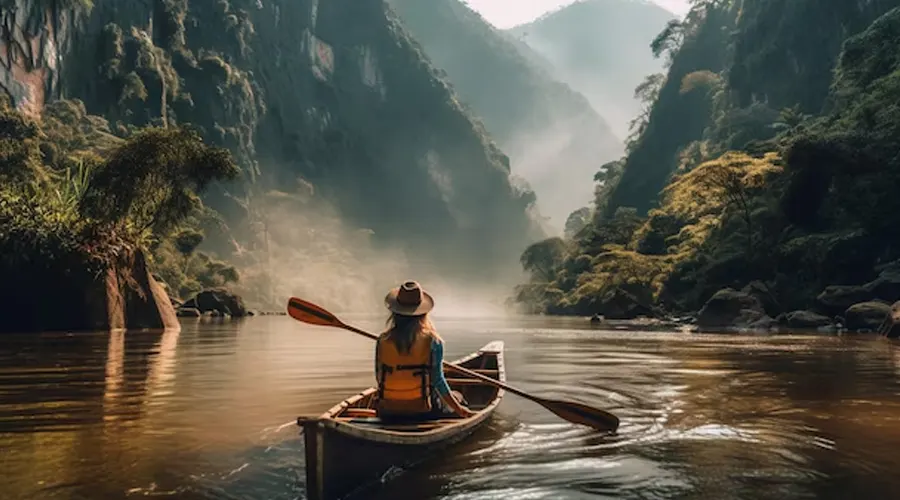
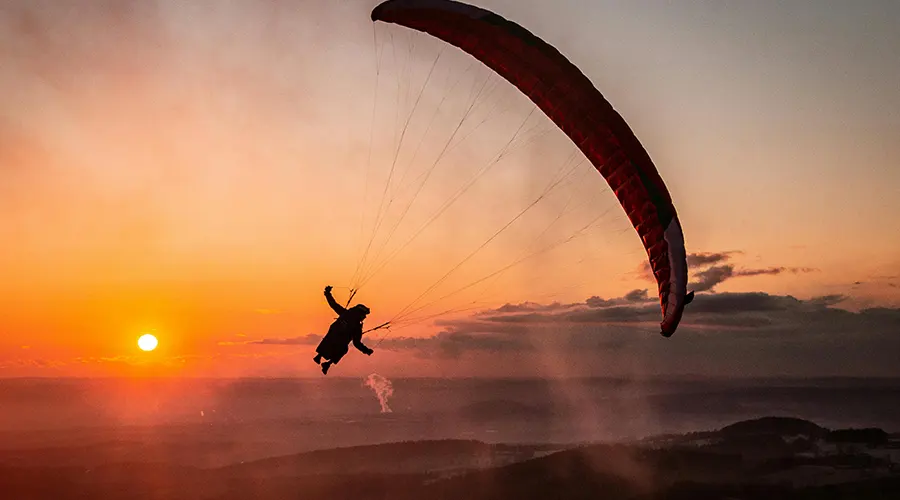
- Boating and kayaking
- Mountain biking
- Birdwatching and wildlife photography
- Nature trails and eco-tourism
The state’s peaceful environment and scenic hills make it an ideal destination for offbeat travel experiences.
Traditional Lifestyle and Costumes
Manipuri traditional attire reflects elegance and cultural identity. Women wear Phanek with colorful shawls called Innaphi, while men wear Pheijom and traditional jackets.
During festivals and weddings, people wear highly decorative costumes with embroidery, ornaments, and handcrafted accessories that showcase the artistic richness of the region.
Best Time to Visit Manipur
The best time to visit Manipur is between October and April when the weather remains cool and pleasant for sightseeing, festivals, trekking, and outdoor activities.
Summer (March–June)
Pleasant weather ideal for tourism and cultural exploration.
Monsoon (July–September)
Heavy rainfall enhances greenery but may affect road travel.
Winter (October–February)
Perfect season for festivals, sightseeing, and nature tourism.
How to Reach Manipur
By Air
Imphal International Airport connects the state with major Indian cities like Delhi, Kolkata, and Guwahati.
By Train
The nearest major railway stations are in Dimapur and Silchar, connected further by road transport.
By Road
National highways connect Manipur with Nagaland, Assam, and other Northeastern states through buses and taxis.
Travel Tips for Manipur
- Respect local traditions and tribal customs.
- Carry warm clothes for hill stations and winter travel.
- Try authentic Manipuri cuisine and local tea.
- Book accommodations early during festival seasons.
- Hire local guides for trekking and remote destinations.
- Keep identification documents while traveling near border areas.
Quick Facts About Manipur
Feature | Details |
Capital | Imphal |
Official Language | Meitei (Manipuri) |
Famous For | Loktak Lake, Ras Leela, Polo |
State Animal | Sangai Deer |
State Flower | Shirui Lily |
Major Tribes | Meitei, Naga, Kuki |
Best Time to Visit | October to April |
Popular Festival | Yaoshang |
Famous Market | Ima Keithel |
Climate | Subtropical |
Why Manipur Should Be on Your Travel Bucket List
Manipur offers a perfect blend of nature, spirituality, history, culture, adventure, and tribal heritage. From the floating beauty of Loktak Lake and the graceful Ras Leela dance to scenic valleys, ancient forts, and vibrant festivals, every destination in the state tells a fascinating story.
Whether you are seeking peaceful landscapes, cultural experiences, adventure tourism, or authentic Northeast Indian traditions, Manipur promises unforgettable travel memories for every traveler. Explore the timeless beauty and cultural richness of Manipur with Explore Our India.
Faq About Manipur
Ans: Manipur is famous for its scenic hills, lakes, rich tribal culture, classical dance, and handloom traditions. The state is known as the “Jewel of India” for its natural beauty and cultural richness. Major attractions include Imphal, Loktak Lake, Kangla Fort, and its vibrant indigenous traditions.
Ans: The best time to visit Manipur is from October to March when the weather is cool and pleasant for sightseeing. This season is ideal for exploring lakes, valleys, cultural sites, and wildlife areas. Monsoon brings heavy rainfall and lush greenery.
Ans: Manipur offers many beautiful tourist destinations. Some of the best places include:Imphal – Capital city with historical sitesLoktak Lake – Largest freshwater lake in Northeast IndiaKangla Fort – Ancient royal fortMoirang – Cultural and historical importanceUkhrul – Scenic hill districtKeibul Lamjao National Park – Floating national park
Ans: Loktak Lake is famous for being the largest freshwater lake in Northeast India and for its unique floating islands called “phumdis.” It is also home to the endangered Sangai deer, making it an important ecological and tourist destination.
Ans: Manipur is famous for its simple, healthy, and organic cuisine. Popular dishes include eromba, kangshoi, singju (salad), smoked fish, and rice-based meals. The food is generally less oily and uses fresh local herbs and vegetables.
Ans: Yes, Manipur is one of the best destinations for cultural tourism in Northeast India. It is known for classical dance forms like Ras Lila, traditional handloom weaving, tribal festivals, and indigenous customs that reflect deep cultural heritage.
Ans: Manipur is mainly connected through air and road. Bir Tikendrajit International Airport in Imphal connects the state with major Indian cities. Road travel from Assam is also common for tourists visiting Manipur.
Ans: Manipur is generally safe for tourists in most popular travel areas like Imphal, Loktak Lake, and surrounding districts. However, travelers should stay updated on local conditions, avoid restricted areas, and follow government travel advisories for a safe trip.
Ans: Manipur celebrates festivals like Yaoshang (Holi), Ningol Chakouba, Lai Haraoba, and Kang Festival. These festivals include traditional dance, sports, rituals, and community gatherings that reflect Manipuri culture and traditions.
Ans: A trip of 4 to 6 days is usually enough to explore Manipur comfortably. This allows travelers to visit Imphal, Loktak Lake, cultural sites, and nearby hill regions while experiencing the state’s peaceful environment and heritage.