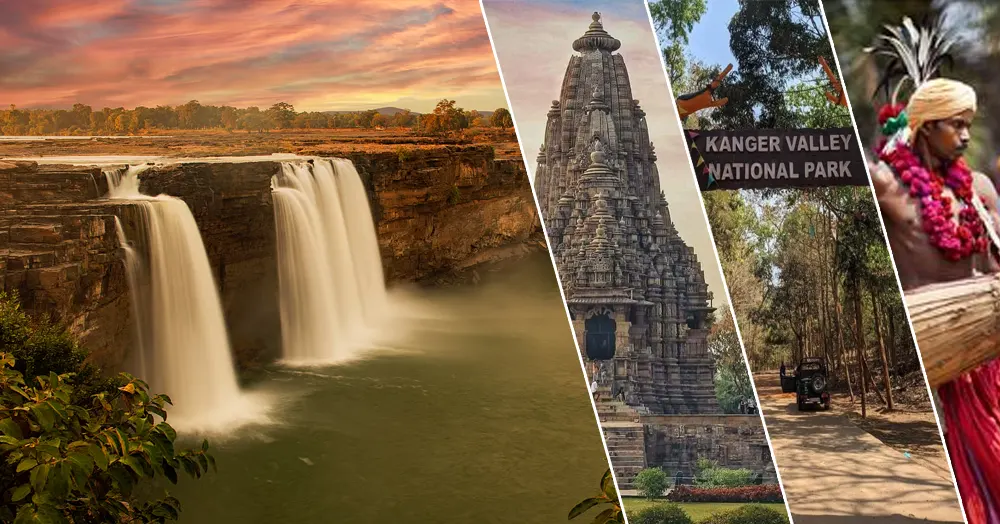
Chhattisgarh Tourism: India’s Hidden Gem of Culture, Nature, and Heritage
Chhattisgarh is a land blessed with natural abundance and deep cultural roots. Nearly half of its geographical area is covered in dense forests, making it one of the greenest states in India. These forests are not only rich in biodiversity but also play a vital role in maintaining the ecological balance of the region. Major rivers like the Mahanadi, Indravati, and Shivnath flow gracefully through the state, nourishing fertile valleys, lush landscapes, and powerful waterfalls that attract nature lovers from across the country.
What makes tourism in Chhattisgarh truly special is its authenticity and untouched charm. Unlike heavily commercialized destinations, the state offers raw, peaceful, and unspoiled natural beauty where visitors can experience nature in its purest form. There are no excessive crowds or overbuilt tourist zones, just calm forests, flowing rivers, and open landscapes that bring you closer to nature.
The region is also home to vibrant tribal communities who have preserved their traditions, customs, and lifestyle for centuries. Their festivals, art, music, and daily life offer travelers a rare opportunity to witness India’s living heritage. From forest villages and weekly markets to ancient rituals and folk performances, every experience feels deeply rooted in culture and tradition.
Key Highlights of Chhattisgarh Tourism
- Majestic waterfalls like Chitrakote and Tirathgarh
- Dense forests with rich biodiversity and wildlife
- National parks and wildlife sanctuaries
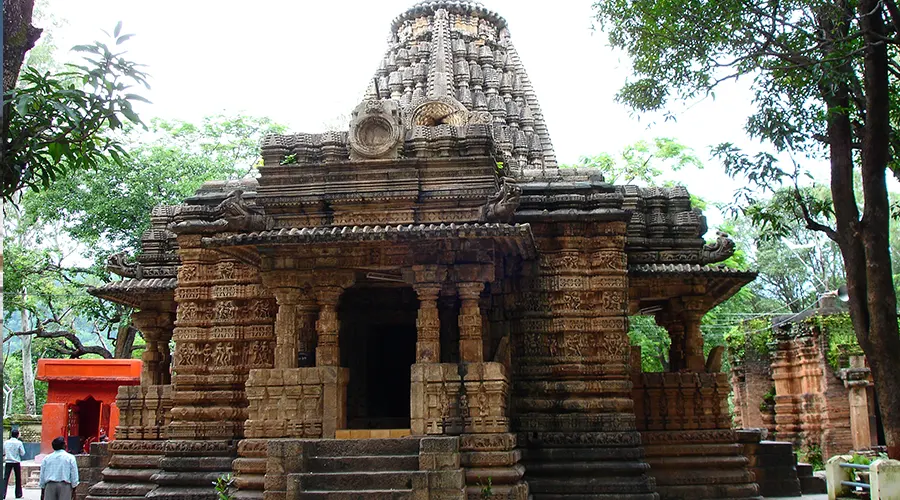
- Ancient temples, caves, and archaeological sites
- Vibrant tribal culture and weekly rural markets (haats)
- Traditional handicrafts, metal art, and folk traditions
History of Chhattisgarh: Ancient Roots to Modern Identity
The history of Chhattisgarh is deeply connected to ancient Indian civilization and mythology. It was once known as Dakshin Kosala, a region mentioned in epics like the Ramayana and Mahabharata.
Ancient Period
- Evidence of human settlements dating back to the Stone Age
- Part of the Maurya Empire under Emperor Ashoka
- Flourishing Buddhist culture in Sirpur
- Strong influence of Gupta and Satavahana dynasties
Sirpur, near Raipur, was once a major center of Buddhism and Hinduism, with excavations revealing monasteries, temples, and sculptures showing religious harmony.
Medieval Period
- Ruled by Kalachuris, Somvanshis, and Nagvanshis
- Development of forts like Ratanpur and regional capitals
- Growth of temple architecture and tribal settlements
- Expansion of trade routes across central India
Colonial Period
- Came under Maratha influence in the 18th century
- Later ruled by British under Central Provinces
- Forest and mineral resources heavily exploited
- Tribal uprisings emerged against colonial control
Modern Formation
- Chhattisgarh became a separate state on 1 November 2000
- Carved out from Madhya Pradesh
- Focus shifted to tribal welfare, tourism, and development
- Today, it is one of India’s fastest-growing eco-tourism states
Top Tourist Places in Chhattisgarh
1. Chitrakote Waterfalls – Niagara of India
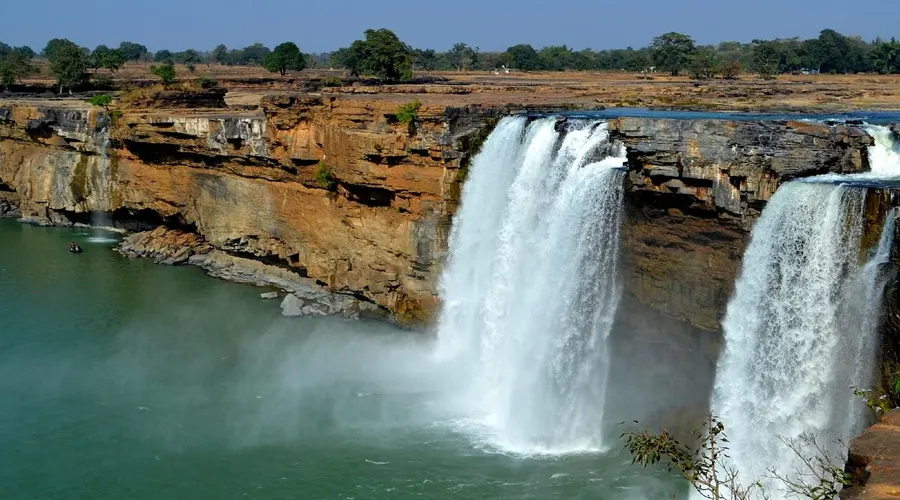
Chitrakote Falls is the widest waterfall in India, located in the Bastar region. During monsoon, the Indravati River transforms into a massive horseshoe-shaped cascade. The mist, sound, and rainbow formations make it one of India’s most dramatic natural sights.
Key Features:
- Widest waterfall in India
- Best visited during monsoon
- Stunning photography location
- Sacred tribal significance
2. Sirpur – Ancient Cultural Hub
Sirpur is an archaeological treasure showcasing Buddhist, Jain, and Hindu remains from the 6th–10th century. It was once a major learning and spiritual center.
Key Features:
- Buddhist monasteries and temples
- Ancient stone carvings
- Archaeological museum
- Peaceful historical ambiance
3. Bastar – Tribal Heartland
Bastar is the cultural soul of Chhattisgarh, known for its tribal communities, handicrafts, and vibrant festivals. It offers raw and authentic rural experiences.
Key Features:
- Weekly tribal haats (markets)
- Traditional handicrafts (Dhokra, Bell metal)
- Bastar Dussehra festival
- Eco-tourism and forest life
4. Achanakmar Wildlife Sanctuary
A part of the UNESCO Biosphere Reserve, Achanakmar is rich in biodiversity and ideal for nature lovers.
Key Features:
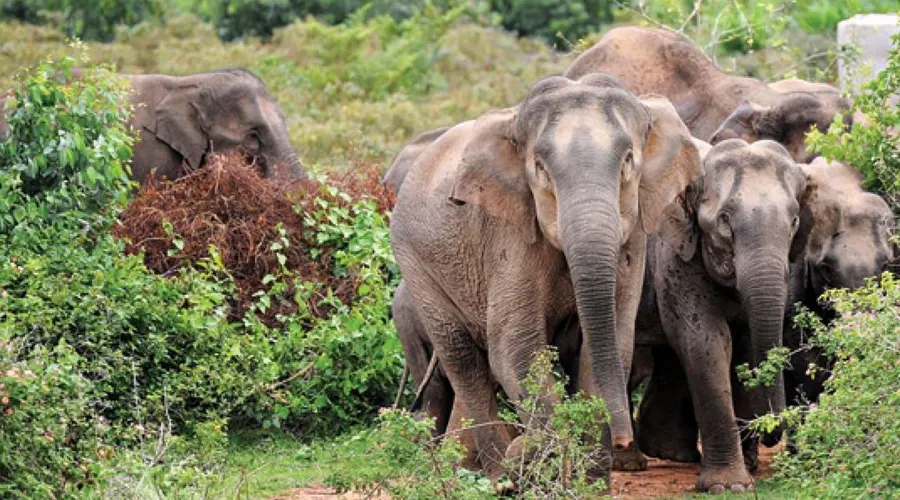
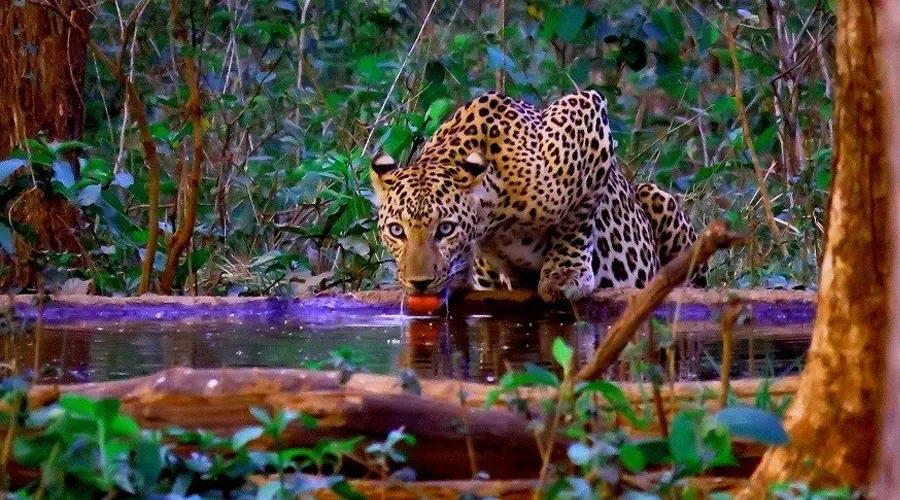
- Tigers, leopards, and elephants
- Dense sal forests
- Trekking trails
- Birdwatching opportunities
5. Tirathgarh Waterfalls
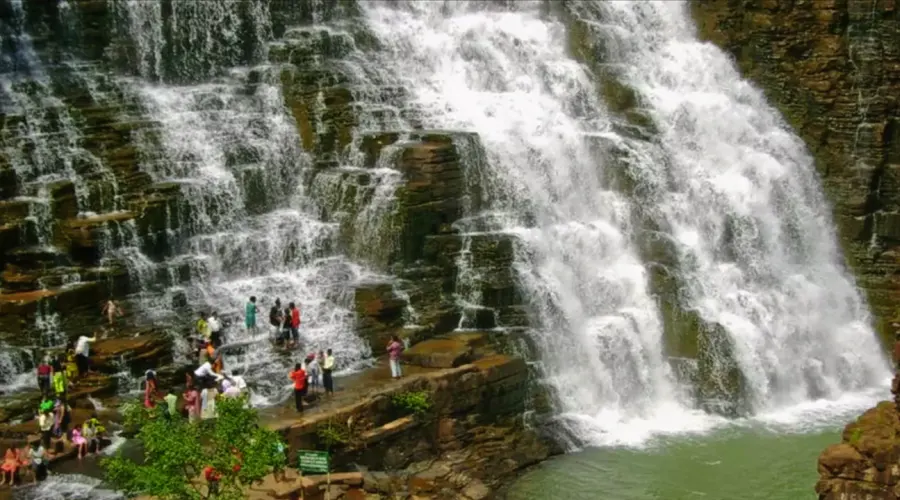
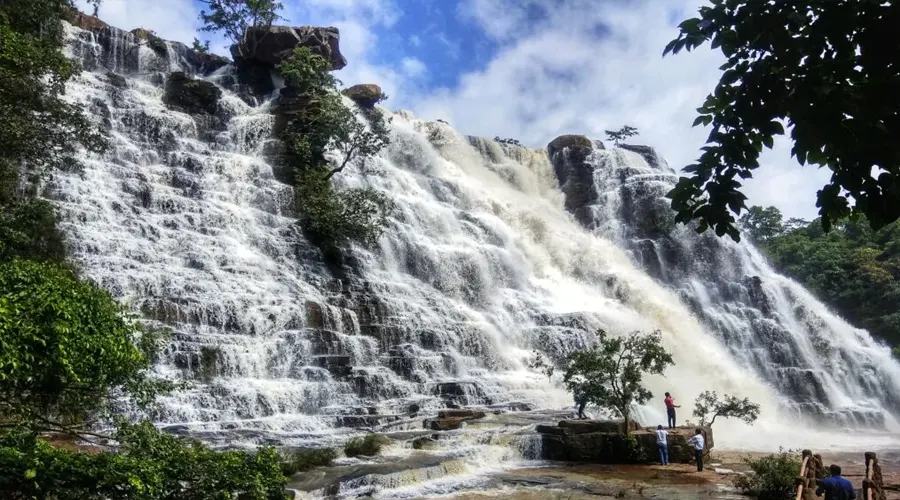
A multi-tiered waterfall located in Kanger Valley National Park, known for its crystal-clear water and lush surroundings.
Best Time to Visit Chhattisgarh
- October to March – Ideal for sightseeing and wildlife
- June to September – Best for waterfalls
- April to May – Hot but good for forest exploration
Tribal Culture of Chhattisgarh
Chhattisgarh is home to over 30 tribal communities including Gond, Muria, Baiga, and Maria tribes. Their lifestyle is closely connected with nature.
Lifestyle
- Mud houses decorated with tribal art
- Dependence on agriculture and forest produce
- Strong community bonding
Art & Craft
- Dhokra metal casting
- Terracotta art
- Bamboo crafts
- Handwoven textiles
Dance & Music
- Raut Nacha
- Gendi Dance
- Saila Dance
- Tribal music using drums and flutes
Weekly Markets (Haats)
- Forest produce
- Handmade jewelry
- Traditional food items
- Tribal crafts
Festivals of Chhattisgarh
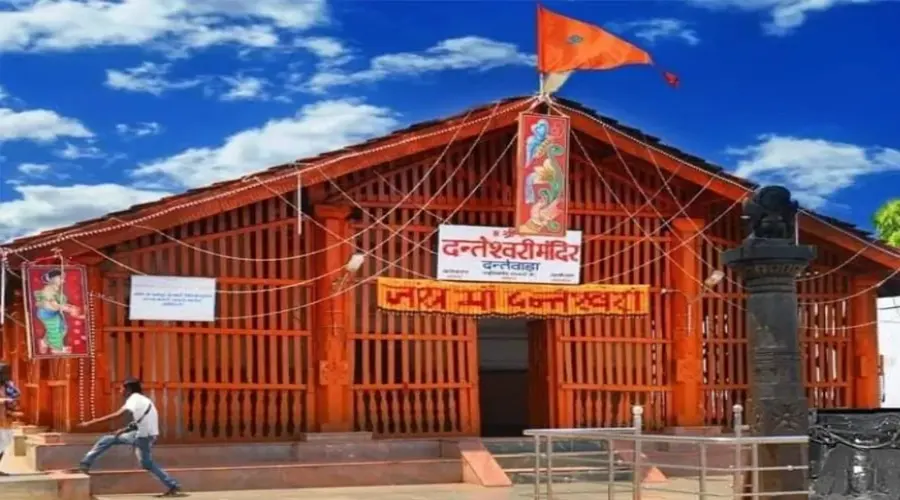
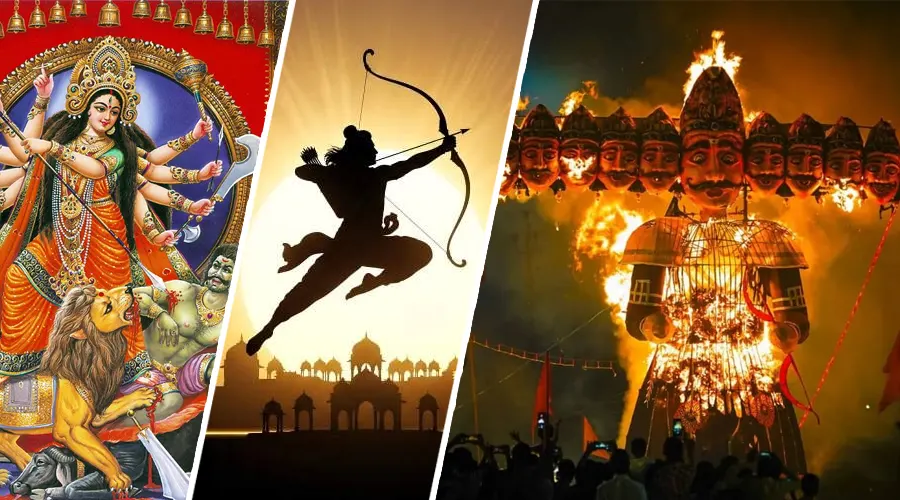
Bastar Dussehra - Bastar Dussehra is a unique 75-day tribal festival dedicated to Goddess Danteshwari. It includes rituals, processions, cultural performances, and traditional customs, making it one of India’s longest and most vibrant tribal celebrations.
Madai Festival - Madai Festival is a traveling tribal celebration held across villages in Chhattisgarh. It features folk dances, music, rituals, and community gatherings, showcasing the rich cultural traditions and unity of tribal communities.
Goncha Festival - Goncha Festival is celebrated with traditional rituals, local food preparation, and cultural performances. It reflects the deep connection of tribal communities with nature, agriculture, and seasonal changes in Chhattisgarh.
Karma Festival - Karma Festival is dedicated to nature worship and the harvest season. People perform traditional dances, sing folk songs, and pray for prosperity, marking it as an important cultural and spiritual celebration.
Chhattisgarh Cuisine: A Taste of Tradition
Chhattisgarh food is simple, organic, and deeply rooted in forest produce and agriculture.
Staple Foods
- Rice (main diet)
- Millets and pulses
- Seasonal vegetables
Popular Dishes
- Faraa (steamed rice dumplings)
- Chana Samosa
- Aamat (bamboo shoot curry)
- Bafauri (steamed snack)
- Dubki Kadhi
Traditional Sweets
- Dehrori
- Khurma
- Thethri
Local Drinks
- Mahua drink (tribal fermented beverage)
- Salfi toddy
Famous Waterfalls in Chhattisgarh
Chhattisgarh is home to some of the most breathtaking waterfalls in India, offering a perfect blend of natural beauty, adventure, and peaceful surroundings. Surrounded by dense forests and tribal landscapes, these waterfalls become especially powerful and scenic during the monsoon season. From massive cascades to serene picnic spots, each waterfall has its own unique charm and attraction for travelers.
Chitrakote Falls – Largest Waterfall: Chitrakote Falls, often called the “Niagara of India,” is the widest waterfall in the country. Located on the Indravati River in Bastar, it forms a massive horseshoe-shaped cascade that becomes extremely powerful during the monsoon. The misty spray, rainbow views, and roaring sound make it a must-visit natural wonder in Chhattisgarh.
Tirathgarh Falls – Multi-Layered Beauty: Tirathgarh Falls is a stunning tiered waterfall located in the Kanger Valley National Park. The water flows down in multiple layers, creating a mesmerizing white curtain effect. Surrounded by lush greenery and rocky terrain, it is perfect for photography, nature walks, and peaceful relaxation amidst untouched forest beauty.
Chitradhara Falls – Scenic Picnic Spot: Chitradhara Falls is a calm and scenic destination near Bastar, known for its peaceful environment and natural charm. Unlike other powerful waterfalls, this one offers a relaxed atmosphere, making it an ideal picnic spot for families and travelers who want to enjoy nature away from crowds.
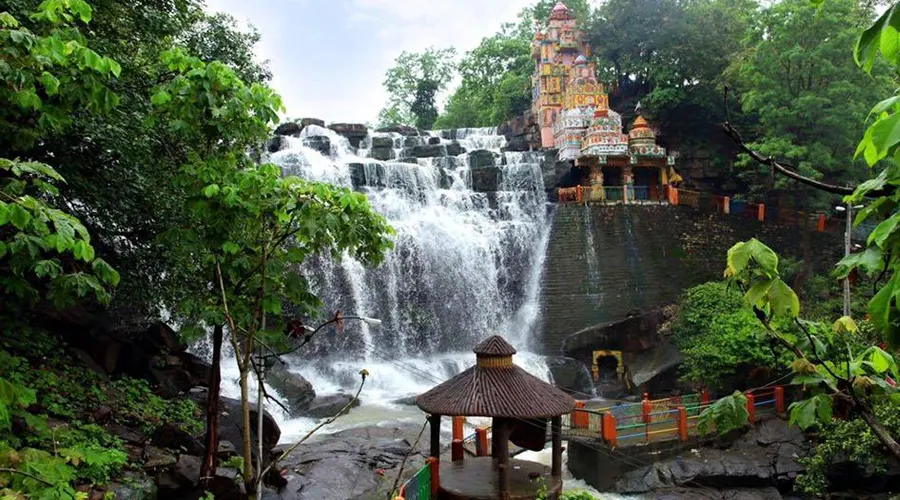
Amrit Dhara Falls – Sacred Waterfall: Amrit Dhara Falls is not only a natural attraction but also a spiritually significant site. Located near Koriya district, it is associated with local beliefs and rituals. The waterfall flows gracefully through green surroundings, offering visitors a peaceful and refreshing escape into nature.
Wildlife & National Parks of Chhattisgarh
Chhattisgarh is a paradise for wildlife lovers, offering dense forests, rich biodiversity, and thrilling safari experiences. From tiger reserves to unique cave ecosystems, the state protects some of India’s most untouched natural habitats. These parks are ideal for jungle safaris, birdwatching, trekking, and experiencing raw wilderness.
Achanakmar Wildlife Sanctuary
Achanakmar Wildlife Sanctuary is part of the UNESCO Biosphere Reserve and is known for its dense sal forests and rich wildlife diversity. It offers a peaceful environment for nature lovers and adventure seekers.
- Tigers, leopards, elephants
- Dense sal and bamboo forests
- Ideal for trekking and jungle safari
- Rich birdwatching opportunities
Barnawapara Wildlife Sanctuary
Barnawapara is one of the most accessible wildlife sanctuaries in Chhattisgarh, famous for its open forest landscapes and high chances of spotting animals in the wild.
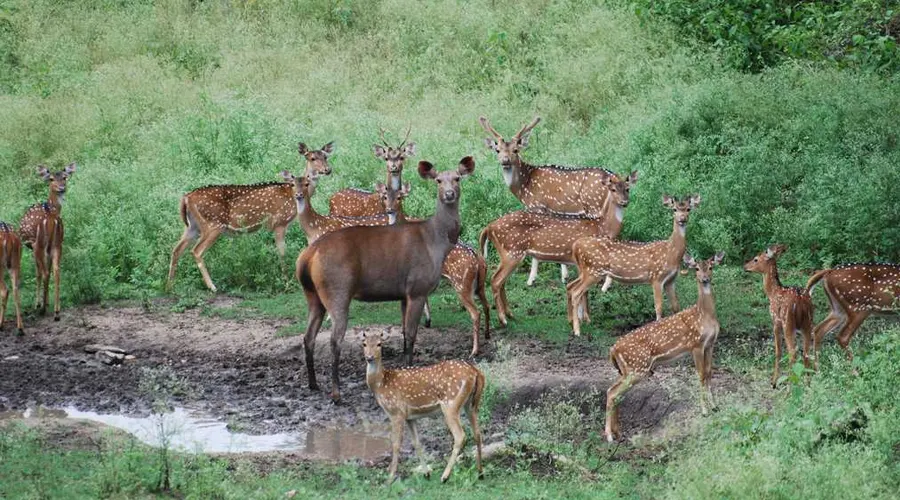
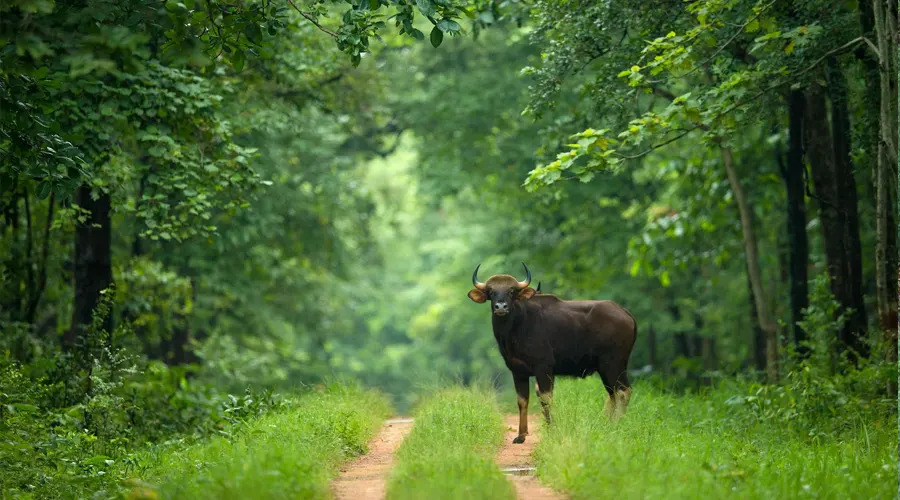
- Deer, wild boar, bison
- Leopards and sloth bears
- Easy safari routes
- Best for beginners and families
Indravati National Park
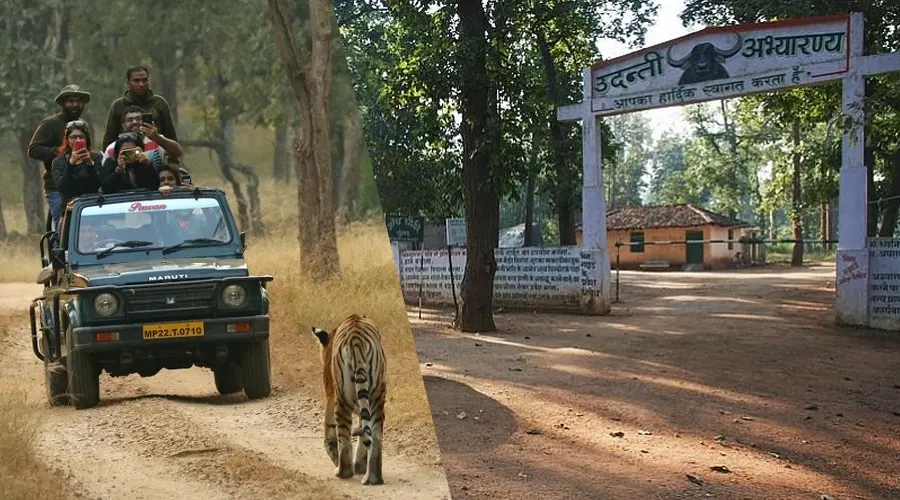
Located in Bastar, Indravati National Park is a remote and protected tiger reserve offering raw wilderness and untouched natural beauty.
- Rare wild buffalo (state animal)
- Tigers and leopards
- Deep forest ecosystem
- Less crowded, offbeat experience
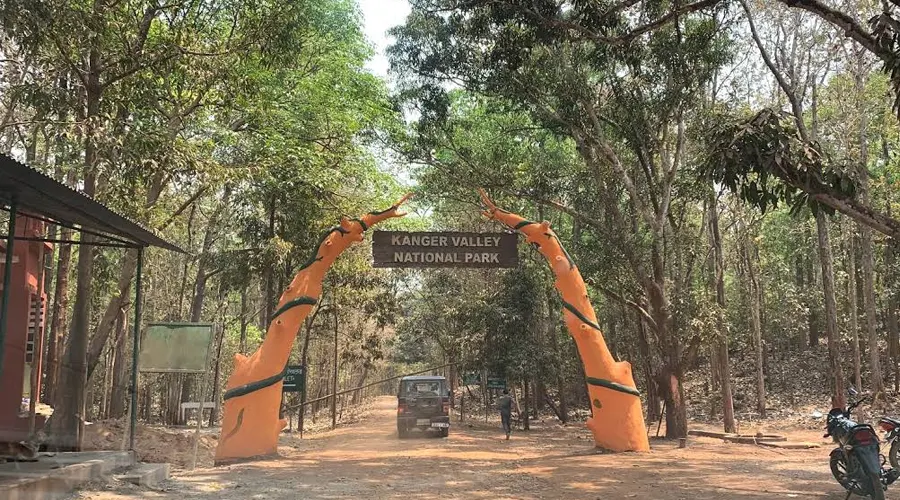
Kanger Valley National Park
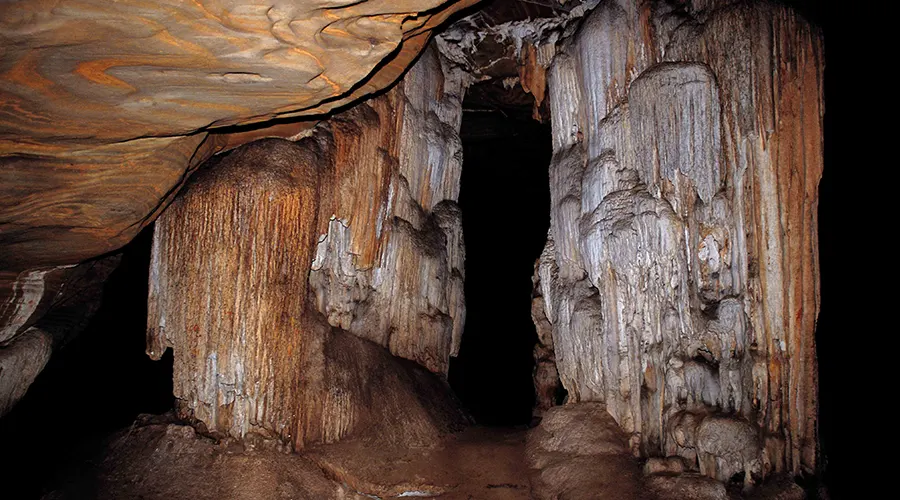
Kanger Valley is famous for its limestone caves, waterfalls, and rich biodiversity, making it one of the most scenic national parks in India.
- Kutumsar and Kailash caves
- Dense forest and waterfalls
- Rich tribal surroundings
- Unique underground formations
How to Reach Chhattisgarh
By Air
Swami Vivekananda Airport (Raipur) connects major Indian cities
By Train
Raipur, Bilaspur, and Durg are major railway hubs
By Road
Well-connected highways from Madhya Pradesh, Maharashtra, Odisha
Travel Tips for Chhattisgarh
- Carry light cotton clothes
- Respect tribal culture
- Hire local guides for forest visits
- Try local food and markets
- Visit waterfalls during monsoon for best views
Quick Facts About Chhattisgarh
| Category | Details |
|---|---|
| Location | Central India (Heart of India) |
| Capital City | Raipur |
| Largest City | Raipur |
| Formation | 1 November 2000 (from Madhya Pradesh) |
| Official Language | Hindi |
| Best Time to Visit | October to March |
| Famous For | Waterfalls, tribal culture, forests, wildlife, caves, heritage sites |
| Major Rivers | Mahanadi, Indravati, Shivnath |
| State Animal | Wild Buffalo |
| State Bird | Hill Myna |
| State Tree | Sal Tree |
| Major Airport | Swami Vivekananda Airport (Raipur) |
| Top Attractions | Chitrakote Falls, Sirpur, Bastar, Kanger Valley National Park, Achanakmar Biosphere Reserve |
| Popular Cuisine | Faraa, Aamat, Bafauri, Chana Samosa, Mahua drink |
Why Chhattisgarh Should Be on Your Travel Bucket List
Chhattisgarh is one of India’s most underrated yet breathtaking travel destinations, where dense forests, powerful waterfalls, ancient heritage sites, tribal culture, caves, and wildlife come together to create a truly immersive experience. Often called the “Heart of India,” this central Indian state is a paradise for travelers who love offbeat, raw, and less commercialized destinations.
Unlike crowded tourist places, Chhattisgarh offers untouched beauty and authentic cultural experiences. From the roaring Chitrakote Waterfalls (often called the “Niagara of India”) to the ancient Buddhist site of Sirpur, and from the deep forests of Bastar to the wildlife-rich Achanakmar Biosphere Reserve, every part of this state feels like a hidden world waiting to be explored.
Whether you are an adventure seeker, nature lover, cultural explorer, photographer, or spiritual traveler, Chhattisgarh offers a journey filled with discovery, peace, and unforgettable memories. Discover more incredible destinations with Explore Our India.
Faq About Chhattisgarh
Ans: Chhattisgarh is famous for its waterfalls, dense forests, tribal culture, ancient temples, and rich mineral resources. The state is known for attractions like Chitrakote Falls (often called the “Niagara of India”), Bastar region, and wildlife sanctuaries. It offers a raw and untouched natural travel experience.
Ans: The best time to visit Chhattisgarh is from October to March when the weather is pleasant for sightseeing and travel. This season is ideal for exploring waterfalls, forests, caves, and tribal regions. Summers can be hot and monsoon makes forests very lush.
Ans: Chhattisgarh has many natural and cultural attractions. Some of the best places include:Raipur – Capital city and gateway to the stateBhilai – Steel city of IndiaChitrakote Falls – Famous waterfall in BastarBarnawapara Wildlife Sanctuary – Rich biodiversity zoneKanger Ghati National Park – Caves and forest ecosystemBastar – Tribal heartland of the state
Ans: Chitrakote Falls is famous as the widest waterfall in India and is often called the “Niagara Falls of India.” It is especially beautiful during the monsoon season when the water flow is at its peak.
Ans: Chhattisgarh is famous for simple and traditional tribal cuisine. Popular dishes include chila, fara, muthiya, angakar roti, and bamboo shoot preparations. The food is healthy, locally sourced, and less spicy.
Ans: Yes, Chhattisgarh is excellent for nature tourism. It offers waterfalls, caves, forests, wildlife sanctuaries, and eco-tourism experiences. The Bastar region is especially famous for untouched natural beauty.
Ans: Chhattisgarh is well connected by air, rail, and road. Swami Vivekananda Airport in Raipur connects the state with major Indian cities. Railways and highways also provide strong connectivity.
Ans: Yes, Chhattisgarh is generally safe for tourists in major destinations like Raipur, Bilaspur, and Bastar tourist areas. Visitors should follow local guidelines and avoid restricted forest regions.
Ans: Chhattisgarh celebrates festivals like Bastar Dussehra, Madai Festival, Hareli, and Teeja. Bastar Dussehra is especially famous as one of the longest festival celebrations in the world, showcasing tribal culture.
Ans: A trip of 5 to 7 days is ideal for exploring Chhattisgarh. This allows travelers to visit Raipur, Bastar, waterfalls, caves, and wildlife areas comfortably while experiencing tribal culture and nature.