Assam Tourism: Gateway to Northeast India’s Rich Heritage and Natural Wonders
Have you ever imagined a place where rolling green tea gardens, misty blue hills, mighty rivers, ancient temples, and colorful tribal traditions all come together in one destination? That magical place is Assam, one of the most beautiful and culturally rich states in Northeast India.
Often called the “Land of Red Rivers and Blue Hills,” Assam is blessed with breathtaking natural beauty and deep spiritual heritage. The mighty Brahmaputra River flows through the heart of the state, while lush forests, wildlife sanctuaries, and endless tea estates create stunning landscapes that attract nature lovers from around the world.
From the sacred Kamakhya Temple in Guwahati to the wildlife of Kaziranga National Park and the peaceful cultural island of Majuli, Assam offers experiences that are both soulful and adventurous. Whether you are a nature enthusiast, spiritual traveler, wildlife explorer, or cultural lover, Assam promises a journey filled with beauty, tradition, and unforgettable memories.
History of Assam: From Ancient Kingdoms to Modern State
Ancient Assam
Assam’s history begins with the powerful Kamrupa Kingdom, which flourished between the 4th and 12th centuries. It was ruled by dynasties like the Varmans, who helped shape early Assamese culture and administration.
The region later became famous for its strong cultural identity and strategic importance in Northeast India.
Ahom Dynasty Era
One of the most important chapters in Assam’s history is the Ahom Dynasty, which ruled for nearly 600 years.
- They successfully resisted Mughal invasions
- Developed strong administration systems
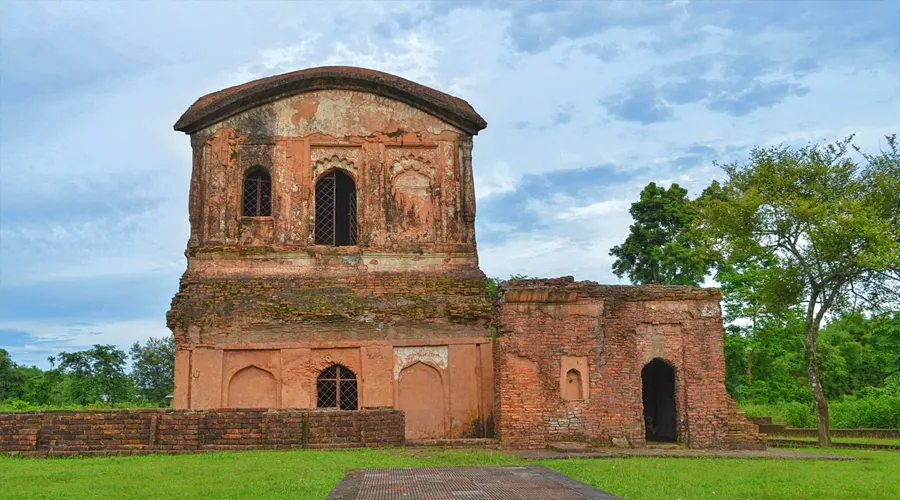
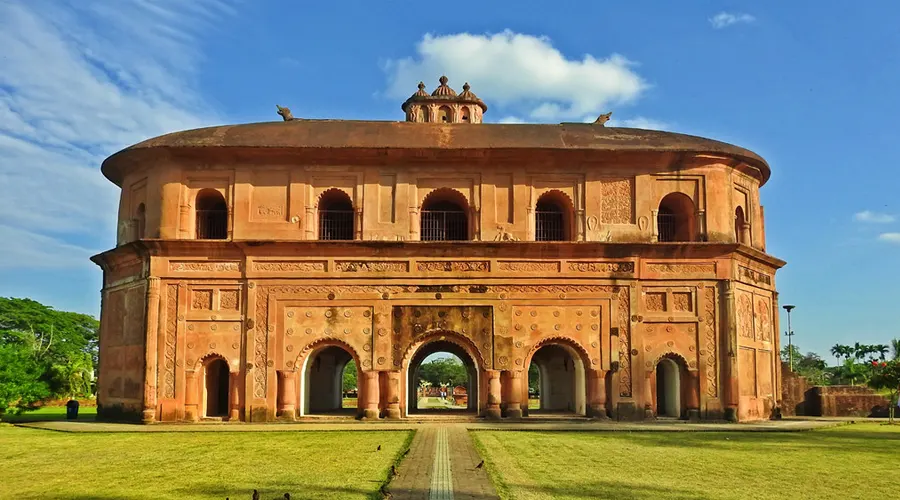
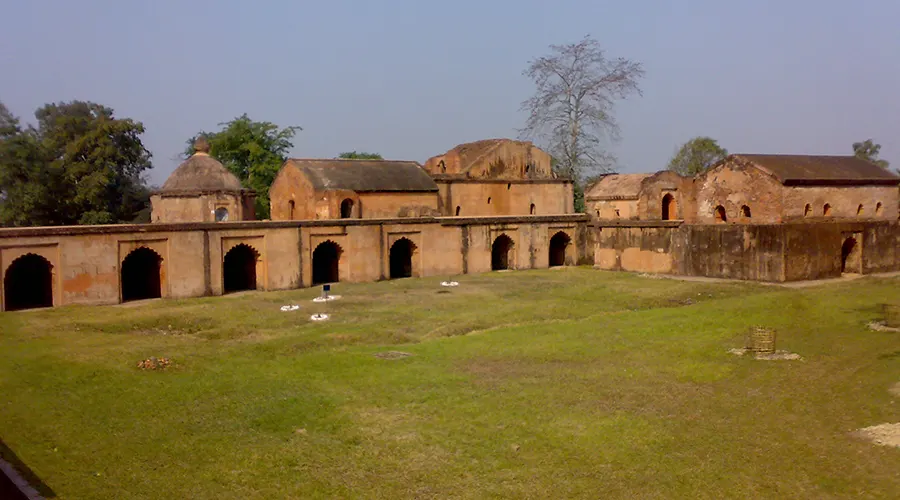
- Built architectural wonders like Rang Ghar and Kareng Ghar
- Preserved Assamese culture and identity
This era is considered the golden age of Assam.
Colonial Assam
In the 19th century, Assam came under British rule after the Anglo-Burmese war.
- Tea plantations were introduced
- Migrant labor was brought for tea gardens
- Economy shifted toward agriculture and trade
- Railways and roads were developed
Tea became the identity of Assam during this period.
Modern Assam
After independence in 1947, Assam became part of India. Today, it is known for:
- Tea production and exports
- Oil and natural gas resources
- Growing tourism industry
- Cultural revival and festivals
Top Tourist Places in Assam
Kamakhya Temple (Guwahati)
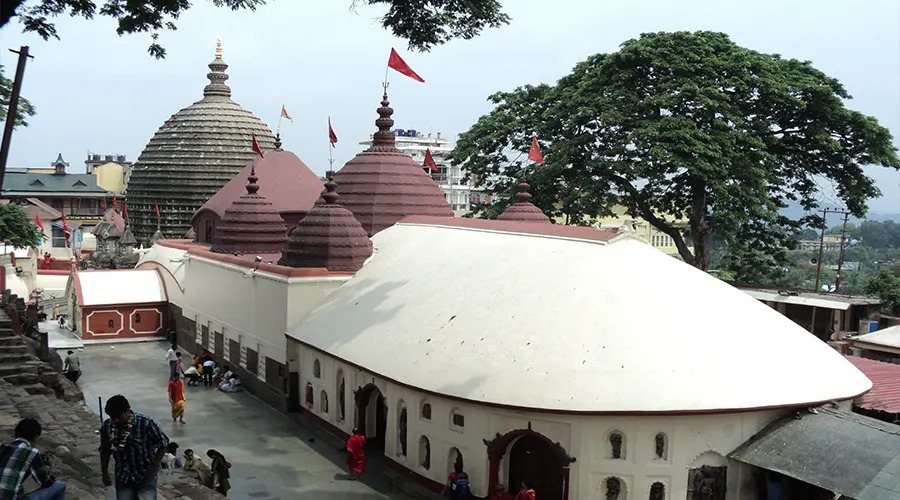
Kamakhya Temple is one of the most sacred Shakti Peethas in India, located atop the Nilachal Hills in Guwahati. Dedicated to Goddess Kamakhya, the temple is famous for tantric rituals, spiritual significance, and the grand Ambubachi Mela festival that attracts thousands of devotees and spiritual seekers every year.
Highlights:
• Tantric rituals and spirituality
• Ambubachi Mela festival
• Nilachal Hills view
• Sacred pilgrimage site
Sivasagar – Ahom Capital
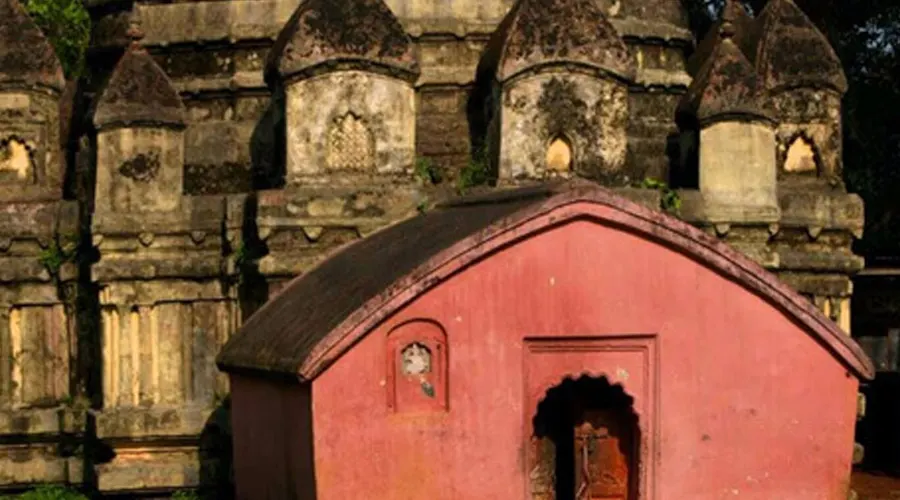
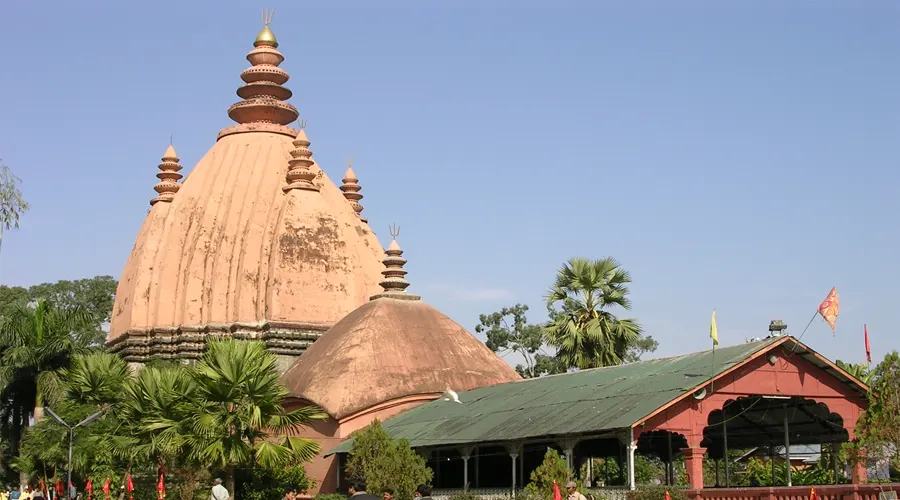
Sivasagar was once the glorious capital of the Ahom dynasty and is known for its remarkable historical monuments and royal architecture. The city beautifully reflects Assam’s rich heritage through ancient palaces, temples, amphitheaters, and water tanks built during the Ahom period.
Highlights:
• Rang Ghar amphitheatre
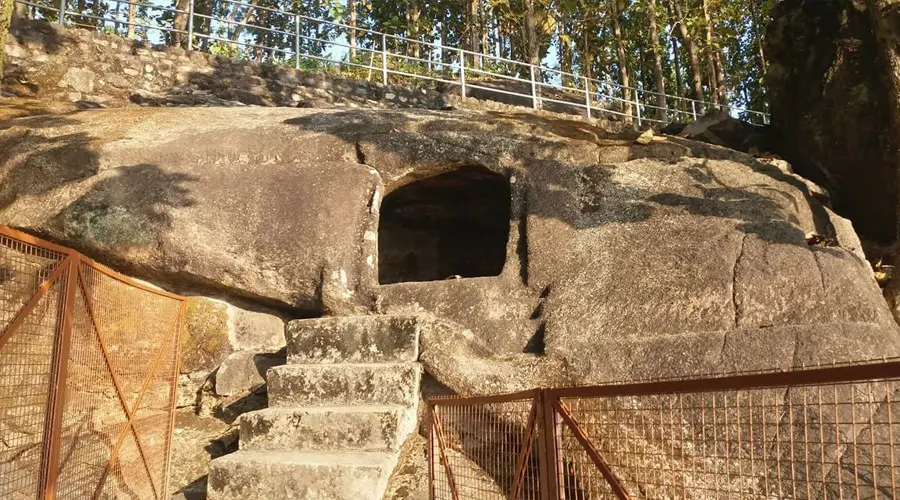
• Talatal Ghar palace
• Shiva Dol temple
• Ancient tanks and architecture
Majuli Island – World’s Largest River Island
Majuli Island, located in the Brahmaputra River, is the world’s largest river island and a cultural treasure of Assam. Famous for its Vaishnav monasteries, peaceful landscapes, traditional arts, and eco-tourism experiences, Majuli offers travelers a unique blend of spirituality, culture, and natural beauty.
Highlights:
• Satras (Vaishnav monasteries)
• Assamese cultural heritage
• Handicrafts and pottery
• Eco-tourism experience
Tezpur – Cultural Capital
Tezpur is a scenic and historic city often called the Cultural Capital of Assam. Surrounded by lush greenery and the Brahmaputra River, the city is known for its mythological stories, ancient ruins, temples, and peaceful atmosphere that attract history lovers and nature enthusiasts alike.
Highlights:
• Agnigarh Hill
• Bamuni Hills ruins
• Ancient temples
• Brahmaputra river views
Kaziranga National Park
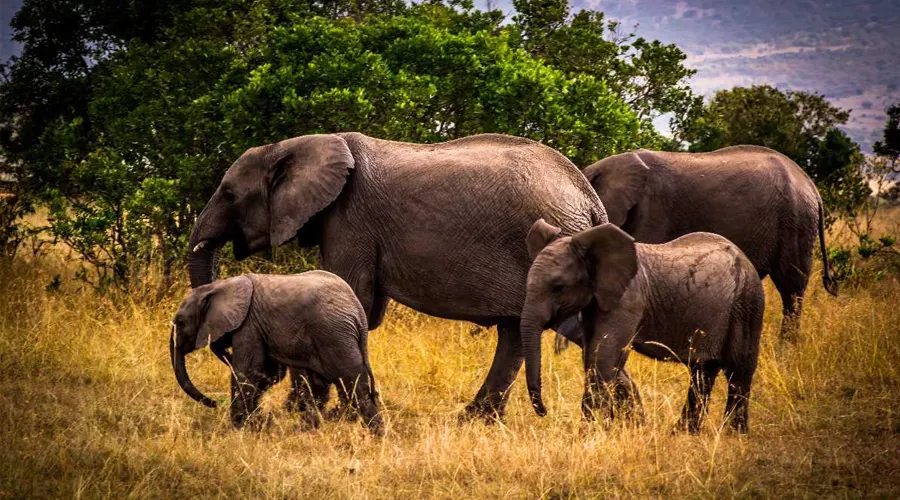
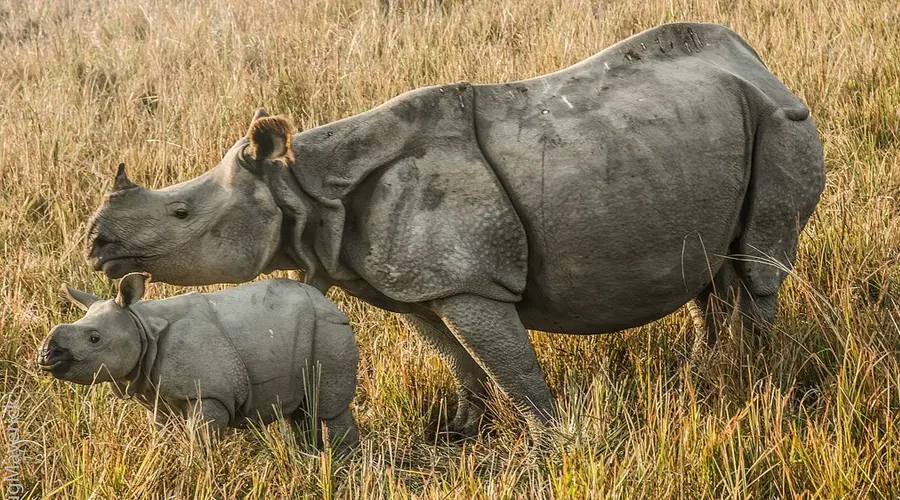
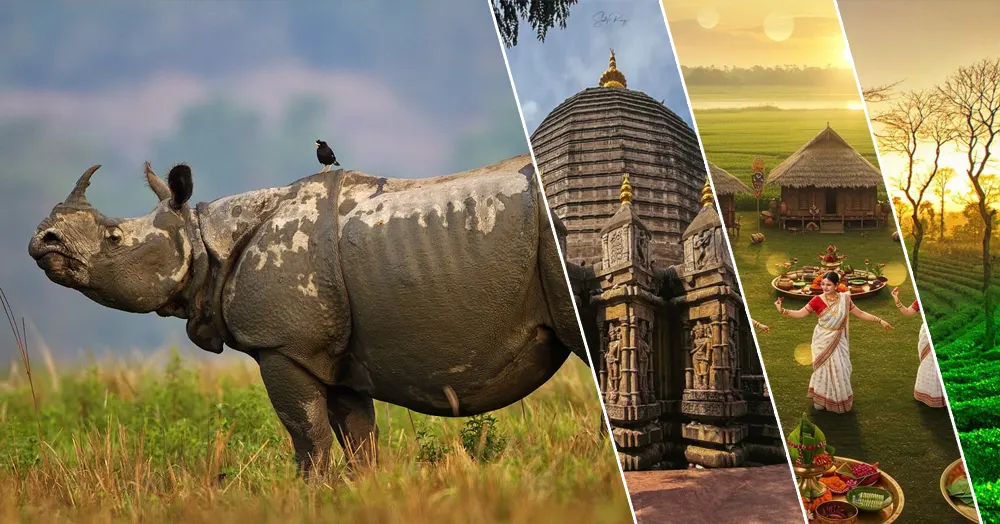
Kaziranga National Park is a UNESCO World Heritage Site and one of India’s most famous wildlife destinations. Known for the endangered one-horned rhinoceros, the park also shelters tigers, elephants, swamp deer, and hundreds of bird species within its rich grassland ecosystem.
Highlights:
• One-horned rhinoceros
• Elephant safaris
• Tiger reserve
• Rich biodiversity
Famous Temples & Spiritual Places
Kamakhya Temple: Kamakhya Temple is one of the most sacred pilgrimage sites in India, dedicated to Goddess Kamakhya. Located on Nilachal Hills in Guwahati, the temple is famous for its tantric rituals, spiritual atmosphere, and the grand Ambubachi Mela, attracting devotees and spiritual seekers from across the world.
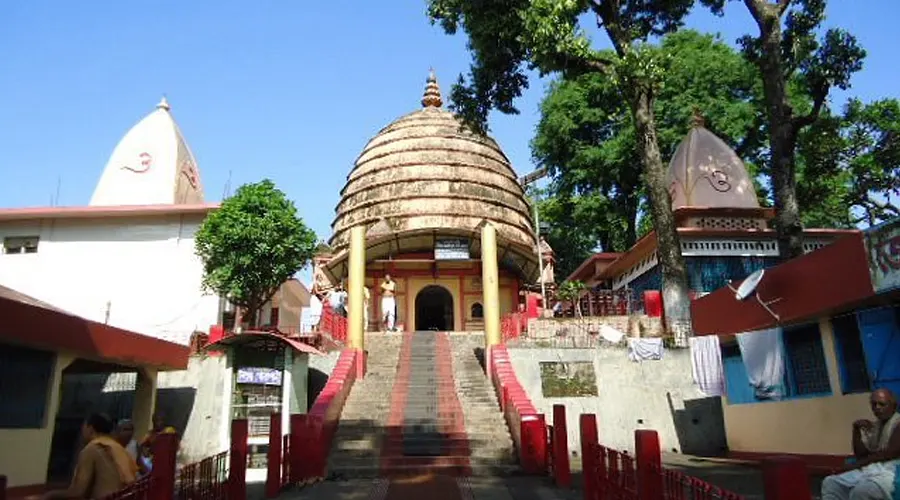
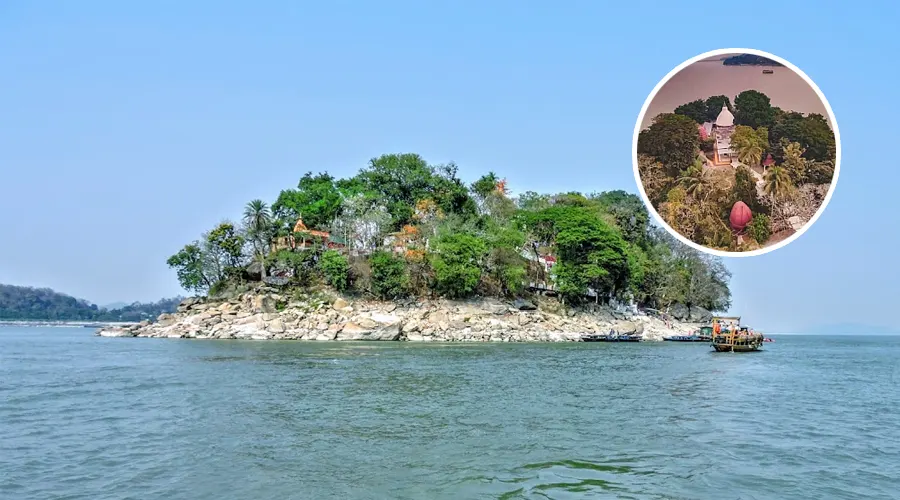
Umananda Temple: Umananda Temple is a peaceful Shiva temple located on Peacock Island in the middle of the Brahmaputra River. Surrounded by scenic river views and natural beauty, the temple offers a calm spiritual experience and is one of the most unique religious destinations in Assam.
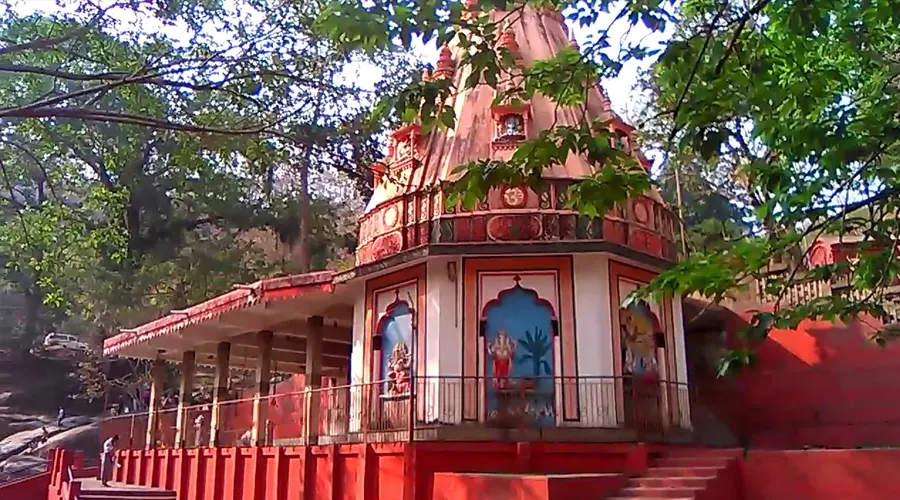
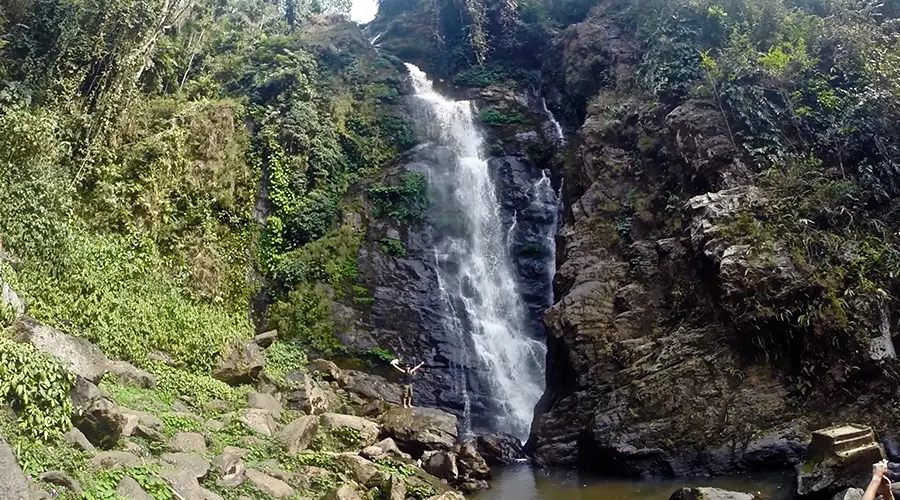
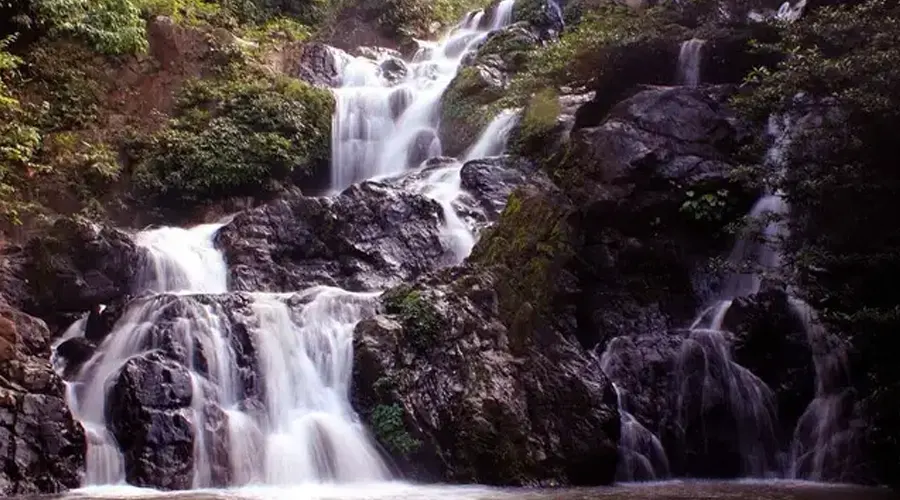
Basistha Ashram: Basistha Ashram is a serene spiritual retreat associated with Sage Basistha and is located on the outskirts of Guwahati. Surrounded by green hills, forests, and small waterfalls, the ashram provides a peaceful atmosphere ideal for meditation, spirituality, and relaxation in nature.
Nature, Hills & Wildlife in Assam – Explore the Green Paradise of Northeast India
Assam is a breathtaking destination filled with lush tea gardens, mighty rivers, dense forests, rolling hills, and rich wildlife. The state’s natural beauty makes it one of the best eco-tourism and wildlife destinations in India. From peaceful river islands to UNESCO-listed national parks, Assam offers unforgettable experiences for nature lovers and adventure seekers.
Tea Gardens of Assam – Endless Green Beauty
The tea gardens of Assam are among the most famous in the world and form the heart of the state’s identity. Spread across the Brahmaputra Valley, these endless green plantations create stunning landscapes filled with fresh mountain air and scenic beauty. Assam tea is globally known for its strong flavor, rich aroma, and deep color.
Highlights:
• Endless green landscapes
• Famous Assam tea production
• Beautiful sunrise and sunset views
• Tea estate stays and tea-tasting tours
Tea tourism is becoming increasingly popular in Assam, where travelers can stay inside heritage tea bungalows and experience the tea-making process firsthand.
Wildlife Sanctuaries in Assam – Home of Rare Wildlife
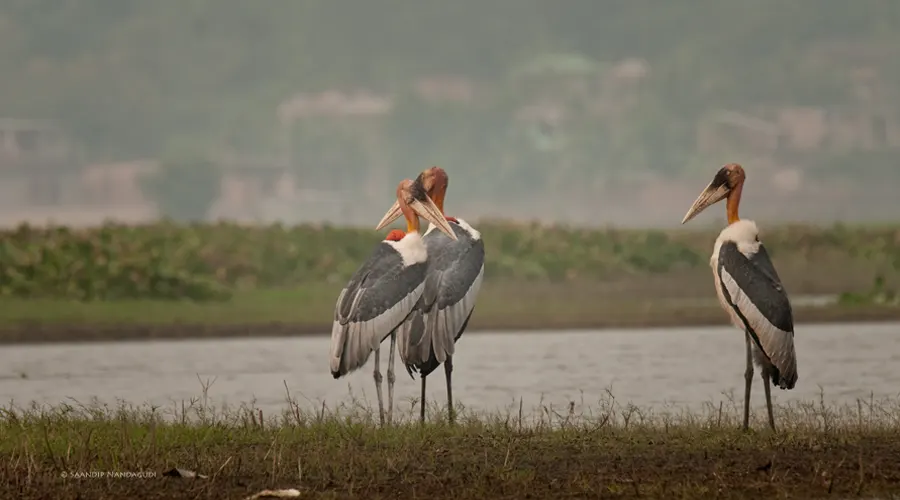
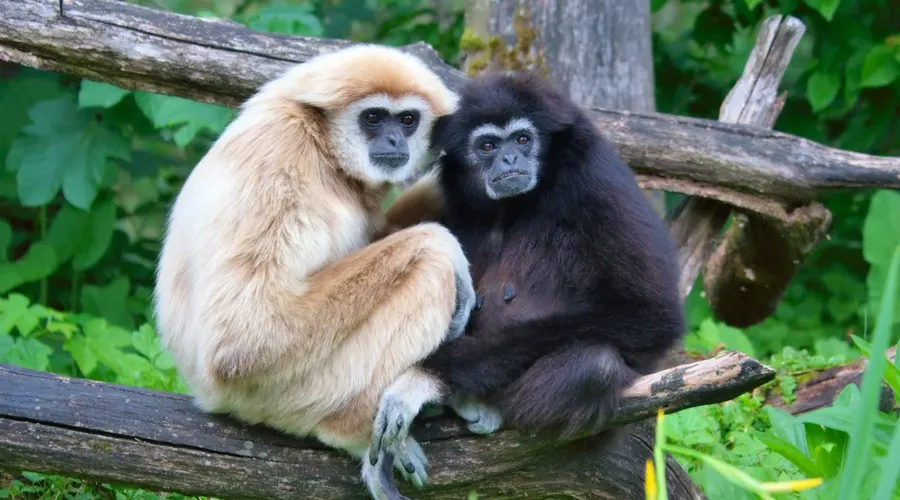
Assam is one of India’s richest wildlife regions, famous for its protected forests, rare animals, and biodiversity. The state is home to several renowned national parks and wildlife sanctuaries that attract wildlife photographers and nature enthusiasts from around the world.
Famous Wildlife Destinations:
Kaziranga National Park
Kaziranga National Park is one of India’s most famous wildlife destinations and a UNESCO World Heritage Site. Located in Assam, it is best known for protecting the endangered one-horned rhinoceros. The park also shelters tigers, elephants, wild buffaloes, and hundreds of bird species, making it a paradise for wildlife enthusiasts and photographers.
Manas National Park
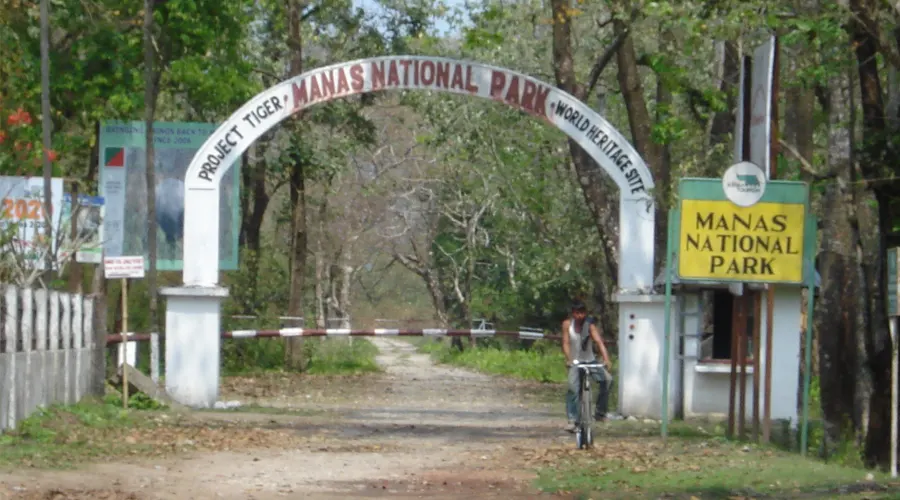
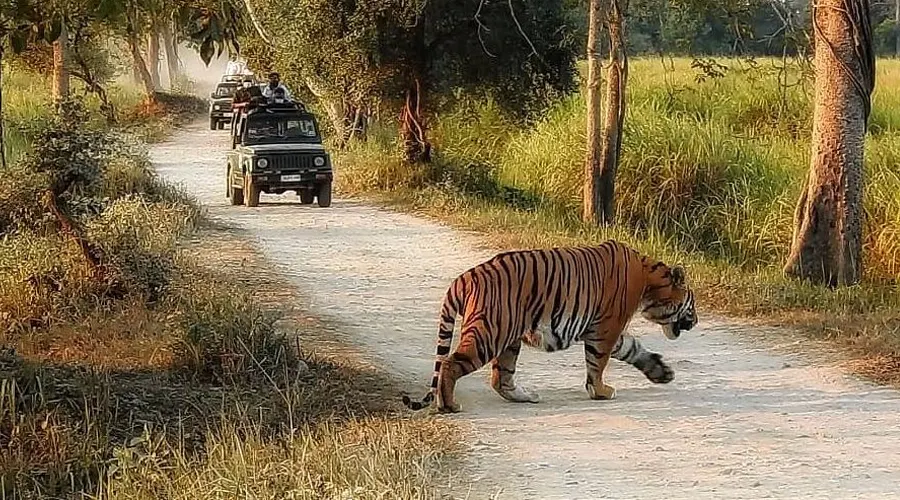
Manas National Park is a UNESCO World Heritage Site located in the foothills of the Himalayas. Famous for its dense forests, grasslands, and rich biodiversity, the park is home to tigers, elephants, golden langurs, and rare bird species. It is one of the most scenic and ecologically important wildlife reserves in India.
Pobitora Wildlife Sanctuary
Pobitora Wildlife Sanctuary is known for having one of the highest densities of one-horned rhinoceroses in India. Located near Guwahati, this small yet rich sanctuary offers excellent jeep safari experiences, birdwatching opportunities, and peaceful wetland landscapes, making it a perfect destination for wildlife lovers and nature photographers.
Kaziranga National Park is globally famous for the endangered one-horned rhinoceros, while Manas National Park is a UNESCO World Heritage Site known for tigers, elephants, and rare bird species. Pobitora Wildlife Sanctuary offers one of the highest densities of rhinoceroses in India.
Brahmaputra River – Lifeline of Assam
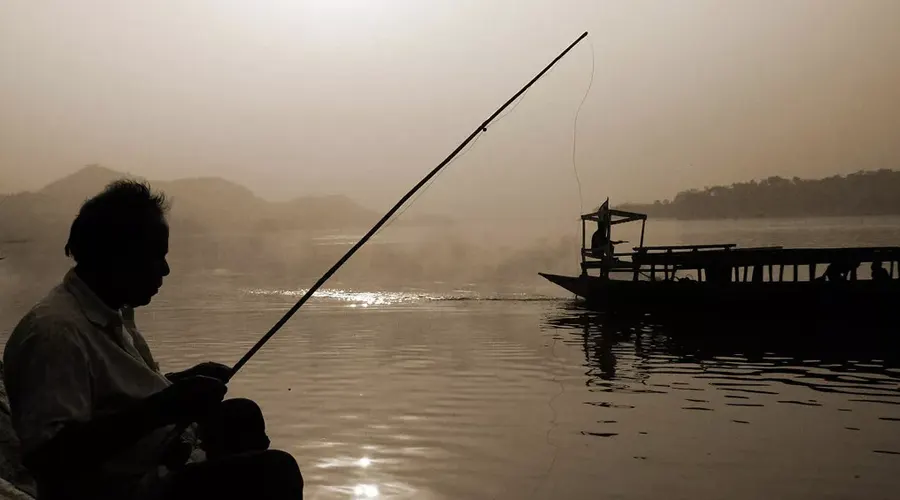
The mighty Brahmaputra River is one of the largest rivers in Asia and the soul of Assam. Flowing through the heart of the state, it shapes Assam’s culture, economy, landscapes, and traditions. The river offers mesmerizing sunset views, river cruises, and scenic islands that create unforgettable travel experiences.
Highlights:
• One of Asia’s largest rivers
• River cruises and sunset views
• Majuli – world’s largest river island
• Cultural and spiritual significance
Cruising on the Brahmaputra during sunset is one of the most peaceful and beautiful experiences in Assam, especially near Guwahati and Majuli Island.
Culture & Traditions of Assam
Assam has a deeply rooted cultural identity influenced by tribal, Hindu, and Buddhist traditions.
Traditional Dress
- Women wear Mekhela Chador
- Men wear dhoti and gamosa
- Muga silk is highly famous
Music & Dance
- Bihu dance (most popular)
- Sattriya classical dance
- Folk music by Bhupen Hazarika
Gamosa Culture
A symbol of respect and tradition, used in festivals and ceremonies.
Festivals of Assam
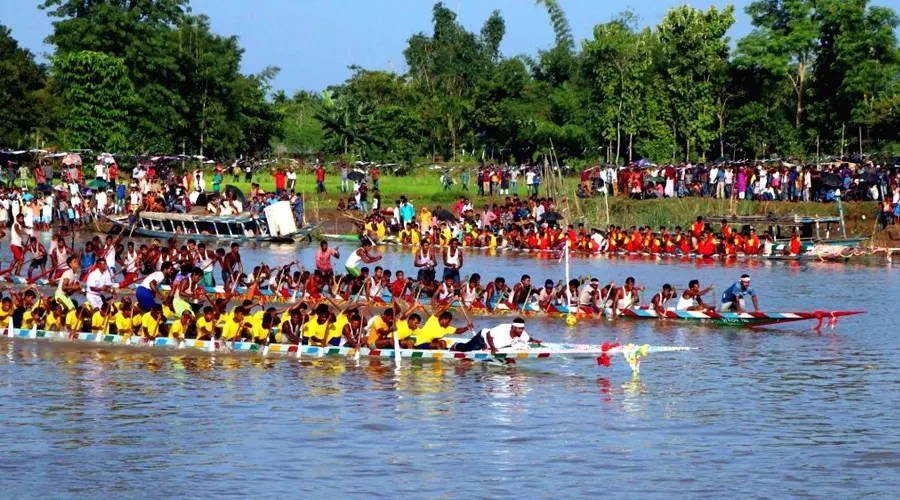
- Rongali Bihu - Rongali Bihu celebrates the Assamese New Year with traditional dance, folk music, colorful attire, feasts, and joyful community celebrations across Assam.
- Magh Bihu - Magh Bihu is the harvest festival of Assam celebrated with bonfires, traditional food, community feasts, and cultural gatherings during winter.
- Kati Bihu - Kati Bihu is observed with prayers, earthen lamps, and rituals seeking a good harvest, agricultural prosperity, and protection of crops.
- Ambubachi Mela - Ambubachi Mela is a famous spiritual festival held at Kamakhya Temple, attracting thousands of devotees, sadhus, and tantric practitioners worldwide.
Famous Food of Assam
Assamese cuisine is simple, organic, and flavorful.
- Masor Tenga – Tangy fish curry
- Khar – Traditional alkaline dish
- Duck Curry – Rich and spicy delicacy
- Pitha – Rice-based sweets
- Assam Tea – Strong and aromatic
Adventure Activities in Assam
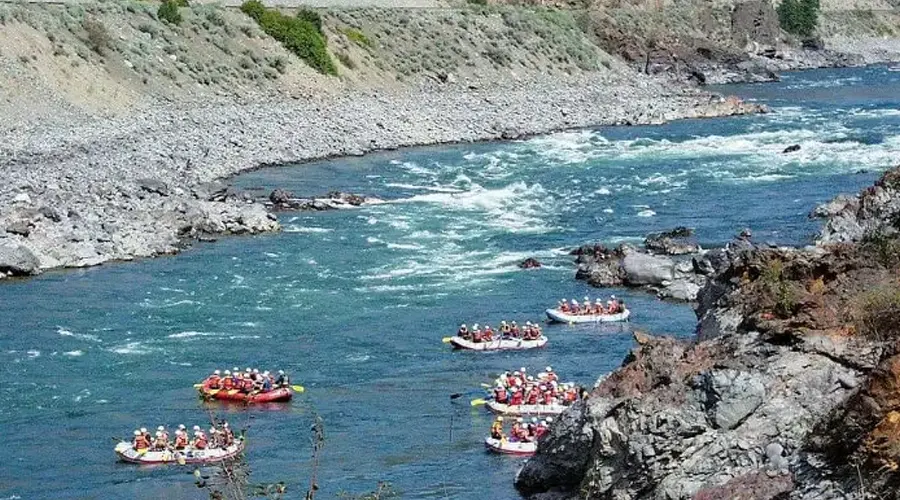
- River rafting in Brahmaputra
- Wildlife safari in Kaziranga
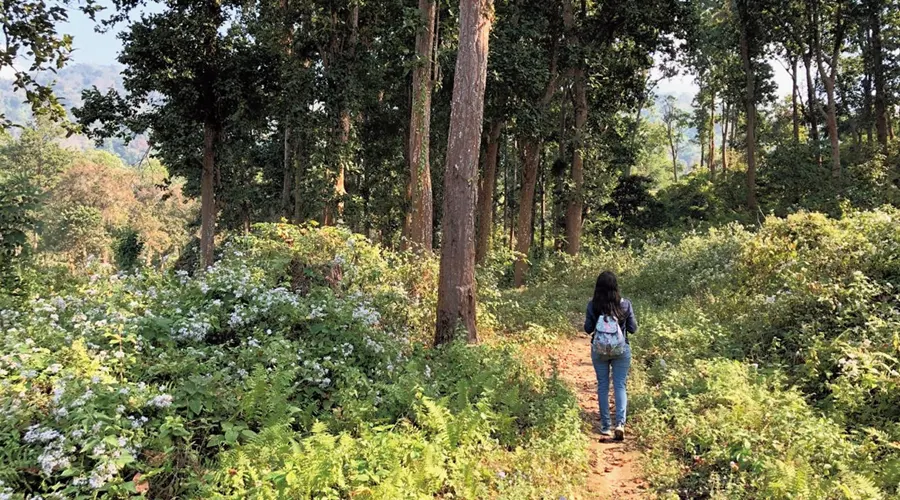
- Trekking in hills
- Bird watching in wetlands
- Tea garden walks
Hidden Gems of Assam
- Hajo – Religious harmony site
- Haflong – Hill station of Assam
- Dipor Bil – Birdwatching lake
- Majuli villages – Cultural immersion
Wildlife & Eco Tourism
Assam is one of India’s richest biodiversity regions.
- One-horned rhinoceros
- Elephants and tigers
- Rare migratory birds
- Wetlands and forests
Eco-tourism is growing rapidly in Assam.
Top Things to Do in Assam
- Visit tea gardens
- Explore Kaziranga safari
- Take Brahmaputra cruise
- Attend Bihu festival
- Visit Majuli island
Assam Travel Itinerary (5–7 Days)
| Day | Destination | Activities |
|---|---|---|
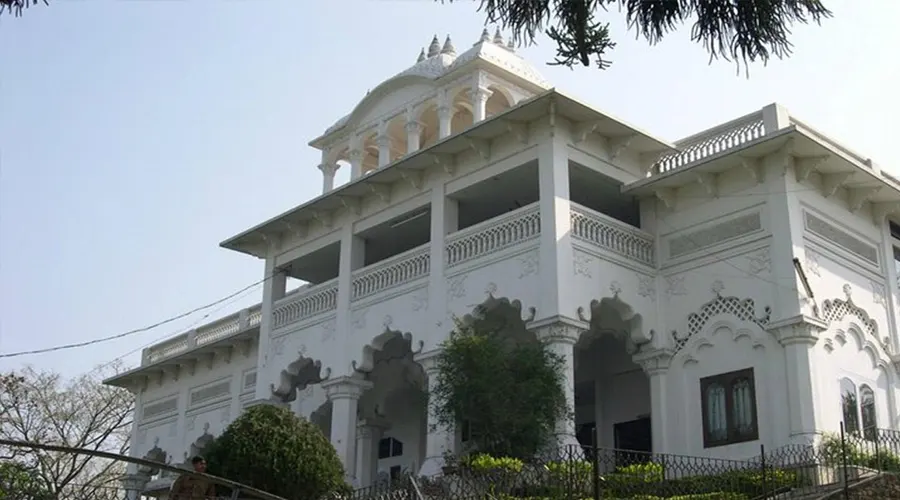
| Day 1 | Guwahati | Visit Kamakhya Temple, Umananda Temple, Brahmaputra riverfront |
| Day 2 | Guwahati | Local city tour, Assam State Museum, river cruise, local markets |
| Day 3 | Kaziranga National Park | Jeep safari, elephant safari, wildlife photography |
| Day 4 | Majuli Island | Explore Satras, tribal villages, pottery, cultural experiences |
| Day 5 | Sivasagar | Visit Rang Ghar, Talatal Ghar, Shiva Dol, Ahom monuments |
| Day 6 | Tea Gardens of Assam | Tea estate tour, tea tasting, village exploration |
| Day 7 | Local Villages & Departure | Cultural interaction, handicraft shopping, return journey |
Best Time to Visit Assam
- October to April – Best weather
- Winter – Ideal for sightseeing
- Monsoon – Green landscapes but heavy rain
How to Reach Assam
By Air
Guwahati Airport connects major cities
By Train
Guwahati Railway Station is the main hub
By Road
Connected via national highways
Shopping Guide in Assam
- Assam silk (Muga, Eri)
- Bamboo handicrafts
- Tea packets
- Traditional jewelry
- Handwoven textiles
Travel Tips
- Carry light woolens in winter
- Respect local traditions
- Book safaris in advance
- Try local Assamese food
- Use local guides for remote areas
Quick Facts About Assam
| Category | Details |
|---|---|
| Capital | Dispur |
| Largest City | Guwahati |
| Famous For | Tea gardens, Kaziranga, Brahmaputra River |
| Nickname | Gateway to Northeast India |
| Main Language | Assamese |
| Major Rivers | Brahmaputra, Barak |
| Best Time to Visit | October to April |
| Popular Wildlife | One-horned rhinoceros, tigers, elephants |
| Famous Festival | Bihu Festival |
| UNESCO Sites | Kaziranga National Park, Manas National Park |
| Traditional Dress | Mekhela Chador |
| Famous Beverage | Assam Tea |
| Major Occupation | Agriculture and tea production |
| Top Tourist Attractions | Kamakhya Temple, Majuli, Kaziranga, Sivasagar |
Why Assam Should Be on Your Travel Bucket List
Assam is one of India’s most beautiful and culturally vibrant destinations, where lush tea gardens, mighty rivers, ancient temples, wildlife sanctuaries, and colorful tribal traditions come together to create an unforgettable travel experience. Often called the “Gateway to Northeast India,” Assam is a paradise for nature lovers, spiritual travelers, wildlife enthusiasts, and culture explorers.
Unlike crowded tourist destinations, Assam offers peaceful landscapes, authentic traditions, and untouched natural beauty. From the world-famous Kaziranga National Park, home to the one-horned rhinoceros, to the sacred Kamakhya Temple in Guwahati, and from the serene tea estates of the Brahmaputra Valley to the cultural richness of Majuli Island, every part of Assam tells a unique story.
Whether you are seeking adventure, spirituality, wildlife exploration, photography, or cultural experiences, Assam promises a journey filled with beauty, tranquility, and unforgettable memories. Discover more incredible destinations with Explore Our India.
Faq About Assam
Ans: Assam is famous for its tea gardens, wildlife, Brahmaputra River, silk (Muga silk), and rich tribal culture. The state is known for attractions like Kaziranga National Park, Majuli Island, and Guwahati city. It is also a gateway to Northeast India and is rich in biodiversity and natural beauty.
Ans: The best time to visit Assam is from October to April when the weather is pleasant for sightseeing and wildlife tours. This season is ideal for visiting tea gardens, national parks, and river islands.
Ans: Assam offers many beautiful destinations. Some of the best places include:Guwahati – Largest city and gateway to NortheastDibrugarh – Tea city of IndiaKaziranga National Park – Home of the one-horned rhinocerosMajuli Island – World’s largest river islandSivasagar – Historic Ahom kingdom sitesManas National Park – UNESCO wildlife sanctuary
Ans: Kaziranga National Park is famous for having the world’s largest population of the one-horned rhinoceros. It is also a UNESCO World Heritage Site and home to elephants, tigers, and diverse bird species.
Ans: Assam is famous for simple, natural, and flavorful cuisine. Popular dishes include Assamese fish curry, khar, tenga (sour curry), duck meat curry, and rice-based meals. The food is light, less spicy, and uses local herbs and ingredients.
Ans: Yes, Assam is one of the best destinations for nature and wildlife tourism in India. It offers national parks, river islands, tea gardens, forests, and rich biodiversity, making it ideal for eco-tourism and photography.
Ans: Assam is well connected by air, rail, and road. Lokpriya Gopinath Bordoloi International Airport is the main airport connecting the state to major Indian cities. Rail and road networks also connect Assam with the rest of India.
Ans: Yes, Assam is generally safe for tourists, especially in major cities and tourist areas like Guwahati, Kaziranga, and Majuli. Travelers should follow basic safety precautions and stay updated on local travel conditions in remote areas.
Ans: Assam celebrates festivals like Bihu (Bohag Bihu, Kati Bihu, and Magh Bihu), Durga Puja, and Ambubachi Mela. Bihu is the most important festival, marking harvest seasons with dance, music, and traditional feasts.
Ans: A trip of 5 to 7 days is ideal for exploring Assam. This allows travelers to visit Guwahati, Kaziranga National Park, Majuli Island, and nearby attractions comfortably while enjoying nature and culture.