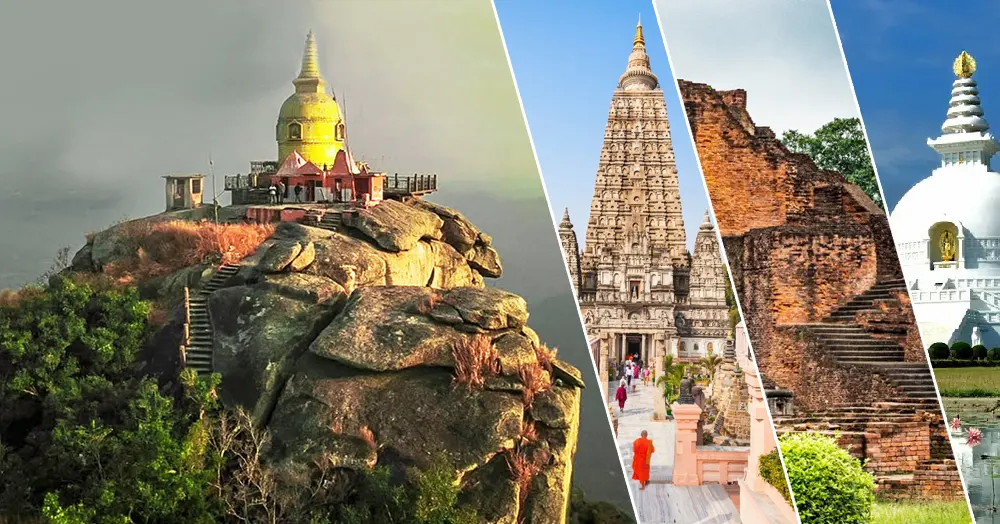
Explore the Legacy of Bihar: A Land of Rich History, Culture, and Spirituality
Have you ever wondered where India’s ancient civilization, spiritual awakening, and rich cultural heritage come together in one unforgettable destination? Bihar is that remarkable place where history, faith, and tradition exist side by side. Located in eastern India, it is a land that has witnessed the rise of great empires, powerful kingdoms, and transformative spiritual movements that shaped not only India but the world.
From the enlightenment of Lord Buddha in Bodh Gaya to the scholarly legacy of Nalanda University, Bihar offers a deep journey into India’s glorious past. Every corner of this state reflects stories of wisdom, devotion, and cultural evolution. Sacred rivers, ancient ruins, and historic cities make Bihar a living museum of Indian heritage.
Today, Bihar stands as a perfect destination for pilgrims, history lovers, culture explorers, and offbeat travelers. It is not just a place to visit, but a place to experience India’s roots in their most authentic form. For those seeking meaningful travel beyond commercial tourism, Bihar promises a journey filled with discovery, spirituality, and timeless memories.
Historical Background of Bihar
Bihar is one of the oldest inhabited regions in the world, with a history that dates back to ancient Indian civilization. Known as the cradle of Magadh Empire, Bihar played a key role in shaping India’s political and spiritual identity.
- The Magadh Empire was one of the most powerful kingdoms in ancient India.
- Pataliputra (modern Patna) was the capital of Maurya and Gupta dynasties.
- Emperor Ashoka ruled from Bihar and spread Buddhism across Asia.
- Nalanda University was among the world’s first universities.
- Bihar is also linked to Jainism with Lord Mahavira’s birthplace in Vaishali.
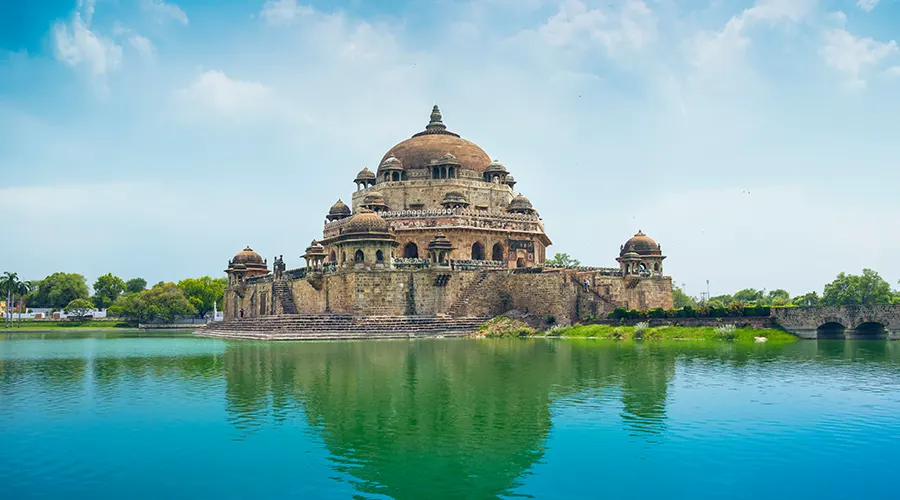
During medieval times, rulers like Sher Shah Suri introduced major reforms including the Grand Trunk Road. Later, Bihar came under British rule and played an active role in India’s freedom struggle.
After independence, Bihar became a separate state in 2000 (Jharkhand separated), marking a new phase of development.
Top Tourist Places in Bihar
Bodh Gaya – The Land of Enlightenment
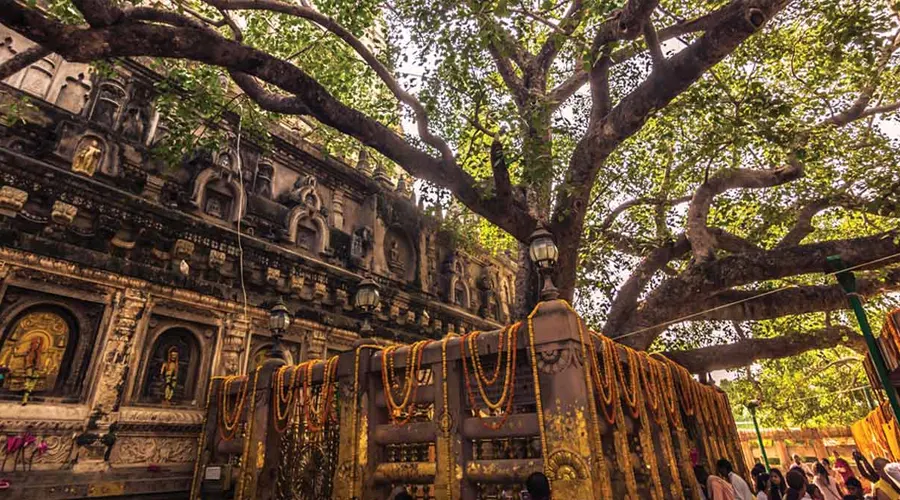
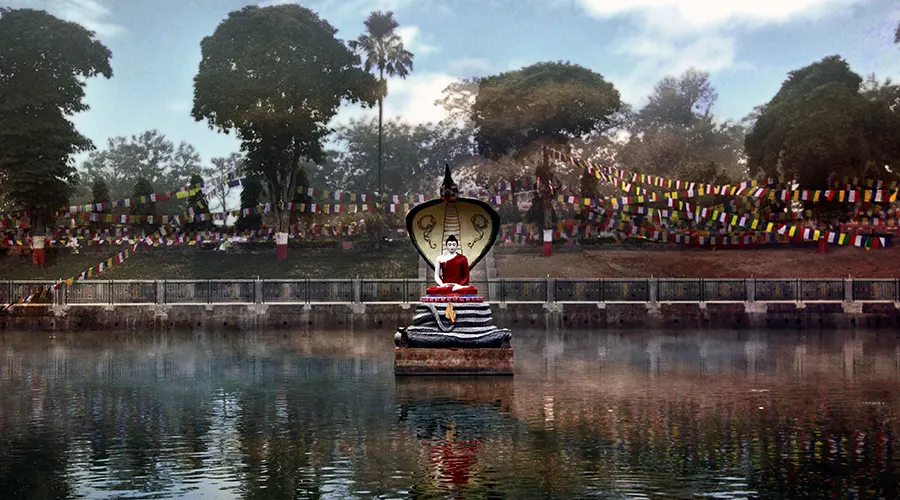
Bodh Gaya is one of the most sacred Buddhist pilgrimage sites in the world, where Lord Buddha attained enlightenment under the Bodhi Tree. This spiritual town attracts pilgrims and travelers seeking peace, meditation, and inner awakening from across the globe. The serene atmosphere and chanting monks create a deeply calming experience.
Highlights:
- Mahabodhi Temple (UNESCO World Heritage Site)
- Bodhi Tree where Buddha meditated
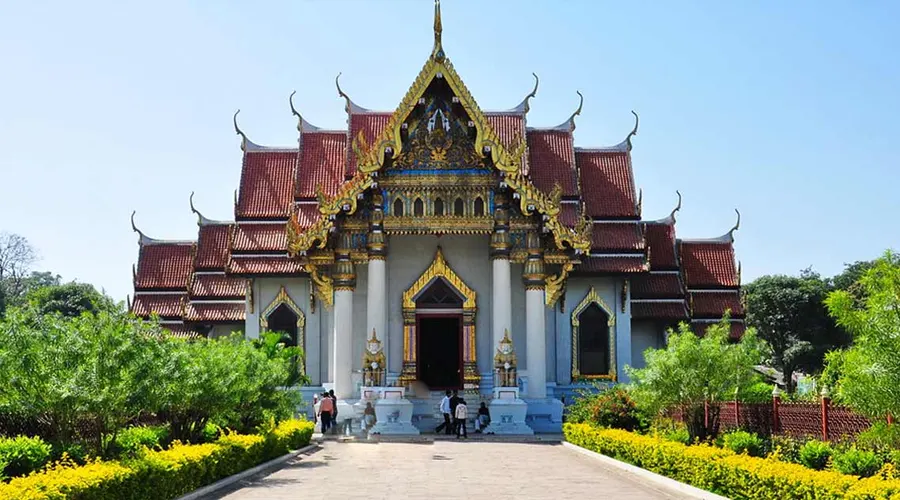
- Peaceful monasteries from different countries
- Spiritual meditation centers
It attracts millions of pilgrims from Japan, Thailand, Sri Lanka, and across the world, making it a global spiritual hub.
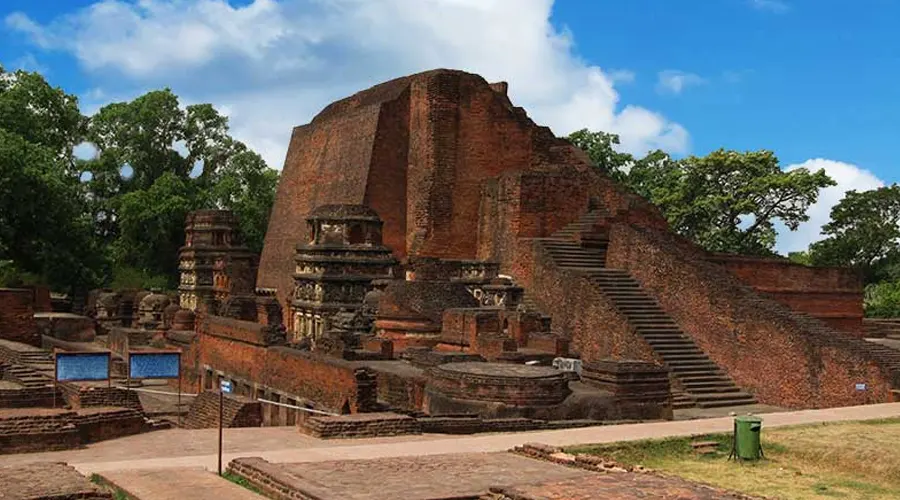
Nalanda – Ancient University of Knowledge
Nalanda was once the world’s greatest center of learning and a symbol of India’s intellectual excellence. This ancient university attracted scholars from across Asia and played a major role in spreading knowledge, philosophy, and Buddhist teachings.
Highlights:
- Ruins of Nalanda University
- Ancient monasteries and libraries
- Nalanda Archaeological Museum
- UNESCO World Heritage Site
This place reflects India’s golden era of education and wisdom, making it a must-visit for history lovers and researchers.
Patna – The Vibrant Capital City
Patna, the capital of Bihar, is a dynamic city where ancient heritage meets modern development. Situated on the banks of the Ganga River, it offers a mix of spiritual sites, historical monuments, and urban lifestyle.
Highlights:
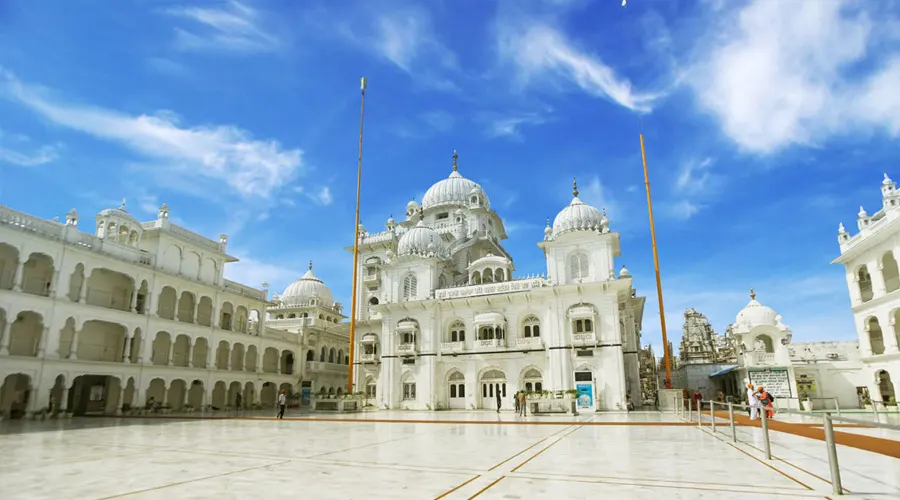
- Patna Sahib Gurudwara
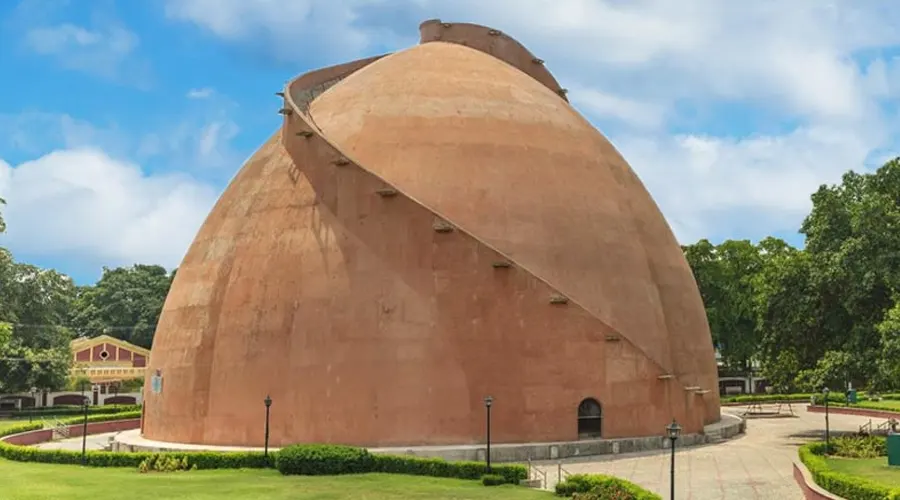
- Golghar historical granary
- Ganga riverfront sunset views
- Patna Museum
The city beautifully showcases Bihar’s cultural evolution from ancient times to the present day.
Vaishali – Birthplace of Democracy
Vaishali is historically significant as one of the world’s earliest republics, where democratic systems existed long before modern governance. It is also deeply connected with Buddhism and Jainism, making it spiritually important.
Highlights:
- Ancient Vaishali Stupa
- Ashokan Pillar
- Buddhist and Jain heritage sites
- Peaceful historical surroundings
The calm and historic environment makes Vaishali a perfect destination for reflection and heritage exploration.
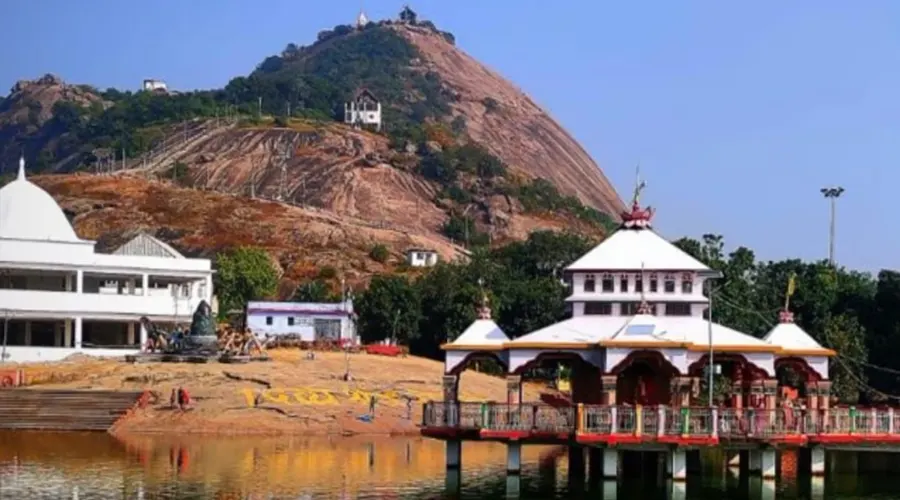
Rajgir – Spiritual Hills & Hot Springs
Rajgir is a scenic town surrounded by green hills and rich in spiritual importance. It was once the capital of the Magadh Empire and is closely associated with Lord Buddha and Lord Mahavira.
Highlights:
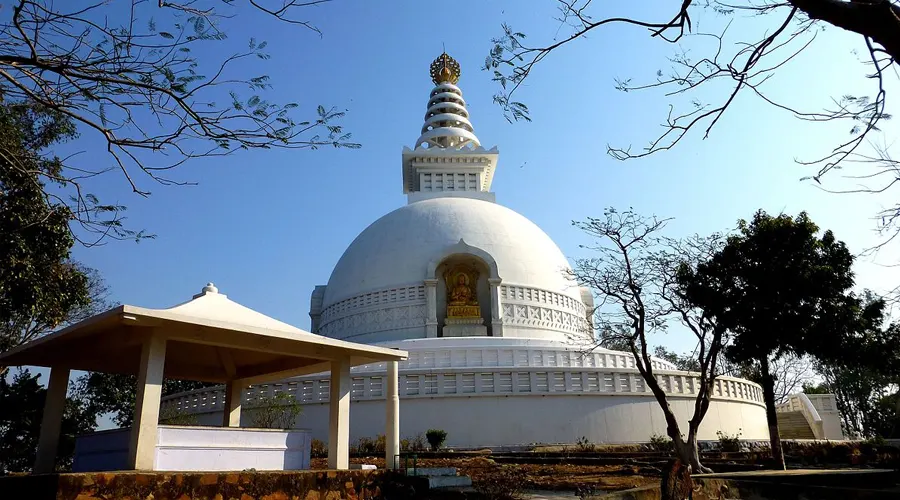
- Vishwa Shanti Stupa
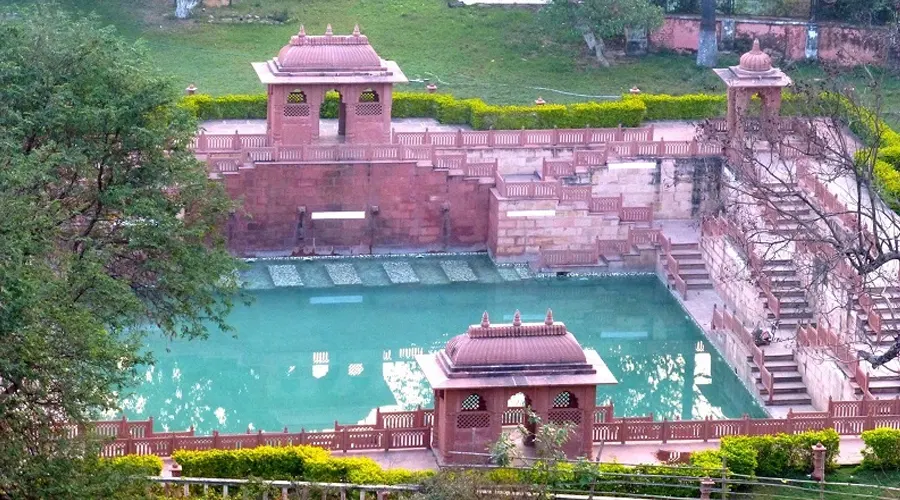
- Hot water springs
- Ancient caves and temples
- Jain pilgrimage sites
Rajgir offers a perfect combination of nature, spirituality, and history, making it ideal for peaceful travel.
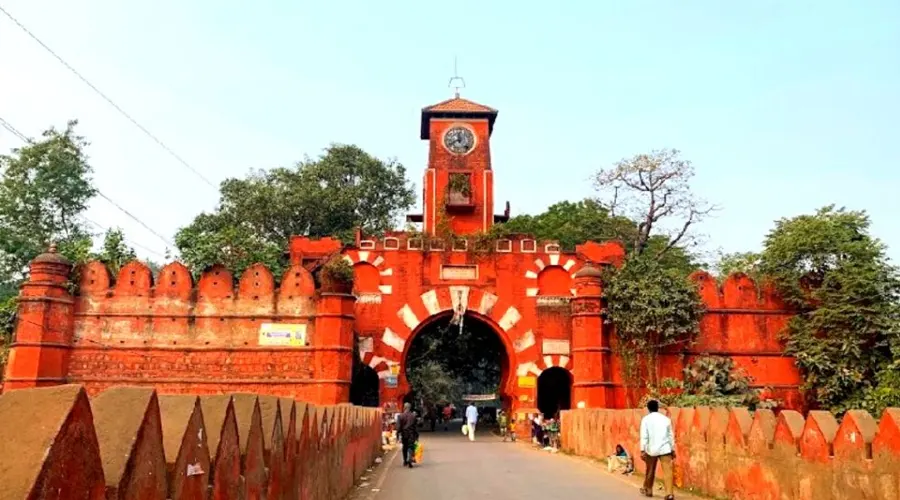
Munger – Peaceful Riverside Town
Munger is a calm and spiritually rich town located on the banks of the Ganga River. Known for its yoga traditions and ancient history, it is perfect for travelers seeking relaxation and mindfulness.
Highlights:
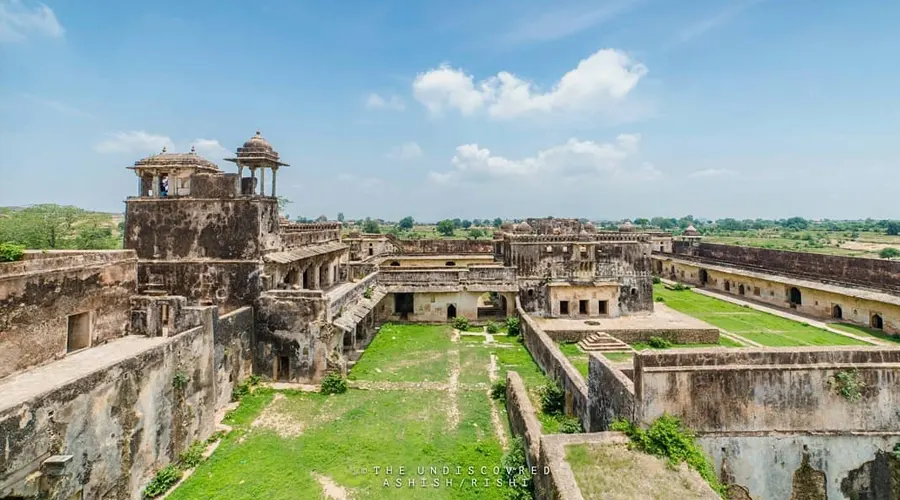
- Munger Fort
- Yoga and meditation centers
- Siddheshwar Nath Temple
- Ganga river views
Munger provides a quiet escape where spirituality and natural beauty come together beautifully.
Famous Temples & Spiritual Places
Bihar is a spiritual powerhouse with sacred destinations for Buddhists, Hindus, and Jains.
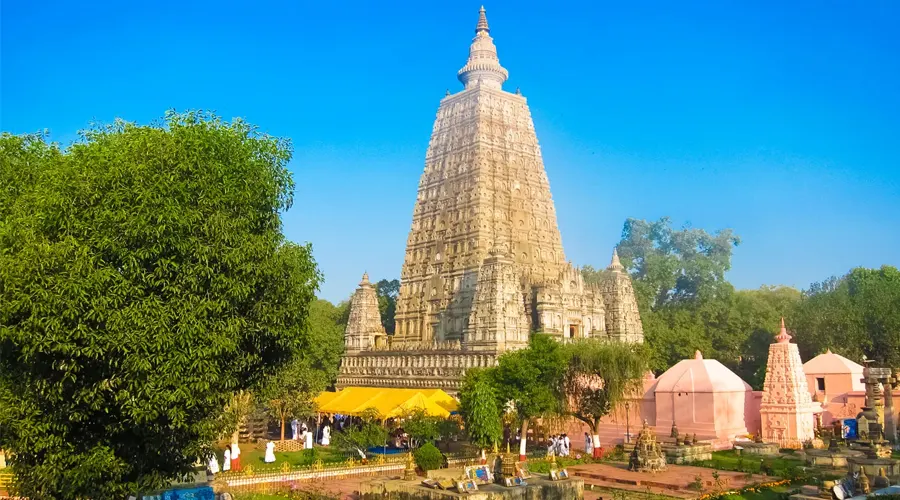
Mahabodhi Temple (Bodh Gaya) – Enlightenment of Buddha: Mahabodhi Temple in Bodh Gaya is one of the most sacred Buddhist sites in the world, where Lord Buddha attained enlightenment under the Bodhi Tree. This UNESCO World Heritage Site attracts pilgrims globally for meditation, peace, and spiritual awakening in its serene and deeply sacred environment.
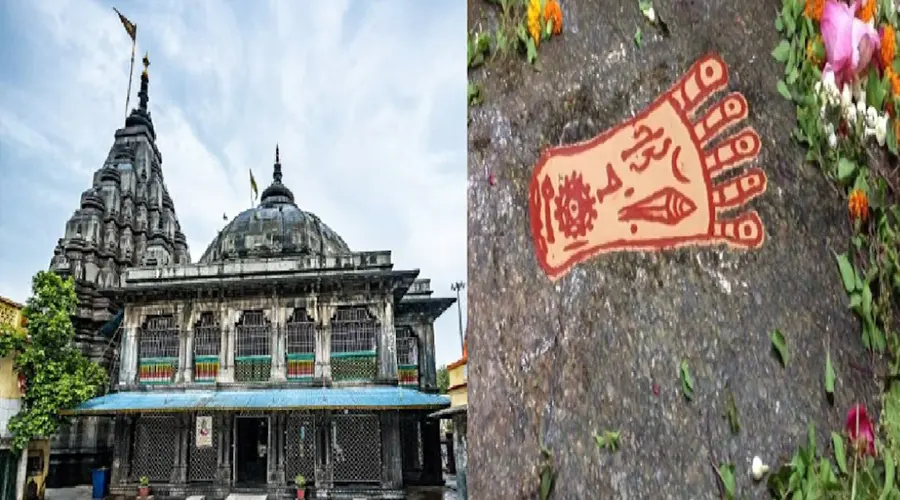
Vishnupad Temple (Gaya) – Sacred Hindu Pilgrimage Site: Vishnupad Temple in Gaya is a highly revered Hindu pilgrimage site dedicated to Lord Vishnu. It is believed that Lord Vishnu’s footprint is enshrined here. Devotees perform rituals for ancestors’ salvation, making it an important spiritual destination for Hindu religious traditions and rituals.
Patna Sahib Gurudwara – Birthplace of Guru Gobind Singh: Patna Sahib Gurudwara is one of the holiest Sikh shrines, marking the birthplace of Guru Gobind Singh Ji, the tenth Sikh Guru. The grand architecture, spiritual hymns, and peaceful atmosphere attract devotees from around the world, offering deep spiritual connection and historical significance.
Mundeshwari Temple – One of India’s Oldest Temples: Mundeshwari Temple in Kaimur is believed to be one of the oldest functional Hindu temples in India, dedicated to Lord Shiva and Shakti. Its ancient stone structure and continuous worship tradition make it a remarkable symbol of India’s timeless spiritual heritage and architectural history.
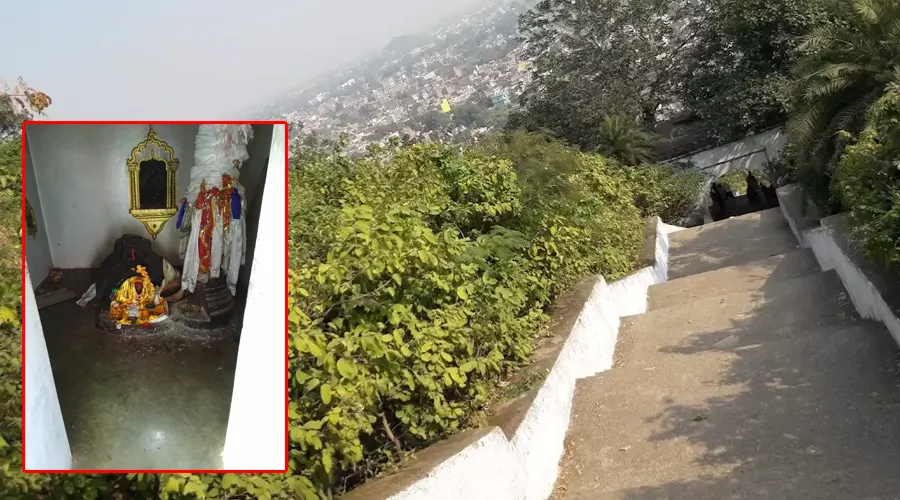
Griddhakuta Hill (Rajgir) – Buddha’s Preaching Site: Griddhakuta Hill in Rajgir is a sacred Buddhist site where Lord Buddha delivered many important sermons. Surrounded by scenic hills, it offers a peaceful trekking experience along with spiritual significance. The Vishwa Shanti Stupa at the top enhances its beauty and religious importance.
Each site reflects Bihar’s deep spiritual and cultural roots.
Nature, Hills & Scenic Beauty in Bihar – Peaceful Getaways
Bihar may not have beaches, but it offers refreshing natural landscapes, green hills, forests, and sacred river ghats. These places are perfect for nature lovers, photographers, and travelers seeking peace away from city life.
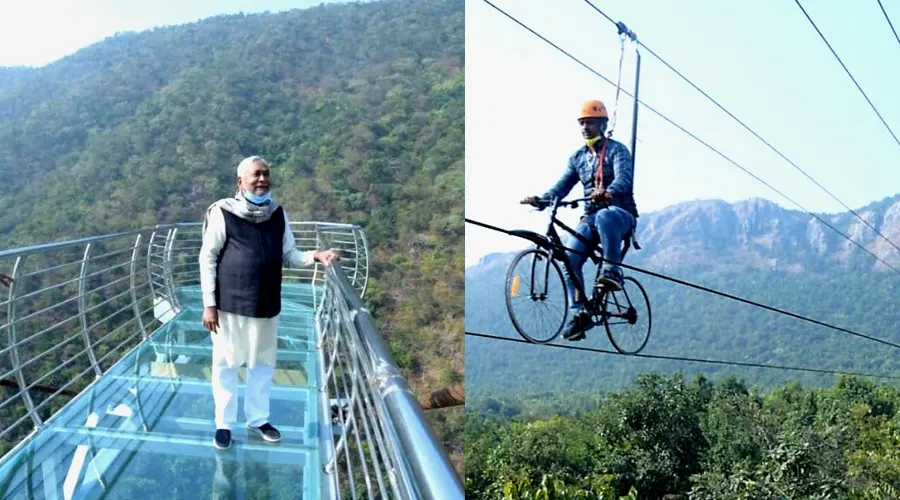
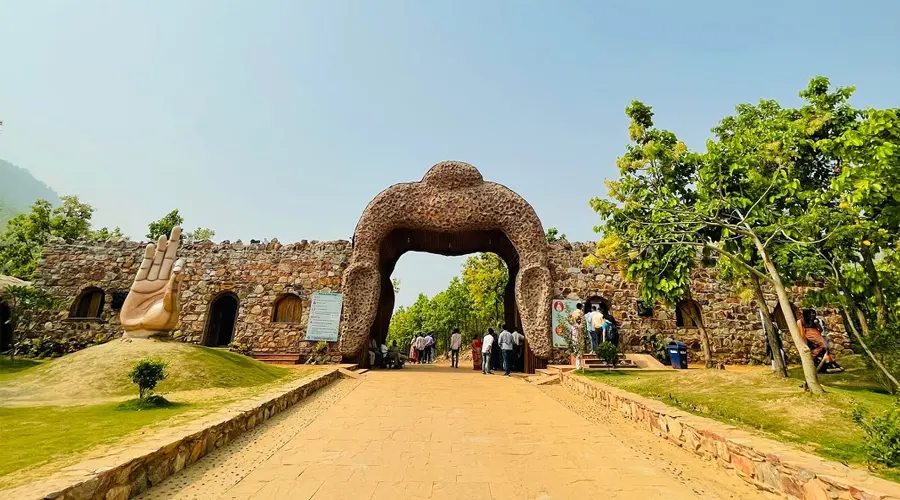
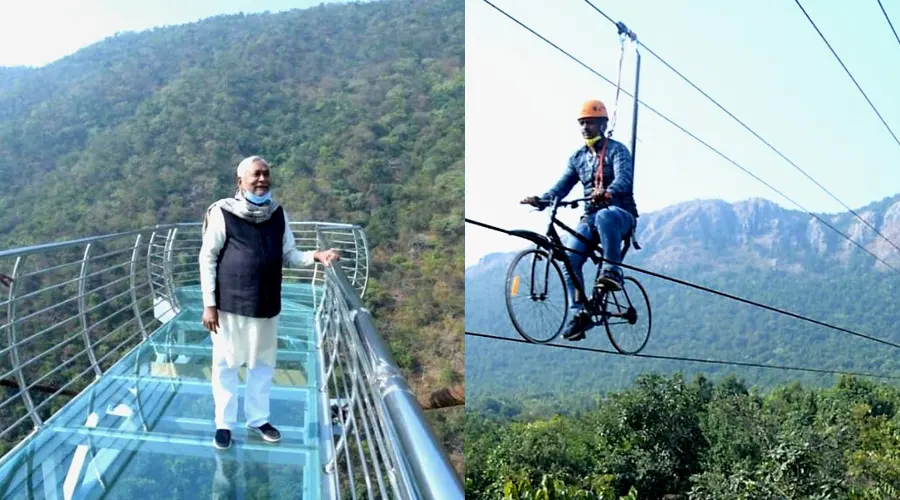
- Rajgir Hills – Scenic Green Hills & Cable Car Rides: Rajgir Hills are surrounded by lush greenery and historical significance. The ropeway cable car offers stunning aerial views of valleys and ancient sites. It is also linked with Buddhist and Jain heritage, making it both scenic and spiritual.
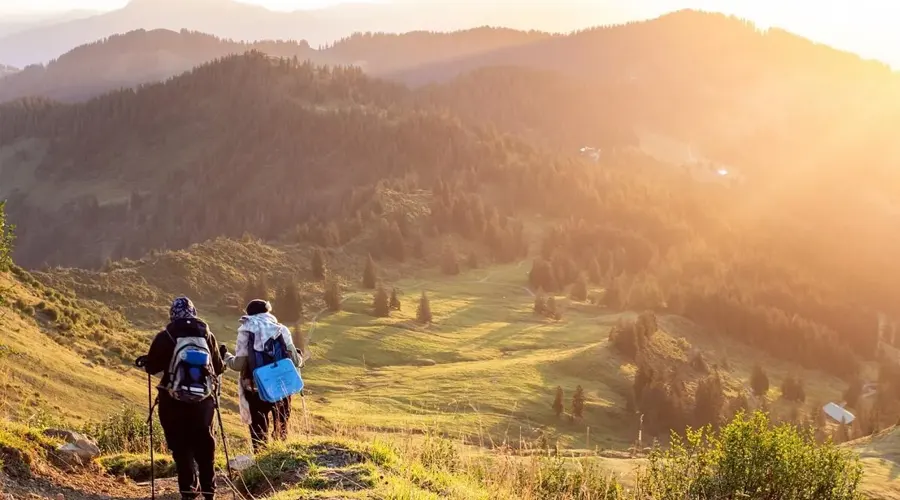
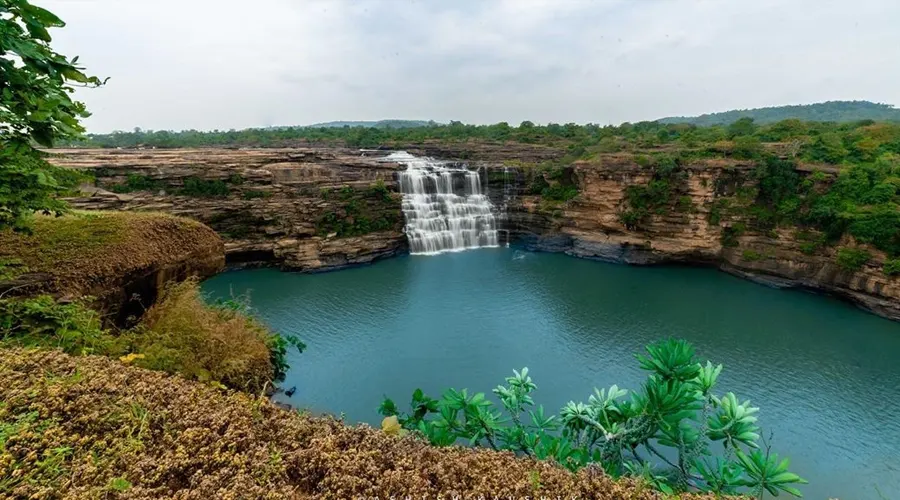
- Kaimur Hills – Trekking & Raw Nature Experience: Kaimur Hills are perfect for adventure lovers and trekkers. The rocky terrain, dense forests, waterfalls, and wildlife make it an ideal offbeat destination. It offers a raw natural experience far away from crowded tourist places.
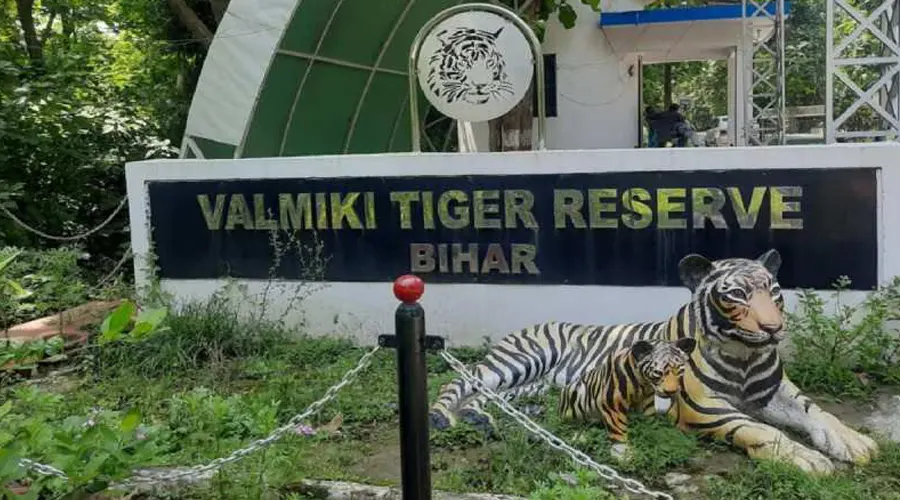
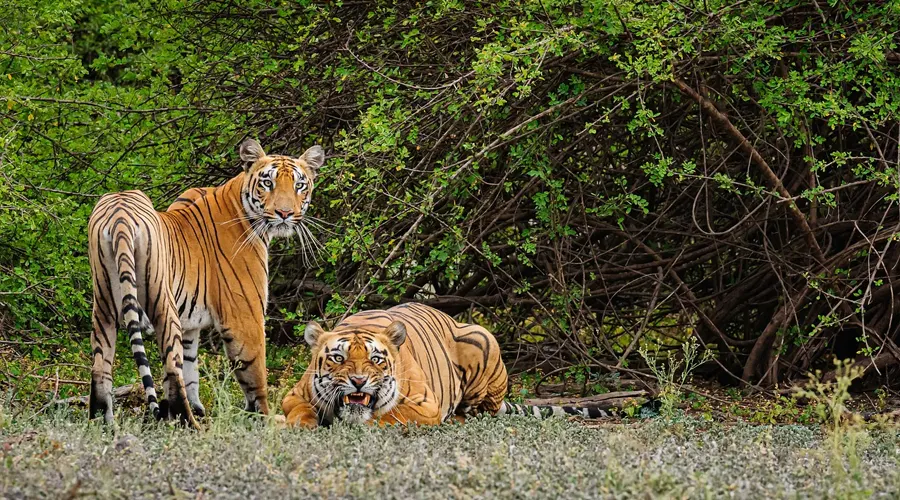
- Valmiki National Park – Forests, Rivers & Wildlife: Valmiki National Park is Bihar’s only tiger reserve, located in the Himalayan foothills. It features dense forests, rivers, and rich biodiversity including tigers, leopards, and deer. It is perfect for wildlife safaris and eco-tourism experiences.
- Ganga River Ghats – Peaceful Sunrise & Sunset Views: The ghats of the Ganga River in Bihar offer a deeply spiritual and calming experience. Watching sunrise or sunset here brings peace and reflection. Popular ghats in Patna and nearby areas are ideal for evening walks and rituals.
Culture & Traditions of Bihar
Bihar’s culture is deeply rooted in traditions, simplicity, and community life.
- Folk music like Bhojpuri and Maithili songs
- Madhubani painting (world-famous art form)
- Traditional attire in rural regions
- Strong family and community values
- Rich storytelling traditions from ancient epics
The state reflects a perfect blend of ancient customs and living heritage.
Festivals of Bihar – Celebrations of Faith, Culture & Tradition
- Chhath Puja – Dedicated to Sun God, Most Important Festival - Chhath Puja is the most significant festival of Bihar dedicated to Surya Dev (Sun God) and Chhathi Maiya. Devotees fast for days and offer prayers at riverbanks during sunrise and sunset. It reflects purity, devotion, and deep cultural traditions followed across the state with great discipline and faith.
- Diwali & Holi – Celebrated with Traditional Joy - Diwali in Bihar is celebrated with diyas, sweets, and family gatherings, symbolizing the victory of light over darkness. Holi brings vibrant colors, folk songs, and community celebrations. Both festivals unite people across villages and cities, creating an atmosphere of happiness, harmony, and cultural togetherness throughout the state.
- Buddha Jayanti – Honoring Lord Buddha’s Birth and Teachings - Buddha Jayanti is widely celebrated in Bodh Gaya, marking the birth, enlightenment, and nirvana of Lord Buddha. Devotees from around the world visit Mahabodhi Temple for prayers, meditation, and rituals. The festival promotes peace, compassion, and spiritual awakening, reflecting Bihar’s deep connection with Buddhism and global heritage.
- Makar Sankranti – Kite Flying and Sweets Celebration - Makar Sankranti in Bihar marks the harvest season and the transition of the Sun into Capricorn. People fly colorful kites, prepare traditional sweets like tilkut and khichdi, and enjoy festive gatherings. The festival symbolizes prosperity, gratitude, and the importance of agriculture in Bihar’s rural culture and lifestyle.
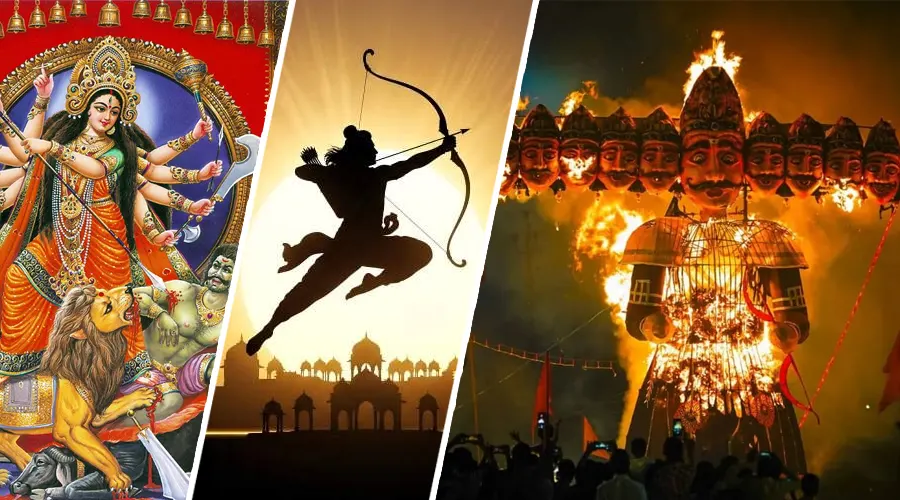
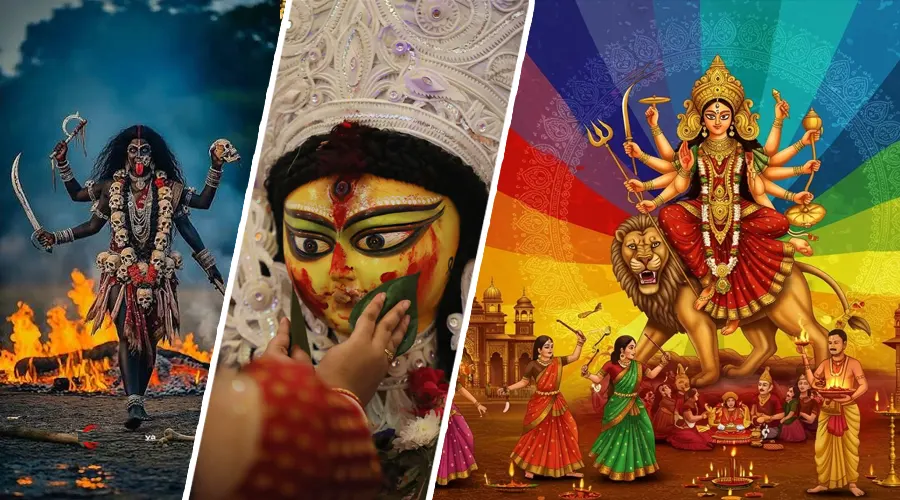
- Durga Puja – Grand Celebrations Across Cities - Durga Puja is celebrated with great enthusiasm across Bihar, especially in Patna and nearby regions. Beautiful pandals, devotional songs, and cultural performances mark the festival. It celebrates the victory of Goddess Durga over evil, bringing communities together in devotion, joy, and vibrant cultural expression during Navratri days.
Famous Food of Bihar – Traditional Flavors You Must Try
- Litti Chokha – Signature dish of Bihar: Litti Chokha is Bihar’s most iconic dish made with roasted wheat balls stuffed with sattu, served with mashed spiced vegetables like brinjal, tomato, and potato.
- Sattu Paratha – Healthy stuffed flatbread: Sattu Paratha is a nutritious stuffed flatbread filled with roasted gram flour, spices, and herbs, making it a healthy and energy-rich traditional meal.
- Chana Ghugni – Spicy chickpea snack: Chana Ghugni is a popular street-style snack made with boiled chickpeas cooked in spicy masala, onions, and mustard oil for a tangy flavor.
- Thekua – Famous Chhath Puja sweet: Thekua is a crispy traditional sweet made from wheat flour, jaggery, and coconut, specially prepared during the sacred Chhath Puja festival.
- Khichdi – Comfort food of Bihar: Khichdi is a simple and wholesome dish made with rice and lentils, often enjoyed with ghee, pickles, and curd as a comfort meal.
- Malpua & Rabri – Traditional desserts: Malpua and Rabri are rich festive desserts where fried pancakes are soaked in sugar syrup and served with thick, creamy sweetened milk.
Adventure Activities in Bihar
Bihar also offers adventure experiences for travelers:
- Trekking in Rajgir Hills
- Boating in Ganga River
- Wildlife safari in Valmiki National Park
- Cave exploration in Kaimur region
- Rural cycling tours in villages
Perfect for offbeat adventure seekers.
Hidden Gems of Bihar – Ancient Sites, Silk Heritage & Mythological Wonders
Bihar is not only known for its famous Buddhist and spiritual destinations but also for its hidden historical gems that reflect its glorious past. From ancient stupas and rock-cut caves to mythological hills and silk heritage cities, these lesser-known places offer a deeper insight into Bihar’s cultural and historical richness.
Kesaria Stupa – Tallest Buddhist Stupa in India
Kesaria Stupa is one of the tallest and most magnificent Buddhist stupas in India, built by Emperor Ashoka. It symbolizes Lord Buddha’s teachings and journey, making it an important pilgrimage site for Buddhists around the world. The structure showcases ancient Mauryan architecture and spiritual significance.
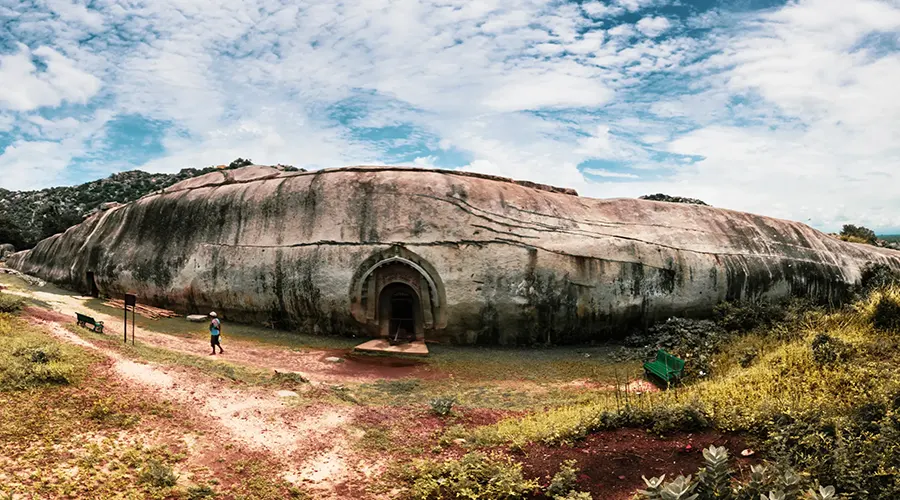
Barabar Caves – Ancient Rock-Cut Marvel
Barabar Caves are the oldest surviving rock-cut caves in India, dating back to the Mauryan period. These caves were carved for the Ajivika sect and are known for their polished granite interiors. The echo effect inside the caves reflects ancient engineering brilliance and spiritual simplicity.
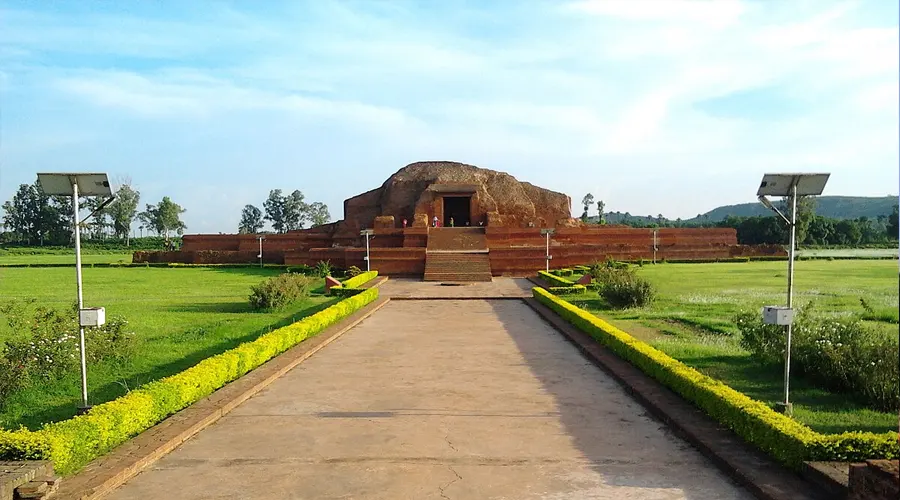
Vikramshila Ruins – Lost Buddhist University
Vikramshila was once a prestigious Buddhist learning center rivaling Nalanda University. Founded by King Dharmapala, it played a key role in spreading Buddhist education. Today, its ruins stand as a reminder of India’s rich intellectual and spiritual heritage.
Bhagalpur Silk City – Land of Tussar Silk
Bhagalpur is famously known as the Silk City of India, especially for its high-quality Tussar silk production. The city has a long tradition of handloom weaving, where artisans create elegant silk sarees and fabrics that are appreciated globally for their texture and craftsmanship.
Mandar Hill – Mythological Churning Mountain
Mandar Hill is deeply rooted in Hindu mythology, believed to be used as the churning rod during the Samudra Manthan (churning of the ocean). It is a sacred site for both Hindus and Jains and offers scenic views along with spiritual importance.
These hidden gems make Bihar a truly fascinating destination beyond its popular tourist spots, offering a perfect blend of history, mythology, and cultural heritage.
Wildlife & Eco Tourism in Bihar
Valmiki Tiger Reserve
Valmiki Tiger Reserve is Bihar’s only tiger reserve, located in the foothills of the Himalayas along the India–Nepal border. It offers dense forests, rich biodiversity, and thrilling jungle safari experiences for wildlife lovers and photographers.
Highlights:
• Tigers and leopards
• Elephants and deer species
• Dense Sal forest ecosystem
• Jeep safari and nature trails
Vikramshila Gangetic Dolphin Sanctuary
This unique sanctuary is dedicated to the rare Gangetic river dolphins found in the Ganga River. It is one of the best places in India for river wildlife observation and eco-tourism.
Highlights:
• Endangered Gangetic dolphins
• River ecosystem exploration
• Boat safari experiences
• Birdwatching opportunities
Bhimbandh Wildlife Sanctuary
Bhimbandh is known for its natural hot springs, lush forests, and rich wildlife diversity. It is an ideal destination for nature lovers seeking peaceful and offbeat travel experiences.
Highlights:
• Natural hot water springs
• Forest trekking routes
• Leopards, wild boars, and deer
• Scenic waterfalls and greenery
Kaimur Wildlife Region
Kaimur region offers a beautiful mix of forest landscapes, hills, and bird diversity. It is perfect for eco-tourism, trekking, and peaceful nature exploration away from crowded tourist spots.
Highlights:
• Rich bird species habitat
• Forest and hill trekking
• Waterfalls and caves nearby
• Peaceful eco-tourism destination
Top Things to Do in Bihar
- Visit Mahabodhi Temple at sunrise
- Explore Nalanda ruins and museum
- Attend Ganga Aarti in Patna
- Try authentic Litti Chokha
- Explore Buddhist circuit (Bodh Gaya–Rajgir–Vaishali)
- Shop Madhubani paintings
- Enjoy wildlife safari in Valmiki
Travel Itinerary (3–5 Days)
Day 1: Patna sightseeing + Patna Sahib Gurudwara
Day 2: Bodh Gaya spiritual tour
Day 3: Nalanda + Rajgir exploration
Day 4: Vaishali historical visit
Day 5: Optional wildlife or village experience
Best Time to Visit Bihar
- October to March – Best weather for travel
- April to June – Hot summer season
- July to September – Monsoon greenery
Winter is the ideal time for sightseeing and festivals.
How to Reach Bihar
By Air: Patna Airport, Gaya Airport
By Train: Patna Junction, Gaya, Muzaffarpur
By Road: Well-connected highways from UP, Jharkhand, Bengal
By Water: River cruises on Ganga (limited tourism use)
Shopping Guide
- Madhubani paintings
- Bhagalpuri silk sarees
- Handicrafts and bamboo items
- Stone carvings
- Traditional jewelry
Markets in Patna, Gaya, and Bhagalpur are best for shopping.
Travel Tips of Bihar Tourism
- Respect religious sites and traditions
- Carry light cotton clothes in summer
- Use local guides for historical sites
- Try local food cautiously if new to spices
- Keep cash in rural areas
Quick Facts About Bihar
| Category | Details |
|---|---|
| Location | Eastern India |
| Capital | Patna |
| Largest City | Patna |
| Official Language | Hindi, Urdu |
| Famous For | Buddhist sites, ancient universities, Chhath Puja |
| Historical Identity | Magadh Empire, Nalanda University |
| Rivers | Ganga, Gandak, Kosi |
| Wildlife | Valmiki Tiger Reserve, Gangetic dolphins |
| Major Religion Sites | Bodh Gaya, Vaishali, Rajgir |
| Famous Festival | Chhath Puja |
| Economy Base | Agriculture, handicrafts, services |
| Best Time to Visit | October to March |
| Major Airport | Jay Prakash Narayan Airport (Patna) |
Bihar is a land where ancient history, spirituality, and vibrant traditions come together, making it one of India’s most culturally rich travel destinations.
Why Bihar Should Be on Your Travel Bucket List
Bihar is one of India’s most historically rich and spiritually powerful destinations, where ancient civilizations, sacred pilgrimage sites, Buddhist heritage, and cultural traditions come together to create a deeply meaningful travel experience. Often called the “Cradle of Indian Civilization,” Bihar is a paradise for travelers who love history, spirituality, and authentic cultural exploration.
Unlike modern commercial destinations, Bihar offers a raw and soulful journey through time. From the sacred Mahabodhi Temple in Bodh Gaya, where Lord Buddha attained enlightenment, to the ancient ruins of Nalanda University, and from the spiritual ghats of the Ganga in Patna to the historical democracy roots of Vaishali, every corner of Bihar reflects India’s glorious past.
Whether you are a spiritual seeker, history lover, pilgrim, photographer, or cultural explorer, Bihar offers a journey filled with peace, knowledge, and unforgettable experiences. Discover more incredible destinations with Explore Our India.
Faq About Bihar
Ans: Bihar is famous for its ancient history, Buddhist heritage, religious sites, and educational legacy. The state is home to important places like Bodh Gaya, Nalanda University ruins, and Patna. It is also known as the land where Lord Buddha attained enlightenment.
Ans: The best time to visit Bihar is from October to March when the weather is cool and comfortable for sightseeing. This season is ideal for exploring religious sites, historical monuments, and cultural destinations.
Ans: Bihar offers many historical and spiritual destinations. Some of the best places include:Patna – Capital city with museums and heritage sitesGaya – Famous pilgrimage siteMahabodhi Temple – UNESCO World Heritage SiteNalanda University Ruins – Ancient center of learningVishnupad Temple – Sacred Hindu templeRajgir – Historic and spiritual hill town
Ans: Mahabodhi Temple is famous because Lord Buddha attained enlightenment here under the Bodhi Tree. It is one of the most important Buddhist pilgrimage sites in the world and a UNESCO World Heritage Site.
Ans: Bihar is famous for traditional dishes like litti chokha, sattu paratha, thekua, dal pitha, and khaja. The cuisine is simple, rustic, and rich in flavor, often using roasted gram flour (sattu) as a key ingredient.
Ans: Yes, Bihar is one of the most important cultural and religious tourism destinations in India. It has Buddhist, Jain, and Hindu heritage sites, ancient universities, and historical monuments that attract travelers from around the world.
Ans: Bihar is well connected by air, rail, and road. Jay Prakash Narayan International Airport in Patna connects the state with major Indian cities. The state also has strong railway connectivity.
Ans: Bihar is generally safe for tourists in major cities and pilgrimage destinations like Patna, Bodh Gaya, and Rajgir. Travelers should follow normal safety precautions and stay aware in crowded areas.
Ans: Bihar celebrates festivals like Chhath Puja, Diwali, Holi, Durga Puja, and Makar Sankranti. Chhath Puja is the most important festival, dedicated to the Sun God, celebrated with devotion along riverbanks.
Ans: A trip of 4 to 6 days is usually enough to explore Bihar. This allows travelers to visit Patna, Bodh Gaya, Rajgir, and Nalanda comfortably while experiencing its spiritual and historical heritage.