
India is home to some of the world's most spectacular national parks, offering diverse landscapes, rich biodiversity, and unforgettable wildlife experiences. From the tiger-filled forests of Ranthambore and Bandhavgarh to the one-horned rhinos of Kaziranga and the Asiatic lions of Gir, every park has its own unique charm. Explore the 20 best national parks in India, featuring top attractions, safari experiences, travel tips, and the best time to visit.
Best Season
October – March
Ideal For
Families, History Lovers & Nature Enthusiasts
Top Experiences
Heritage Walks, Wildlife & Photography
Ideal Trip Duration
7–15 Days
Why Visit National Parks in India?
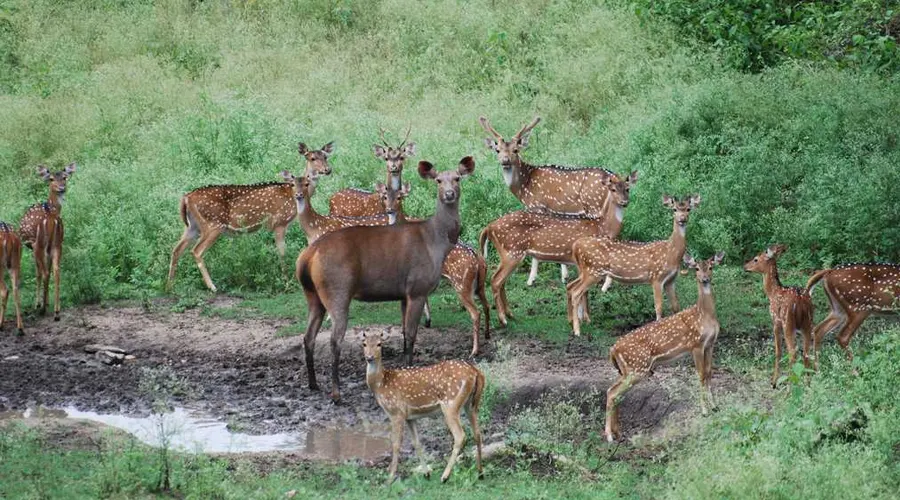
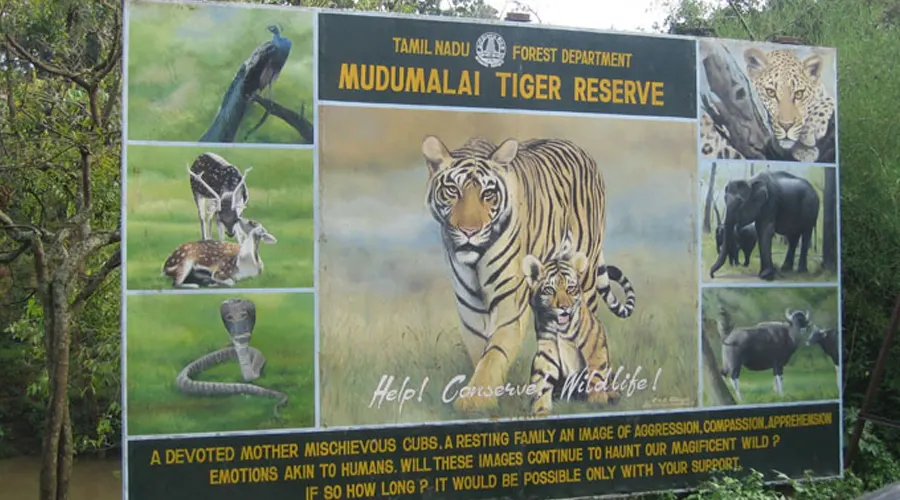
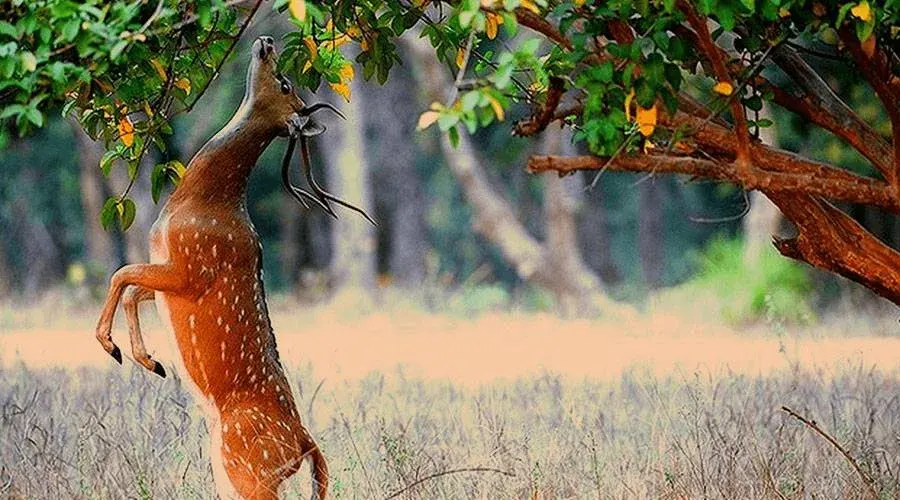
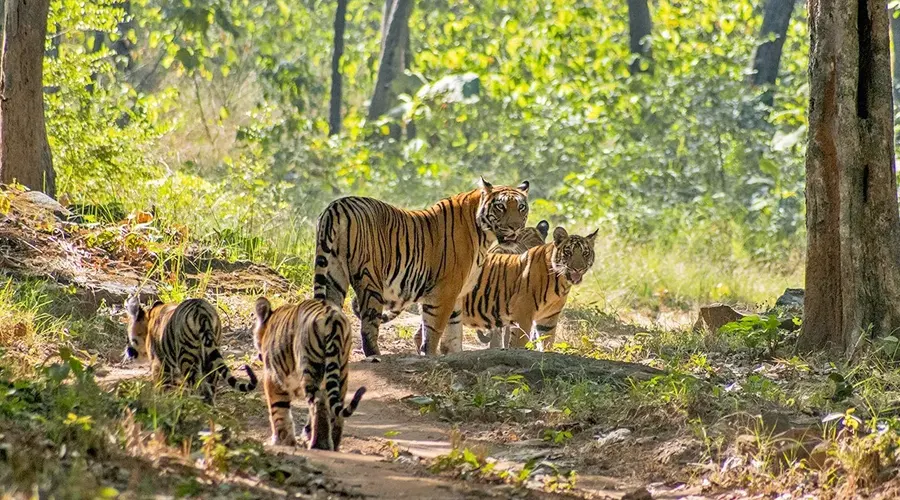
India's national parks offer an incredible opportunity to explore the country's rich wildlife, diverse ecosystems, and breathtaking natural landscapes. From dense forests and grasslands to wetlands and Himalayan valleys, these protected areas are home to iconic species such as the Bengal tiger, Asiatic lion, one-horned rhinoceros, Asian elephant, snow leopard, and hundreds of bird species. Whether you're a wildlife enthusiast, nature photographer, adventure seeker, or family traveler, visiting India's national parks promises unforgettable safari experiences, scenic beauty, and a deeper appreciation for biodiversity conservation.
Best Time to Visit
The best time to visit national parks in India generally falls between October and June, when the weather is pleasant and wildlife sightings are more frequent. Winter (October to February) is ideal for birdwatching and comfortable safaris, while summer (March to June) offers the best chances of spotting tigers and other animals near water sources. Some parks remain closed during the monsoon season due to heavy rainfall.
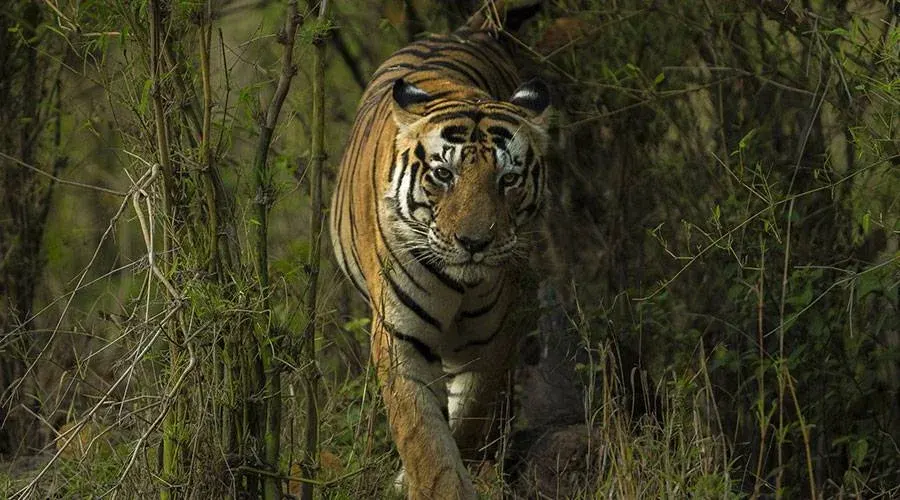
Jim Corbett National Park, Uttarakhand
Jim Corbett National Park is the oldest national park in India known for housing the endangered Bengal tiger. Corbett National Park is part of the larger Corbett Tiger Reserve which is set amidst the foothills of the Himalayas in the Nainital district of Uttarakhand. It houses a variety of flora and fauna including rare ones such as tigers and is a treat for wildlife enthusiasts and photographers.Famous for its wildlife ...
Explore More...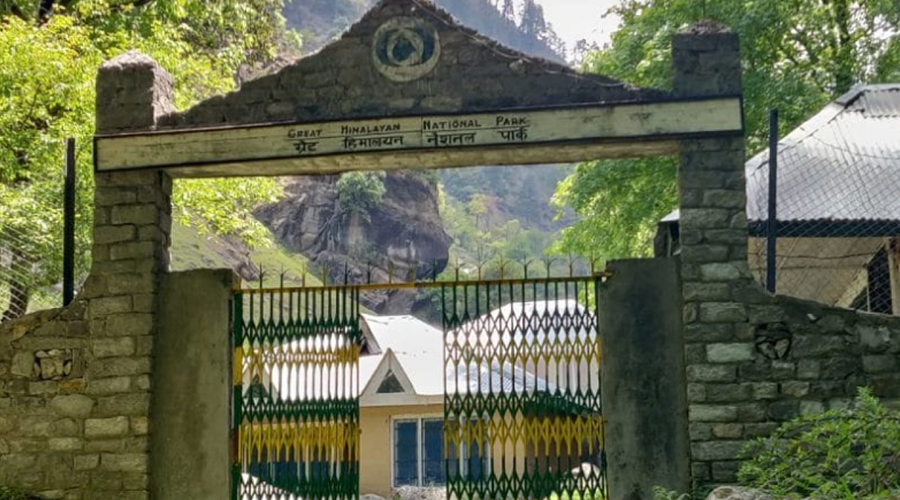
Great Himalayan National Park, Himachal Pradesh
Great Himalayan National Park (GHNP), located in the Kullu region of Himachal Pradesh, is one of the most pristine and ecologically rich protected areas in the Himalayas. Declared a UNESCO World Heritage Site, the park is famous for its untouched wilderness, alpine meadows, dense forests, and rare wildlife. Spread across 1,171 sq km, GHNP is a paradise for trekkers, wildlife lovers, bird watchers, and nature explorers.With over 350 species of ...
Explore More...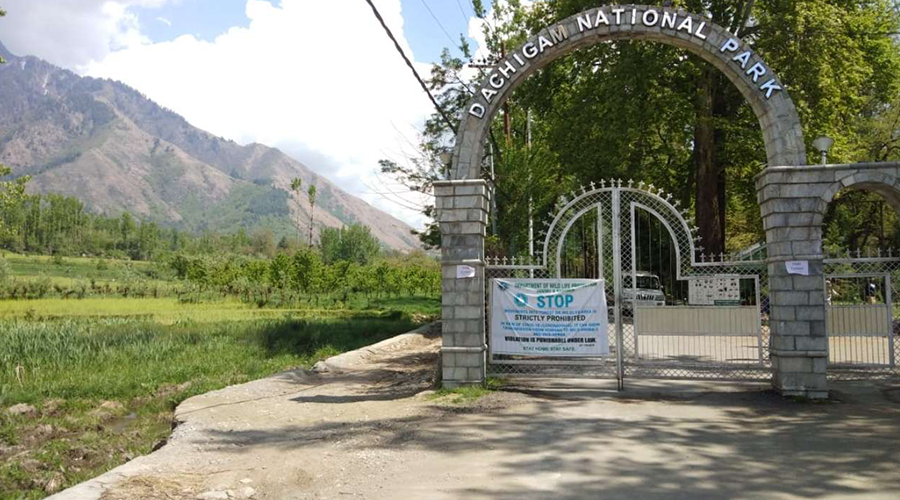
Dachigam National Park, Jammu And Kashmir
Dachigam National Park is one of the most famous and ecologically important wildlife reserves in Jammu and Kashmir, located just 22 kilometers from Srinagar in the scenic Zabarwan Range of the Western Himalayas. Spread across rich forest cover, alpine meadows, and mountain streams, this national park is best known as the last stronghold of the endangered Hangul (Kashmiri Stag). With snow-covered peaks, waterfalls, and dense vegetation, Dachigam offers a rare ...
Explore More...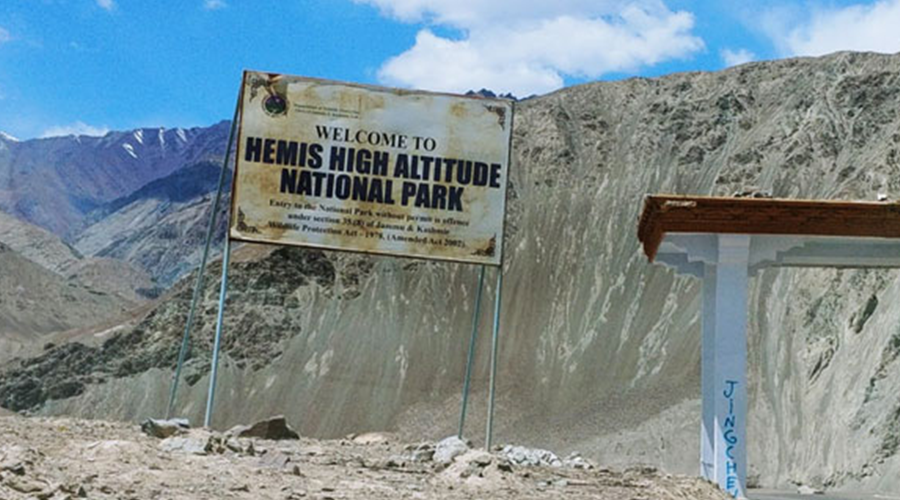
Hemis National Park, Leh Ladakh
Hemis National Park is India’s largest national park and a world-famous high-altitude wildlife reserve, renowned as the global capital of Snow Leopards. Located in the Ladakh region of Jammu and Kashmir, the park is surrounded by the dramatic landscapes of the Zanskar Range and the Indus River valley, making it one of the most scenic and wildlife-rich places in the Himalayas. Spanning vast savannahs, alpine forests, glaciers, and rocky terrains, ...
Explore More...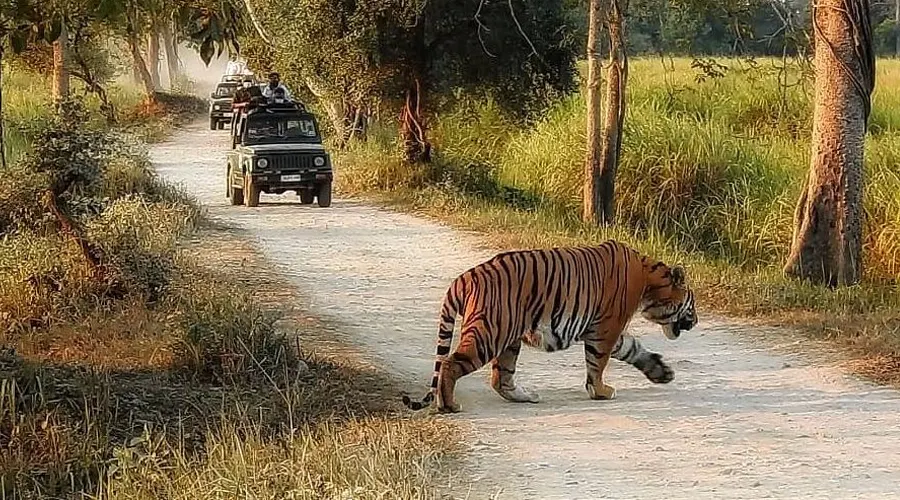
Kaziranga National Park And Tiger Reserve
All those who have thought Indian one-horned rhinoceros only existed in the Jurassic era, then a trip to Kaziranga is a must for them. One of the most sought-after wildlife holiday destinations in India, Kaziranga National park’s 430 square kilometer area sprinkled with elephant-grass meadows, swampy lagoons, and dense forests are home to more than 2200 Indian one-horned rhinoceros, approximately 2/3rd of their total world population.Along with the iconic Greater ...
Explore More...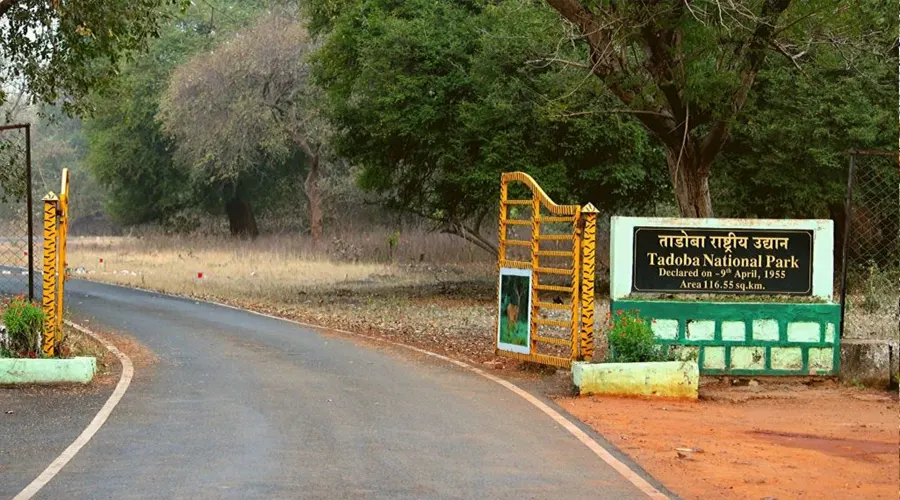
Tadoba National Park
Famous for its natural heritage, Tadoba Andhari Tiger Reserve is one of India's most exciting and best protected Tiger Reserve, with the most visible tiger sightings in the state of Maharashtra Tadoba national park is located in the Chandrapur district of Maharashtra. This place is an ideal weekend gateway for wildlife and nature lovers. Spotted in this region are rare species of flora and fauna, soothing your very being. Tadoba is ...
Explore More...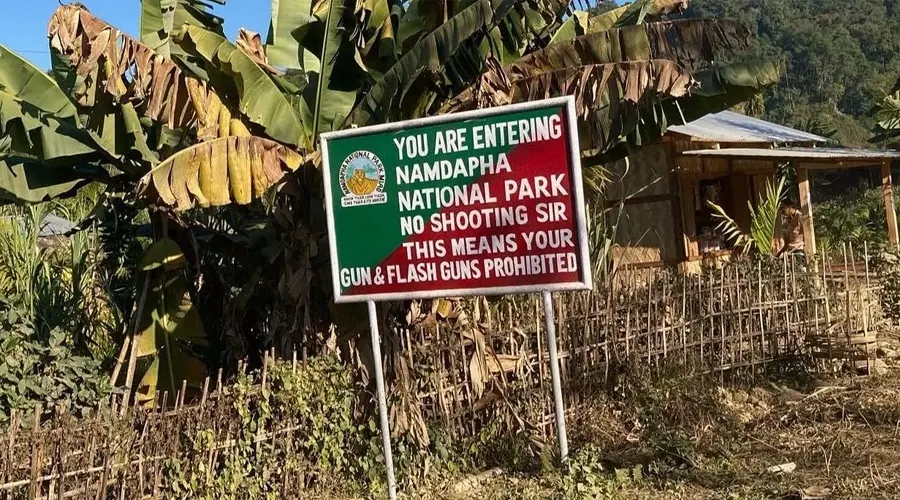
Namdapha National Park
Located in the northeastern state of India- Arunachal Pradesh, the Namdapha National Park is the largest protected area in India and is the perfect Eastern Himalaya biodiversity hotspot. Recognized as one of the richest areas in biodiversity in India, the park harbors the northernmost lowland evergreen rainforests in the world. The area is also known for its extensive Dipterocarp forests among the last great remote wilderness areas of Asia. Namdapha ...
Explore More...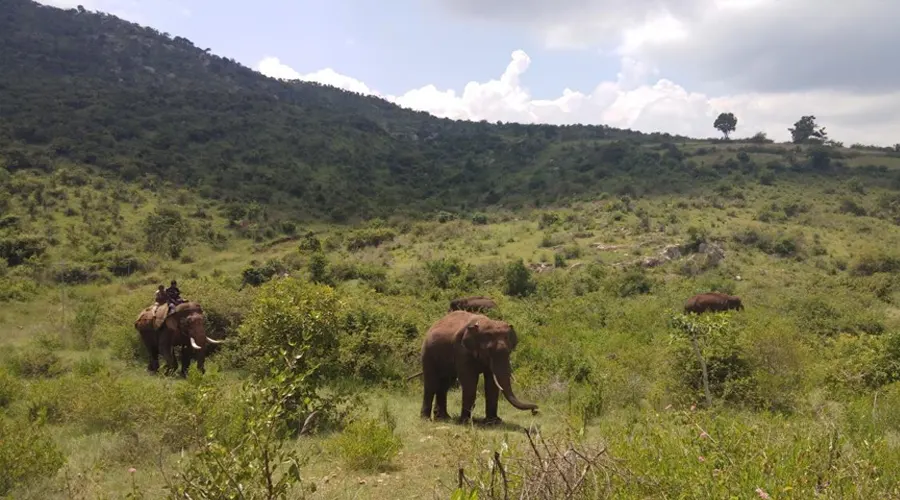
Bandipur National Park
Situated in Karnataka, Bandipur National Park was once the hunting grounds of the Maharaja of Mysore. It was later established as a reserve in 1974 under Project Tiger and these deciduous forests rich in wildlife have become a popular tourist attraction since then. It is 80 km from Mysore enroute Ooty in Tamil Nadu. Due to a lot of wildlife casualties because of speeding vehicles that go through the park, ...
Explore More...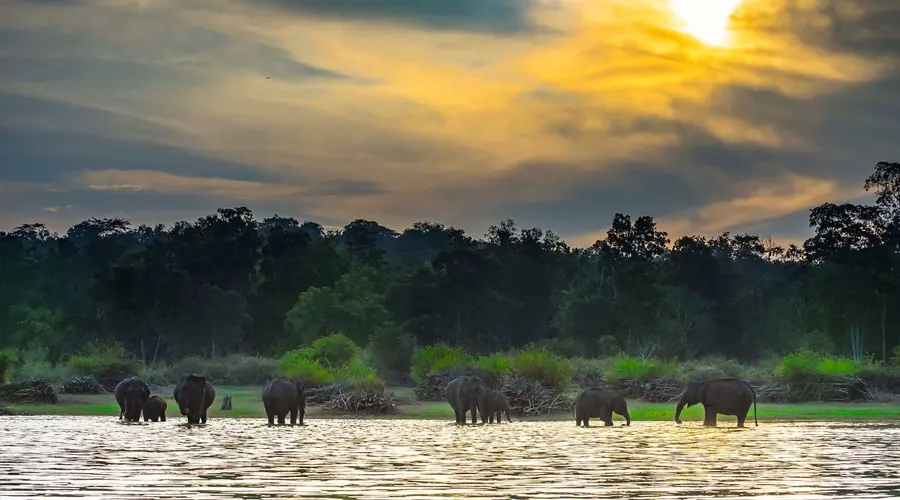
Nagarhole National Park
Located in the Mysore district of Karnataka, Nagarhole National Park boasts of rich wildlife including both flora and fauna. Located near Bandipur National Park, it is packed with the bounty of raw nature in its best form. Bestowed with best of wildlife, forest cover and varied topography, this place offers gushing streams, gentle slopes and shallow valleys. The place is a paradise for nature lovers and those seeking solitude.A variety ...
Explore More...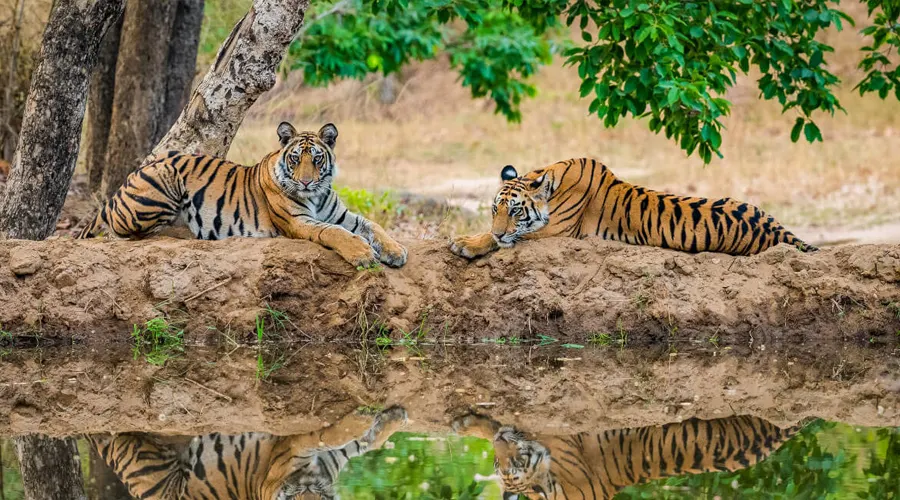
Kanha National Park
Kanha National Park is one of the most striking national parks in the Maikal range that proves to be the most inspiring place for creative creatures. Creatures that don't live in the jungles but have a great fascination for the jungles, the intelligent creatures, the human being, who have great allure for the wildlife and natural bewilderment. Among those intelligent creatures, the most notable writer and novelist of the 18th ...
Explore More...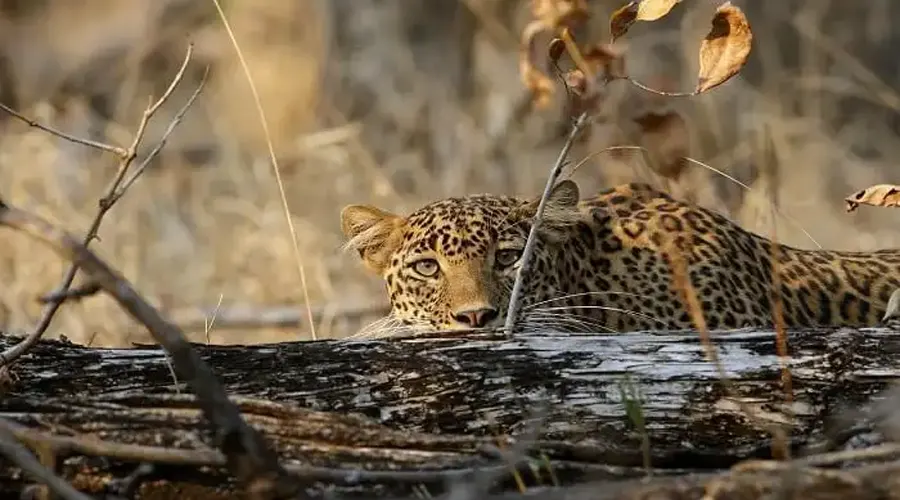
Pench National Park
Pench National Park is placed in the Chhindwara and Seoni districts of Madhya Pradesh (India). The name is derived from the Pench River, which flows through the National Park. The river flows from north to south that divides the park into equal eastern and western halves-the well woody areas of both districts. The park has several species of animals among which wild guars, tigers, leopards, monkeys, deer, etc., are easily ...
Explore More...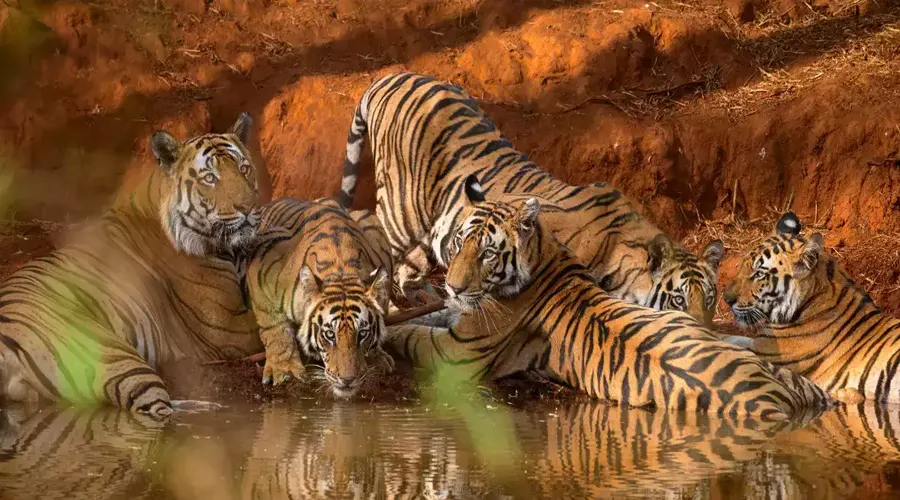
Bandhavgarh National Park
Bandhavgarh National Park is the most visited and tremendously famed tiger palace in Madhya Pradesh located in the Vindhya Hills of the Umaria district. The park is recognized as one of the major destinations opted for the tiger project on the wage of continuing the essential tiger project in India. by spreading across an area of 105 sq km the name Bandhavgarh has been acquired from the most prominent hillock ...
Explore More...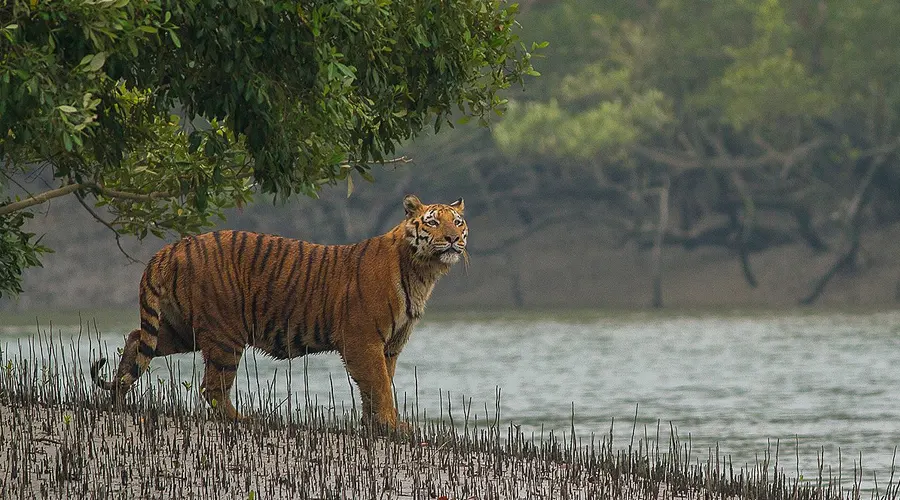
Sundarban National Park
Spread over an area of 2,585 square kilometers including 54 small islands and crisscrossed by several tributaries of the Ganges, the Sundarbans National Park is home to a variety of birds, reptiles, and invertebrate species, including the saltwater crocodile. Influenced by the innumerable watercourses and located close to the Bay of Bengal, the ecogeography of the Sundarban National Park is dependent on tidal effects that result in the creation of ...
Explore More...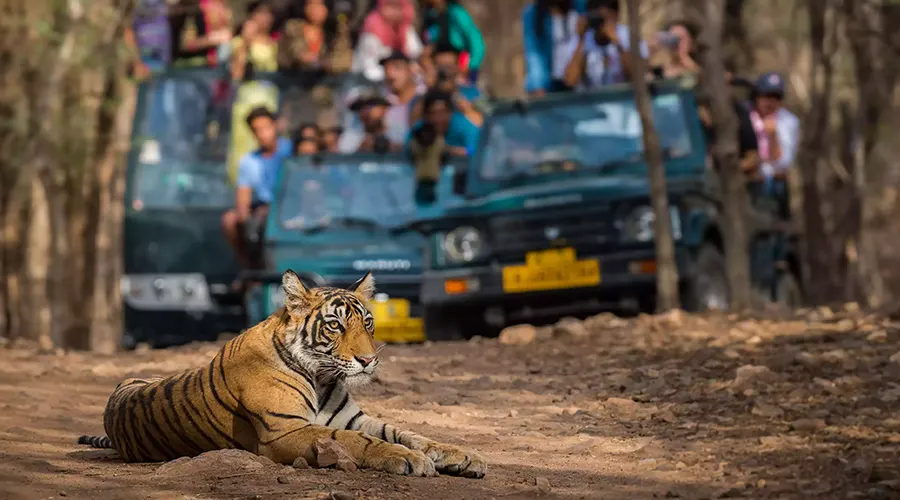
Ranthambore National Park
The Ranthambore National Park is one of the largest and most important national parks in the country. It is one of the most popular wildlife sanctuaries in Rajasthan. It is situated in the Sawai Madhopur district in Rajasthan.The Ranthambore National Park was originally established as the Sawai Madhopur Game Sanctuary in 1955 by the Indian Government and was brought under the Project Tiger scheme in 1973. It was declared as ...
Explore More...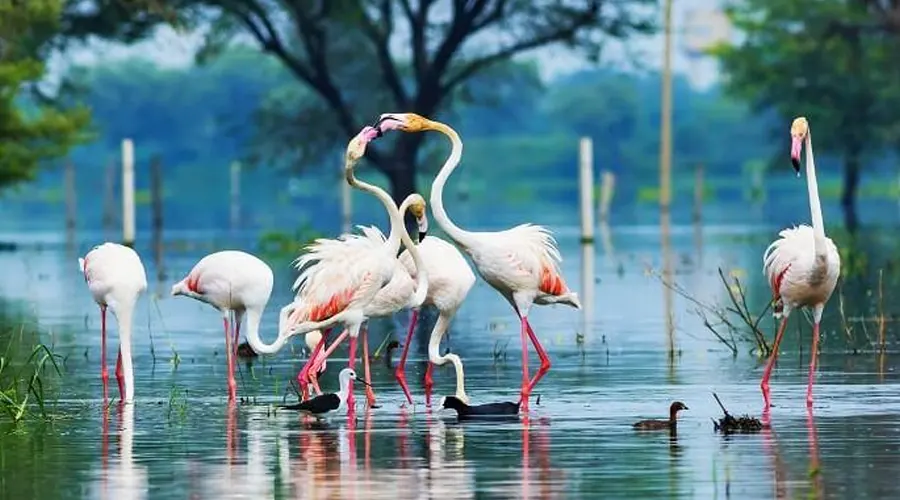
Keoladeo Ghana Bird Sanctuary
The Keoladeo Ghana National Park was formerly known as the Bharatpur Bird Sanctuary. The sanctuary is home to a large number of migratory birds during the hibernal season and is a very popular tourist place in Rajasthan. The bird sanctuary, which attracts a large number of ornithologists from all over the country and the world during the migratory season, plays home to as many as 230 avian species.In 1971, the ...
Explore More...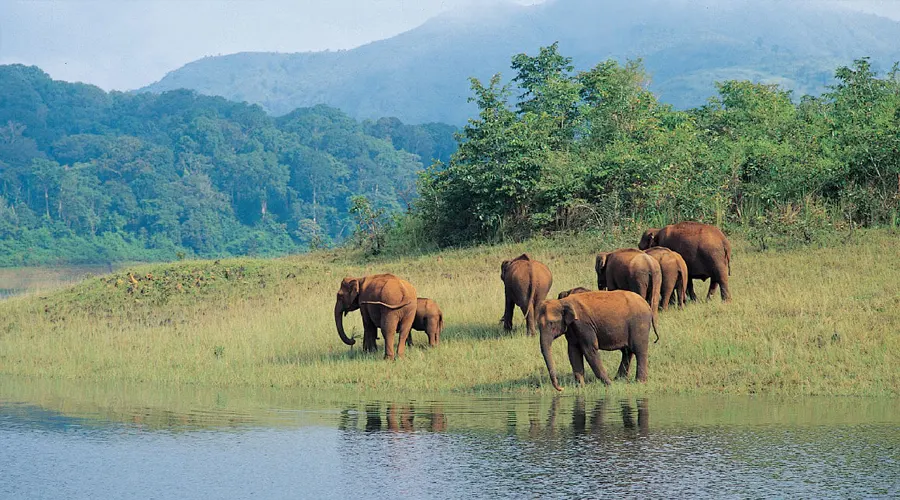
Periyar National Park
The Periyar National Park in Thekkady, Kerala, is one of the most bio-diverse regions in the world and the best-protected reserve area that one can lay eyes on in India. Famous for its gorgeousness, greenery, and stillness, the park is the dwelling place of abundant significant species, including the royal tigers and majestic elephants apart from other reptiles, fishes, and birds. This National Park is an amazing coming together of ...
Explore More...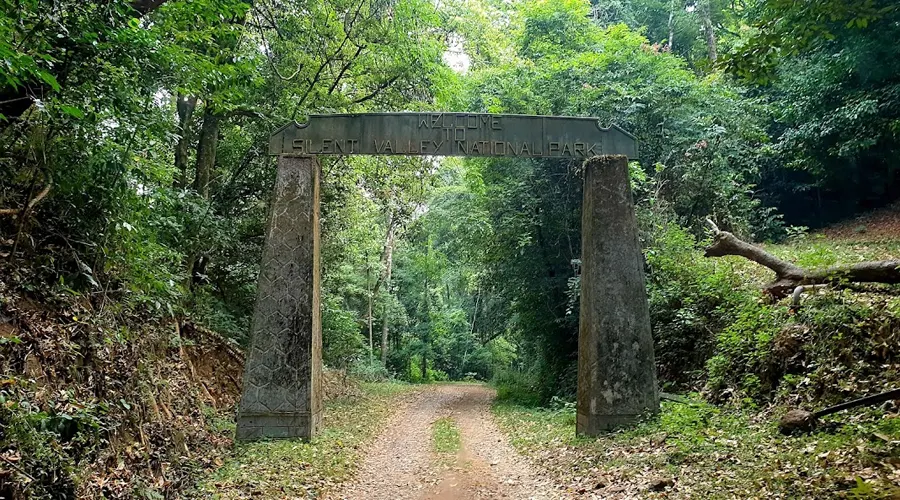
Silent Valley National Park
The Silent Valley National Park, with its lush green forests and beautiful views of the rich flora and fauna, is a popular destination for nature as well as wildlife lovers all across the globe. Spread across an area of 89 square kilometers, the Silent Valley National Park is located in the Kundali Hills of the Western Ghats in Kerala in southern India. With its long, detailed history and the unique ...
Explore More...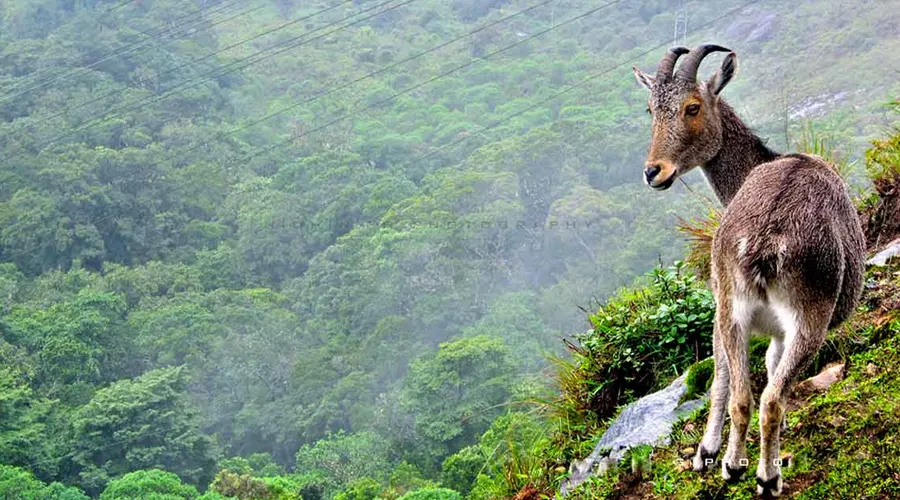
Eravikulam National Park
How often have you visited a national park in the background of tea plantations? Here is one such national park in the high ranges of Kerala which offers a magnificent view of hills with tea plantations - the Eravikulam National Park. Situated in the Kannan Devan Hills of the southern Western Ghats, the wildlife park with an area of 97 sq. km. can be reached via Munnar. Located in the ...
Explore More...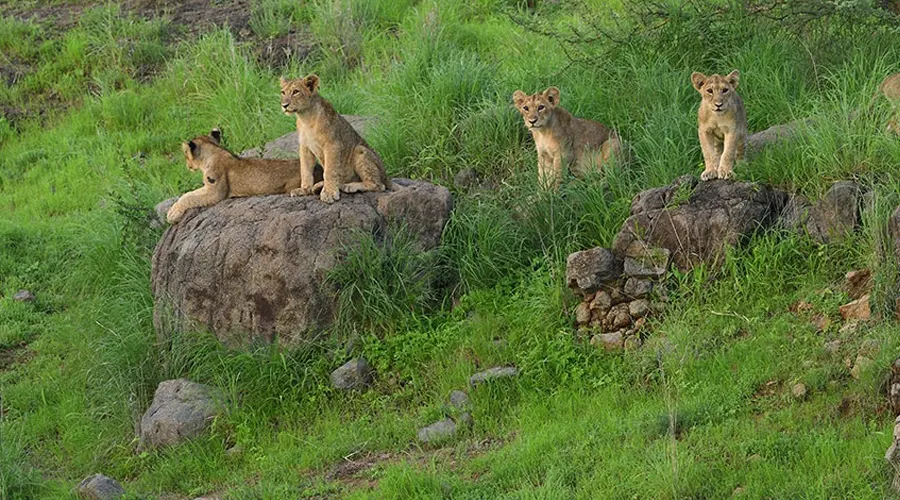
Gir National Park
Besides Africa, Gir National Park in Gujarat is the only place in the world where you can spot lions roaming free in the wild. The real discovery channel of India is situated approximately 65 km southeast of Junagarh District. The Government notified the large geographical extent of Sasan Gir as a wildlife sanctuary on 18th September 1965 to conserve the Asiatic Lion. It covers a total area of 1412 square ...
Explore More...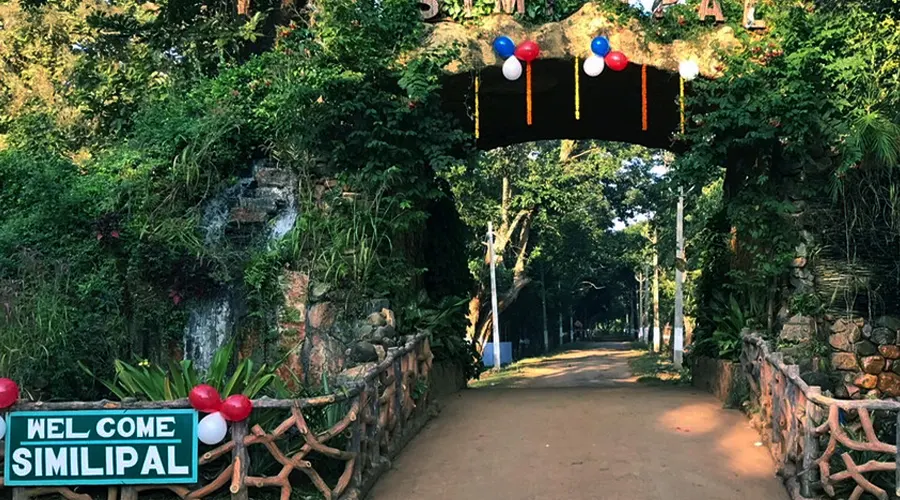
Simlipal National Park
Reflecting the natural beauty of an era gone by, Simlipal National Park is a beautiful and scenic town in Odisha. Situated in Mayurbhanj, it once used to be a hunting ground for the rulers of the province. Simlipal is the largest wildlife sanctuary in India and is considered one of the principal tiger projects in the country. The area has dense forests, striking meadows, startling waterfalls, and beautiful rivers. It ...
Explore More...How to Reach
Most national parks in India are well connected by air, rail, and road. Major cities have nearby airports and railway stations, while taxis, buses, and private vehicles provide easy access to park entrances. Depending on the destination, travelers can choose from regular public transport or guided wildlife tour packages.
Travel Tips
- Book safari permits well in advance, especially during peak season.
- Wear neutral-colored clothing to blend with the surroundings.
- Carry binoculars, a camera, sunscreen, and insect repellent.
- Follow park rules and maintain a safe distance from wildlife.
- Avoid making loud noises or feeding animals.
- Travel with certified guides for a better wildlife experience.
- Carry a valid ID for safari entry and permits.
- Help protect nature by avoiding littering and using eco-friendly practices.
Quick Facts about National Parks in India
| Total National Parks | 100+ Across India |
| Famous For | Tigers, Lions, Rhinos, Elephants, Snow Leopards & Rich Biodiversity |
| Best Time to Visit | October – June (Varies by Park) |
Faq About Top 20 National Parks in India – Best Wildlife Destinations
Ans: India has 100+ national parks spread across different states and union territories, protecting diverse wildlife, forests, wetlands, deserts, and mountain ecosystems.
Ans: Jim Corbett National Park in Uttarakhand is India's oldest national park. It was established in 1936 as Hailey National Park and is famous for its Bengal tiger population.
Ans: Hemis National Park in Ladakh is the largest national park in India, covering an area of over 4,400 square kilometers. It is well known for its snow leopards and high-altitude wildlife.
Ans: Bandhavgarh, Ranthambore, Kanha, Jim Corbett, Pench, and Tadoba National Parks are among the best destinations in India for spotting Bengal tigers.
Ans: Gir National Park in Gujarat is the only place in the world where Asiatic lions can be found in the wild.
Ans: Kaziranga National Park in Assam is world-famous for its population of the endangered one-horned rhinoceros and is a UNESCO World Heritage Site.
Ans: The best time to visit most national parks is October to June. Wildlife sightings are generally best during the summer months, while winter is ideal for birdwatching and pleasant weather.
Ans: Yes, many national parks remain partially or completely closed during the monsoon season (July to September) due to heavy rainfall and conservation activities. However, opening dates vary by park.
Ans: Yes, many popular national parks, including Jim Corbett, Ranthambore, Kaziranga, and Bandhavgarh, offer online safari booking through their official tourism or forest department websites.
Ans: Carry comfortable clothing in neutral colors, a valid ID, binoculars, a camera, sunscreen, insect repellent, drinking water, and comfortable walking shoes. Always follow park rules and avoid disturbing wildlife.